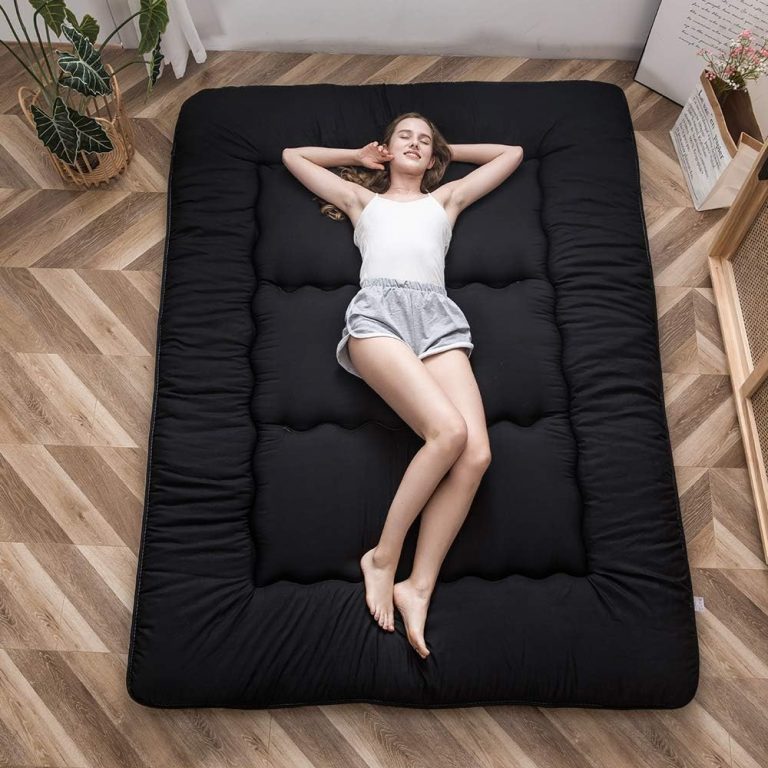
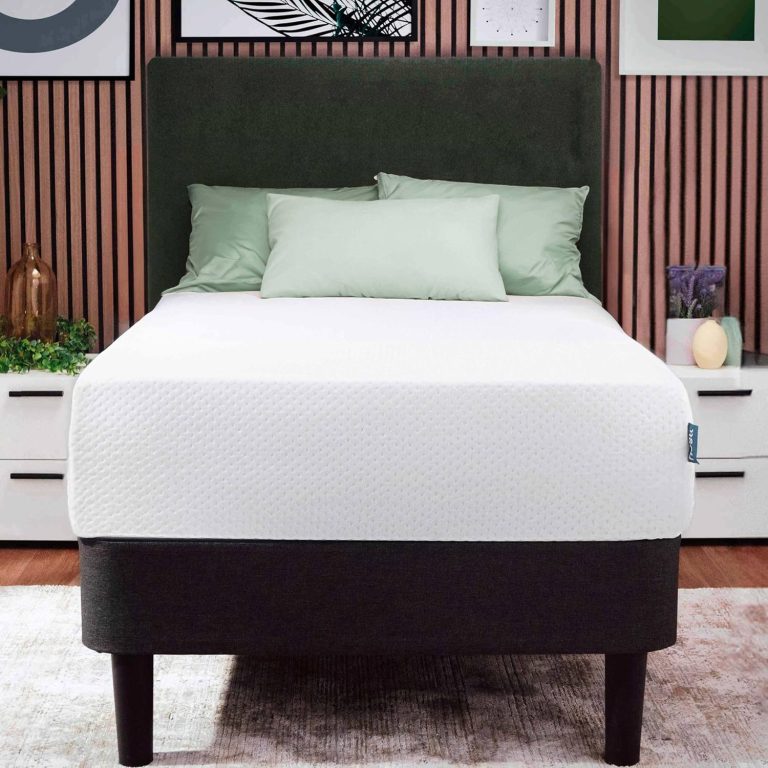
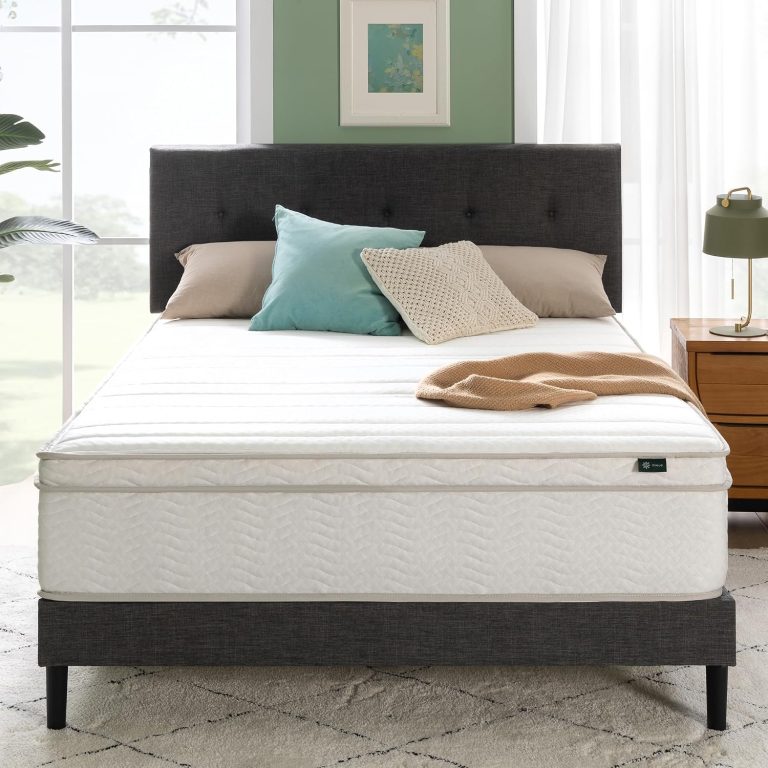
Best Futon Mattress Picks for Every Sleeper Type
The best futon mattress for most people is a hybrid model that combines a dense foam core with a cotton or polyester wrap. You want something that’s firm enough to sit on all day but soft enough to sleep on at night. We found this balance is the secret to choosing a truly great futon.
Your perfect futon depends on how you plan to use it. Are you hosting guests, creating a cozy movie nook, or using it as a daily bed? Each use case calls for a different firmness, thickness, and material. This is why a one-size-fits-all answer doesn’t work, but our guide simplifies the process for you.
- The best type: Hybrid (foam + cotton) offers the best mix of comfort and durability.
- Thickness matters: 6-8 inches works best for sleeping; 4-5 inches is fine for occasional sitting.
- Material is key: High-density foam resists sagging, while cotton keeps it breathable.
- Fold quality: Look for a strong hinge system so the mattress doesn’t split in the middle.
- Price range: You can find a quality option for $200–$400; avoid anything too cheap.
Let’s walk through the exact specs you need to check before you buy, plus our top picks for every budget.
Picking the Right Futon Mattress for Your Space
The futon mattress you choose comes down to one question: how often will people actually sleep on it? We found that casual loungers and nightly sleepers need completely different builds. You should match the mattress to the job, not the other way around.
Think of a futon mattress like a pair of shoes. You would not run a marathon in flip-flops. You would not wear hiking boots to the beach. The same logic applies here. Match the mattress to your main use, and you will be happy with it for years.
Daily Sleepers Need More Support Layers
If you plan to sleep on this futon every night, treat it like a real bed. That means you want a mattress that is at least 6 inches thick. You also want high-density foam that will not flatten out after a few months of use.
Many experts say that a mattress should support the natural curve of your spine (Mayo Clinic). A thin futon cannot do that. You will wake up with a sore back if you try to sleep on a 4-inch pad every night. For more on how firmness affects your spine, see our guide to mattress firmness for back pain.
Look for a mattress with multiple layers. A dense foam base gives you support. A softer top layer gives you pressure relief. This combo is the closest you will get to a traditional bed in a folding format.
Guest Room Futons Can Go Thinner and Firmer
For occasional guests, a 5-inch futon mattress is usually fine. You want it firm enough to sit on comfortably during the day. If the mattress is too soft, it will feel like a saggy couch when you fold it up.
A firmer mattress also resists indentations better. Your guests will not sleep directly on the floor, but they also will not expect cloud-like luxury. Balance is the goal here. You want something that works as a couch by day and a bed by night.
We found that guests actually prefer a firmer sleep surface. It feels more like a proper guest bed and less like a camping pad. Add a good mattress topper for guests who like a softer feel.
Futon Mattress Materials Compared
Material choice is the biggest factor in how your futon feels and lasts. You will see three main types on the market. Each one has strengths and trade-offs that matter for your specific situation.
| Material | Best For | Watch Out For |
|---|---|---|
| Cotton | Firm support, natural feel | Can flatten and lump over time |
| Memory Foam | Pressure relief, contouring comfort | Tends to trap body heat |
| Latex | Durability, bounce, cooling | Higher price point |
| Hybrid (foam + cotton) | Best of both worlds | Heavier to fold |
Cotton Futons Are the Traditional Choice
Cotton futons have been around for decades. They start out firm and supportive. They are also breathable, so you will not overheat at night. This makes them a solid choice for warm climates.
The downside is that cotton compresses over time. After a year of daily use, you may notice flat spots. Many experts suggest flipping and rotating cotton futons regularly to slow down this process.
If you want that classic, natural feel, cotton is your best bet. Just know that it will need more maintenance than foam options.
Foam-Infused Futons Are the Modern Upgrade
Foam futons are everywhere now. They are affordable, easy to ship, and require zero setup. You just unroll them and let them expand for a day or two.
Memory foam gives you that sinking, hugging sensation when you lie down. This is great for pressure points like hips and shoulders. However, memory foam can get warm. Some people wake up sweaty and uncomfortable.
Gel-infused foams solve this problem by pulling heat away from your body. We found that shoppers who sleep warm should look for this feature specifically. It makes a noticeable difference in comfort.
Hybrid Futons Strike the Perfect Balance
Hybrid mattresses combine a foam core with a cotton or polyester outer layer. We found that this mix solves most of the problems with single-material futons. The foam gives you support and durability. The cotton adds breathability and a familiar feel.
These hybrids are also easier to fold than pure foam models. The cotton wrap prevents the foam from cracking along the fold lines. This extends the life of your mattress significantly.
If you want to play it safe and get one mattress that does everything well, go with a hybrid. It is the gold standard for a reason.
How Thick Should Your Futon Mattress Be?
Thickness is not just about comfort. It also affects how well the mattress holds up when folded. A too-thin mattress feels like sleeping on a blanket. A too-thick mattress might not fold properly in your frame.
Check Your Futon Frame First
Before you buy any mattress, measure your futon frame. Many frames have a maximum mattress height they can handle. If you buy something too thick, it might not fold up properly. This is a common mistake that buyers make.
Most standard futon frames accept mattresses between 4 and 8 inches thick. Measure the gap between the seat deck and the backrest when closed. That gap tells you the maximum thickness you can use.
Thickness Guidelines for Every Use Case
- 4 to 5 inches: Good for sitting, napping, and kids’ rooms. Not meant for nightly adult sleep.
- 6 to 7 inches: The sweet spot for guest rooms and part-time sleeping. Comfortable enough for most adults.
- 8 inches and up: Best for daily sleeping. Feels nearly identical to a traditional mattress.
Match your thickness to your main use. Do not overspend on a thick mattress if you rarely sleep on it. Do not skimp on thickness if you use it every night.
Fold Quality and Hinge Design Matter
The fold line is the weakest point of any futon mattress. Over time, this area can split or wear down. A solid hinge design prevents this problem before it starts.
Look for a mattress with a pre-scored fold line and reinforced edges. This ensures the foam bends cleanly without cracking. Many quality brands use a double-hinge system that distributes the fold evenly.
We found that mattresses with a simple center fold work best. Tri-fold designs are okay for sitting, but they create uncomfortable gaps when you sleep on them. Stick with a standard bi-fold unless you have a specific reason not to.
Futon Mattress Firmness Levels Explained
Firmness is subjective. What feels perfect to one person might feel like concrete to another. That said, there are some general rules to follow when shopping for a futon.
Firm Futons Work Best for Stomach Sleepers
Stomach sleepers need a flat, even surface. A soft mattress causes the hips to sink too deep, which throws the spine out of alignment. A firm futon keeps your body in a straight line.
Back sleepers also do well on medium-firm futons. This firmness level supports the lower back without putting too much pressure on the shoulders.
Side sleepers are the pickiest group. They need a softer surface to cushion the hips and shoulders. If you are a side sleeper, look for a futon with a plush top layer over a firm base.
Your Futon Mattress Shopping Checklist
You are almost ready to shop. Use this quick checklist when you compare options online or in stores. It covers the most important features we have discussed.
- Measure your frame to confirm the maximum mattress thickness that fits.
- Check the density of the foam core — aim for at least 1.8 pounds per cubic foot.
- Choose a hybrid design for the best mix of comfort and durability.
- Read reviews for fold durability — look for complaints about splitting at the hinge.
- Set a budget of $200 to $400 for a quality mattress that lasts.
- Buy a washable cover to protect your investment and simplify cleaning.
Where to Spend Your Money
We found that the foam density is where you should spend the most. Cheap foam breaks down fast. That leads to sagging and lumps within months. A high-density foam base keeps its shape for years.
You can save money on the cover. Many brands charge a premium for designer fabrics. Standard cotton or polyester covers work fine. You can always buy a separate futon cover later if you want a different look.
The Final Word on Futon Mattresses
Choosing a futon mattress does not have to be complicated. Start with your main use case. Decide if guests or you will be sleeping on it most often. That answer leads you to the right thickness and firmness.
Prioritize foam density and hinge quality above everything else. These two factors determine how long your futon lasts. Everything else is cosmetic and can be adjusted with toppers and covers.
You are now equipped to make a smart purchase. Your future self will thank you every time you sit down for a movie or crash for the night. Happy shopping.
Conclusion
You now know exactly what makes a futon mattress worth your money. The best choice for you comes down to how often you sleep on it and how firm you like your surface. We recommend starting with a hybrid model that is at least 6 inches thick for the most versatility.
Measure your frame first. Then focus your budget on high-density foam and a strong center hinge. These two details will save you from early sagging and split fold lines.
Your next step is simple. Grab a tape measure, check your futon frame, and compare a few hybrid options in your price range. You are ready to pick a mattress that will serve you well for years.
Frequently Asked Questions
How long does a good futon mattress usually last?
A quality futon mattress with high-density foam should last between 5 and 8 years with regular use. Cheaper models with low-density foam may start sagging within a year or two. Rotating the mattress every few months helps extend its life.
Can I use a regular mattress on a futon frame?
You technically can, but we do not recommend it. Standard mattresses are too thick and rigid to fold properly with a futon frame. The constant bending will damage both the mattress and the frame over time. Stick with a mattress designed specifically for futons.
Is a futon mattress good for your back?
It all depends on the firmness and thickness you choose. A 6-inch or thicker futon with proper support layers can be great for back health. A thin 4-inch pad will not support your spine well during a full night of sleep. Choose one that matches how you actually plan to use it.
Should I buy a mattress topper for my futon?
A topper is a smart add-on if you want a softer sleep surface without buying a thicker mattress. It also adds a layer of protection against wear and tear on the main mattress. Just remember to remove it before folding the futon so it does not bunch up.
Whats the difference between a futon mattress and a sleeper sofa mattress?
Futon mattresses are thinner and designed to fold in half for couch mode. Sleeper sofa mattresses are typically placed inside a metal frame and do not need to fold as tightly. Futons are usually firmer to handle the dual couch-and-bed role, while sleeper sofa mattresses can be softer and thicker.