Agitator vs Impeller Washer: Pros and Cons Explained
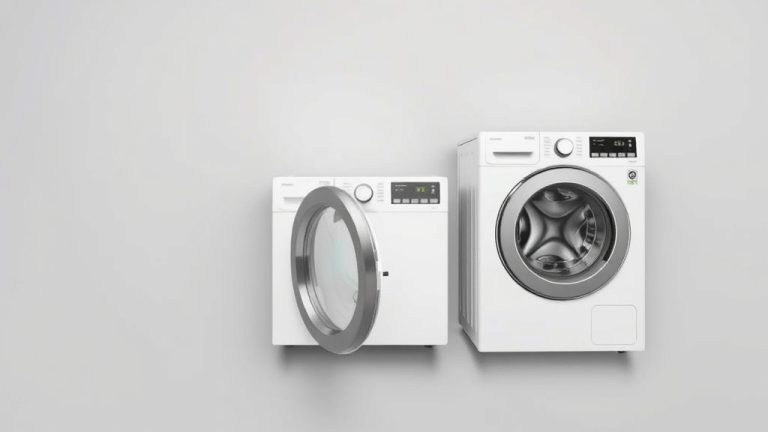
Choosing between an agitator vs. impeller washer often comes down to how you want your clothes cleaned. Agitator washers use a central post to twist clothes, which can be rougher but cleans well. Impeller washers use a low-profile disc to move clothes, offering a gentler wash and more space for larger loads. We found that the best choice depends on your priorities for cleaning power and fabric care.
An agitator might be your go-to if you regularly tackle tough stains and don’t mind a more robust cleaning action. On the other hand, an impeller system is fantastic for larger items like comforters and delicate fabrics because it prevents tangling and reduces wear. Many consumers prefer impeller models for their larger capacity and gentler treatment of clothes. We’ve researched how each type affects garment longevity and washing efficiency.
- Agitator washers use a central post for vigorous cleaning.
- Impeller washers use a low disc for a gentler, more spacious wash.
- Agitators are great for tough stains but can be harder on clothes.
- Impellers offer more room for large items and delicate fabrics.
- Your choice depends on cleaning needs and fabric care preferences.
Let’s dive into the specific pros and cons of each type to help you decide which washing machine is the right fit for your laundry room. To help you decide, our guide to washing machine cost explains what to expect.
Agitator vs. Impeller Washers: Which Cleans Better?
Deciding between an agitator and an impeller washing machine is a common dilemma. Both aim to get your clothes clean. But they go about it in very different ways. We’ve looked into how each method works and what it means for your laundry.
Understanding the Agitator Washing Machine
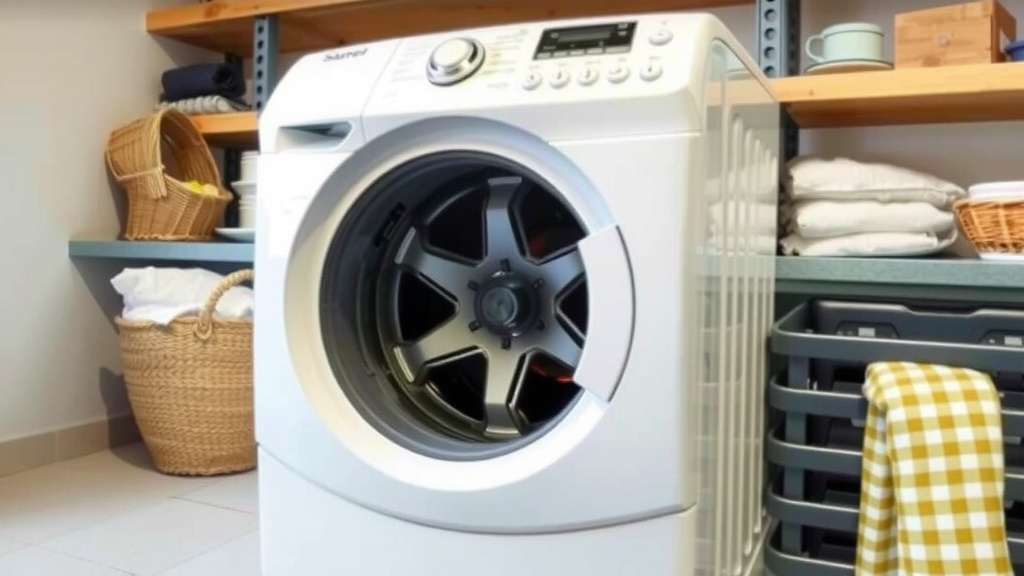
An agitator washer uses a central post. This post has fins or vanes. It twists and turns throughout the wash cycle. This action rubs against your clothes. It helps to lift dirt and grime. Think of it like a vigorous scrub. This is a traditional design found in many older washers.
Pros of Agitator Washers
One big pro is powerful cleaning. The strong churning action is great for heavily soiled items. We found it excels at tackling tough stains like grease or mud. If you have kids who play hard outdoors, this might be appealing. It’s also generally faster than impeller models.
Another benefit is that agitator washers often have a simpler mechanism. This can sometimes translate to easier repairs. Many people are familiar with how they work. This familiarity can make troubleshooting less daunting.
Cons of Agitator Washers
The main drawback is that the vigorous action can be harder on fabrics. Clothes can get tangled around the agitator post. This can lead to stretching or abrasion over time. We’ve seen reports suggesting it’s not ideal for delicate items.
Capacity can also be an issue. The agitator takes up valuable space in the drum. This means you can’t fit as much laundry in. Large, bulky items like bedding might be a tight squeeze or not fit at all.
Understanding the Impeller Washing Machine
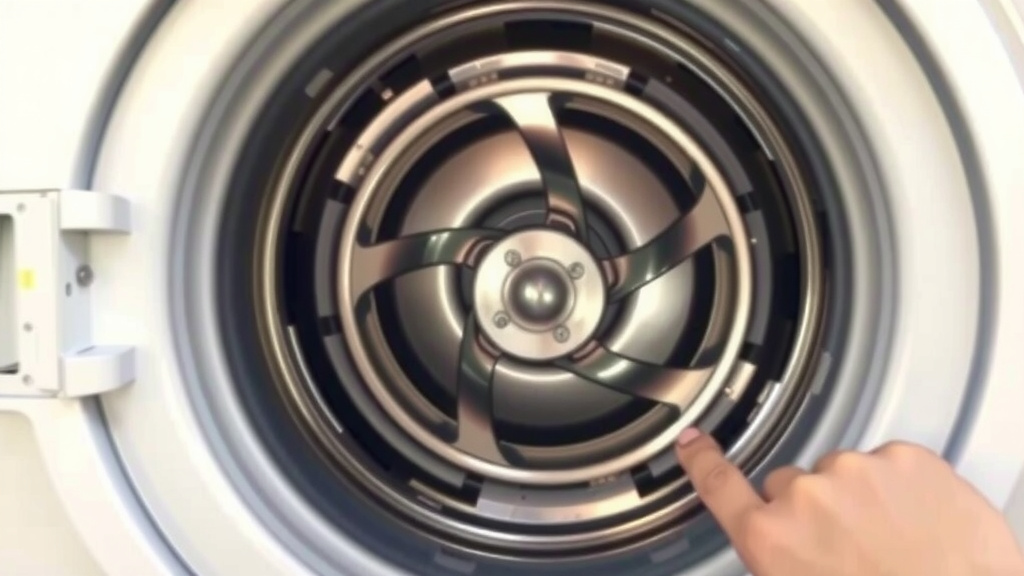
An impeller washer doesn’t have a central post. Instead, it uses a low-profile disc or plate at the bottom. This impeller spins. It creates currents and water turbulence. Clothes are moved and rubbed against each other. This gentler motion cleans your laundry.
Pros of Impeller Washers
The primary advantage is gentle fabric care. Since there’s no central post, clothes are less likely to tangle or get snagged. This makes impeller washers a great choice for delicates and items that require more careful handling. Many sources suggest it’s better for prolonging garment life.
These washers also offer larger capacities. Without the agitator taking up space, the entire drum is available for clothes. This means you can wash bigger loads. It’s fantastic for bulky items like blankets, comforters, or large towels. You might even be able to do fewer loads per week.
Cons of Impeller Washers
While gentler, the cleaning power might not always match agitators for very tough stains. The action is less aggressive. For heavily soiled clothes, you might need to pre-treat stains more often. We found that some consumers note this difference when comparing cleaning results.
Some impeller models can be more complex electronically. This might make repairs more complicated or costly if something goes wrong. Newer models often come with many features, which can add to the cost.
Comparing Key Features: Agitator vs. Impeller
Let’s break down the main differences in a way that’s easy to digest. It helps to see them side-by-side.
| Feature | Agitator Washer | Impeller Washer |
|---|---|---|
| Cleaning Action | Vigorous, rubbing via central post | Gentle, water currents via bottom disc |
| Fabric Care | Can be rougher, potential tangling | Gentler, less tangling |
| Capacity | Smaller, agitator takes up space | Larger, more usable drum space |
| Best For | Tough stains, heavily soiled items | Delicates, large items, larger loads |
| Typical Wash Time | Often shorter | Often longer |
Which Type Should You Choose?
Your laundry habits are key here. Think about what you wash most often. Do you deal with a lot of mud pies and grass stains? An agitator might serve you well. Its robust cleaning can handle these challenges effectively.
On the other hand, if you have a lot of delicate clothing or frequently wash large items like king-sized comforters, an impeller model could be your best friend. The gentler action and increased capacity make those tasks much easier. Many people find they can fit more clothes into a single load with an impeller machine.
Making Your Final Decision: A Quick Checklist
To help you weigh your options, consider these points:
- Do you frequently wash bulky items like bedding?
- Are most of your clothes everyday fabrics or delicate items?
- Do you often deal with extremely tough, set-in stains?
- Is maximizing laundry load size a priority for you?
- How important is gentle treatment for your clothing’s longevity?
- Does a simpler, more traditional machine appeal to you?
Conclusion
Deciding between an agitator and an impeller washer ultimately comes down to your laundry’s needs. Agitator models offer powerful cleaning for tough stains but can be harder on fabrics. Impeller washers provide gentler fabric care and more capacity for bulky items. We found that understanding your most common laundry challenges will guide your choice. To make your final decision, think about what kind of clothes you wash most often and how you prioritize cleaning strength versus garment longevity. Visit a local appliance store to see both types in action and feel the difference in drum space.
Frequently Asked Questions
Are agitator washers really that rough on clothes?
Agitator washers can be tougher on clothes due to their strong spinning action and the central post. This vigorous movement can cause more wear and tear over time, especially on delicate fabrics. We recommend using specific cycles or mesh bags for more sensitive items if you choose an agitator model.
Can impeller washers handle heavily soiled clothes effectively?
Impeller washers are generally gentler, which means they might not tackle extremely tough, set-in stains as aggressively as agitators. You may need to pre-treat heavily soiled items more often with an impeller model. For everyday dirt and light stains, they perform very well.
Which type of washer is better for large families or big households?
Impeller washers are often better for large families because of their larger capacity. You can fit more clothes into each load, which means fewer loads of laundry to do. This can save you time and energy throughout the week.
Are impeller washers more energy-efficient than agitator washers?
Many newer impeller models are designed to be more water and energy-efficient. They often use less water because the impeller system doesn’t need to fill the entire tub as high. Always check the Energy Star rating when comparing specific models.
Is it possible to repair an agitator or impeller washer yourself?
Basic maintenance and some minor repairs might be DIY projects for either type. However, impeller washers can sometimes have more complex electronic components. We found that professional repair services are often recommended for issues with control boards or specialized sensors.