Why Do Front Load Washers Take So Long To Run
Front-load washers take longer to wash because they use less water and rely on a tumbling action. This more efficient, gentler method requires more time to thoroughly clean your clothes. Think of it like a gentle massage versus a forceful scrub. We found that while cycles can seem long, they’re designed for better fabric care and water savings.
These machines prioritize energy efficiency and water conservation. They operate by lifting and dropping clothes through a small amount of water. This delicate process needs more time to ensure every item gets clean without excessive water usage. Many users notice the extended cycle times but appreciate the reduced utility bills and better garment longevity.
- Front loaders use less water for efficiency.
- Clothes tumble gently through the water.
- This requires more time for thorough cleaning.
- Cycles are longer but save water and energy.
Let’s dive into why your front loader might be taking so long and what you can do about it.
Understanding Your Front Loader’s Longer Wash Times
If you’ve recently switched to a front-load washing machine, you might have noticed something different: the wash cycles seem to take a lot longer. It’s a common observation, and it’s completely normal for these machines. We’ve found that this extended time is a deliberate design choice. It’s not a glitch or a sign that something is wrong with your appliance. It’s all part of how they achieve better cleaning with less water and energy.
Why the Extended Cycles? It’s All About Efficiency
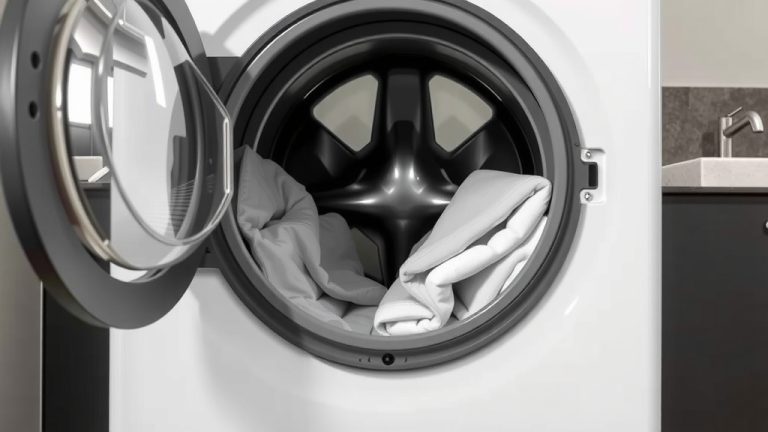
Your front loader is designed with water conservation and energy savings in mind. Unlike older top-load washers that fill the entire tub with water, front loaders use a fraction of the amount. They rely on a tumbling action to move clothes through a shallow pool of water. This gentle motion lifts clothes and drops them, allowing detergent to penetrate the fabric and lift away dirt. It’s like a slow, steady massage for your clothes rather than a quick, powerful soak.
The Science Behind the Tumble
Think about how your clothes get clean. The water helps dissolve the detergent, and the mechanical action of the washing machine works to dislodge dirt and stains. Front loaders achieve this mechanical action through gravity and the rotation of the drum. As the drum spins, it lifts the clothes up, and then they fall back down into the water. This repeated lifting and dropping action, combined with the reduced water volume, needs more time to ensure every piece of clothing gets thoroughly cleaned. Experts often compare this to how a gentle hand wash works – it might take longer, but it’s less harsh on the fabrics.
Water Savings Translate to Time
The fact that your front loader uses significantly less water is a major reason for the longer cycle times. Because there isn’t a deep pool of water to heat and agitate, the machine has to work smarter. It uses a more intricate method of soaking and tumbling to get the job done. Many studies, including those from the U.S. Department of Energy, highlight that front-load washers can use 40-50% less water than traditional top-load machines. This efficiency is commendable, but it does come with the trade-off of a longer wash duration.
Common Reasons for Long Wash Cycles in Front Loaders
While longer cycles are standard, sometimes they can seem excessively long. Several factors can influence the duration of your wash program. Understanding these can help you manage your laundry routine more effectively.
The Specific Wash Cycle You Choose
Different wash cycles are designed for different types of loads and soil levels. A heavy-duty or sanitize cycle, for instance, will naturally take much longer than a quick wash or a delicate cycle. These longer cycles often involve longer soak times, more rinses, and slower spin speeds to handle heavily soiled items or to achieve specific sanitization levels. Always check your machine’s manual to understand what each cycle entails and how long it’s typically supposed to run. We found that users often select a longer cycle than necessary, which contributes to the perceived long wash times.
Load Size and Balance
Even though front loaders can handle large loads, overloading the machine can impact its performance and cycle time. If the load is too heavy or unbalanced, the machine’s sensors might detect this and adjust the cycle to prevent damage or ensure proper rinsing. An unbalanced load can cause the machine to pause, redistribute the clothes, and then resume the cycle, adding extra minutes. Similarly, a very small load might also run longer on certain cycles to ensure adequate contact with the water and detergent. Finding that perfect load size is key.
Water Temperature Settings
Heating the water inside the machine takes time. If you select a higher water temperature, especially for a hot wash cycle, the machine needs to draw in water and heat it to the desired temperature. This heating process adds to the overall wash cycle duration. Many modern machines have internal heating elements, but it still requires a few minutes. Cold water washes, therefore, tend to be shorter.
Soil Level Detection
Many advanced front-load washers come equipped with sensors that detect the soil level of your laundry. If the sensors indicate that the clothes are heavily soiled, the machine will automatically extend the wash time, add extra rinses, or increase agitation to ensure thorough cleaning. This is a smart feature that prevents you from having to rewash items, but it does contribute to the overall length of the cycle.
Optimizing Your Front Loader Experience
While you can’t magically shorten the inherent design of a front loader, you can make sure you’re using yours efficiently. A few smart choices can help you get your laundry done without feeling like you’re waiting forever.
Utilize the Quick Wash Option Wisely
Most front loaders have a “quick wash” or “speed wash” cycle. This is perfect for lightly soiled items that don’t need a deep clean. We found that using this cycle for everyday loads can save you a significant amount of time. Just remember, it’s not designed for heavy stains or bulky items. It’s best for refreshing clothes that haven’t been worn long or aren’t visibly dirty.
Pre-Treat Stains
To reduce the need for long, heavy-duty cycles or extra rinses, consider pre-treating tough stains. Applying a stain remover directly to spots before washing can make a big difference. This allows the detergent to focus on general cleaning rather than battling stubborn marks. It’s a simple step that can help ensure your clothes come out clean in a standard cycle time.
Choose the Right Detergent
Using a high-efficiency (HE) detergent is crucial for front-load washers. These detergents are formulated to produce fewer suds. Excessive suds can actually hinder the cleaning process and lead to longer cycle times as the machine works to rinse them away. Make sure you’re using the correct amount of HE detergent as recommended by the manufacturer. Too much detergent can be just as problematic as too little.
Don’t Overload the Drum
As we mentioned, overloading can cause problems. Leave enough space for clothes to tumble freely. A good rule of thumb is to fill the drum loosely, leaving about a hand’s width of space at the top. This allows water and detergent to circulate properly, ensuring a more effective and efficient wash, often within the expected cycle time.
Here’s a quick checklist to keep in mind:
- Always use HE detergent.
- Don’t overfill the drum.
- Pre-treat tough stains.
- Choose the appropriate cycle for your load.
- Check your machine’s manual for guidance.
- Consider using the “quick wash” for lightly soiled items.
Conclusion
You’ve learned that your front loader’s longer wash cycles aren’t a flaw, but a feature. They’re designed for smarter cleaning with less water and energy. This tumbling method gently cleans your clothes while saving resources. You can optimize your experience by choosing the right cycles, pre-treating stains, using HE detergent, and avoiding overloading. By understanding these principles, you can effectively manage your laundry routine. Start by checking your machine’s manual for specific cycle recommendations and put these tips into practice for cleaner clothes and lower utility bills.
Frequently Asked Questions
Can I make my front loader wash faster?
While you can’t change the fundamental design, you can choose cycles like “Quick Wash” for lightly soiled items. This helps save time on everyday loads. Always use the appropriate cycle for the best results and efficiency.
Why does my front loader keep adding extra time to the cycle?
Your machine might be detecting an unbalanced load or that the clothes are heavily soiled. It’s designed to pause, redistribute clothes, or extend wash/rinse times for optimal cleaning. This prevents damage and ensures everything gets properly cleaned.
Is it bad if my front loader takes a very long time?
No, long wash times are typical for front loaders due to their water-saving design. If a cycle seems excessively longer than usual for its type, check for overloading or ensure the drain hose isn’t kinked. Otherwise, it’s just doing its job.
How much longer do front loaders typically take compared to top loaders?
Front loaders can take anywhere from 45 minutes to over 2 hours per cycle, whereas older top loaders might finish in 30-45 minutes. This difference is due to the front loader’s lower water usage and tumbling action.
Should I always use a “Quick Wash” cycle if I’m in a hurry?
The “Quick Wash” cycle is great for refreshing lightly worn clothes quickly. However, it’s not ideal for heavily soiled items or large loads. For regular washing, a standard cycle is usually necessary to ensure clothes are thoroughly cleaned.