10 Best Reverse Osmosis Water Filters [In 2026]
Concerned about tap water quality? Reverse osmosis systems remove up to 99.99% of contaminants including lead, PFAS, and chlorine.We’ve tested and reviewed the 10 best RO water filters for 2025, comparing under-sink and countertop models to help you choose the perfect system for your home.
Our Top 6 Picks



Quick Selection Guide
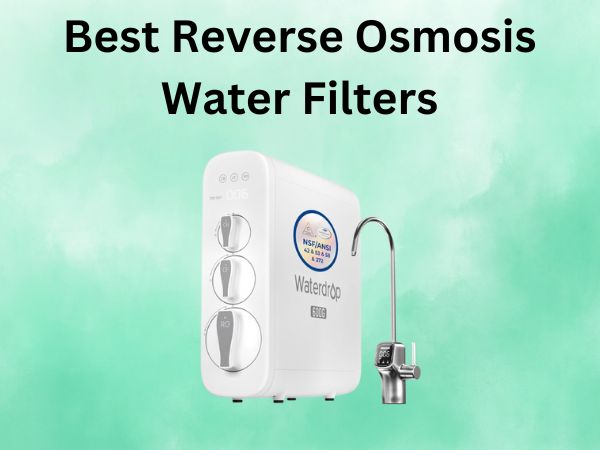
1. Choose Waterdrop G3P600 if: you need a high-capacity under-sink system for large families, want NSF-certified comprehensive filtration with smart LED faucet monitoring, prefer tankless space-saving design with 600 GPD output, and value efficient 2:1 pure-to-drain ratio with tool-free 3-second filter changes—perfect for homeowners seeking permanent installation with maximum performance and convenience.
2. Choose iSpring RCC7 if: you want proven reliability with 15+ years of American quality standards, need excellent value with NSF/ANSI 58 certification, prefer no-electricity operation using water pressure alone, and don’t mind a traditional storage tank system—ideal for budget-conscious homeowners who want comprehensive 5-stage filtration removing 99% of 1,000+ contaminants with lifetime support.
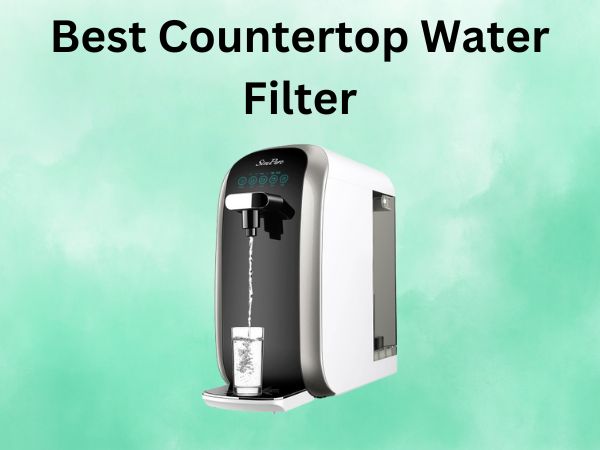
3. Choose SimPure Y7P-BW if: you need portable countertop convenience with zero installation, want UV purification for extra safety against bacteria and viruses, value industry-leading 4:1 water efficiency saving 1500% more than traditional systems, and need fast 418 GPD capacity—perfect for renters, apartment dwellers, or anyone wanting flexibility to move their system between locations.
4. Choose Aigerri Portable UV if: you prioritize maximum water conservation with best-in-class 5:1 pure-to-drain ratio, need large 5L capacity for household use, want UV light plus remineralization for healthy mineral-enriched water, and value true portability for home, office, RV, or camping—ideal for eco-conscious users wanting efficient filtration anywhere with power access.
5. Choose SimPure Y9A if: you want alkaline remineralized water with added calcium, magnesium, and potassium for health benefits, prefer side-mounted tank for easier refilling convenience, need impressive 300 GPD capacity exceeding typical countertop systems, and want 6-stage filtration with zero installation—perfect for health-focused individuals seeking “springlike” balanced pH water with superior taste.
6. Choose VonWater CT910GH if: you need instant hot water in 3 seconds with 5 temperature settings from baby formula (110°F) to boiling (198°F), want 7-stage RO filtration with LED purification technology, prefer removable pitcher for refrigerator storage, and value smart features with real-time TDS monitoring—ideal for busy families wanting all-in-one convenience for coffee, tea, and cooking.
7. Choose Ecoviva Mate 3 if: you need compact space-saving design for 1-3 people in small kitchens or apartments, want smart auto-filling 40oz pitcher with hands-free operation, value cost-effective annual filter replacement at just $0.22 daily, and prefer plug-and-play simplicity with 2-year warranty—perfect for singles, couples, or small families seeking affordable countertop purification.

8. Choose Bluevua RO100ROPOT-LITE if: you prefer premium borosilicate glass carafe over plastic for chemical-free purity, need rapid 3-minute water delivery for quick hydration, want compact 5-stage filtration ideal for 1-2 people, and value 3:1 efficiency that’s 375% better than typical models—perfect for small households or offices wanting elegant design with fruit-infused water recipe options.

9. Choose iSpring RCD100HCG if: you need both hot and cold water with 9 temperature options and 6 volume settings, want dual pitcher design for continuous filtered water availability, prefer alkaline filtration balancing pH while removing 99% of contaminants, and need thermoelectric cooling with minimal noise—ideal for families wanting maximum versatility with smart monitoring and child safety features.

10. Choose Bluevua RO100ROPOT-UV if: you want ultimate 6-stage purification combining RO membrane, UV sterilization, and remineralization for balanced minerals, prefer premium glass carafe preventing secondary pollution, value power-saving standby mode with 2:1 efficiency, and need long 12-24 month filter lifespan—perfect for quality-focused users wanting ClimatePartner certified sustainability with bottled-water quality at home.

10 Best Reverse Osmosis Water Filters Review
Waterdrop G3P600 – Best Under Sink System
Pros:
- NSF/ANSI 42, 53, 58, and 372 certified for comprehensive safety
- Impressive 600 GPD capacity handles large families easily
- Smart LED faucet displays TDS and filter life
- Excellent 2:1 pure-to-drain ratio saves water
- Tankless design saves 70% under-sink space
- Tool-free filter replacement in just 3 seconds
Cons:
- Requires electrical connection under sink
- Higher price point than basic systems
- Some users report occasional noise
- Large dimensions may not fit smaller cabinets
The Waterdrop G3P600 represents the pinnacle of under-sink RO technology, delivering exceptional performance through its advanced 8-stage filtration system. This powerhouse removes everything from heavy metals like lead and arsenic to emerging contaminants like PFAS and vinyl chloride. The system’s 600-gallon-per-day capacity means you’ll never wait for filtered water—it fills an 8-ounce glass in just 8 seconds. The smart LED faucet isn’t just eye candy; it provides real-time TDS monitoring and filter life tracking, taking the guesswork out of maintenance. Its tankless design revolutionizes under-sink storage, freeing up valuable cabinet space for other kitchen essentials.
iSpring RCC7 – Best Value Under Sink
Pros:
- NSF/ANSI 58 certified with 15+ years proven reliability
- Removes 99% of over 1,000 contaminants
- No electricity required—operates on water pressure alone
- Transparent first-stage housing allows visual inspection
- 100% lead-free designer faucet included
- Excellent customer support based in Georgia, USA
Cons:
- Includes storage tank (takes up more space)
- 75 GPD capacity slower than tankless models
- Some customers report faucet dripping issues
- Filter changes require more effort than twist-lock systems
The iSpring RCC7 has earned its reputation as America’s favorite under-sink RO system through consistent performance and unbeatable value. This 5-stage workhorse effectively removes fluoride, lead, chlorine, and arsenic while improving water taste dramatically. What sets it apart is its no-power-needed operation—it runs entirely on water pressure, making it ideal for those who want reliability without electrical dependencies. The included 3.2-gallon storage tank ensures purified water is always available on demand. While it occupies more cabinet space than tankless alternatives, many users appreciate having a reserve supply. The transparent first-stage housing is brilliant for monitoring when pre-filters need changing.
SimPure Y7P-BW – Best Countertop with UV
Pros:
- NSF/ANSI 58 certified with SGS testing
- No installation required—truly plug-and-play
- UV purification adds extra safety layer
- Industry-leading 4:1 pure-to-drain ratio
- Fast 418 GPD capacity fills cups in 15 seconds
- Portable—perfect for apartments, offices, or RVs
Cons:
- Dispenses only room temperature water
- Mixed feedback on size and tank capacity
- Some users report leakage issues from bottom
- Requires 22+ inches vertical clearance when lid opens
The SimPure Y7P-BW brilliantly combines convenience with cutting-edge technology. Its UV purification system works chemical-free to eliminate 99.99% of bacteria and viruses that might survive RO filtration alone. This dual-threat approach means you’re getting laboratory-grade water purity at home. The 4-stage RO filtration removes PFAS, heavy metals, and dissolved solids, while the UV light provides that extra peace of mind. The countertop design eliminates installation headaches—just plug it in, add water, and you’re producing purified water within minutes. Its 418 GPD capacity with innovative recycling technology saves up to 1500% more water compared to traditional under-sink systems, making it exceptionally eco-friendly.
Aigerri Portable UV – Best for Portability
Pros:
- Large 5L raw water tank capacity
- Best-in-class 5:1 pure-to-drain ratio
- Includes 2 filter cartridges (529 gallons capacity)
- Zero installation—works anywhere with power
- UV light plus remineralization filter
- Fits under kitchen cabinets (16.1″ tall)
Cons:
- Lighter weight (13.9 lbs) may feel less sturdy
- Smaller 2L purified water tank
- Limited customer review history
- Must use genuine Aigerri replacement filters
The Aigerri Portable UV system redefines water purification efficiency with its remarkable 5:1 pure-to-drain ratio—the highest in our lineup. This means for every gallon of wastewater, you’re getting five gallons of purified drinking water, making it extraordinarily eco-conscious. The 5-stage RO filtration combined with UV purification removes contaminants while the remineralization filter adds back beneficial minerals for better taste and health benefits. Its true portability shines through—whether you’re setting it up in your kitchen, taking it to the office, bringing it camping, or installing it in your RV, this system adapts to your lifestyle. The included filters provide enough purified water to replace approximately 6,000 plastic bottles, emphasizing both economic and environmental benefits.
SimPure Y9A – Best for Mineralization
Pros:
- 6-stage filtration with alkaline remineralization
- Side-mounted tank for easier water refilling
- Impressive 300 GPD capacity
- Zero installation required
- Adds essential minerals (calcium, magnesium, potassium)
- Compact design fits tight spaces
Cons:
- Room temperature water only
- Smaller overall footprint may limit tank size
- Higher price point for countertop model
- Requires 16+ inches vertical clearance
The SimPure Y9A takes RO filtration to the next level by addressing the one criticism often leveled at reverse osmosis—that it removes everything, including beneficial minerals. This system’s post-mineralization filter adds back calcium, magnesium, and potassium, creating alkaline water that’s not only pure but health-promoting. The side-mounted water tank is a game-changer for daily use—no more awkwardly reaching behind the unit to refill. The 300 GPD capacity vastly outperforms typical countertop systems, ensuring your whole household has access to purified water without waiting. The 6-stage filtration removes 99.99% of PFOA/PFOS, lead, arsenic, chlorine, and fluoride while the final mineralization stage balances pH and enhances taste, giving you “springlike” water that’s both safe and delicious.
VonWater CT910GH – Best Hot Water System
Pros:
- 3-second instant heating with 5 temperature settings
- 7-stage filtration with LED purification
- SGS certified against NSF/ANSI 372, 42, 58 standards
- Removable 1.2L pitcher stores in refrigerator
- 5 volume options from 5oz to unlimited
- Real-time TDS and filter status display
Cons:
- Higher price point for added features
- Requires power connection
- 100 GPD capacity lower than some competitors
- Bulkier than basic countertop models
The VonWater CT910GH is essentially a water purification command center for your kitchen. Its instant heating capability transforms how you use purified water—imagine making baby formula, brewing tea, or preparing hot cocoa with perfectly heated, purified water in just 3 seconds. Choose from five temperatures: 110°F for milk, 149°F for lemon tea, 185°F for hot tea, 198°F for boiling water, or room temperature for regular drinking. The 7-stage RO filtration combined with LED purification ensures 99.99% contaminant removal while the 3:1 pure-to-drain ratio saves 300% more water than traditional systems. The removable pitcher is brilliant—fill one to store in your fridge while the other continues filtering. With its smart LED touchscreen displaying real-time TDS, temperature, and filter status, you’re always informed about your water quality.
Ecoviva Mate 3 – Best Space-Saving Design
Pros:
- NSF-certified PCR composite filter
- Compact design perfect for 1-3 people
- Auto-filling 40oz smart pitcher
- Exceptional 3:1 pure-to-drain ratio
- Annual filter replacement only
- 2-year warranty included
Cons:
- Smaller 5L tank may require frequent refilling for larger families
- 98.75% contaminant removal slightly lower than 99.99% models
- Limited temperature options (room temperature only)
- Newer brand with less market history
The Ecoviva Mate 3 proves that good things come in small packages. Its plug-and-play design requires zero installation—just plug it in and start enjoying purified water immediately. The 8-stage RO filtration system combines a 0.0001-micron membrane with PPC dual technologies to remove 98.75% of contaminants including chlorine, heavy metals, sand, and rust. What makes this system particularly clever is its auto-filling pitcher—the elevated inlet docks with the machine spout for hands-free filling up to 40 ounces. When you remove the lid, it switches to manual flow control mode, giving you flexibility. The system performs self-cleaning every 12 hours and filters 530 gallons annually while eliminating waste equal to 4,000 plastic bottles. At just $0.22 daily operating cost, it’s incredibly economical for singles, couples, or small families.
Bluevua RO100ROPOT-LITE – Best Compact Option
Pros:
- Premium borosilicate glass carafe (not plastic)
- Rapid 3-minute water delivery
- Space-saving 5-stage filtration
- Impressive 3:1 pure-to-drain ratio
- Smart LED display with filter monitoring
- Includes 6 fruit-infused water recipes
Cons:
- Annual filter replacement schedule
- Best suited for 1-2 people only
- WQA certified but not full NSF certification
- Smaller capacity than larger countertop models
The Bluevua RO100ROPOT-LITE distinguishes itself through thoughtful design choices, starting with its premium borosilicate glass carafe. Unlike plastic containers that can leach chemicals or retain odors, glass ensures your purified water stays pristine. The 5-stage filtration system with 0.0001-micron RO membrane effectively reduces TDS, PFOA, PFOS, chlorine, fluoride, arsenic, and lead. What’s impressive is the rapid water delivery—filling a jar in under three minutes means you’re never waiting long for purified water. The system’s 3:1 pure-to-drain ratio is 375% more efficient than typical models, and leftover water from cycles isn’t wasted—you can use it for plants or cleaning. The smart LED display monitors filter life and water quality, taking guesswork out of maintenance. The included fruit-infused water recipes add a fun, healthy twist to staying hydrated.
iSpring RCD100HCG – Best Hot & Cold Dispenser
Pros:
- 9 temperature options and 6 volume settings
- Thermoelectric cooling with minimal noise
- Dual pitcher design for continuous operation
- Removes 99% of 1,000+ contaminants
- Alkaline filtration balances pH
- 100 GPD capacity with 2.5:1 drain ratio
Cons:
- Requires 20-30 minutes initial cooling time
- Mixed reviews on long-term reliability
- Higher price point for temperature features
- 22-pound weight makes it less portable
The iSpring RCD100HCG is the Swiss Army knife of countertop RO systems, offering unprecedented versatility with 9 temperature settings and 6 dispensing volumes. Whether you need ice-cold water on a hot day, perfectly heated water for coffee, or anything in between, this system delivers. The thermoelectric cooling technology operates efficiently with limited noise compared to compressor systems while consuming less power and space. The dual-pitcher design is genius—keep one pitcher filtering while storing the other in your fridge, ensuring you always have cold, purified water available. The advanced alkaline RO filtration removes PFAS, vinyl chloride, chlorine, fluoride, lead, and arsenic while balancing pH for better taste and health benefits. The smart panel displays real-time TDS levels for both source and filtered water, plus temperature readings and low-water reminders. With child safety lock features and customizable dispense volumes, it’s family-friendly and incredibly convenient.
Bluevua RO100ROPOT-UV – Best 6-Stage System
Pros:
- 6-stage filtration with UV and remineralization
- WQA certified for lead-free materials
- Premium borosilicate glass carafe
- Excellent 2:1 pure-to-drain ratio
- Power-saving standby mode
- 12-24 month filter lifespan
Cons:
- Takes 2-3 minutes to produce 1.7L
- Some users want larger tank and pitcher
- Higher price point for UV feature
- 23.2-pound weight affects portability
The Bluevua RO100ROPOT-UV represents the ultimate in countertop water purification technology. Its 6-stage system combines a 0.0001-micron RO membrane with UV light sterilization and remineralization—addressing every aspect of water quality. The UV light eliminates bacteria and viruses that might survive RO filtration, while the remineralization filter adds back essential minerals for balanced taste and health benefits. The premium borosilicate glass carafe eliminates concerns about plastic leaching or secondary pollution. This system intelligently enters power-saving standby mode when idle, reducing electricity consumption. The 2:1 pure-to-drain ratio saves significant water, and leftover water can be repurposed for household tasks. The filter life monitor displays service life and water quality, making maintenance simple. While it takes 2-3 minutes to produce 1.7 liters, users report the superior water quality and crisp taste make the wait worthwhile. With ClimatePartner Certification, it supports sustainability while delivering bottled-quality water at home.
Why You Need a Reverse Osmosis System
Let’s get real for a moment—municipal water treatment does a decent job, but it’s not perfect. Your tap water travels through miles of aging pipes before reaching your glass, picking up contaminants along the way. Think about it: lead from old plumbing, chlorine used for disinfection, fluoride, PFAS (those “forever chemicals” you’ve heard about), and even microplastics.
The truth is, we’re living in an era where water quality concerns are at an all-time high. News headlines regularly report water contamination incidents, making homeowners increasingly vigilant about what flows from their taps. A reverse osmosis system isn’t just a luxury anymore—it’s becoming a necessity for families who want peace of mind.
Beyond safety, there’s the taste factor. RO water tastes noticeably better. Your coffee becomes richer, your tea more flavorful, and even cooking improves when you’re using purified water. Plus, you’ll save money by ditching those expensive bottled water deliveries while helping the environment by reducing plastic waste.
How Reverse Osmosis Systems Work
Ever wondered what makes reverse osmosis so special? The science is fascinating yet surprisingly simple. Imagine a microscopic strainer that’s so fine it can catch things your eyes can’t even see—that’s essentially what an RO membrane does.
Here’s the magic: water is pushed through a semi-permeable membrane with pores measuring just 0.0001 microns. To put that in perspective, that’s about 100,000 times smaller than a human hair! At this scale, water molecules can pass through, but contaminants like lead, arsenic, chlorine, and bacteria are too large and get flushed away.
Most RO systems work in multiple stages. Pre-filters remove larger particles like sediment and chlorine (which can damage the RO membrane). Then comes the star of the show—the RO membrane itself—which performs the heavy lifting of contaminant removal. Finally, post-filters polish the water, often adding beneficial minerals back in or removing any lingering tastes or odors.
The process creates two streams: purified water that you drink and wastewater that carries away the rejected contaminants. Modern systems have dramatically improved this pure-to-drain ratio, meaning they waste far less water than older models.
Key Features to Consider Before Buying
Choosing the right reverse osmosis system isn’t just about picking the most expensive one or the one with the flashiest marketing. You need to match the system to your specific needs. Let me walk you through what really matters.
Certification is king. Look for NSF/ANSI certifications—these aren’t just fancy acronyms. NSF/ANSI 58 confirms the system actually reduces contaminants as claimed. NSF/ANSI 42 verifies it improves taste and odor. NSF/ANSI 372 ensures lead-free materials. These certifications mean independent testing has verified the manufacturer’s claims.
Installation type matters more than you think. Do you own your home, or are you renting? Under-sink systems require installation and modification of plumbing, while countertop models offer plug-and-play convenience. If you’re in an apartment or might move soon, countertop systems make more sense.
Daily capacity (GPD—gallons per day) should match your household size. A family of four needs more than a single person or couple. Under-sink systems typically offer 50-600 GPD, while countertop models range from 100-400 GPD.
Pure-to-drain ratio affects both your water bill and environmental conscience. Older systems might waste 4 gallons for every gallon purified (1:4 ratio). Modern efficient systems achieve 2:1, 3:1, or even 5:1 ratios, meaning significantly less waste.
Filter lifespan and replacement costs add up over time. Some systems need filter changes every 6 months, others annually. Calculate the long-term cost, not just the initial purchase price.
Under Sink vs Countertop: Which Is Right for You?
This decision isn’t as straightforward as you might think. Both styles have devoted fans, and the “best” choice depends entirely on your situation. Let’s break down the real-world pros and cons.
Under-sink systems are the invisible workhorses. Once installed, they’re out of sight and out of mind, leaving your countertop clear for cooking and entertaining. They typically offer higher capacities (up to 600 GPD) and faster flow rates because they connect directly to your cold water line. If you own your home and plan to stay put, under-sink systems add property value and provide a permanent solution.
However, they require installation—either DIY with basic plumbing skills or professional help. You’ll need adequate cabinet space, and the system stays with the house if you move. They also require under-sink electrical outlets if you choose tankless models.
Countertop systems win on convenience and flexibility. No installation means no plumbing modifications, making them perfect for renters or anyone who might relocate. They’re portable—take them to your office, vacation home, or even camping. You can see the purification process happening, which some people find reassuring.
The trade-offs? They occupy valuable counter space, typically have smaller capacities (100-400 GPD), and you’ll need to manually refill the source water tank. They also require counter space near an electrical outlet.
Think about your lifestyle: Are you settled long-term or potentially moving? Do you have cabinet space and plumbing access? Is counter space at a premium? Your answers will guide you to the right choice.
Understanding Pure to Drain Ratios
Here’s a dirty little secret about reverse osmosis systems: they create wastewater. But before you panic, let’s understand what this means and why modern systems are far more efficient than their predecessors.
The pure-to-drain ratio tells you how many gallons of purified water the system produces for every gallon of wastewater. Older RO systems operated at dismal 1:4 ratios—wasting four gallons for every gallon purified. That’s like throwing away four glasses of water to drink one!
Modern technology has revolutionized efficiency. Today’s best systems achieve 2:1, 3:1, 4:1, or even 5:1 ratios. The Aigerri system’s 5:1 ratio means you’re producing five gallons of pure water for every gallon wasted—a massive improvement.
Why does wastewater exist? Remember, the RO membrane separates water from contaminants. Those rejected contaminants need somewhere to go, so they’re flushed down your drain with water. Think of it like rinsing dishes—you use water to remove dirt.
Here’s the kicker: “wastewater” isn’t toxic. It simply contains the contaminants removed from your drinking water. Some savvy users collect it for watering plants, cleaning, or other household tasks where ultra-pure water isn’t necessary.
When shopping, prioritize systems with 2:1 ratios or better. Your water bill and environmental conscience will thank you.
Maintenance and Filter Replacement Guide
Let’s talk about the elephant in the room: maintenance. A reverse osmosis system is an investment, and like any investment, it requires care to deliver returns. But here’s the good news—modern systems have made maintenance surprisingly simple.
Filter replacement frequency varies by stage. Pre-filters (catching sediment and chlorine) typically need changing every 6-12 months. The RO membrane itself—the expensive component—lasts 24-36 months with proper pre-filter maintenance. Post-filters (carbon polishing) need annual replacement. Many systems now feature twist-and-lock designs requiring no tools—we’re talking 3-second changes.
How do you know when to replace filters? Don’t guess. Modern systems include smart displays showing filter life percentages or indicating when replacement is due. Some use color-coded alerts—green means good, yellow means soon, red means now. Manual signs include decreased water flow, changed taste, or higher TDS readings.
Annual costs range from $50-150 depending on your system and water quality. That breaks down to $4-12 monthly—far less than bottled water and comparable to pitcher filters while providing superior filtration.
Pro maintenance tips: Flush your system after filter changes. Monitor TDS regularly. Sanitize storage tanks annually. Keep pre-filters fresh to protect your expensive RO membrane. If you live in an area with hard water, consider a water softener upstream to extend filter life.
Most importantly, use genuine replacement filters. Off-brand filters might save a few dollars but can compromise performance or even damage your system. Penny-wise, pound-foolish doesn’t apply here.
Installation Tips and Considerations
Installing a reverse osmosis system isn’t rocket science, but it does require planning and attention to detail. Whether you’re going DIY or hiring help, understanding the process helps ensure success.
For under-sink systems: First, measure your cabinet space carefully—both dimensions and depth. Remember, you’ll need room for the unit plus space to work when changing filters. Check that you have a nearby cold water line and drain access. If you’re choosing a tankless system, verify you have (or can add) an electrical outlet under the sink.
Most under-sink systems include everything needed: tubing, fittings, faucet, and mounting hardware. You’ll need basic tools: adjustable wrench, drill (for faucet hole), screwdriver, and bucket (for spills). Budget 2-4 hours for first-time DIY installation. Watch manufacturer videos beforehand—they’re goldmines of tips.
Critical installation steps: Shut off water supply. Install the faucet first (drilling may be required). Mount the system securely. Connect cold water supply line. Attach drain line (use air gap fitting where required by code). For tankless systems, connect power. Flush system thoroughly before use—this can take 30-60 minutes.
For countertop systems: Installation is laughably simple—unbox, plug in, rinse tanks, add water, start filtering. The “challenges” are finding counter space near an outlet and ensuring adequate vertical clearance for lid operation. Measure twice to avoid surprises.
Common mistakes to avoid: Not flushing systems before use (new filters contain manufacturing residue). Over-tightening connections (causes leaks). Forgetting to install drain saddle properly (leads to leaks). Not checking local plumbing codes (some areas require specific air gap configurations).
If you’re not confident in your DIY skills, hiring a plumber costs $150-300 but ensures proper installation and often includes a warranty on their work. It’s worth considering, especially for under-sink systems.
Cost Analysis: Long-Term Savings
Let’s talk money—because while RO systems require upfront investment, the long-term economics are compelling. I’ll break down real numbers so you can make an informed financial decision.
Initial costs: Under-sink systems range from $200-600, with professional installation adding $150-300. Countertop systems run $250-800 with zero installation costs. This seems steep compared to a $30 pitcher filter, but stay with me.
Annual operating costs: Filter replacements cost $50-150 yearly. Electricity (for countertop or tankless models) adds $10-25 annually. Water usage (considering wastewater) might increase your bill $20-40 yearly. Total: roughly $80-215 annually to maintain your system.
Now compare to bottled water: A family of four drinking recommended daily water consumes about 1,000 gallons yearly. At $1.50 per gallon (conservative estimate), that’s $1,500 annually. Even premium RO systems pay for themselves in under a year!
Pitcher filters seem cheaper initially ($30-40), but replacement cartridges cost $30-50 every 2 months (they’re not designed for heavy contaminant removal). That’s $180-300 yearly, plus pitchers only address taste—not heavy metals or PFAS. RO systems provide comprehensive protection for similar or less cost.
Home value impact: Quality water filtration systems add $500-1,500 to home resale value. Many homebuyers now consider them essential amenities, especially in areas with known water quality issues.
Environmental savings: The average American uses 167 disposable water bottles yearly. Multiply by family size, and you’re looking at hundreds of pounds of plastic waste prevented. Beyond feeling good, this prevents $5-10 monthly recycling costs or disposal fees.
Bottom line: RO systems might cost more upfront, but they save $1,000-1,500 annually compared to bottled water while providing superior quality and convenience.
Health Benefits of RO Water
Pure water isn’t just about taste—it’s about health. Let’s explore the tangible benefits of drinking RO-filtered water daily, backed by what we know about contaminant exposure.
Removal of heavy metals is perhaps the most critical benefit. Lead exposure—even at low levels—impairs cognitive development in children and causes cardiovascular issues in adults. Arsenic increases cancer risk. Mercury affects neurological function. RO systems remove up to 99% of these dangerous heavy metals, providing protection that simple filtration can’t match.
PFAS elimination addresses a growing concern. These “forever chemicals” accumulate in your body over time, linked to cancer, thyroid disease, immune system problems, and developmental issues. Standard water treatment doesn’t remove PFAS effectively, but RO filtration does.
Chlorine and chloramine removal improves more than taste. While municipal chlorination is necessary for safety, chronic chlorine consumption may affect gut bacteria and cause digestive issues. RO systems eliminate these disinfection byproducts while the filtration process simultaneously removes the microorganisms they were targeting.
Fluoride reduction matters to those concerned about overexposure. While fluoride prevents tooth decay, excessive intake (especially in children) can cause dental fluorosis and potentially affect bone health and thyroid function. RO gives you control over fluoride intake.
Better hydration might seem counterintuitive, but many people report drinking more water when it tastes better. Proper hydration supports every bodily function from digestion to cognitive performance to skin health. If RO water’s improved taste encourages you to drink more, that’s a massive win.
Mineral consideration: Yes, RO removes beneficial minerals along with contaminants. However, we get minerals primarily from food, not water. If concerned, choose systems with remineralization filters that add back calcium, magnesium, and potassium.
The peace of mind knowing you’re not consuming contaminants? That’s priceless. Reduced anxiety about water quality is itself a health benefit worth considering.
Environmental Impact and Sustainability
Here’s where RO systems shine brightest: their environmental credentials. Let’s examine both the positive impacts and the honest drawbacks.
Plastic reduction is the headline story. Americans purchase about 50 billion plastic water bottles yearly, with only 30% getting recycled. That means 35 billion bottles end up in landfills or, worse, oceans. A single family switching from bottled to RO water prevents 500-1,000 bottles annually from entering the waste stream. Multiply that by millions of households, and we’re talking real environmental impact.
Carbon footprint consideration: Manufacturing, transporting, and refrigerating bottled water generates significant CO2 emissions. RO systems have minimal carbon footprint after initial production—no trucks delivering water weekly, no plastic manufacturing, no retail distribution.
Water usage is RO’s environmental criticism. Even efficient 2:1 systems use water for contaminant removal. Is this wasteful? Context matters. Municipal water treatment wastes water too through backwashing and flushing. Additionally, RO “wastewater” can be repurposed for cleaning, watering plants, or other household tasks where ultra-pure water isn’t necessary.
Energy consumption varies by system. Countertop and tankless models use electricity, but typically less than $25 worth annually—about the same as an LED night light running constantly. Under-sink systems with storage tanks often require no power at all.
Filter disposal creates waste, but it’s minimal compared to hundreds of plastic bottles. Some manufacturers offer filter recycling programs—check when purchasing. The filters themselves are largely recyclable materials (plastics and carbon) that can re-enter manufacturing streams.
Long-term sustainability: A quality RO system lasts 10-15 years with proper maintenance. That’s a decade-plus of avoiding bottled water’s environmental damage. From a sustainability perspective, few home improvements offer better environmental ROI.
Many systems now carry ClimatePartner Certification or similar environmental credentials, showing manufacturers are taking sustainability seriously. When you choose an RO system, you’re voting with your wallet for reduced plastic waste and sustainable hydration.
Common Problems and Troubleshooting
Even the best RO systems occasionally hiccup. Knowing how to troubleshoot common issues saves time, money, and frustration. Let’s walk through the most frequent problems and their solutions.
Slow water flow is the number one complaint. Before panicking, check the obvious: Are pre-filters clogged? Is water pressure adequate (RO needs 40-60 PSI)? Has the RO membrane expired? Is the storage tank (if applicable) pressurized correctly? Often, simply replacing pre-filters restores flow. For tankless systems, check for kinks in tubing.
Bad taste or odor usually indicates filter replacement time. Post-carbon filters absorb odors and tastes but eventually saturate. If you’ve recently changed filters, flush the system thoroughly—new filters can impart temporary taste. Rarely, bacterial growth in storage tanks causes odors; sanitizing resolves this.
Leaking connections stress everyone out, but they’re usually simple fixes. Most leaks occur at tubing connections—simply tightening fittings (carefully, not gorilla-tight) stops leaks. Check O-rings for wear. Ensure tubing is inserted fully into quick-connect fittings. For persistent leaks, replace the specific fitting—they’re inexpensive.
High TDS readings suggest membrane failure or bypass. First, verify your TDS meter works correctly using calibration solution. If the meter is accurate, the membrane likely needs replacement. RO membranes gradually lose effectiveness over their lifespan. If TDS suddenly spikes, check for membrane damage or installation errors allowing water to bypass filtration.
Noisy operation varies by system type. Some noise during operation is normal, especially purge cycles. However, excessive noise might indicate air in lines (run system until air clears), malfunctioning pressure regulators, or vibrating tubing touching cabinets. Tankless systems’ internal pumps create slight humming—this is normal unless unusually loud.
System won’t start (countertop models): Check power connections. Ensure source water tank has water. Some systems have safety shutoffs if tanks are empty or installed incorrectly. Reset by unplugging 30 seconds, then reconnecting power.
Continuous drain flow wastes water and suggests flush valve stuck open, malfunctioning shutoff valve, or incorrect installation. This requires immediate attention to prevent water waste.
Pro troubleshooting tip: Maintain a maintenance log noting filter changes, unusual occurrences, and solutions. Patterns often emerge helping predict and prevent future issues. Also, keep manufacturer contact information handy—many offer excellent technical support and can diagnose issues over the phone.
Buying Guide: Making the Right Choice
You’ve learned about 10 excellent systems, but which one should YOU buy? Let’s create a decision framework matching systems to specific situations.
For large families (4+ people): Choose high-capacity systems like the Waterdrop G3P600 (600 GPD) or iSpring RCC7 with storage tank. You need volume to keep everyone hydrated without waits.
For renters and apartment dwellers: Countertop systems are your friend. The SimPure Y7P-BW, Aigerri Portable UV, or Ecoviva Mate 3 offer plug-and-play convenience you can take when you move.
For environmentally conscious buyers: Prioritize high pure-to-drain ratios. The Aigerri (5:1) and SimPure Y7P-BW (4:1) lead the pack in water efficiency.
For health-focused households: Systems with UV purification and remineralization shine here. Consider the SimPure Y9A (adds minerals), Bluevua RO100ROPOT-UV (UV + minerals), or VonWater CT910GH (LED purification).
For convenience seekers: The VonWater CT910GH and iSpring RCD100HCG offer instant hot/cold water, multiple temperature settings, and smart features that integrate into busy lifestyles.
For budget-conscious shoppers: The iSpring RCC7 delivers exceptional value and reliability without breaking the bank, while the Ecoviva Mate 3 offers low annual operating costs.
For small spaces: The Bluevua RO100ROPOT-LITE and Ecoviva Mate 3 maximize filtration in minimal footprint.
For tech enthusiasts: Systems with smart displays, TDS monitoring, filter life tracking, and app connectivity—like the Waterdrop G3P600—satisfy the gadget lover.
For homeowners investing long-term: Under-sink systems like the Waterdrop G3P600 or iSpring RCC7 add property value and provide permanent solutions.
Certification checklist: Regardless of choice, verify NSF/ANSI certifications relevant to your concerns—58 for TDS reduction, 42 for taste/odor, 372 for lead-free materials, 401 for emerging contaminants like PFAS.
Final consideration: Read recent customer reviews focusing on long-term performance (6+ months of use), company responsiveness to issues, and filter availability. A system is only as good as its ongoing support.
Frequently Asked Questions (FAQs)
Q1: How often do I need to change filters in my reverse osmosis system?
Filter replacement frequency varies by stage and water quality. Pre-filters typically last 6-12 months, RO membranes 24-36 months, and post-filters 12 months. However, water quality significantly impacts lifespan—hard water or heavily contaminated sources require more frequent changes. Most modern systems include smart displays showing filter life percentages, taking the guesswork out of timing. When your system alerts you or you notice decreased flow or taste changes, it’s time to replace. Following manufacturer recommendations ensures optimal performance and protects your investment.
Q2: Does reverse osmosis water remove beneficial minerals?
Yes, RO filtration removes both harmful contaminants and beneficial minerals like calcium and magnesium. However, we obtain most minerals from food, not water. A balanced diet provides far more minerals than water ever could. If concerned about mineral content, choose systems with remineralization filters that add back essential minerals, or simply consume mineral-rich foods like leafy greens, nuts, and dairy products. Many people find remineralized RO water tastes better than completely pure water anyway.
Q3: Can I install an under-sink RO system myself, or do I need a plumber?
Most under-sink RO systems are DIY-friendly if you have basic plumbing skills and tools. Manufacturers include detailed instructions and online videos guide you through each step. Expect 2-4 hours for first-time installation. However, if you’re uncomfortable working with plumbing, lack required tools, or your home has unusual plumbing configurations, hiring a plumber ($150-300) ensures proper installation and often includes warranty coverage on their work. Countertop systems require zero installation—just plug and go.
Q4: Is the wastewater from RO systems really wasteful?
While RO systems produce wastewater (containing rejected contaminants), modern systems are far more efficient than older models. The best systems achieve 2:1, 3:1, or even 5:1 pure-to-drain ratios—dramatically better than older 1:4 ratios. Additionally, “wastewater” isn’t toxic; it simply contains normal tap water contaminants. Many users repurpose it for watering plants, cleaning floors, or washing cars. When you consider the water saved by not purchasing bottled water (which requires significant water in manufacturing), RO systems can actually be more sustainable overall.
Q5: Will an RO system remove all PFAS (“forever chemicals”) from my water?
Reverse osmosis is highly effective at removing PFAS, typically reducing levels by 90-99%. The 0.0001-micron RO membrane is fine enough to catch these tiny molecules. However, no system removes 100% of any contaminant. For maximum PFAS removal, choose systems specifically tested and certified for PFAS reduction, like those with SGS testing against NSF/ANSI 58 standards. Systems combining RO with additional technologies like activated carbon or UV light may provide even better PFAS reduction. If PFAS is your primary concern, request water testing data from manufacturers showing specific PFAS removal rates.