10 Best Water Filters for Fridge [In 2026]
Your refrigerator water filter removes contaminants like lead, chlorine, and pharmaceuticals, ensuring every glass tastes fresh and safe. Choosing the right filter means balancing compatibility, certification standards, and value. This guide reviews the 10 best fridge water filters with detailed pros, cons, and expert recommendations to help you make the smartest choice for your family’s health.
Our Top 3 Picks

Quick Selection Guide
1. Choose GE XWFE Refrigerator Water Filter if: you own a GE French-door refrigerator and need certified protection against 50+ contaminants including lead, pharmaceuticals, and chlorine-resistant cysts, want tool-free installation in seconds, and prefer genuine OEM parts with RFID authentication that work seamlessly with your appliance—perfect for GE Profile and GE Cafe refrigerator owners who prioritize peace of mind and consistent six-month performance without pressure decline.
No products found.
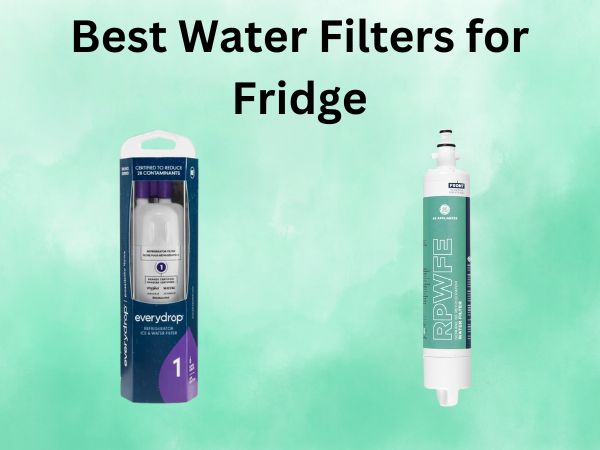
2. Choose Everydrop by Whirlpool Filter 1 (EDR1RXD1) if: you own a Whirlpool, Maytag, Amana, KitchenAid, or Jenn-Air refrigerator and want the only officially approved filter for these brands, need NSF certification for 28 contaminants including lead and pesticides, and desire snap-in installation with crystal-clear ice production—ideal for multi-brand households or those who value manufacturer-backed warranty protection and immediate water quality improvement.
3. Choose Samsung HAF-QIN/EXP Genuine Filter if: you own a Samsung refrigerator with square filter compatibility (like Bespoke models) and want 99% contaminant reduction through ultra-high-grade carbon block technology, need authentication verification to ensure genuine product quality, and require consistent flow rate throughout the entire six-month lifespan—perfect for Samsung Family Hub, Bespoke, and French-door refrigerator owners who won’t compromise on filtration excellence.
No products found.
4. Choose GE RPWFE Refrigerator Water Filter if: you have a GE French-door refrigerator requiring RPWFE filters and want NSF 53 certification for health-effect contaminants like lead and pharmaceuticals, prefer the convenience of subscription delivery for automatic six-month replacements, and need tool-free installation with zero water shutoff required—ideal for busy families with GE Profile or GE Cafe fridges who want set-it-and-forget-it convenience.

5. Choose LG LT1000P Water Filter if: you own an LG refrigerator and need triple NSF certification (42, 53, 401) for the most comprehensive contaminant removal including 99.99% of cysts and pharmaceuticals, want 200-gallon capacity with flexible 3-6 month replacement timing, and require proven performance that significantly improves water quality—perfect for LG French-door, side-by-side, and InstaView refrigerator owners prioritizing family health and safety.

6. Choose Everydrop by Whirlpool Filter 2 (EDR2RXD1) if: you own a Whirlpool, Maytag, Amana, KitchenAid, or Jenn-Air refrigerator requiring Filter 2 compatibility and want NSF certification for 28 contaminants with simple twist installation, need immediate water quality improvement with great-tasting ice, and prefer manufacturer-approved genuine parts—ideal for side-by-side and top-freezer Whirlpool-brand refrigerator owners seeking reliable, hassle-free filtration.

7. Choose LG LT1000P2 (2-Pack) if: you own an LG refrigerator and want full-year coverage with better per-filter value, need the same triple NSF certification and 99.99% cyst removal as the single LT1000P, and prefer having a backup filter ready for timely six-month replacements—perfect for organized households with LG French-door or InstaView refrigerators who value convenience and cost savings through bulk purchasing.

8. Choose Frigidaire EPTWFU01 PureSource Ultra II if: you own a Frigidaire refrigerator and want extruded carbon block filtration that effectively removes chlorine taste and reduces lead, nitrates, and mercury, need push-twist installation that takes seconds, and value WQA sustainability certification—ideal for Frigidaire Gallery, Professional, and standard model owners seeking reliable genuine parts with straightforward maintenance.

9. Choose HMASAV W10295370A Replacement Filter (3-Pack) if: you own a Whirlpool, Maytag, or compatible refrigerator and want significant savings versus name-brand filters while maintaining NSF 42 certification, need advanced coconut shell carbon block filtration with zero-leakage built-in plug design, and want a three-pack value that covers 18 months of replacements—perfect for budget-conscious families who’ve passed their warranty period and want certified quality at affordable prices.

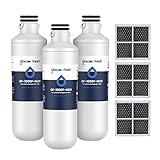
10. Choose Glacier Fresh LT1000PC Replacement (3+3 Bundle) if: you own an LG refrigerator and want the best overall value with both water and air filters included, need NSF-tested 97.9% chlorine removal with premium coconut shell carbon, and want comprehensive refrigerator maintenance in one purchase covering water filtration and odor control—ideal for LG refrigerator owners seeking maximum value and complete filtration coverage for an entire year.
Top 10 Best Water Filters for Fridge Reviews
1. GE XWFE Refrigerator Water Filter
No products found.
The GE XWFE stands as a premium filtration solution specifically designed for select GE French-door refrigerators. This genuine replacement filter features advanced certification to reduce over 50 contaminants including chlorine-resistant cysts, lead, and select pharmaceuticals like ibuprofen and progesterone. Installation requires no tools and takes mere seconds—just twist out the old filter and snap in the new one. The RFID chip ensures proper authentication with your refrigerator’s system, providing peace of mind that you’re using a verified genuine filter. With a six-month or 300-gallon lifespan, it delivers consistent water flow throughout its service life without noticeable decline in pressure or taste quality.
Pros:
- NSF 401 certified to reduce 15+ emerging contaminants
- Reduces pharmaceuticals and lead effectively
- Tool-free installation in seconds
- Compatible with XWF models (replaces older versions)
- Consistent water flow for full six months
- Zero plastic waste compared to bottled water
Cons:
- RFID chip requirement limits third-party options
- Premium pricing at approximately $45 per filter
- Some users report mixed durability experiences
- Exclusive compatibility with select GE models only
2. Everydrop by Whirlpool Filter 1 (EDR1RXD1)
Everydrop Filter 1 represents the only filter officially approved by Whirlpool, Maytag, Amana, KitchenAid, and Jenn-Air brands, making it the go-to choice for multiple appliance manufacturers. This NSF-certified filter tackles 28 different contaminants including lead, pesticides, and pharmaceuticals through its advanced filtration technology. The purple-colored housing makes identification easy during installation, and the snap-in design ensures leak-free operation from the first use. Users consistently praise the immediate improvement in water clarity and taste, with chlorine and metallic flavors completely eliminated. The filter maintains strong water pressure throughout its lifespan, ensuring your morning glass fills quickly even as the filter approaches its six-month replacement window.
Pros:
- Multi-brand approval (Whirlpool, Maytag, KitchenAid, etc.)
- NSF certified for 28 contaminants
- Easy snap-in installation with no tools
- Removes chlorine taste and metallic flavors
- Crystal clear ice production
- Excellent water pressure maintenance
Cons:
- Higher price point than third-party alternatives
- Mixed feedback on overall value
- Some users report taste inconsistencies
- Not the most economical option available
3. Samsung HAF-QIN/EXP Genuine Filter
No products found.
Samsung’s HAF-QIN/EXP filter showcases ultra-high-grade carbon block technology that reduces an impressive 99% of potentially harmful contaminants from your drinking water. Designed exclusively for Samsung refrigerators requiring square filters, this genuine replacement comes with an authentication tag system—simply place the tag over the provided magnet to verify authenticity through appearing green stripes. Installation proves remarkably straightforward with the twist-and-lock mechanism taking under sixty seconds when following proper procedures. The carbon block filtration immediately eliminates that “old fridge taste” that cheaper alternatives often fail to address, delivering consistently clean water throughout its six-month lifespan. Flow rate remains strong from day one through month six, avoiding the gradual slowdown experienced with inferior filters.
Pros:
- 99% contaminant reduction with carbon block technology
- Authentication system ensures genuine product
- Incredibly easy installation (under 60 seconds)
- Eliminates “old fridge taste” effectively
- Consistent flow rate for full six months
- Perfect fit for Bespoke and compatible Samsung fridges
Cons:
- Premium pricing compared to generic options
- Only compatible with square-filter Samsung models
- Mixed reports about leakage in some units
- Not suitable for round-filter refrigerators
4. GE RPWFE Refrigerator Water Filter
The GE RPWFE brings premium filtration capabilities specifically tailored for select GE French-door refrigerator models with its certified ability to reduce chlorine-resistant cysts, lead, pharmaceuticals, and over 50 other impurities lurking in tap water. This NSF/ANSI certified filter provides peace of mind through independent third-party testing verification, ensuring every claim about contaminant reduction holds up under scrutiny. Installation mirrors the XWFE’s simplicity—no tools needed, no water shutoff required, just a simple twist-and-replace procedure that anyone can master on their first attempt. The slim profile fits perfectly inside compatible refrigerators without interfering with shelf space or food storage. Many users appreciate the subscription option for automatic six-month deliveries, eliminating the hassle of remembering replacement dates.
Pros:
- NSF 53 certified for health-effect contaminants
- Reduces pharmaceuticals including ibuprofen
- Tool-free installation with clear instructions
- Subscription option for automatic replacements
- Removes lead, sulfur, and 50+ impurities
- Reliable performance throughout six-month cycle
Cons:
- Some users receive defective units
- Mixed feedback on actual longevity
- Premium pricing for genuine GE parts
- Compatibility limited to specific GE models
5. LG LT1000P Water Filter
LG’s LT1000P filter delivers industry-leading performance through triple NSF certification (NSF 42, 53, and 401), covering aesthetic impurities, health-effect contaminants, and emerging contaminants like pharmaceuticals and insect repellents. This comprehensive certification means the filter removes an impressive 99.99% of cysts, 99% of asbestos, and nearly all mercury, lead, benzene, herbicides, and pesticides that might contaminate your water supply. The 200-gallon capacity provides flexibility, with LG recommending replacement every three to six months depending on usage. Installation takes minutes without special tools, and the filter clicks securely into place with an audible confirmation. Recent packaging updates mean you might receive either classic black or updated white packaging, but both contain the identical genuine OEM filter you trust.
Pros:
- Triple NSF certification (42, 53, 401)
- Removes 99.99% of cysts and 99% of asbestos
- 200-gallon capacity with flexible replacement timing
- Easy installation with audible click confirmation
- Significantly improves water quality
- Tackles pharmaceuticals and pesticides effectively
Cons:
- Mixed taste reviews (some report metallic flavor)
- Premium pricing for genuine LG parts
- Shipping delays reported by some customers
- Value for money opinions divided among users
6. Everydrop by Whirlpool Filter 2 (EDR2RXD1)
Everydrop Filter 2 extends the same multi-brand approval as Filter 1 but with a design suited for different refrigerator configurations across Whirlpool, Maytag, Amana, KitchenAid, and Jenn-Air product lines. NSF certification for 28 contaminants including lead, pesticides, and pharmaceuticals ensures comprehensive water treatment that goes beyond simple taste improvement. The simple twist-to-install mechanism requires no technical knowledge or special tools—just locate the filter housing, twist counterclockwise to remove the old filter, and twist clockwise to secure the new one. Water quality improvement appears immediately, with users noting clearer ice and better-tasting beverages. The filter maintains consistent performance throughout its service life, though some users report variations in actual longevity depending on water quality and usage patterns.
Pros:
- Multi-brand approval for maximum compatibility
- NSF certified for 28 contaminants including lead
- Simple twist installation in seconds
- Immediate water quality improvement
- Great-tasting water and ice
- Removes harmful contaminants effectively
Cons:
- Mixed feedback on actual lifespan (2-6 months)
- Value opinions divided among users
- More expensive than third-party alternatives
- Some report shorter-than-advertised filter life
7. LG LT1000P2 (2-Pack)
The LG LT1000P2 offers the same exceptional filtration technology as the single LT1000P but in a convenient two-pack format that covers an entire year of replacements. This NSF-certified filter combination provides cleaner, fresher, better-tasting water while reducing the same extensive list of contaminants including pesticides, chemicals, detergents, cysts, asbestos, mercury, lead, benzene, herbicides, pharmaceuticals, and insect repellents. The carbon and plastic construction ensures durability without adding unnecessary weight, making handling and installation effortless. Purchasing the two-pack often provides better value per filter compared to buying singles, and having a spare on hand means you’ll never delay replacement when the six-month mark arrives. The filters work seamlessly with compatible LG refrigerators, clicking into place with the same reliable fit and performance you expect from genuine OEM parts.
Pros:
- Two-pack provides full year coverage
- NSF certification for peace of mind
- Removes 99.99% of cysts and extensive contaminant list
- Easy installation and replacement
- Better per-filter value than singles
- Same reliable LG quality in convenient packaging
Cons:
- Mixed taste reviews from some users
- Higher upfront cost for two-pack purchase
- Some report metallic taste issues
- Value opinions remain divided
8. Frigidaire EPTWFU01 PureSource Ultra II
Frigidaire’s PureSource Ultra II employs extruded carbon block filter media to deliver fresh-tasting water while removing chlorine taste and reducing impurities like lead, nitrates, and mercury commonly found in tap water. The push-and-twist installation system simplifies replacement—remove the old filter by turning 90 degrees counterclockwise, then slide the new filter in with the grip oriented horizontally, push firmly, and rotate 90 degrees clockwise until you hear the satisfying click indicating proper installation. This white cartridge filter fits perfectly in compatible Frigidaire refrigerators without leaks or gaps. One unique consideration: the refrigerator reminder light doesn’t reset automatically, requiring you to press and hold the Water Filter button for three seconds until the display changes from red to green, confirming the successful reset.
Pros:
- Extruded carbon block for superior filtration
- Removes chlorine taste effectively
- Reduces lead, nitrates, and mercury
- Push-twist installation takes seconds
- WQA certified for sustainability (S 803)
- Perfect fit in compatible Frigidaire models
Cons:
- Manual reminder light reset required
- Mixed taste feedback from users
- Value for money opinions divided
- Some report expensive replacement costs
9. HMASAV W10295370A Replacement Filter (3-Pack)
The HMASAV W10295370A represents an affordable third-party alternative compatible with Whirlpool EDR1RXD1 and Everydrop Filter 1 models, offering significant savings without sacrificing filtration quality. This three-pack utilizes advanced activated coconut carbon block sourced from Sri Lanka, providing natural and effective contaminant removal through NSF 42 certification. The food-grade materials ensure safety while the built-in plug design eliminates leak risks during installation—no special tools required, just insert the water line into the built-in connections. Users report comparable performance to name-brand filters at a fraction of the cost, with good water quality and no particulate matter appearing in their glasses. The included monthly reminder stickers help track installation dates, ensuring timely six-month replacements to maintain optimal filtration efficiency.
Pros:
- Three-pack offers exceptional value
- NSF 42 certified with coconut shell carbon
- Significant savings vs. name-brand alternatives
- Easy tool-free installation
- Zero leakage with built-in plug design
- Monthly reminder stickers included
Cons:
- Mixed reports on water quality consistency
- Some users experience leakage issues
- Lighter weight than original filters
- Requires 4-gallon flush for optimal performance
10. Glacier Fresh LT1000PC Replacement (3+3 Bundle)
Glacier Fresh delivers outstanding value with their 3+3 bundle package combining three water filters and three fresh air filters for comprehensive refrigerator maintenance. The LT1000PC water filter achieves NSF 42 certification through independent laboratory testing, verifying 97.9% chlorine removal for improved smell and taste. Premium coconut shell carbon blocks minimize contaminants while providing a 200-gallon or six-month service life per filter. The included LT120F air filters (compatible with ADQ73334008 and related models) help maintain fresh air inside your refrigerator by removing odors and keeping food tasting fresh. Installation proves straightforward for both filter types, with the water filter fitting perfectly in compatible LG refrigerators without modifications. This bundle approach means you’re covered for water and air filtration needs in one convenient purchase.
Pros:
- 3+3 bundle (water + air filters) for complete coverage
- NSF tested and verified performance
- 97.9% chlorine removal rate
- Excellent value for money
- Perfect fit in LG refrigerators
- Premium coconut shell carbon construction
Cons:
- Mixed taste feedback (some report metallic flavor)
- Conflicting reports on fit and leakage
- Third-party product without manufacturer approval
- Some users experience water spills
Buying Guide: What to Consider
Choosing the right water filter involves more than just picking the cheapest option or the first one that claims compatibility. Let’s break down the key factors you need to consider to make a smart purchase that serves your family well.
First, check your refrigerator model number. This isn’t optional—it’s essential. Your fridge’s user manual or the sticker inside the refrigerator door will list the compatible filter numbers. Buying the wrong filter, even if it looks similar, can lead to leaks, poor filtration, or even damage to your refrigerator’s water system. Take five minutes to verify compatibility before hitting that purchase button.
Budget matters, but so does quality. Yes, genuine manufacturer filters cost more—sometimes significantly more—than third-party alternatives. But here’s the thing: they come with guarantees, proper fit assurance, and certifications you can trust. That said, some third-party filters perform admirably and hold legitimate NSF certifications. The key is doing your homework: read reviews, verify certifications, and understand what you’re getting for your money.
Consider your household’s water consumption. If you’re a family of five drinking multiple gallons daily, your filter will reach its capacity limit faster than a single-person household. Most filters list both time-based (six months) and capacity-based (200-300 gallons) replacement guidelines—replace whichever comes first. Pushing a filter beyond its capacity means you’re essentially drinking unfiltered water while thinking you’re protected.
Filter Certification Standards
Not all certifications are created equal, and understanding what those NSF numbers mean can help you make an informed decision. Let’s demystify these standards so you know exactly what you’re getting.
NSF 42 focuses on aesthetic impurities—things that affect taste, odor, and clarity but aren’t necessarily health hazards. This includes chlorine taste and smell, which is what gives tap water that “swimming pool” flavor. If your main concern is improving taste and removing cloudiness, NSF 42 certification handles that.
NSF 53 tackles health-effect contaminants—the serious stuff like lead, mercury, cryptosporidium, and other substances that can actually harm you over time. This certification means the filter has been independently tested and verified to reduce these dangerous contaminants to safe levels. If you live in an older home or area with questionable water quality, NSF 53 is non-negotiable.
NSF 401 is the newest standard, addressing emerging contaminants including prescription medications, over-the-counter drugs, and other compounds that weren’t originally considered water pollutants. Think ibuprofen, hormones, and pesticides. As our water testing becomes more sophisticated, we’re discovering more trace contaminants—NSF 401 certified filters tackle these modern concerns.
Compatibility Matters
Here’s a frustrating truth: refrigerator manufacturers increasingly design filters that only work with their specific brand. It’s not just about proprietary sizing—many modern fridges use RFID chips or electronic authentication to verify you’re using the “approved” filter. Try to use a non-approved filter, and your fridge might refuse to dispense water or constantly flash a filter error message.
For GE refrigerators, you’ll typically need XWFE or RPWFE filters depending on your model. These contain RFID chips that communicate with your fridge. Yes, this limits your options, but it also ensures proper fit and filtration performance.
Whirlpool, Maytag, KitchenAid, Amana, and Jenn-Air refrigerators use Everydrop filters (Filter 1 or Filter 2). The good news? These brands share compatible filters, giving you slightly more flexibility. Third-party options exist, but Whirlpool warns that damage caused by non-genuine filters voids your warranty.
Samsung and LG take authentication seriously. Samsung includes a physical authentication tag with their filters—no green stripes appear when you test it, you’ve got a counterfeit. LG emphasizes using genuine filters to avoid potential flooding and damage not covered under warranty.
The bottom line? Check your current filter number before shopping. The model number is usually printed right on the filter itself. Match it exactly, or risk compatibility headaches.
Replacement Frequency
Most manufacturers recommend replacing your filter every six months or after filtering 200-300 gallons, whichever comes first. But is that just a ploy to sell more filters, or is there real science behind it?
The truth is, filters have a finite capacity. As activated carbon and filter media trap contaminants, they gradually become saturated. Once saturated, they can’t effectively remove additional impurities—meaning you’re drinking increasingly unfiltered water. Worse, a clogged filter can harbor bacteria growth, potentially making your water less safe than unfiltered tap water.
Signs your filter needs replacement:
- Decreased water flow or pressure
- Water tastes “off” or has odors returning
- Cloudy ice or water
- Filter indicator light (if your fridge has one)
- Six months have passed since installation
Some users report their filters lasting longer than six months without noticeable issues. While that might be true for low-usage households with good municipal water quality, it’s risky. The contaminants you can’t taste—like lead or pharmaceuticals—are still there, just invisible. Don’t gamble with your family’s health to save forty bucks.
Installation Tips and Maintenance
Installing a new refrigerator water filter shouldn’t require an engineering degree, and thankfully, most modern filters make the process foolproof. Here’s how to nail it every time.
Before installation, turn off your ice maker. This prevents the system from trying to make ice while you’re swapping filters, which can cause air bubbles or pressure issues. Most ice makers have a simple on/off switch or arm you can lift.
When removing the old filter, expect some water spillage. Keep a towel handy and pull the filter straight out (for slide-out types) or turn counterclockwise 90 degrees (for twist types). Some water drainage is normal—your filter housing contains water, and it has to go somewhere.
Installing the new filter is basically the reverse process. For twist-lock filters, align the grooves, push in firmly, and rotate 90 degrees clockwise until you feel or hear it click into place. For slide-in filters, push straight back until it seats fully and locks.
Critical step everyone forgets: flush the system. Run water through your dispenser for at least four gallons (that’s about 15-20 minutes of continuous flow). This removes carbon fines—fine black particles from the manufacturing process—and trapped air. Your first few glasses might look cloudy or contain tiny black specks. That’s normal. Keep flushing until water runs completely clear.
Reset your filter indicator light if your refrigerator has one. This usually involves pressing and holding the “Filter Reset” or “Water Filter” button for 3-5 seconds until the light changes color or turns off. Check your owner’s manual for the exact procedure—it varies by brand and model.
Mark your calendar or set a phone reminder for six months from installation. Better yet, write the installation date directly on the filter with a permanent marker. Many third-party filters include helpful date stickers for this purpose.
Genuine vs. Third-Party Filters
This is the million-dollar question that divides refrigerator owners into passionate camps. Should you pay premium prices for manufacturer-branded filters, or save money with third-party alternatives? Let’s examine both sides honestly.
The case for genuine filters comes down to peace of mind and warranty protection. Manufacturer filters are specifically engineered for your refrigerator model, ensuring proper fit, flow rate, and filtration performance. They undergo rigorous testing and hold legitimate NSF certifications you can verify. Most importantly, using non-genuine filters can void your refrigerator’s warranty—if your water system fails and you’ve been using off-brand filters, you might be paying for repairs out of pocket.
Genuine filters also include features like RFID chips for authentication, ensuring your fridge recognizes the filter and doesn’t throw error codes. You’re essentially buying guaranteed compatibility and performance without the guesswork.
The case for third-party filters centers on value and performance that often matches genuine products at half the price. Many third-party manufacturers hold legitimate NSF certifications verified by independent testing labs. These filters use similar or identical carbon block technology and can deliver comparable contaminant reduction.
The savings add up quickly: if a genuine filter costs $50 and a certified third-party option costs $25, you’re saving $50 annually on replacements. Over a refrigerator’s 10-15 year lifespan, that’s $500-750 in savings—substantial money that could go toward other household needs.
The smart approach? If your refrigerator is under warranty, stick with genuine filters—it’s not worth risking warranty coverage to save $30. Once the warranty expires, consider trying a reputable third-party brand that holds proper NSF certifications. Read reviews carefully, verify certifications (don’t just trust marketing claims), and monitor your water quality closely for the first few weeks.
Red flags for sketchy third-party filters:
- No NSF certification or vague “NSF-style” claims
- Suspiciously cheap prices (under $15 per filter)
- No clear manufacturer information
- Dozens of negative reviews about leaking or poor fit
- Claims to be “universal” for multiple incompatible brands
Quality third-party filters exist and perform admirably. The key is distinguishing between legitimate manufacturers and cheap knock-offs trying to cash in on your need for a replacement.
FAQs
Q1: How often should I really replace my refrigerator water filter?
Replace your filter every six months or after filtering 200-300 gallons, whichever comes first. Even if your water still tastes fine, filters lose effectiveness over time as carbon becomes saturated with trapped contaminants. The harmful substances you can’t taste—like lead and pharmaceuticals—are still present in unfiltered or poorly filtered water. If you notice decreased water flow, unusual tastes, or cloudy ice, replace it immediately regardless of time elapsed.
Q2: Can I use third-party filters without voiding my refrigerator warranty?
Generally, using third-party filters during your warranty period risks voiding coverage for water system-related issues. Manufacturers explicitly state that damage caused by non-genuine filters isn’t covered. However, once your warranty expires, you’re free to explore certified third-party alternatives. Always verify NSF certification and read reviews carefully to ensure quality and proper fit.
Q3: Why is my water cloudy or has black specks after installing a new filter?
This is completely normal and temporary. The cloudiness comes from trapped air being released from the new filter, while tiny black specks are carbon fines from the manufacturing process. Flush your system by running 4-5 gallons of water through the dispenser (about 15-20 minutes of continuous flow). The water should run completely clear after this initial flush—if it doesn’t, continue flushing until it does.
Q4: Do expensive filters really work better than budget options?
Not necessarily. The key factor isn’t price—it’s certification. An NSF-certified budget filter can perform just as well as a premium genuine filter in terms of contaminant reduction. However, genuine filters typically offer better fit assurance, warranty protection, and compatibility features like RFID authentication. Compare NSF certifications, read verified customer reviews, and assess your specific needs rather than judging solely by price.
Q5: What’s the difference between NSF 42, NSF 53, and NSF 401 certifications?
NSF 42 addresses aesthetic issues like taste, odor, and clarity by removing chlorine and similar compounds. NSF 53 tackles health-effect contaminants including lead, mercury, and cysts that can cause actual harm. NSF 401 covers emerging contaminants like pharmaceuticals, pesticides, and hormones recently discovered in water supplies. The most comprehensive filters hold all three certifications, providing complete protection against both aesthetic issues and health hazards.