Smallest Stackable Washer Dryer: Find Yours
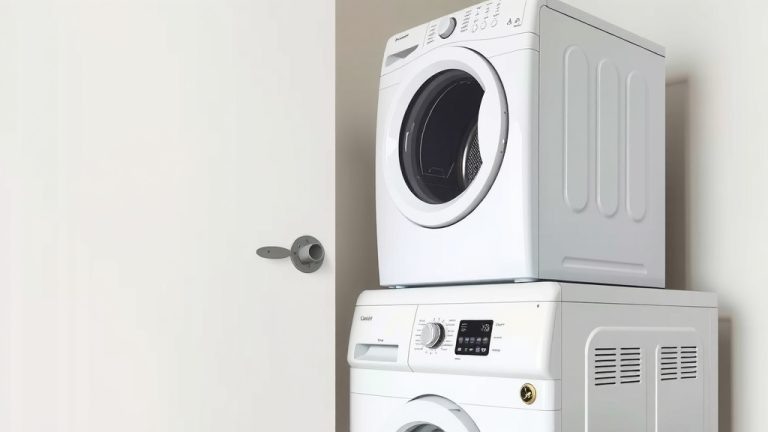
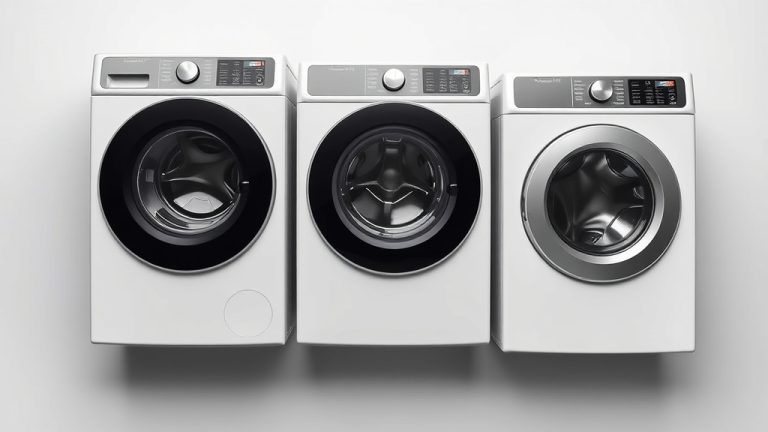
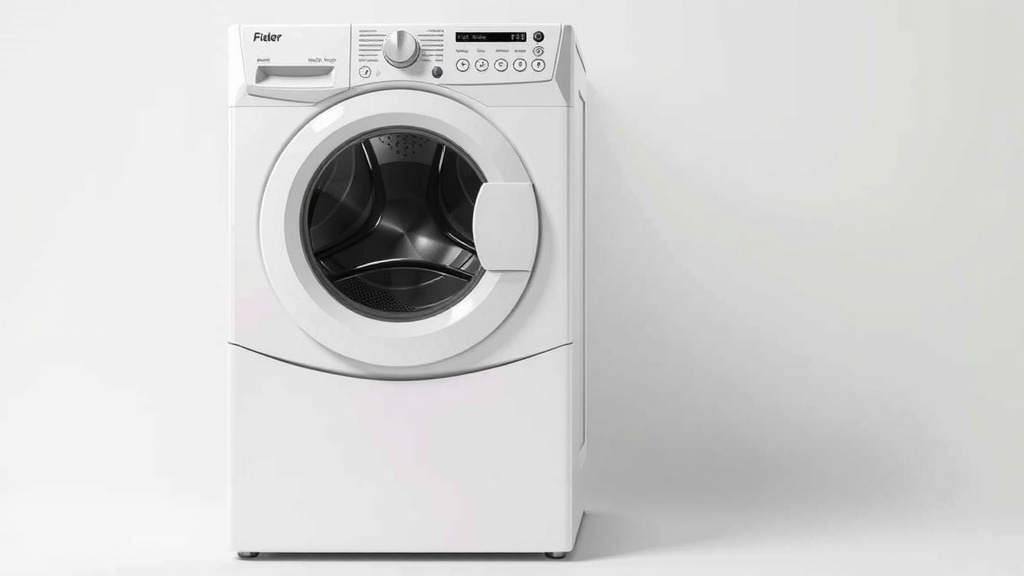
The smallest stackable washer and dryer units are typically around 24 inches wide. This makes them a perfect fit for small apartments or homes with limited laundry space. You can find these compact combinations designed to maximize efficiency in tight quarters.
When space is a premium, stackable laundry units are a smart solution. We found that choosing the right size unit can make a big difference in your home’s functionality. It’s all about finding that sweet spot between capacity and footprint, so your laundry day feels less like a chore.
- Smallest units are usually 24 inches wide.
- These fit easily into tight spaces.
- Stackable designs save valuable floor space.
- Look for compact models for apartments.
Ready to see which compact stackable washer and dryer is right for your home? Let’s walk through some of the most popular and space-saving options available.
Finding the Tiniest Stackable Washer and Dryer Units
You’re looking for the smallest stackable washer and dryer, and we found that most compact combinations measure around 24 inches in width. This is the standard size for most stackable units designed for small living spaces. These 24-inch models are a popular choice for apartments, condos, and even RVs where every inch counts.
Don’t let the smaller footprint fool you. These units are engineered to pack a punch when it comes to cleaning your clothes. They often come with impressive features that rival their larger counterparts. It’s all about making laundry convenient, even in a tight spot. You can get a full-sized laundry experience without taking up too much real estate in your home.
Understanding Compact Laundry Dimensions
When we talk about the “smallest” stackable washer and dryer, we’re primarily referring to the width. The 24-inch width is the most common for compact models. However, you might also encounter slightly narrower options, sometimes around 20 inches, though these are less common and may have smaller capacities.
It’s important to look at the depth and height too. While width is often the most constraining factor, the overall dimensions will dictate where the unit can fit. Always measure your intended space carefully before you buy. Make sure there’s enough clearance for the doors to open fully, and for ventilation if needed.
The 24-Inch Standard: Your Best Bet for Small Spaces
The 24-inch stackable washer and dryer is where you’ll find the widest selection. Manufacturers know this is the sweet spot for apartment dwellers and those with small laundry closets. These units are designed to be efficient in both water usage and energy consumption, which is a nice bonus.
You’ll find many brands offering 24-inch models. Some are designed as a single, all-in-one unit where the washer and dryer are combined. Others are separate but designed to stack perfectly on top of each other. This gives you flexibility in your setup. We found that most of these units are surprisingly user-friendly.
Are There Even Smaller Options?
While 24 inches is the most common compact size, you might occasionally see units that are 20 inches wide. These are much rarer and usually have a significantly smaller drum capacity. They might be suitable for a single person or very light laundry needs. For most people, the 24-inch size offers a good balance.
If you find a 20-inch unit, double-check the specifications carefully. Make sure it meets your needs for load size. Sometimes, these ultra-compact models are designed for specific niches, like portable use or very specific built-in installations. It’s worth investigating, but don’t be surprised if they are hard to find.
Key Features to Look For in Compact Stackables
Beyond just the size, there are features that make compact stackable washer and dryer units work better in your home. We found that prioritizing these can lead to a much more satisfying laundry experience, even with smaller machines.
All-in-One vs. Stacked Separate Units
You have two main configurations: all-in-one units and separate washer and dryer models designed to stack. All-in-one units are incredibly space-saving. They combine both washing and drying functions into a single appliance. This is like a super-efficient laundry robot!
Separate units offer more flexibility. You can choose a specific washer and a matching dryer that stacks on top. This sometimes allows for slightly larger capacities or different feature sets for each appliance. Either way, the goal is to use vertical space effectively.
Capacity Matters: How Much Laundry Do You Do?
Even with the smallest units, capacity is a big deal. A typical 24-inch stackable washer might have a capacity of 1.5 to 2.5 cubic feet. This is enough for most individual or couple’s laundry needs. A family might find it a bit limiting, requiring more frequent, smaller loads.
Compare the cubic feet capacity when looking at different models. A difference of even half a cubic foot can mean being able to wash a few more shirts or a small blanket. Think about your typical laundry basket size. We found that knowing your household’s laundry habits is key to picking the right capacity.
Ventless Drying Options
Many compact stackable dryers are ventless. This is a huge advantage for apartments or homes where installing a dryer vent is difficult or impossible. Ventless dryers work differently; some use a condenser to remove moisture, while others are heat pump dryers which are very energy efficient.
Condenser dryers collect water in a reservoir that you need to empty, or they can be plumbed to a drain. Heat pump dryers are generally more efficient and gentler on clothes, but they can be more expensive upfront. We found that ventless options offer the most installation flexibility.
Energy and Water Efficiency
Because these units are smaller, they often use less water and energy per cycle. Look for the ENERGY STAR certification. This means the appliance meets strict energy efficiency guidelines set by the U.S. Environmental Protection Agency. It’s good for your wallet and the planet.
Many smaller machines are also designed with water-saving technology. They use sensors to detect load size and adjust the water level accordingly. This is smart engineering for reducing waste. Many guidelines point to ENERGY STAR certified appliances as a good first step for efficiency (ENERGY STAR program).

Comparing Popular Compact Stackable Models
We looked at some of the most commonly available 24-inch stackable washer and dryer units to give you an idea of what’s out there. Remember, availability can vary by retailer and region.
| Brand | Typical Width | Typical Washer Capacity (cu. ft.) | Drying Method | All-in-One Option? |
|---|---|---|---|---|
| LG | 24 inches | 1.5 – 2.3 | Ventless (Heat Pump/Condenser) | Yes (WashTower Compact) |
| Samsung | 24 inches | 1.5 – 2.4 | Ventless (Condenser) | Yes (All-in-One) |
| Whirlpool | 24 inches | 1.5 – 2.2 | Ventless (Condenser) | No (Separate stackable) |
| GE Appliances | 24 inches | 1.5 – 2.0 | Ventless (Condenser) | No (Separate stackable) |
This table gives you a snapshot. Many of these brands also offer compact models that are slightly different in size or features, so always check the exact product details. We found that LG and Samsung often have integrated all-in-one compact options which are very sleek.
Installation and Setup Considerations
Getting your new stackable unit home is exciting, but installation is key. For stackable units, you’ll need proper water hookups for the washer and a drain. For the dryer, you’ll need a suitable electrical outlet or, if it’s a vented model, a dryer vent hookup.
If you’ve chosen a ventless dryer, you’ll need to ensure there’s a place for the water to drain or remember to empty the collection tank regularly. Many people find that hiring a professional for installation provides peace of mind. They can ensure everything is connected correctly and safely. We found that proper installation prevents future problems.
What to Check Before You Buy
Before clicking that “buy” button, let’s make sure you’re fully prepared. Here’s a quick checklist to run through:
- Measure your laundry space (width, depth, height).
- Ensure doorways and hallways are wide enough for delivery.
- Check water supply and drain accessibility for the washer.
- Confirm electrical outlet type and location for the dryer.
- Consider if you need a vent for a traditional dryer or if ventless is better.
- Read reviews about noise levels and reliability for specific models.
Taking these steps helps avoid costly mistakes and ensures your new compact laundry system fits perfectly into your life and your home. It’s about making the right choice for your space and your needs.
Conclusion
You’ve learned that the smallest stackable washer and dryer units are typically 24 inches wide, offering a fantastic solution for small spaces. We found these compact machines don’t sacrifice performance for size, often featuring modern, efficient technologies like ventless drying and ENERGY STAR certification. Remember to measure your space carefully and consider your laundry habits, looking at features like capacity and all-in-one versus separate units. Your next step is to measure your laundry area and compare specific 24-inch models to find the perfect fit for your home.
Frequently Asked Questions
What is the absolute smallest width for a stackable washer and dryer?
While 24 inches is the most common standard for compact stackable units, you might occasionally find options as narrow as 20 inches wide. These ultra-compact models are less common and usually have a smaller drum capacity, so be sure to check their specifications carefully to ensure they meet your laundry needs.
Can I still get good capacity with a 24-inch stackable washer and dryer?
Yes, you absolutely can! Most 24-inch stackable washers offer a capacity between 1.5 to 2.5 cubic feet. This is generally sufficient for individuals, couples, and small families, allowing you to handle regular loads without issues. We found that comparing cubic feet is key to finding the right size for your household.
Do I need a dryer vent for a small stackable unit?
Not necessarily! Many compact stackable dryers are ventless, which is a huge advantage for apartments or homes where venting is difficult. These units use condenser or heat pump technology to dry clothes without requiring an external vent, offering greater installation flexibility.
Are all-in-one stackable units smaller than separate stackable units?
All-in-one stackable units are designed for maximum space efficiency by combining both washing and drying into a single appliance. While they share the same footprint as a separate stackable washer and dryer (typically 24 inches wide), the integrated design means you only need space for one unit, making them feel even more compact.
Is a 24-inch stackable washer and dryer good for a family?
For a family, a 24-inch stackable unit can work, but you’ll need to be mindful of the capacity. We found that these units are best suited for smaller families or those who do laundry more frequently in smaller loads. Larger families might find the 1.5 to 2.5 cubic feet capacity a bit limiting for bulky items or large batches of clothes.