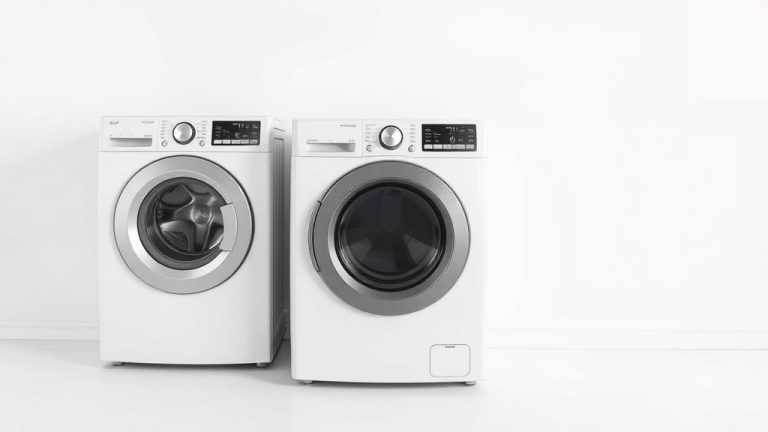
Front Load vs HE Top Load Washers: Which Is Best For You
When choosing between a front load vs. HE top load washer, there isn’t a single “best” option. Front loaders generally offer superior cleaning performance and better water efficiency. High-efficiency (HE) top loaders provide a faster wash cycle and are often more budget-friendly upfront.
Your laundry habits and preferences will ultimately decide which type is right for your home. We found that front loaders tend to be gentler on clothes, reducing wear and tear. HE top loaders can sometimes be less efficient with water usage compared to their front-loading counterparts.
- Front Loaders: Better cleaning, use less water, gentler on clothes.
- HE Top Loaders: Faster cycles, often cheaper to buy, can use more water than front loaders.
- Consider your budget, space, and how much time you spend doing laundry.
- Both types use less water and energy than older, traditional machines.
Let’s break down the pros and cons of each so you can make the best choice for your laundry room.
Comparing High-Efficiency Washers: Top Loaders vs. Front Loaders
Choosing the right washing machine can feel overwhelming. You’re trying to balance clean clothes, saving money, and not spending all day doing laundry. We’ve researched the main contenders to help you decide.
Let’s dive into the differences between front-load and HE (High-Efficiency) top-load washers. Both are designed to be more eco-friendly than older models. They use less water and energy. But they get there in different ways, offering distinct advantages.
Front Load Washers: The Deep Cleaners
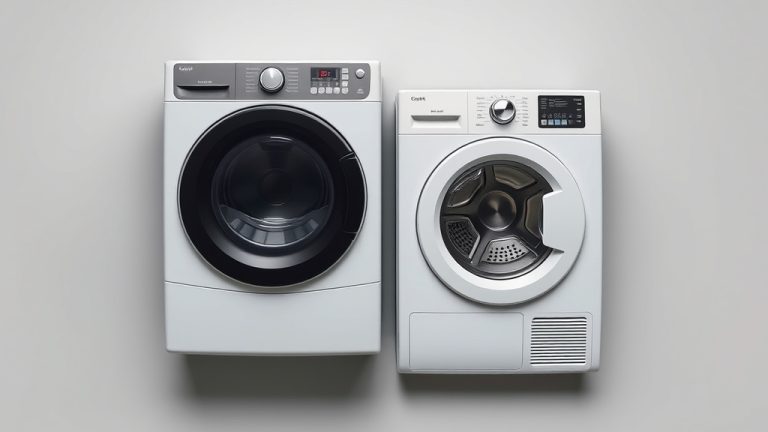
Front-load washers have a door on the front. You load clothes into a drum that tumbles them. Think of it like a dryer, but with water and detergent. They often have a sleek, modern look.
How They Work and Why They’re Great
Front loaders clean clothes by tumbling them through a small amount of water. The clothes fall onto each other, creating friction. This action helps lift dirt and stains effectively. This method is often considered gentler on fabrics. Less agitation means less wear and tear on your favorite outfits.
Research suggests front loaders excel at stain removal. They use less water per load. This can lead to lower utility bills over time. Many models also spin at very high speeds. This extracts more water from clothes. That means shorter drying times, saving you even more energy.
Things to Consider with Front Loaders
One common concern is the bending over to load and unload. This can be tough on your back. However, many people solve this by placing their front loader on a pedestal. This raises the machine to a more comfortable height.
Front loaders also tend to have longer wash cycles. Some cycles can last well over an hour. If you’re always in a rush, this might be a drawback. The initial purchase price can also be higher compared to some top-load models. And, you’ll need to remember to leave the door ajar between washes. This prevents mold and mildew buildup in the door seal. It’s a small habit that makes a big difference.
HE Top Load Washers: The Speedy Spenders
HE top-load washers have a lid on top. You load clothes into a tub from above. Most HE top-loaders use an impeller. This is a low-profile cone or disc at the bottom of the tub. It helps move clothes around in the water.
How They Operate and Their Advantages
These machines use an impeller to move clothes. They create a washing action by circulating water and clothes. HE top-loaders generally use less water than traditional top-loaders. But they typically use more water than front-loaders. This is because the impeller needs some water to move clothes effectively.
The biggest draw for many is the faster wash cycle. You can often get a load done in 30-40 minutes. This is a huge time-saver if you have a large family or do laundry frequently. Many find the ease of loading appealing too. No bending required!
Points to Watch Out For with HE Top Loaders
While faster, the cleaning performance can sometimes be a mixed bag. Some studies show they might not clean as deeply as front loaders. Clothes can also get tangled around the impeller. This can lead to more wear and tear than on a front loader. Some users report that certain items might not get as clean as they’d like. This is especially true for heavily soiled items.
Water usage, while better than old machines, is still a point of comparison. They generally use more water than front-load machines. This means your water bill might be slightly higher. The capacity can also be an issue. Sometimes, bulky items like comforters don’t wash as well. They might not get fully submerged in the low water level.
Key Differences at a Glance
Let’s break down the core differences in a way that’s easy to digest. We found these points to be the most important for most shoppers.
| Feature | Front Load Washer | HE Top Load Washer |
|---|---|---|
| Cleaning Performance | Generally superior; better stain removal. | Good for everyday loads; may struggle with heavy stains. |
| Water Usage | Very efficient; uses the least water. | More efficient than traditional; less than front load. |
| Energy Usage | Efficient; shorter drying times due to high spin. | Efficient; spin speeds may be lower. |
| Gentleness on Clothes | Very gentle; less tangling and wear. | Can be harder on clothes due to impeller action. |
| Cycle Time | Longer cycles (60+ minutes). | Faster cycles (30-40 minutes). |
| Ergonomics | Requires bending; pedestals recommended. | Easy loading; no bending needed. |
| Initial Cost | Often higher. | Often lower. |
| Maintenance | Requires door seal cleaning for mold prevention. | Generally low maintenance. |
Making the Final Choice for Your Home
When you’re standing in the appliance aisle, think about your laundry habits. How much time do you have each week? Are you dealing with tough stains often? What’s your budget like? These questions will guide you toward the right machine for your needs.
Your Laundry Room Checklist
Before you make a final decision, ask yourself these quick questions:
- Do you want the best possible clean for tough stains?
- Is saving water and energy a top priority?
- Do you often find yourself short on time for laundry?
- Do you have any back or mobility issues that make bending difficult?
- What is your initial budget for a new washer?
- Do you prefer simple operation or are you willing to learn new features?
By considering these points, you can narrow down your options and confidently choose the washer that will serve your household best.
Conclusion
Deciding between a front load and an HE top load washer comes down to your priorities. Front loaders offer exceptional cleaning power and water efficiency, making them great for tough stains and lower utility bills. HE top loaders shine with their speed and ease of use, fitting easily into busy households. Consider your budget, laundry habits, and any physical needs. By weighing these factors, you can confidently choose the washer that best suits your home and lifestyle.
Frequently Asked Questions
Which type of washer is better for people with back problems?
HE top load washers are generally better for people with back problems. You don’t need to bend over to load or unload them. Front load washers require bending, but many people solve this by placing them on a pedestal. This raises the machine to a more comfortable height.
Can front load washers cause mold or mildew?
Yes, front load washers can develop mold or mildew if not properly maintained. This is usually due to moisture trapped in the door’s rubber seal. To prevent this, it’s recommended to leave the door slightly ajar between washes. Wiping down the seal regularly also helps.
Which type of washer is more energy-efficient?
Front load washers tend to be more energy-efficient overall. They use less water, which means your water heater uses less energy. Also, their high spin speeds extract more water from clothes, leading to shorter drying times. This saves energy on your dryer.
Are HE top load washers really faster?
Yes, HE top load washers typically have much faster wash cycles than front loaders. You can often complete a load in 30-40 minutes. Front load washer cycles can frequently run for an hour or more. This speed is a major advantage for busy households.
Which washer type is typically less expensive to buy?
HE top load washers are often less expensive to purchase upfront compared to front load washers. While front loaders may have a higher initial cost, their long-term savings on water and energy can offset this over time. Your budget will be a key factor in this decision.