Vented Electric Dryer Explained: How It Works
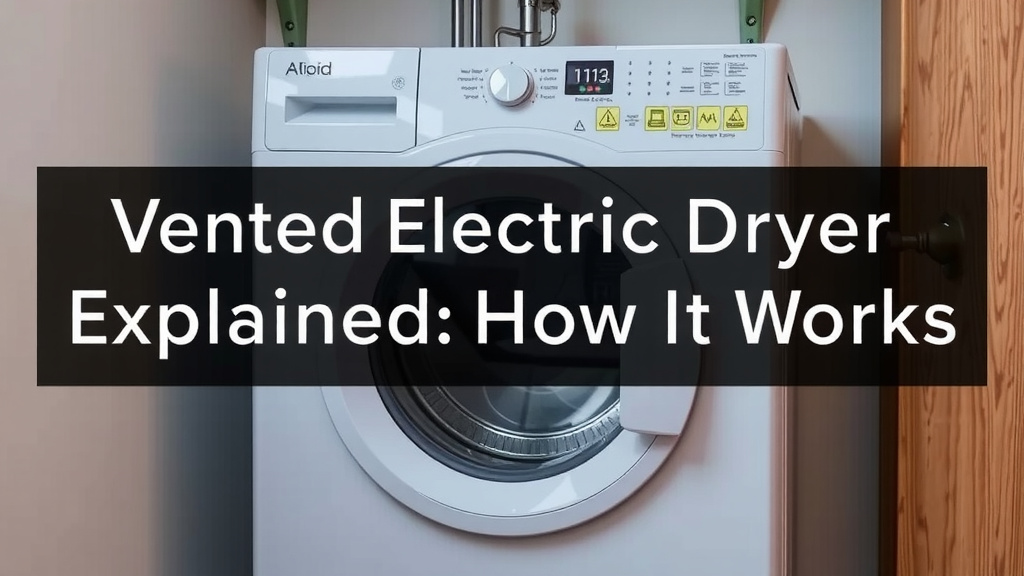
A vented electric dryer is a common type of home appliance that uses electricity to heat air and a fan to blow that hot air through your wet clothes. This process removes moisture from the fabric. It requires a special vent to safely push the hot, moist air outside your home.
Unlike ventless models, vented dryers need a direct pathway to the outdoors. This vent is essential for releasing humidity and preventing potential fire hazards. Understanding this setup is key for efficient and safe laundry room operation.
- Vented electric dryers heat air with electricity.
- They use a fan to blow hot air onto clothes.
- A vent is necessary to expel moist air outside.
- This type is common and effective for drying.
Let’s dive into what makes a vented electric dryer tick and why that vent is so important for your home.
Understanding Your Vented Electric Dryer
So, you’re wondering what makes a vented electric dryer different? It’s a common appliance that gets the job done. Your vented electric dryer uses electricity to create heat. A fan then blows this hot air over your damp clothes. This process evaporates the water. The moist air needs to go somewhere. That’s where the vent comes in.
How Vented Electric Dryers Work
Think of your vented electric dryer as a system. Electricity powers a heating element. This element heats up the air. Simultaneously, a fan starts spinning. It pulls this heated air into the drum. Your clothes tumble around in this warm, dry air. The warm air absorbs moisture from the fabric. This cycle continues until your clothes are dry.
The Heating Process
The “electric” part means it uses electrical power for heat. Unlike gas dryers that burn natural gas, electric models rely on coils. These coils get hot when electricity passes through them. This is a safe and consistent way to generate heat for drying.
The Role of the Fan
The fan is a critical component. It’s not just about tumbling clothes. It actively circulates the hot air. This airflow is what carries away the moisture. Without a strong fan, the hot air would just sit there. It wouldn’t effectively dry your laundry. It’s like trying to dry yourself with a damp towel; not very effective!
Moisture Removal Explained
As the hot air passes over your wet clothes, it picks up water vapor. This creates humid air. The dryer’s design directs this humid air towards the exhaust vent. The vent’s purpose is to expel this moist air outside your home. This prevents humidity buildup indoors.
The Importance of the Vent
This is the key feature that defines a vented dryer. That external vent is not optional. It’s essential for the dryer to function correctly and safely. It’s the exhaust pipe for your laundry room.
Why Venting is Necessary
Imagine a tiny sauna in your laundry room. That’s essentially what a dryer without a vent would create. The moist air has to go somewhere. If it stays inside, it can lead to several problems. These include mold growth and increased humidity levels. High humidity can damage your walls and belongings over time (Environmental Protection Agency).
Safety Concerns: Fire Hazards
Lint is a natural byproduct of drying clothes. It’s those fluffy bits you find in your lint trap. However, lint can also build up inside the dryer vent hose. This buildup is highly flammable. An improperly vented dryer or a clogged vent is a leading cause of house fires involving clothes dryers (U.S. Fire Administration). Ensuring your vent is clear is a vital safety step.
Lint Trap Maintenance
You know that little screen where you collect lint after every load? That’s your first line of defense. Always clean your lint trap. Research shows that cleaning it regularly is the single most important thing you can do to prevent dryer fires. This simple act improves drying efficiency too.
Vent Hose Checks
Beyond the lint trap, you need to check the vent hose itself. This is the flexible or rigid tube connecting your dryer to the outside wall. Make sure it’s not kinked, crushed, or disconnected. We recommend inspecting it at least once a year. Look for any signs of wear or tear. A damaged hose can leak lint or obstruct airflow.
External Vent Installation
Vented dryers require a dedicated vent to the outside. This usually means drilling a hole through an exterior wall or window. The vent pipe should be properly sealed. It should also have a cap or cover on the outside to keep pests and weather out. Proper installation ensures efficient drying and maximum safety.
Vented vs. Ventless Dryers: A Quick Comparison
You might be wondering how this compares to a ventless dryer. It’s a fair question! The main difference is the venting requirement. Vented models need that external duct. Ventless models do not.
| Feature | Vented Electric Dryer | Ventless Electric Dryer |
|---|---|---|
| Drying Method | Heats air, blows it through clothes, vents moisture outside. | Uses a condenser or heat pump to remove moisture internally. |
| Installation | Requires an external vent to the outdoors. | No external vent needed; plugs into a standard outlet. |
| Drying Time | Generally faster drying times. | Can take longer to dry clothes. |
| Energy Efficiency | Typically uses more energy. | Often more energy-efficient, especially heat pump models. |
| Moisture Release | Releases heat and moisture outdoors. | Releases some heat into the room; moisture is condensed or recycled. |
As you can see, each type has its own advantages. A vented model is often preferred for its speed and effectiveness, provided you can install the necessary vent.
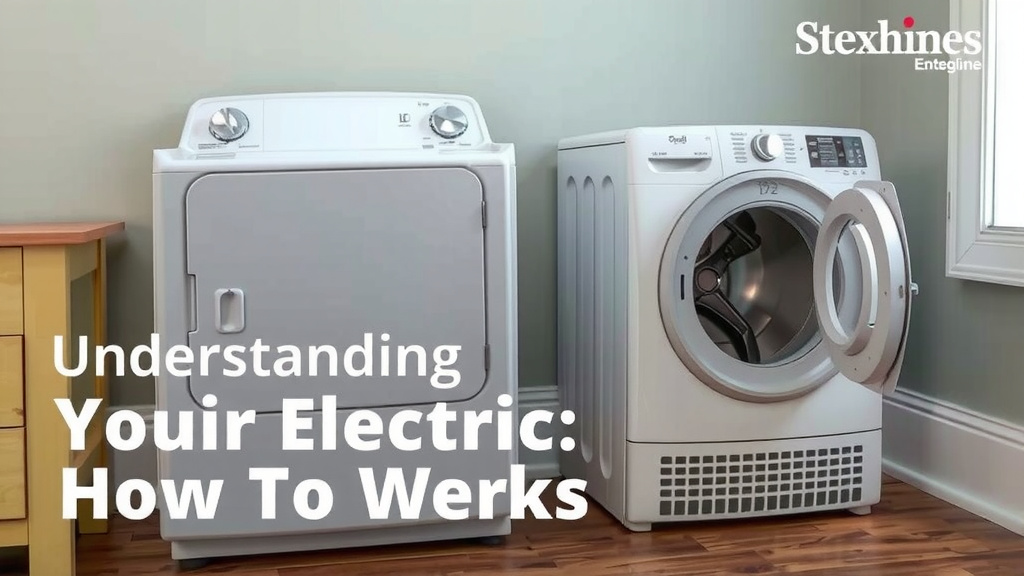
Is a Vented Electric Dryer Right for You?
Considering a vented electric dryer means evaluating your laundry space. Do you have an exterior wall available for venting? Is your landlord or homeowner’s association okay with external modifications? If the answer is yes to both, a vented dryer is a solid, reliable choice. They are widely available and generally more affordable upfront than their ventless counterparts.
Space and Installation Considerations
Remember, the vent hose needs some space. It shouldn’t be crushed or bent sharply. Ensure there’s enough room behind the dryer for proper airflow. Many experts recommend using rigid or semi-rigid metal venting for the best airflow and fire safety. Avoid using thin, flexible plastic vents, as they can trap lint easily.
Performance Benefits
One of the biggest draws of a vented electric dryer is its performance. They tend to dry clothes faster than ventless models. This is because they efficiently remove large amounts of moist air. If you have a busy household with lots of laundry, this time-saving aspect can be a real benefit.
Simple Steps for a Healthy Dryer Vent
Taking good care of your vented dryer ensures it runs well and stays safe. Here’s a quick checklist:
- Clean the lint trap after every single load.
- Check the vent hose for kinks or damage monthly.
- Perform a deep clean of the vent duct annually.
- Ensure the external vent cover is clear of debris.
- Test the dryer’s airflow periodically.
Following these steps helps maintain optimal drying performance and prevents safety hazards. It’s about taking simple, regular care of your appliance.
Conclusion
You now understand that a vented electric dryer is a reliable appliance that uses electricity to heat air and a fan to dry your clothes by expelling moist air outdoors. Its most defining feature is the required external vent, which is key for both efficient drying and preventing potential issues like mold and fire hazards. By regularly cleaning your lint trap and checking your vent system, you ensure your dryer performs at its best and operates safely.
Your next step? Take a moment to locate your dryer’s vent and give it a quick visual inspection. Doing so is a simple but effective way to keep your laundry room safe and your clothes drying quickly.
Frequently Asked Questions
Do all electric dryers require a vent?
No, not all electric dryers require a vent. While vented electric dryers need an external duct to expel moist air, ventless electric dryers use condenser or heat pump technology to remove moisture internally. This means ventless models can be installed almost anywhere without needing an outdoor connection.
Can I use my vented electric dryer without it being vented outside?
It is strongly advised against using a vented electric dryer without properly venting it outside. Doing so will release hot, moist air into your home, potentially causing humidity problems, mold growth, and an uncomfortable environment. It also increases the risk of lint buildup, which is a fire hazard.
How often should I clean my dryer vent?
You should clean your dryer’s lint trap after every single use. For the main vent duct that runs to the outside, a thorough cleaning is recommended at least once a year, or more frequently if you notice longer drying times or a burning smell. This regular maintenance is essential for safety and efficiency.
What is the main advantage of a vented electric dryer over a ventless one?
The primary advantage of a vented electric dryer is typically its speed and efficiency in drying clothes. Because they expel moist air directly outdoors, they can often dry loads faster than ventless models, which can be a significant benefit for busy households or those with large amounts of laundry.
Are vented electric dryers more energy-efficient than ventless models?
Generally, vented electric dryers use more energy than ventless models, especially compared to heat pump ventless dryers. Vented dryers expend more energy to heat air and expel it, while ventless models often recapture heat or use more efficient condensation methods, though they may have longer drying cycles.