How Long Can I Leave the Levoit Air Purifier On? A Complete Guide to Safe Operation
Ever wondered if leaving your Levoit air purifier on all the time is a good idea? It’s a common question among those looking to maximize their air quality. People often worry about potential damage, how much power it uses, or if it’s truly safe for continuous operation. Understanding your device’s limits is key to both clean air and a long lifespan.
In this comprehensive guide, I’ll walk you through everything you need to know about running your Levoit air purifier for extended periods. We’ll explore the technical aspects, practical considerations, and best practices that’ll help you get the most out of your investment.
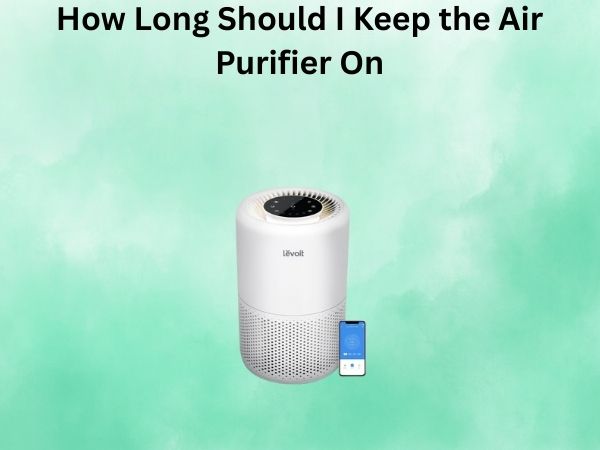
Can You Leave Your Levoit Air Purifier Running Continuously?
The short answer is yes—you absolutely can leave your Levoit air purifier running all day and night if you want to. Most Levoit models are designed to operate continuously without any issues. In fact, many manufacturers actually recommend running your purifier 24/7 for optimal air quality, especially if you’re dealing with persistent air pollution, allergies, or asthma.
But here’s where it gets interesting: just because you can leave it running doesn’t mean you necessarily have to, or that it’s always the most practical choice. Let me break down the various factors you should consider.
The Engineering Behind Levoit Air Purifiers
Levoit has built their reputation on creating durable, reliable air purifiers that can handle extended use. Their motors are engineered to withstand thousands of hours of operation. Think of it like a car engine—it’s built to run for extended periods without overheating or breaking down, as long as you maintain it properly.
The company uses high-quality components that don’t degrade quickly under continuous operation. Your purifier won’t suddenly burn out if you leave it on for a week straight. These devices are meant to work hard, and they’re designed with that purpose in mind.
Energy Consumption: What Will It Cost You?
Understanding Power Usage in Different Models
One of the biggest concerns people have about continuous operation is electricity consumption. Let’s be honest—nobody wants a shocking electric bill. The good news is that most Levoit air purifiers are quite energy-efficient.
Here’s what you should know: different Levoit models consume different amounts of power. A compact model might use around 25-35 watts on high speed, while a larger model could consume 45-65 watts. To put this in perspective, that’s less than a standard incandescent light bulb uses.
Calculating Your Monthly Costs
If you run a mid-sized Levoit purifier at medium speed continuously for a month, you’re looking at roughly 5-15 dollars in additional electricity costs, depending on your local rates. That’s surprisingly affordable when you consider the health benefits you’re getting. Over a year, that’s maybe 60-180 dollars—which is less than most people spend on coffee.
To keep costs even lower, many users adjust their purifier’s speed settings based on their needs. You might run it on high when you’re home and more concerned about air quality, then switch to low or medium when you’re away or sleeping.
Smart Scheduling to Minimize Energy Use
Here’s a practical tip: many Levoit models come with timer functions and smart controls. You can program your purifier to run during specific hours or use its air quality sensor to automatically adjust speed based on detected pollutants. This approach gives you the best of both worlds—cleaner air without the unnecessary energy waste.
How Filter Lifespan Works With Continuous Operation
Understanding Filter Degradation
This is probably the most important factor when considering continuous operation. Your air purifier’s filters don’t last forever, and running the device constantly will use up your filters faster than occasional use would.
Think of your HEPA filter like a sponge. Every particle it captures fills it up a little more. The more air you push through that filter, the faster it becomes saturated. Levoit filters typically last between 6 to 12 months under normal use, but continuous operation might reduce that lifespan to 4-8 months, depending on your local air quality.
Real Talk About Filter Costs
Replacement Levoit filters generally cost between 15 and 50 dollars, depending on the model. If you’re running your purifier 24/7, you might need to replace filters more frequently. However, here’s the thing—if the air quality in your home is really bad, you probably need that continuous operation, and the filter replacement cost is just part of the deal.
The key is staying on top of filter maintenance. Most Levoit purifiers have indicator lights that tell you when it’s time to replace the filter. Don’t ignore these warnings. Running a purifier with a clogged filter is like trying to breathe through a thick blanket—ineffective and potentially harmful to your machine.
Extending Filter Life
Want to make your filters last longer? Here are some strategies:
- Pre-filter your air by keeping windows closed and using vacuum cleaners with HEPA filters
- Reduce dust sources in your home by dusting regularly
- Use lower fan speeds when possible to reduce air throughput
- Keep your purifier in a central location where it can efficiently clean air
- Don’t place it in a corner where it might just recirculate the same air
Safety Features That Protect Your Device
What Makes Levoit Purifiers Safe for Long-Term Use
Levoit has built several safety mechanisms into their purifiers specifically to handle extended operation. These devices include thermal protection systems that shut down the motor if it gets too hot. It’s like having a built-in safety net that prevents catastrophic failures.
Most models also have sturdy construction with proper ventilation channels. The motor is isolated from the filter area, preventing dust and particles from damaging the mechanical components. The electrical components are well-insulated, and the power cords are certified for continuous use.
Automatic Shutoff Features
Many newer Levoit models include automatic shutoff timers. You can set the device to turn off after a specific number of hours. This is helpful if you’re worried about continuous operation or if you want to save energy while you’re away from home.
What’s the Ideal Operating Schedule?
Assessing Your Personal Needs
Here’s the reality: the ideal schedule depends entirely on your situation. If you have severe allergies or asthma, running your purifier 24/7 might genuinely improve your quality of life. If you live in an area with generally clean air, you might only need it running during certain hours.
Consider these factors when deciding how long to run your purifier:
- Your local air quality index (AQI)
- Whether you have pets that shed fur and dander
- Your household’s allergy and asthma prevalence
- Your electricity budget
- How quickly your filters get dirty
- Your tolerance for noise levels
Recommended Operating Patterns
If you want to strike a balance, consider running your purifier during high-pollution hours—typically early morning and evening when traffic is heaviest. Run it on high speed during these times, then switch to medium or low during midday hours. At night, you might use the sleep mode, which operates quietly at low speed.
For people who work outside the home, running your purifier 8-10 hours daily when you’re home might be sufficient. For those who work from home or have significant respiratory concerns, 16-24 hours of operation is more appropriate.
Environmental Factors That Influence Operation Duration
Air Quality in Your Area
The air quality where you live plays a major role in how long you should run your purifier. If you’re in a major city with high pollution levels, continuous operation makes sense. If you live in a rural area with naturally clean air, you can probably get away with running it much less frequently.
Check your local air quality index regularly. On days when pollution is high, run your purifier longer. On cleaner days, you can reduce operation time.
Seasonal Considerations
Air quality often varies by season. During spring and fall, pollen levels spike, and allergy sufferers might want to run their purifiers more often. Winter months might bring higher indoor pollution from heating systems and closed windows. Summer might actually be cleaner if you can open your windows for fresh air.
Indoor Pollution Sources
Do you cook frequently? Have pets? Smoke cigarettes indoors? These factors dramatically increase your need for continuous air purification. Pet owners especially find that running their purifiers continuously keeps dander and odors under control much more effectively.
Maintenance Requirements for Continuous Operation
Keeping Your Purifier in Top Shape
If you’re running your purifier continuously, maintenance becomes even more important. Regular upkeep ensures your device operates efficiently and lasts longer.
Here’s what you should do:
- Check filters monthly instead of quarterly
- Keep the exterior clean and dust-free
- Ensure air intake and output vents are never blocked
- Clean the pre-filter weekly if you’re running it constantly
- Verify that the device sits on a stable, flat surface
- Keep the power cord in good condition without kinks or damage
When to Replace Your Filters Early
Don’t wait for the indicator light if you notice reduced air output or increased noise. These signs suggest your filter is clogged. With continuous operation, replacing filters on schedule—or even slightly earlier—is an investment in your purifier’s longevity and your air quality.
Noise Levels During Extended Use
Understanding Levoit Sound Profiles
One practical consideration many people overlook is noise. Can you handle listening to your air purifier for 24 hours straight? Most Levoit models operate between 20-60 decibels depending on the fan speed. For reference, a whisper is about 30 decibels, and normal conversation is around 60 decibels.
On low or sleep mode, Levoit purifiers are remarkably quiet—some users barely notice them running. On high speed, they’re noticeably louder but still acceptable for most people.
Using Sleep Mode Wisely
If you’re running your purifier continuously, use sleep mode during nighttime hours. This reduces noise and energy consumption while still providing air purification. You’ll sleep better knowing your air is being cleaned without a noisy device running full blast all night.
Health Benefits of Round-the-Clock Air Purification
Why Continuous Operation Matters for Your Health
Here’s why many people choose continuous operation: the health benefits are real and significant. Air pollution contributes to respiratory diseases, cardiovascular problems, and allergic reactions. By running your purifier continuously, you’re creating a protective bubble of clean air around yourself and your family.
Studies show that people with asthma and allergies experience significant symptom reduction when using continuous air purification. If you fall into this category, the slight increase in electricity costs and filter replacement becomes negligible compared to the quality-of-life improvement.
Who Benefits Most From Continuous Operation?
People with these conditions particularly benefit from 24/7 air purification:
- Asthma sufferers
- Those with severe allergies
- People living in high-pollution areas
- Families with pets
- Individuals with compromised immune systems
- Parents of young children with respiratory sensitivity
Troubleshooting Common Issues With Continuous Use
When Your Purifier Acts Up
If you’re running your Levoit purifier constantly and notice problems, here’s what might be happening:
Reduced Air Output
This almost always means your filter is clogged. Replace it immediately. Continuous operation means your filters work harder and get dirtier faster than they would with intermittent use.
Increased Noise
Besides a clogged filter, increased noise might indicate the motor is working harder than it should. Check that air vents aren’t blocked by furniture or walls.
Device Shutting Off Unexpectedly
This could be the thermal protection system kicking in. Your device is getting too hot. Ensure it has proper ventilation and isn’t in a confined space. Also check that your power outlet isn’t faulty.
Strange Smells
If your purifier produces odd odors during continuous operation, the filter might be saturated with pollutants. Again, replacement is your solution.
Continuous Operation Versus Intermittent Use: A Comparison
The Pros and Cons of Each Approach
Let me lay out the comparison so you can decide what works best for you:
Continuous 24/7 Operation
Advantages:
- Consistently clean air at all times
- Greater health benefits, especially for allergy and asthma sufferers
- Odors and allergens don’t accumulate
- Better overall air quality
Disadvantages:
- Higher electricity costs
- Faster filter degradation
- Continuous noise (though often manageable)
- More frequent maintenance required
Intermittent Use (8-16 Hours Daily)
Advantages:
- Lower electricity costs
- Extended filter lifespan
- Less noise overall
- Reduced maintenance needs
Disadvantages:
- Air quality fluct