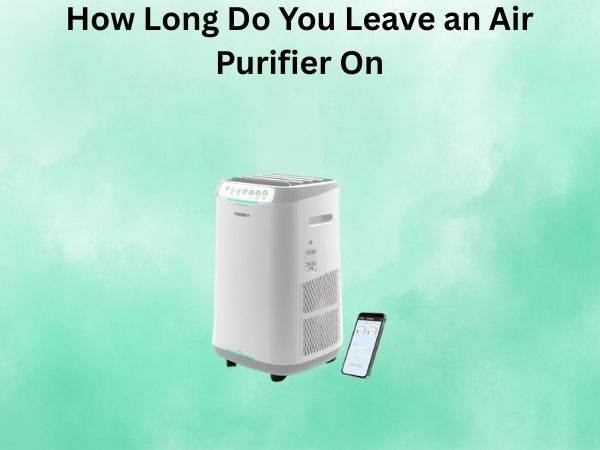
How Long Do You Leave an Air Purifier On? A Complete Guide to Optimal Usage
Congratulations on your new air purifier! One of the first questions that often comes to mind is, ‘How long should I run this thing?’ Whether you’re considering continuous operation or specific on/off times, the optimal answer can be surprisingly nuanced. Today, we’re breaking down all the essentials to ensure your air purifier delivers maximum clean air benefits without unnecessary energy consumption.
Understanding How Air Purifiers Work and Why Runtime Matters
Think of an air purifier like a security guard for your indoor air. It’s constantly patrolling through your space, catching the bad stuff—dust, allergens, pollutants, and other nasty particles—and keeping them from floating around where you can breathe them in. But here’s the thing: just like a security guard, it can’t do its job if it’s not working.
When you run your air purifier, it pulls air through filters and removes contaminants before sending clean air back into your room. The longer it runs, the more air it processes and the cleaner your indoor environment becomes. However, there’s a balance to strike between maintaining clean air and managing energy costs and filter wear.
The Basic Operating Principle
Every air purifier has a specific clean air delivery rate, which is a fancy way of saying how much air it can clean per minute. This rating helps determine how frequently you need to run the device to maintain acceptable air quality in your space. A larger room might need longer operating times, while a smaller bedroom could be cleaned more quickly.
Recommended Operating Hours for Different Rooms
The question of how long to leave your air purifier on really depends on several variables. Let me break this down room by room, since different spaces have different needs.
Bedrooms and Personal Sleeping Spaces
Your bedroom is where you spend a significant chunk of your time, especially those crucial sleeping hours when your body is doing important repair work. Many experts recommend running your air purifier continuously in your bedroom, particularly if you’re dealing with allergies or respiratory concerns. Think about it this way: you’re breathing the same air for seven to eight hours straight, so keeping it clean makes sense.
However, if your bedroom is small and well-maintained, you might get away with running it for eight to ten hours daily, perhaps turning it on before bed and letting it run through the night. This gives you clean air while you sleep, which is when air quality matters most to your health.
Living Rooms and Common Areas
Living rooms typically get more traffic and activity than bedrooms, which means more dust, pet dander, and general pollutants floating around. If you have a living room where your family spends considerable time, running your air purifier for 12 to 16 hours daily is often ideal. You want it working during your waking hours when you’re most active and generating more airborne particles.
Home Offices and Work Spaces
If you’re working from home, your office space deserves consistent attention. Since you’re spending your entire workday breathing the air in this room, I’d recommend keeping your purifier running for the entire duration of your work hours, plus a couple of hours afterward to ensure everything stays fresh. This might translate to 8 to 10 hours daily, depending on your schedule.
Kitchens and Cooking Areas
Kitchens are unique because they generate specific types of pollution—cooking fumes, steam, and food particles. Your kitchen probably already has a range hood, but adding an air purifier is still beneficial. You might run it during and after cooking, plus a few additional hours to clear out lingering odors and particles. This could be anywhere from 4 to 8 hours daily, depending on your cooking frequency.
Key Factors That Determine How Long to Run Your Air Purifier
It’s not just about the room type. Several other factors should influence your decision about runtime.
Air Quality Index in Your Area
If you live in an area with poor outdoor air quality or near pollution sources, you’ll want to run your purifier longer. On days when the Air Quality Index is high—whether due to wildfire smoke, industrial pollution, or heavy traffic—increasing your runtime makes perfect sense. Some people in polluted areas run their purifiers nearly 24/7 during particularly bad seasons.
The Size of Your Room Versus Your Purifier’s Capacity
This is crucial. If your air purifier is underpowered for your room size, it’ll need to run longer to achieve the same cleaning effect as a properly sized unit would in less time. Check your purifier’s specifications for its recommended room size and make sure it matches your space. Running an undersized purifier continuously is like trying to fill a swimming pool with a garden hose—it takes forever.
Number of Occupants in Your Home
More people means more carbon dioxide, skin cells, body odors, and general biological particles being released into the air. If you live alone, you can get away with shorter runtimes. But if you have a family of five, you’re generating significantly more air contaminants, so longer operation times are warranted.
Pet Ownership
If you have furry friends at home, you know how much dander and hair they contribute to your indoor air. Pet owners typically need to run their air purifiers considerably longer than non-pet owners. I’d recommend at least 12 to 14 hours daily if you have pets, and 24/7 operation if you or anyone in your household has pet allergies.
Smoking or Other Indoor Activities
Smoke, incense, cooking without ventilation, and other activities that generate particles will require longer purifier operation. If anyone in your household smokes indoors, you really should consider running your purifier almost constantly, or better yet, establish a no-smoking policy inside.
Energy Consumption and Cost Implications
Let’s talk money. Running an air purifier 24/7 costs more than running it part-time, so understanding the financial impact helps you make an informed decision.
Typical Energy Usage Patterns
Most air purifiers consume between 25 to 100 watts depending on the model and operating speed. At the highest setting, a 100-watt purifier running 24/7 for a month uses about 72 kilowatt-hours. With the average US electricity rate around 14 cents per kilowatt-hour, that’s roughly $10 monthly, or $120 yearly.
Running the same purifier for 12 hours daily costs about half that amount. These numbers are manageable for most households, especially when you consider the health benefits of cleaner air. However, if you’re trying to minimize costs, running your purifier strategically during high-pollution hours or high-occupancy times makes sense.
High-Efficiency Models
Newer energy-efficient air purifiers use less electricity while maintaining excellent cleaning performance. If energy costs concern you, investing in a more efficient model might pay for itself over a few years through reduced electricity bills.
Seasonal Variations in Air Purifier Usage
Your air purifier needs change with the seasons. Let me explain how.
Spring and Summer Considerations
During spring and summer, outdoor air quality often suffers due to pollen, mold spores, and increased ozone levels. Even if you keep your windows closed, some outdoor air infiltrates your home through door openings and ventilation systems. You might increase your purifier runtime by 20 to 30 percent during allergy season.
Summer also brings increased humidity, which can promote mold growth and dust mite proliferation. Running your air purifier longer helps combat these issues, though you might also want to use a dehumidifier in conjunction with your purifier.
Fall and Winter Patterns
Fall brings falling leaves and the start of heating season. Once your furnace kicks on, indoor air quality often decreases due to dryness and dust circulation through heating ducts. Winter is similar, plus people spend more time indoors where air quality becomes increasingly important.
Many people increase their purifier runtime during these months, sometimes running units 16 to 18 hours daily or even 24/7 if anyone in the household has respiratory concerns.
Warning Signs Your Air Purifier Should Run More Often
Your body often tells you when your air quality needs improvement. Here are signs you should increase your purifier runtime.
- Waking up with congestion or a scratchy throat
- Increased allergy symptoms or asthma attacks
- Noticeable dust accumulation on surfaces despite regular cleaning
- Persistent odors in your home
- Your pet is sneezing or coughing more than usual
- You feel less energetic or experience headaches indoors
- Visible haze or poor visibility through windows on clear days
If you’re experiencing any of these symptoms, your current runtime probably isn’t sufficient. Try increasing your purifier’s operating hours and monitor whether symptoms improve.
When You Can Safely Turn Your Air Purifier Off
Not every situation requires continuous operation. Let’s discuss when it’s perfectly fine to power down your device.
Low Air Pollution Days
On days when outdoor air quality is excellent and you haven’t been doing anything that generates indoor pollution, you can reduce runtime or skip a day entirely. This is perfectly safe and helps conserve energy without compromising air quality.
Unoccupied Spaces
If you’re leaving your house for an extended period, you can turn off your air purifier. It makes no sense running it in an empty house. However, turn it back on an hour or two before you return to freshen things up.
Well-Ventilated Spaces During Good Weather
If you can open windows and allow fresh outdoor air to circulate, you might temporarily reduce your air purifier usage. Just remember to turn it back on once you close your windows, especially if you have allergies.
Filter Maintenance and Runtime Correlation
Here’s something people often overlook: the longer your air purifier runs, the faster its filters get dirty. This is actually a good thing because it means the filters are doing their job, but it affects your maintenance schedule.
Filter Replacement Schedules
Most air purifier filters need replacement every 6 to 12 months with average use. If you’re running your purifier 24/7, you might need to replace filters every 3 to 4 months. Running it just 8 hours daily might extend filter life to 12 to 18 months.
Budget for filter replacement costs when deciding on your runtime. Cheaper purifiers with expensive replacement filters might cost more over time than premium models with affordable filter options.
Comparing 24/7 Operation Versus Part-Time Usage
Should you leave your air purifier running constantly, or is part-time operation sufficient? Let’s weigh both approaches.
Arguments for Continuous 24/7 Operation
Running your purifier constantly ensures the cleanest possible air at all times. You never have to worry about air quality dipping between operational periods. This approach works exceptionally well for people with serious allergies, asthma, or other respiratory conditions. It also provides consistent comfort and peace of mind.
Arguments for Strategic Part-Time Operation
Operating your purifier selectively reduces energy costs, extends filter life, and still maintains acceptable air quality if done thoughtfully. You can run it during high-activity hours and at night when you’re sleeping, which covers most of your actual exposure time.
The Middle Ground Approach
Many people find success with a hybrid approach: running their purifier continuously in bedrooms and key living spaces while using smart scheduling features or manual operation in less-used rooms. This balances air quality with practical considerations.
Common Mistakes People Make with Air Purifier Operation
Let me share some mistakes I see people making that reduce their purifier’s effectiveness.
- Closing doors and windows excessively while running the purifier—this traps pollutants inside instead of allowing fresh air exchange
- Placing the purifier in corners or against walls where air circulation is blocked
- Never cleaning the pre-filter, which clogs quickly and reduces overall effectiveness
- Running the purifier at low speed all the time, which is too slow to handle pollution spikes
- Ignoring the device entirely—forget about it once purchased and never adjust settings or replace filters
- Running it in a room that’s too large for its capacity, expecting it to clean air faster than it actually can
- Assuming that running it occasionally during evening hours is sufficient for good air quality
Smart Features That Help Optimize Your Air Purifier Runtime
Modern air purifiers come with helpful features that take the guesswork out of operation.
Air Quality Sensors and Auto Mode
Many purifiers have built-in air quality sensors that automatically adjust fan speed based on detected pollution levels. This feature is fantastic because your purifier runs faster when it detects problems and slows down when air quality is good. You can leave these units in auto mode and let them manage their own runtime efficiently.
Programmable Timers and Schedules
Timers let you set specific operational periods without manual intervention. You might program your bedroom purifier to run from 7 PM to 8 AM, or your living room unit to operate during afternoon and evening hours.
Smart Home Integration
Purifiers with smart home connectivity allow you to control operation from your phone, set custom schedules, and receive filter replacement alerts. Some integrate with your home’s overall air quality monitoring system.
Health Conditions That Require Extended Air Purifier Operation
Certain health conditions make continuous or near-continuous air purifier operation essential rather than optional.
Serious Allergies
People with severe allergies to pollen, dust mites, or pet dander genuinely need continuous purification. In these cases, running your purifier 24/7 isn’t excessive—it’s therapeutic. The improvement in symptom severity often justifies the energy costs.
Asthma and Respiratory Conditions
Asthma sufferers benefit enormously from continuous air purification. Clean air reduces trigger exposure and decreases attack frequency. If you have asthma, continuous operation is worth every penny.
![What Is The best air purifier for home dust [In 2026]](https://bathroomexplorer.com/wp-content/uploads/2025/11/Best-air-purifier-for-home-dust-1.jpg)