How Long Do Charcoal Air Purifying Bags Last? A Complete Guide
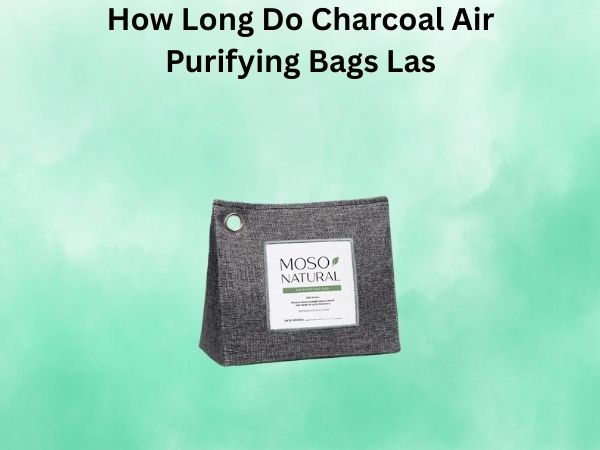
It’s hard to miss charcoal air purifying bags these days, whether you’re online or in a store. These little wonders are often praised for being small, affordable, and a simple way to naturally freshen your home without needing electricity or complex setup. But for many, one crucial question remains: just how long do these bags truly last before they need replacing?
I’m going to walk you through everything you need to know about charcoal air purifying bags, their lifespan, how they function, and what factors influence how long they’ll remain effective in your home.
Understanding Charcoal Air Purifying Bags: The Basics
Before we dive into how long these bags last, let me explain what makes them tick. Charcoal air purifying bags are essentially pouches filled with activated charcoal—a specially treated form of carbon that has an incredibly porous structure. Think of it like a tiny sponge with millions of microscopic holes. These holes create an enormous surface area that traps odor molecules, moisture, and other airborne particles.
How Activated Charcoal Works Its Magic
The process is called adsorption, which is different from absorption. Instead of soaking things up like a sponge soaks water, activated charcoal attracts and holds molecules on its surface through a chemical process. When you place a charcoal bag in your bedroom, bathroom, or kitchen, it immediately starts working to capture unwanted smells, excess humidity, and harmful volatile organic compounds.
What’s really interesting is that this process happens silently and without any power consumption. You’re not running electricity, you’re not creating noise, and you’re not bothering anyone. It’s just pure, passive air cleaning happening 24/7.
How Long Do Charcoal Air Purifying Bags Last?
Now, here’s the straightforward answer: most charcoal air purifying bags remain effective for approximately 6 to 12 months under normal household conditions. However, this timeline can vary significantly depending on several variables we’ll explore shortly.
The Typical Lifespan Explained
When you first open a new charcoal bag, it’s at full capacity and working at peak performance. As time passes, the activated charcoal gradually becomes saturated with the odor molecules and particles it’s captured. Once the pores are filled up, the bag can’t absorb anymore, and its effectiveness drops dramatically—almost like reaching the bottom of a well.
The reason manufacturers typically recommend a 6 to 12-month replacement cycle is because that’s when most bags reach a saturation point where they’re no longer performing effectively. Some premium brands might claim their bags last up to 2 years, but this depends heavily on the environmental conditions and usage intensity.
Factors That Dramatically Affect Charcoal Bag Lifespan
The lifespan of your charcoal bags isn’t set in stone. Several factors can shorten or extend how long they remain useful:
Humidity Levels in Your Home
Moisture is one of the biggest factors affecting charcoal bag longevity. If you live in a humid climate or your home tends to be damp, your charcoal bags will work overtime capturing moisture. This means they’ll reach saturation faster, potentially cutting their lifespan down to 4 to 6 months instead of the full year.
Conversely, if you live in a dry climate, your bags might last closer to the full 12 months or even longer since they’re not being taxed by moisture absorption.
The Severity of Odor Sources
Are you placing your charcoal bag in a lightly used guest bedroom or in your kitchen next to a trash can? The intensity and volume of odors directly impact how quickly your bag becomes saturated. A bag in a high-odor environment will definitely need replacement sooner than one in a relatively neutral space.
Room Size and Air Circulation
Charcoal bags work best in smaller, enclosed spaces where there’s adequate opportunity for the bag to interact with the air. A bag placed in a small closet will be more effective and last longer than the same bag trying to cover a large living room with multiple open doorways. Air circulation patterns matter—stagnant air allows the charcoal to work more thoroughly.
Quality of the Charcoal Itself
Not all activated charcoal is created equal. Higher quality bags with premium-grade activated charcoal typically have more porous structures and larger surface areas, meaning they can last longer before saturation. Budget brands might only last 4 to 6 months, while premium options could potentially reach 12 to 18 months.
Number of Bags Used
If you’re using multiple bags in different rooms, each individual bag might last longer because the odor load is distributed. One bag trying to purify an entire house will saturate much faster than that same bag placed in a single bedroom.
How to Tell Your Charcoal Bags Need Replacing
Rather than blindly following the 6 to 12-month guideline, you can actually observe signs that indicate your bags have lost their effectiveness:
- Odors return to the space even though you haven’t changed anything else
- The air feels slightly stale or humid again
- You notice moisture condensation on windows in normally dry seasons
- Smells that previously disappeared are now lingering longer
- Your nose picks up staleness when you first enter the room, like the bags aren’t working anymore
- Visible mold or discoloration appears on the bag exterior (indicating they’ve absorbed excessive moisture)
Trust your senses here. If a space smells fresher and less humid, your bag is working. If not, it’s time for a replacement.
Extending Your Charcoal Bag Lifespan: Practical Tips
While you can’t indefinitely extend the life of a charcoal bag, there are definitely strategies to maximize how long it remains effective:
The Sunlight Rejuvenation Method
Here’s something interesting: you can actually revitalize partially saturated charcoal bags by exposing them to direct sunlight for 30 minutes to an hour. The UV rays help release some of the captured molecules, temporarily restoring some of the bag’s capacity. This won’t completely reset the bag, but it can extend its usable life by a month or two. Think of it like giving your charcoal a little refresh button.
Proper Placement Strategy
Position your bags in areas with optimal air circulation but away from direct water sources. In a bathroom, place it away from the shower or sink. In a kitchen, keep it away from the stove or dishwasher. This ensures the bag is capturing odors and stale air rather than becoming saturated with excess moisture.
Reducing Overall Odor Sources
The less heavy lifting your charcoal bags need to do, the longer they’ll last. Regularly clean your space, ventilate properly when cooking, and address any moisture problems at their source. Your bags will thank you with extended effectiveness.
Rotate Your Bags
If you have multiple bags, consider rotating them between different rooms. This prevents any single bag from becoming too saturated in a high-odor area and can help distribute wear more evenly.
Charcoal Bags vs. Other Air Purification Methods
It’s worth considering how charcoal bags stack up against alternative air purification options in terms of longevity and effectiveness:
Charcoal Bags vs. HEPA Filters
HEPA filters in electric air purifiers typically last 6 to 12 months as well, but they’re designed for particle removal rather than odor elimination. The advantage is that HEPA filters actively circulate air, covering larger spaces more effectively. However, they require electricity and maintenance, whereas charcoal bags are completely passive.
Charcoal Bags vs. Gel Air Fresheners
Traditional gel air fresheners last about 30 to 60 days before needing replacement, and they mask odors rather than removing them. Charcoal bags outperform gel fresheners in longevity, though they work differently in terms of mechanism.
Charcoal Bags vs. Baking Soda
Plain baking soda is cheap and can help with odors, but it typically needs replacement every 30 days and isn’t as effective in capturing complex odors or moisture. Charcoal bags offer superior performance and longer-lasting results.
The Cost-Benefit Analysis
When considering charcoal air purifying bags, it’s helpful to think about the overall value they provide. A single charcoal bag typically costs between three and ten dollars, depending on the brand and quality. If a bag lasts you 8 months on average, that’s roughly thirty-five cents to a dollar per month for odor and moisture control in one room.
Compare this to running an electric air purifier constantly, which adds to your electricity bill, requires filter replacements, and takes up space. Charcoal bags are remarkably cost-effective for what they deliver, especially when you consider their ease of use and complete lack of ongoing maintenance.
Best Practices for Maximum Effectiveness
To get the longest possible lifespan from your charcoal bags and ensure they’re working as effectively as possible:
- Replace bags every 6 to 12 months or when you notice declining performance
- Use the appropriate number of bags for your room size—typically one bag per 100-200 square feet
- Keep bags in consistent temperature environments to avoid compromising the charcoal
- Store backup bags in cool, dry places so they don’t activate before you need them
- Don’t seal bags in airtight containers; they need air exposure to work
- Periodically place bags in sunlight to refresh their capacity
- Monitor your home’s humidity levels separately and address excess moisture at the source
- Keep detailed notes on when you replaced bags so you don’t lose track of their age
Special Considerations for Different Room Types
Bathrooms
Bathrooms are high-moisture environments, so expect charcoal bags to last closer to 4 to 6 months here. Consider using multiple smaller bags rather than one large bag.
Bedrooms
Bedrooms typically have moderate odor and moisture levels, making them ideal environments for charcoal bags. You’ll likely get the full 8 to 12 months of effectiveness here.
Kitchens
Kitchens are challenging because of cooking odors, spills, and moisture from steam. Plan on replacing bags every 4 to 8 months, and consider using a higher quality brand.
Closets and Small Spaces
Closets and small, contained spaces are where charcoal bags truly shine. With limited air circulation and enclosed spaces, bags can last the full 12 months or even slightly longer.
Environmental Impact and Disposal
Since you’ll be replacing these bags regularly, it’s worth considering what happens to them after their useful life ends. Most charcoal bags can be safely disposed of in regular trash, though some people prefer to repurpose the charcoal itself for gardening or other uses. When bags reach the end of their lifespan, you might try spreading the charcoal in a garden bed where it can improve soil structure and water retention.
Conclusion
Charcoal air purifying bags typically last between 6 and 12 months, though this timeline varies based on humidity levels, odor intensity, room size, bag quality, and usage patterns. Rather than rigidly adhering to a calendar-based replacement schedule, pay attention to the actual performance of your bags. When you notice odors returning or your space feeling less fresh, that’s your signal to replace them.
The beauty of charcoal bags is their simplicity, affordability, and effectiveness. They require no electricity, make no noise, and need no complicated maintenance. By understanding the factors that influence their lifespan and following the best practices we’ve discussed, you can maximize the value you get from every bag. Whether you’re freshening up a bedroom, eliminating kitchen odors, or controlling bathroom moisture, charcoal air purifying bags remain one of the most practical and economical solutions for maintaining fresher, cleaner air in your home.
Frequently Asked Questions
Can you wash and reuse charcoal air purifying bags?
While you cannot truly wash and reuse charcoal bags in the traditional sense, you can refresh their capacity by placing them in direct sunlight for 30 minutes to an hour. This process helps release some trapped molecules and can extend the bag’s usable life by a few weeks or months. However, this isn’t a true cleaning—it’s a partial rejuvenation. Eventually, even refreshed bags will need permanent replacement once their pores are completely saturated.
Are charcoal air purifying bags safe for pets and children?
Charcoal bags are generally safe for households with pets and children, though you should avoid placing them where small children or curious pets might chew on them. The activated charcoal itself isn’t toxic, but ingesting the bag material or large amounts of charcoal isn’t recommended. As a precaution, place bags on higher shelves or in enclosed spaces like closets where they’re out of reach.
Do charcoal bags work for cigarette smoke?
Yes, charcoal bags are quite effective at capturing cigarette smoke odors, though they’ll become saturated faster in environments with heavy smoking. In a heavily used smoking space, expect to replace bags every 2 to 4 months rather than the typical 6 to 12 months. For better results in smoking environments, consider using multiple bags and replacing them more frequently.
What’s the difference between charcoal bags and charcoal filters?
Charcoal bags are passive, standalone products that work through air exposure. Charcoal filters are components within active systems like air purifiers, water filters, or range hoods where they actively filter material passing through them. Charcoal filters typically need replacement every 3 to 6 months depending on the system, whereas charcoal bags last longer because they’re used in less demanding applications.
Can you revive expired charcoal bags by heating them?
While sunlight rejuvenation works reasonably well, heating charcoal bags isn’t recommended. Excessive heat can damage the bag material and potentially release captured compounds back into the air rather than refreshing the charcoal’s capacity. Stick with gentle sunlight exposure as your primary method for extending bag life, and plan for regular replacement as the most reliable solution.
“`