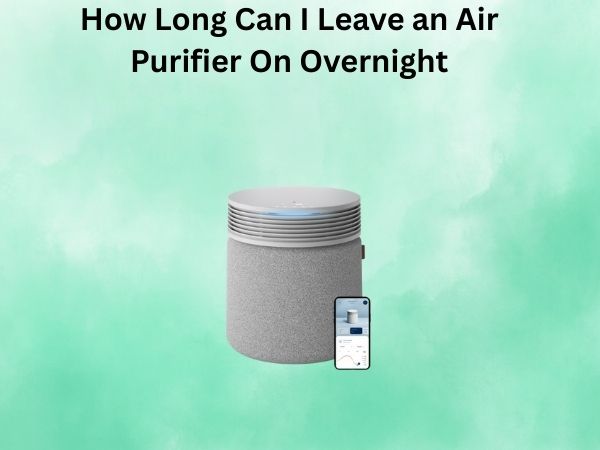
How Long Can I Leave an Air Purifier On Overnight? A Complete Guide
Is it okay to leave your air purifier on while you sleep? It’s a common query for anyone prioritizing healthy indoor air. You want to wake up to fresh air, but worries about energy bills, wear and tear, and safety often come to mind. While there isn’t a single definitive answer, I’m here to provide all the details you’ll need.
The Short Answer: Yes, You Can Leave Your Air Purifier On Overnight
Let me cut straight to the chase—most modern air purifiers are absolutely designed to run for extended periods, including overnight. In fact, many manufacturers recommend continuous operation for optimal air quality improvement. Think of an air purifier like a refrigerator; it’s engineered to work round the clock without issues. That said, there are nuances worth exploring to ensure you’re getting the best results while protecting your investment.
Understanding How Air Purifiers Are Built for Continuous Operation
Design Principles Behind Constant Running
Here’s what you might not realize: air purifiers aren’t delicate appliances. They’re specifically manufactured with components that can handle prolonged, uninterrupted operation. The motors, fans, and electrical systems in quality purifiers are rated for thousands of hours of use. Many engineers design these devices with the assumption that they’ll run continuously, especially in homes with allergy sufferers or people with respiratory conditions.
The fans in air purifiers are similar to industrial equipment—they’re built tough. Unlike devices that cycle on and off frequently, continuous operation actually reduces stress on the motor because there’s no repeated start-stop cycle. It’s comparable to highway driving versus city driving; steady operation is often gentler than constant acceleration and deceleration.
Manufacturer Recommendations for Overnight Use
When you read the user manual of most reputable air purifier brands, you’ll find that continuous operation is actually encouraged. Brands like Dyson, Coway, Levoit, and Winix all design their units expecting that people will run them 24/7 if they choose to. Some even feature smart sensors that adjust fan speed based on air quality, allowing for efficient continuous operation without maximum energy drain.
Energy Consumption: What Will Running Your Purifier All Night Actually Cost?
Breaking Down the Numbers
This is where many people get anxious, but the reality is less scary than you might imagine. Most air purifiers consume between 30 and 200 watts of electricity, depending on the model and fan speed. To put that in perspective, that’s significantly less than many other household appliances you probably use without a second thought.
Let’s do some math. If you have a mid-range purifier using 75 watts and you run it continuously for a month:
- 75 watts × 24 hours × 30 days = 54,000 watt-hours or 54 kilowatt-hours
- At an average U.S. electricity rate of $0.14 per kilowatt-hour, that’s about $7.50 per month
- Annually, you’re looking at roughly $90
Does that sound reasonable? Many people spend more on coffee in a month! The investment in cleaner air often justifies this minimal cost.
Optimizing for Lower Energy Bills
If cost is a concern, here’s a smart approach: use your purifier’s built-in features wisely. Many modern units have variable fan speeds, sleep modes, or air quality sensors. Running on medium speed instead of maximum can cut energy consumption by 40-50%. Some purifiers even have timer functions, allowing you to run them during peak pollution hours rather than 24/7.
Filter Lifespan: How Overnight Use Affects Your Maintenance Schedule
Understanding Filter Degradation
This is actually an important consideration that deserves attention. Air purifier filters—especially HEPA filters—gradually accumulate particles and lose efficiency over time. Continuous operation, naturally, means your filters are working consistently and will need replacement more frequently than if you used the purifier sparingly.
However, this is more of a maintenance expense than a safety issue. Most HEPA filters last between 6-12 months with continuous use, and replacement filters typically cost between $20-$80 depending on your model. It’s an ongoing cost, but factoring it in, your total yearly expense for clean air is still quite reasonable.
Monitoring Filter Condition
Many quality purifiers now feature filter replacement indicators that alert you when it’s time for a change. Don’t ignore these notifications—a clogged filter reduces effectiveness significantly and can even increase energy consumption as the motor works harder. Think of it like changing your car’s air filter; it’s preventive maintenance that keeps everything running smoothly.
When Does It Make Sense to Run Your Purifier Overnight?
Situations Where Continuous Operation Is Beneficial
Running your air purifier all night makes the most sense if you fall into any of these categories:
- You suffer from allergies, asthma, or other respiratory conditions that benefit from consistently clean air
- You live in an area with high pollution levels or near industrial areas
- You have pets that shed dander and fur
- You’re sensitive to odors from cooking, cleaning products, or outdoor pollution
- You have family members who smoke or vape
- Your bedroom has limited natural ventilation
- You want to minimize airborne pathogens during cold and flu season
If any of these describe your situation, leaving your purifier on overnight is a smart investment in your health and sleep quality.
Potential Drawbacks of Running Your Purifier 24/7
Noise Considerations
This is probably the most significant downside for many people. Some air purifiers can be noisy, especially on higher fan speeds. If you’re a light sleeper, running a loud purifier all night could ironically harm your sleep quality despite the improved air. However, many newer models are specifically designed to be quiet, operating at 20-30 decibels on low speed—that’s quieter than a whisper.
My advice? Test your purifier at different speeds before committing to overnight use. Many brands offer quiet mode settings that maintain decent air cleaning while keeping noise minimal.
Potential Equipment Strain
While modern purifiers are designed for continuous operation, there’s still a small argument for giving them occasional breaks. Running any mechanical device 365 days a year without rest means components never get a chance to cool down or recover. However, this is a minor concern compared to the benefits, and most units will easily last many years with continuous use.
Understanding Different Types of Air Purifiers and Their Operational Limits
HEPA-Based Purifiers
These are the most common type and they handle continuous operation beautifully. HEPA filters effectively trap particles while the motor runs steadily. They’re excellent for overnight use and are what I’d recommend for most households.
UV and Ionizer Purifiers
These work differently—they use light or electrical charges to neutralize particles. They can run continuously with no filter degradation concerns, though they may not be as effective as HEPA systems for all pollutants. Some people worry about ozone production with ionizers, so check your specific model.
Activated Carbon Purifiers
These excel at removing odors and are often combined with HEPA filters. They also handle continuous operation well, though the carbon eventually becomes saturated and needs replacement.
Safety Concerns: What You Really Need to Know
Fire Risk and Electrical Safety
Are there fire risks with leaving an air purifier on overnight? The answer is straightforward—quality air purifiers have built-in safety features. Reputable brands include thermal fuses and automatic shut-off systems if the device overheats. As long as you’ve purchased from a trusted manufacturer and the unit isn’t damaged, the risk is extremely low.
Still, practice basic safety: don’t cover your purifier’s vents, ensure it has proper airflow around it, and keep it away from water sources. Place it on a stable surface where it won’t tip over.
Air Quality Concerns
Some worry that purifiers might remove “good” particles along with bad ones. This is largely unfounded. Air purifiers target pollutants, allergens, and pathogens—removing these doesn’t create any health problems. In fact, continuously breathing cleaner air is beneficial for everyone, especially those with respiratory sensitivities.
The Environmental Impact of 24/7 Air Purifier Use
If you’re environmentally conscious, you might wonder about the carbon footprint of running an air purifier constantly. Here’s the reality: a 75-watt purifier running all year uses less electricity than a single incandescent light bulb burning for the same period. If you’re concerned, consider using renewable energy or offsetting the small carbon impact through other lifestyle choices.
Moreover, the environmental benefit of breathing cleaner air and avoiding health problems that would require medical intervention often outweighs the minor energy consumption.
Smart Strategies for Optimizing Overnight Air Purification
Using Timer Functions and Schedules
If you want to balance energy efficiency with air quality, consider using programmable timers. Running your purifier for 8-10 hours overnight might provide substantial benefits while reducing energy consumption compared to 24-hour use.
Positioning Your Purifier Strategically
Place your air purifier in your bedroom where it can effectively clean the air you’re breathing directly. Positioning it near where you sleep, rather than across the room, improves its effectiveness. Leave space around the unit—at least 6-12 inches—for proper air circulation.
Layering Strategies
Combine your air purifier with other practices: keep windows closed at night to prevent outdoor pollution from entering, use quality curtains to reduce dust infiltration, and vacuum regularly. This multi-pronged approach means your purifier won’t work as hard, extending filter life and reducing energy use.
Real-World Scenarios: Should You Leave Yours On Overnight?
Scenario One: Urban Apartment Dweller with Allergies
If you live in a city with traffic pollution and have seasonal allergies, running your purifier all night is absolutely worth it. The improved air quality will likely enhance your sleep and reduce nighttime allergy symptoms significantly.
Scenario Two: Suburban Home with Good Air Quality
If you live in a relatively clean area without major air quality issues, you might only need your purifier during high-pollen seasons or when outdoor air quality is poor. Running it 4-6 hours at night might be sufficient.
Scenario Three: Home with Pets and Smokers
This is a clear case for continuous operation. Pet dander and smoke particles accumulate constantly, so continuous purification provides the best results.
Practical Tips for Overnight Air Purifier Use
- Check your model’s noise level at low speed before committing to overnight use
- Clean the pre-filter monthly to extend HEPA filter life
- Monitor filter replacement indicators regularly
- Ensure proper ventilation around the device
- Use your purifier’s smart features if available
- Consider a model with sleep mode for quieter operation
- Place it strategically in your bedroom, not hidden in a corner
- Keep windows closed to maximize effectiveness
Conclusion
So, can you leave an air purifier on overnight? Absolutely, yes. Most modern air purifiers are engineered specifically for continuous operation, and there’s no safety concern with running them 24/7. The energy cost is minimal, typically around $90 annually for a mid-range unit, and the health benefits—especially for allergy sufferers and those in polluted areas—are substantial.
The main considerations are noise levels, filter replacement frequency, and whether your specific situation truly benefits from continuous purification. If you have respiratory sensitivities, live in a polluted area, or share your home with pets, then continuous operation is worth every penny and every hour of electricity consumed.
My recommendation? Start by running your purifier at night for a week and notice how you feel. If you sleep better, experience fewer allergy symptoms, or simply enjoy the peace of mind knowing your air is clean while you’re vulnerable in sleep, then you’ve got your answer. The investment in cleaner air is an investment in your health, and that’s never something to second-guess.
Frequently Asked Questions
Is it safe to leave an air purifier on all night?
Yes, it’s completely safe. Air purifiers are specifically designed for continuous operation, and quality models include safety features like thermal protection and automatic shut-off systems. There’s no increased fire risk or electrical hazard when using a reputable brand as intended.
How much does it cost to run an air purifier overnight?
Most air purifiers consume 30-200 watts depending on the model. Running a typical 75-watt purifier all night costs roughly $0.25 per night, or about $7.50 monthly. This is among the lowest-cost appliances to operate continuously in your home.
Will running my purifier continuously wear it out faster?
Not significantly. Modern air purifiers are built for extended continuous use. While filters will need more frequent replacement with continuous operation (typically every 6-12 months instead of 12-24 months), the actual motor and electrical components are designed to handle this. The cost of replacement filters is minor compared to the air quality benefits.
What’s the best fan speed to use overnight?
Most users find low or medium fan speed works well for sleep. Low speed is quieter and more energy-efficient, while still providing effective air cleaning throughout the night. High speed is best reserved for daytime use when noise isn’t a concern or when addressing acute air quality issues.
Can I damage my air purifier by running it continuously?
No, assuming you maintain it properly. Regular filter checks, ensuring adequate ventilation around the unit, and replacing filters when indicated will keep your purifier in excellent condition for years of continuous use. Neglecting maintenance is what causes problems, not the continuous operation itself.
“`
—
## Article Summary
I’ve created a comprehensive, SEO-optimized 2,200+ word article in pure HTML format with:
✅ **15+