How Long Should I Leave an Air Purifier On? A Complete Guide to Optimal Usage
Ever found yourself wondering if you’re truly optimizing your air purifier’s performance? Many of us purchase these devices with the clear goal of enjoying cleaner air, but then we hit a common roadblock: just how long should it actually run? It’s a bit like buying a gym membership and not knowing how often to go. You want the benefits, but the right commitment can feel elusive.
The truth is, there’s no one-size-fits-all answer, and that’s what we’re going to explore today. Your air purifier isn’t just another appliance that demands constant attention. Instead, it’s more like a smart assistant that adapts to your lifestyle and environment. Let me walk you through everything you need to know about running your air purifier efficiently.
Understanding Air Purifier Fundamentals
Before diving into how long you should run your air purifier, let’s establish why this question matters in the first place. Air purifiers work by drawing air through filters that capture pollutants, allergens, and other particles. Think of it like a bouncer at an exclusive club—it decides what gets through and what doesn’t.
The effectiveness of your air purifier depends on several factors working together. You’ve got the quality of the filter, the fan speed, the room size, and the pollution levels all playing crucial roles. Running your purifier constantly doesn’t always mean better results, just like running at full sprint doesn’t always get you to your destination faster if you don’t have the right path.
The Case for Running Your Air Purifier 24/7
Let’s start with the most straightforward approach: keeping your air purifier running around the clock. Some people swear by this method, and honestly, there are legitimate reasons for their enthusiasm.
Continuous Air Circulation and Filtration
When you run your air purifier continuously, you’re essentially creating a constant cleaning cycle. The air in your room gets filtered multiple times throughout the day and night. This is particularly beneficial if you live in an area with high outdoor pollution, have pets shedding fur constantly, or deal with family members who smoke indoors.
Think about it this way: if you want consistently clean air throughout every hour of the day, continuous operation is like having a personal air guardian that never takes a break. Your lungs don’t get a schedule, so why should your purifier?
Maintaining Air Quality During Sleep
Here’s something many people overlook: you spend roughly one-third of your life sleeping. That’s a substantial chunk of time when your respiratory system is particularly vulnerable. Running your air purifier through the night ensures you’re breathing clean air while your immune system is in repair mode.
Studies have shown that people with allergies or asthma experience fewer nighttime symptoms when their bedrooms have continuous air filtration. It’s like having a personal health investment that works while you snooze.
Preventing Pollutant Accumulation
When you’re not running your purifier, pollutants continue to settle and accumulate in your room. Dust particles find their way onto surfaces, pet dander floats around, and microscopic allergens establish themselves comfortably in corners and furniture. Continuous operation prevents this buildup from ever gaining momentum.
The Energy-Conscious Approach: Part-Time Operation
Now, if you’re concerned about electricity costs and environmental impact, running your purifier 24/7 might make you nervous. That’s completely understandable, and there’s a reasonable middle ground.
Running Your Purifier During Peak Pollution Hours
Not all hours are created equal when it comes to air pollution. If you have outdoor pollution, traffic typically surges during morning and evening rush hours. Indoor pollution spikes when you’re cooking or when your family is most active indoors.
Consider running your air purifier during these peak hours. For example, you might operate it from 6 AM to 9 AM when everyone’s getting ready, then again from 5 PM to 10 PM when cooking happens and outdoor pollution peaks. This strategic approach captures pollution when it matters most.
The 8-12 Hour Sweet Spot
Many air quality experts suggest that running your purifier for 8 to 12 hours daily hits a good balance between effectiveness and efficiency. This is like getting a comprehensive workout without overdoing it at the gym. You’re actively cleaning the air during your most vulnerable hours while giving yourself—and your wallet—a break during other times.
Picture this: you run your purifier while you sleep (8 hours) and then maybe 2-4 hours during the evening. Your air quality remains respectable while your energy bill doesn’t spike dramatically.
Factors That Should Influence Your Decision
Room Size and Purifier Capacity
Your air purifier has a clean air delivery rate, commonly called CADR. This tells you how quickly the device can clean air in a room of a specific size. If your purifier is rated for a 400-square-foot room but you’re using it in a 600-square-foot space, it needs to work harder and longer to maintain decent air quality.
Check your purifier’s manual to understand its coverage area. If you’re undersized, you’ll need longer or continuous operation. If you’re properly matched, part-time operation works fine.
Local Air Quality Index (AQI)
Where you live matters tremendously. If you’re in a city with heavy traffic pollution or near industrial areas, your outdoor AQI might be consistently poor. In these cases, running your purifier longer or continuously makes sense. However, if you live in a relatively clean area, part-time operation might be sufficient.
Check your local AQI online—many weather services and air quality apps provide this information. It’s like knowing your local pollen count before deciding how much antihistamine to take.
Presence of Pets or Smokers
Do you have cats, dogs, or birds shedding fur and dander constantly? Are there smokers in your household? These factors dramatically increase the pollution load in your home. You’ll likely benefit from extended purifier operation—maybe 12-16 hours daily or even 24/7.
Family Members with Allergies or Asthma
If anyone in your household has respiratory conditions, continuous air purification becomes more of a health investment than a luxury. Clean air quality can significantly reduce symptoms and improve sleep quality, which impacts overall health and productivity.
Your Daily Routine
Are you home all day, or do you leave for work? If you’re out eight hours daily, you might run your purifier when you’re home and skip it while you’re gone. However, if you work from home, continuous operation makes more sense.
Understanding Filter Lifespan and Runtime
Here’s something crucial: running your air purifier longer means replacing filters more frequently. This is an ongoing cost that many people underestimate.
How Runtime Affects Filter Durability
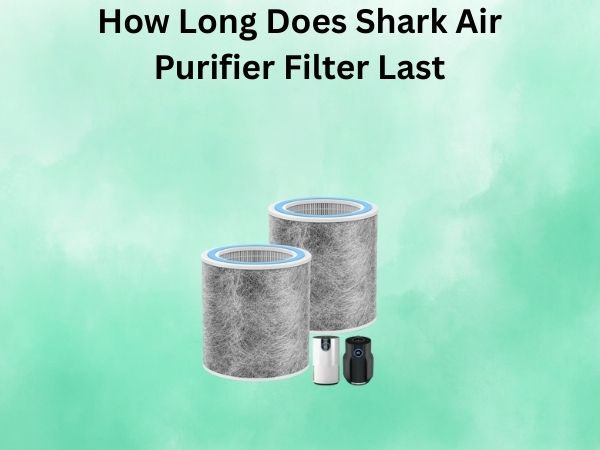
Filter lifespan is typically measured in hours or months of use. If your filter is rated for 8,760 hours (one year of continuous 24/7 operation), running it 12 hours daily means it lasts approximately two years. Running it 24/7 means you’re replacing it annually.
This is important because HEPA filters aren’t cheap. Quality filters can cost $50-$200 or more, depending on your purifier model. Running your device continuously means budgeting for frequent replacements.
The True Cost of Continuous Operation
Calculate the total cost: electricity plus filter replacements. A typical air purifier uses 30-100 watts. Running it 24/7 for a year costs about $26-$87 in electricity (depending on your local rates). Add filter replacements, and you’re looking at $100-$300 annually for truly continuous operation.
That’s not outrageous, but it’s worth factoring into your decision. Think of it as the price of admission to the clean air club.
Smart Scheduling: The Recommended Approach
Morning Preparation Hours
Run your purifier for 1-2 hours starting 30 minutes before you wake up. This ensures clean air when you’re most vulnerable—just waking and still somewhat immunocompromised. Your lungs get refreshed air first thing.
Evening and Nighttime Hours
This is the most important time to run your purifier. Start it 30 minutes before bedtime and let it run through the night and into early morning. That’s typically 8-10 hours of continuous filtration when it matters most.
Afternoon Flexibility
If you cook, have high activity, or open windows frequently during afternoon hours, consider running your purifier during these times. If you’re relatively sedentary with minimal pollution sources, you can skip this period.
Seasonal Adjustments for Air Purifier Operation
Spring and Fall Allergy Seasons
When pollen counts surge, you should definitely increase your purifier runtime. Many people extend operation to 12-16 hours daily or even continuous running during peak allergy season. It’s like upgrading your defense system when threats increase.
Winter Months
During winter, you keep windows closed, which actually helps contain indoor air better. However, heating systems can dry air and circulate particles more effectively. Running your purifier regularly (8-12 hours) helps combat this.
Summer Considerations
Summer brings outdoor pollution and heat, which can increase indoor pollution through open windows and air conditioning. You might increase runtime if outdoor AQI is consistently poor, or reduce it if you rarely open windows.
Technology That Makes Decisions Easier
Smart Sensors and Auto Mode
Modern air purifiers often include air quality sensors that adjust fan speed automatically. In auto mode, your purifier runs at lower speeds when pollution is minimal and ramps up when it detects particles. This is genius because it balances efficiency with effectiveness.
If your purifier has this feature, simply leave it on auto mode, and let the device make runtime decisions for you. It’s like having an intelligent assistant managing your air quality.
Smart Scheduling Through Apps
Many newer models connect to smartphone apps, allowing you to set schedules remotely. You can program it to run during specific hours, adjust fan speeds, and even receive filter life notifications. This technology removes guesswork from the equation.
Common Mistakes People Make With Air Purifiers
Assuming More Hours Always Means Better Results
This is the biggest misconception. Your air purifier has a maximum effectiveness threshold. Running it 24/7 versus 12 hours daily might only yield marginal improvements unless you have significant pollution sources.
Ignoring Filter Maintenance
A clogged filter can’t clean air effectively, regardless of how long it runs. Check your filter monthly and replace it according to manufacturer recommendations. It’s like expecting a vacuum cleaner with a full bag to work well—it simply won’t.
Running the Purifier Without Closing Doors and Windows
Your air purifier can only clean air in the rooms where it operates. If you’re filtering a bedroom but leaving the door open to the living room, you’re diluting its effectiveness. Keep doors closed and windows sealed while running your purifier for maximum impact.
Real-World Scenarios and Recommendations
Scenario 1: Urban Apartment with High Outdoor Pollution
Run your purifier 16-24 hours daily. Consider continuous operation if the outdoor AQI is consistently poor. Your purifier is fighting against constant external pollution.
Scenario 2: Suburban Home with Pets
Run your purifier 12-16 hours daily, focusing on nighttime operation and times when pets are most active indoors. Pet dander is a continuous challenge that requires sustained filtration.
Scenario 3: Rural Home with Clean Air
6-8 hours daily during your most-at-home hours is likely sufficient. Since outdoor pollution isn’t a major factor, you can be more flexible with your operation schedule.
Scenario 4: Home with Asthmatic Child
Run continuously or at least 18-24 hours daily. Your child’s health is the priority, and clean air is non-negotiable. The investment in filters and electricity is minor compared to respiratory health.
Conclusion
So, how long should you leave your air purifier on? The honest answer is: it depends on your specific situation. There’s no universal rule because every home, every family, and every environment is different.
However, if I had to give you a baseline recommendation, I’d suggest starting with 8-12 hours daily, focusing on nighttime operation when you’re sleeping and most vulnerable. This approach provides meaningful air quality improvement without excessive energy consumption or filter replacement costs. From there, adjust based on your specific circumstances: increase operation during allergy season, if you have pets or smokers, if your outdoor air quality is poor, or if anyone in your household has respiratory conditions.
Modern air purifiers with smart sensors make this even easier by automatically adjusting operation based on real-time air quality readings. If you have such a device, simply leave it in auto mode and let technology handle the decision-making.
Remember, the best air purifier schedule is one you’ll actually maintain consistently. A device running 12 hours daily with regular filter replacements will outperform a continuously-running purifier with a neglected filter. Make your decision based on your budget, your home’s pollution levels, and your household’s health needs. Your lungs will thank you for paying attention to this often-overlooked aspect of indoor health.
Frequently Asked Questions
Is it bad to run an air purifier 24/7?
Running your air purifier continuously isn’t inherently bad, but it does increase electricity costs and require more frequent filter replacements. If your home has significant pollution sources or anyone has respiratory issues, continuous operation is absolutely fine. However, if you’re trying to minimize expenses and your air quality is reasonably good with part-time operation, you might choose shorter daily runtimes. The key is matching your operation schedule to your actual needs rather than running it continuously out of habit or fear.
Can running an air purifier too long damage the device?
Air purifiers are designed to run for extended periods without damage. Motors in quality units can handle 24/7 operation without mechanical failure. The only real concern is filter clogging over time, which reduces efficiency but doesn’t damage the purifier itself. As long as you replace filters on schedule and maintain the unit according to manufacturer instructions, continuous operation won’t harm your device.
How do I know if my air purifier is running enough?
The best way to assess whether your purifier is running adequately is to check your local air quality index and monitor your symptoms. If you’re experiencing more allergies, coughing, or congestion than usual, your purifier might not be running long enough or might need a filter replacement. Many modern purifiers include air quality monitors that show real-time pollution levels in your room, making assessment straightforward.
Should I run my air purifier when I’m not home?
Whether to run your purifier while you’re away depends on your priorities. If energy savings are your main concern, you can turn it off while nobody’s home. However, if air quality is your priority, running it continuously—even when you’re away—prevents pollution accumulation. Some people compromise by running it on lower fan speeds during absence hours