How Long Do You Leave Your Air Purifier On? A Complete Guide to Optimal Usage
So, you’ve just unboxed your new air purifier, and the immediate question is: ‘Should I keep this running 24/7, or will that send my electric bill through the roof?’ This common dilemma is shared by many homeowners, and honestly, there’s no simple, universal answer. The truth is, the ideal duration for running your air purifier depends on several factors unique to your specific situation, and grasping these will empower you to make the smartest decision for both your health and your wallet.
Think of your air purifier like a personal health guardian for your home. Just as you wouldn’t go to the gym once and expect lifelong fitness, you can’t run your purifier for an hour and expect pristine air quality for the entire day. It requires consistent effort, but that doesn’t necessarily mean constant operation. Let’s dive deep into this subject and uncover what really works.
Understanding Your Air Purifier’s Purpose and Limitations
Before we talk about duration, let’s get clear on what your air purifier actually does. An air purifier is designed to remove contaminants from the air in your space, whether that’s dust, pollen, pet dander, smoke, or microscopic particles. However, it’s important to understand that your air purifier doesn’t work like magic. It can only clean the air that passes through its filters, which means it needs to run long enough for the air in your room to cycle through the unit multiple times.
The effectiveness of your air purifier hinges on a concept called air changes per hour, or ACH. This measurement tells you how many times your air purifier can completely replace all the air in a room. A higher ACH means faster cleaning, but it also depends on the size of your space and the power of your unit.
What Factors Influence How Long You Should Run Your Air Purifier?
Several variables play into the optimal runtime for your specific situation. These aren’t just random considerations; they’re practical factors that directly impact air quality and efficiency.
Room Size and Air Purifier Capacity
Imagine trying to clean a swimming pool with a bucket. Sure, you’ll eventually make a dent, but it’ll take forever. The same principle applies to air purifiers. A small, entry-level purifier in a large living room will need to run much longer than a high-capacity unit in a bedroom. Your purifier’s specifications should include a CADR rating (Clean Air Delivery Rate) that tells you how effectively it handles different room sizes.
If you’re using the right-sized purifier for your space, you might achieve good air quality with 8 to 12 hours of operation daily. However, if you’ve got an oversized unit, you could potentially run it for shorter periods and still maintain excellent air quality.
Indoor Air Quality Baseline
How polluted is your home to begin with? If you live near a highway, have pets, or someone in your household smokes, your air quality challenge is significantly greater than someone living in a quiet suburban area with no pollution sources. The more contamination you’re fighting against, the longer your purifier needs to work.
You might notice that on days when pollen counts are high, or when your pet has been shedding heavily, you feel compelled to run the purifier longer. This instinct is actually correct. Your purifier needs extended runtime to combat the heavier pollutant load.
Whether You’re Home or Away
Here’s something many people don’t consider: your lifestyle patterns matter. If you work outside the home eight hours a day, those are eight hours when your space isn’t accumulating fresh pollution from cooking, walking around, or moving dust. This means you might not need to run your purifier as aggressively on workdays.
Conversely, weekends when the whole family is home, cooking, playing, and generating activity means more airborne particles. You might want to increase your runtime on these days.
Recommended Daily Running Times for Different Scenarios
Now that you understand the variables, let’s talk practical recommendations. These are evidence-based guidelines, though your specific situation might vary slightly.
For General Home Maintenance
If you have an appropriately sized air purifier and your home doesn’t have extreme pollution sources, running it for 8 to 12 hours daily typically maintains good air quality. Many people run their purifiers during waking hours when they’re in the space and generating activity. This could mean running it from 7 AM to 11 PM, which gives you solid coverage without maxing out your electricity usage.
This approach is like brushing your teeth twice daily rather than obsessively all day long. It’s consistent, effective, and sustainable.
For Homes with Pets or Smokers
If you’ve got Fido shedding his winter coat, or if someone in your household smokes, you should aim for 12 to 16 hours of daily operation. Some people in this situation find that running their purifier from morning until bedtime, plus a few hours in the evening, strikes the right balance. Others prefer running it 24/7, accepting the higher energy costs as a worthwhile trade-off for cleaner air.
Pet owners often report that running their purifiers continuously, or nearly so, makes the most noticeable difference in reducing odors and visible dust accumulation. The investment in slightly higher electricity costs often feels worth it when you’re not constantly wiping down surfaces.
For Allergy or Asthma Sufferers
If someone in your home has serious allergies or asthma, you might consider 16 to 24 hours of operation daily. During high pollen seasons, running the purifier continuously becomes more of a health investment than an optional luxury. Your doctor might even recommend this approach to help manage respiratory symptoms.
Some allergy sufferers use a smart schedule: running their purifier at full power during the day and at a lower speed at night to maintain air quality while minimizing noise during sleep hours.
For Mild Air Quality Concerns
In quieter homes without major pollution sources, you might do well with just 4 to 6 hours of operation daily. Perhaps running it during the afternoon or evening when air quality naturally dips, or when you’re doing activities that generate particles like cooking or vacuuming.
Think of this as the bare minimum approach. It’s not going to give you perfectly pristine air, but it’ll noticeably improve what you’re breathing.
The Case for Running Your Air Purifier 24/7
Some people swear by continuous operation, and there are legitimate reasons for this approach. Air doesn’t stand still; it’s constantly moving around your home due to HVAC systems, open doors, and temperature differences. Continuous operation ensures that all the air in your space gets cleaned multiple times, reducing the chance of pollution accumulation.
Modern air purifiers are actually quite energy-efficient, especially compared to older models. Running a quality purifier continuously might add only 10 to 20 dollars to your monthly electric bill, which seems reasonable when you consider the health benefits.
However, 24/7 operation isn’t necessary for everyone. It’s beneficial if you:
- Have severe allergies or respiratory conditions
- Live in a high-pollution area
- Have multiple pets
- Have someone in the home who smokes
- Are concerned about airborne viruses or bacteria
Energy Efficiency Considerations and Cost Analysis
Let’s talk money, because that’s often the real deciding factor. A typical air purifier uses between 30 to 200 watts, depending on size and power mode. Running a 75-watt purifier continuously at average U.S. electricity rates would cost roughly 60 to 80 dollars per year. That’s genuinely affordable for most households.
Breaking this down further: if you only run your purifier 12 hours daily instead of 24, you’d pay about 30 to 40 dollars annually. The difference of 30 to 40 dollars is minimal, which is why some people reason that 24/7 operation isn’t such a big deal.
However, if you have an older or oversized unit that uses 150+ watts, the calculation changes significantly. That could mean 150 to 200 dollars yearly for continuous operation versus 75 to 100 dollars for half-day operation.
Smart Speed Settings Save Money and Extend Filter Life
Here’s a trick that many savvy users employ: run your purifier on lower speed settings during periods when you don’t need maximum cleaning power. Many modern purifiers have multiple speed settings, and running on low or medium speed uses significantly less energy while still maintaining air circulation.
This approach also extends your filter life. Filters have a limited lifespan, and running at full power continuously will wear them out faster. By using a smart combination of speeds based on your needs, you stretch the time between filter replacements, saving money over the long term.
Seasonal Adjustments to Your Air Purifier Schedule
Your air purifier needs shouldn’t be static throughout the year. Smart operators adjust their usage based on seasonal changes.
Spring Allergy Season
When spring arrives and pollen counts spike, increase your runtime. Many people boost from their normal 8 to 12 hours up to 16 to 20 hours during peak allergy season. Some allergy sufferers run theirs continuously from March through May.
Summer
Summer typically brings lower indoor air quality concerns because windows are open, allowing natural ventilation. You might reduce your runtime during these months, perhaps down to 4 to 8 hours daily, unless you’re dealing with outside air pollution or heat-related air quality issues in your area.
Fall
As fall approaches and people close windows again, increase your runtime. Leaf mold spores and dust become more prevalent, so bumping up to 10 to 14 hours daily is wise.
Winter
Winter is prime time for air purifier usage. Closed windows, indoor heating, and concentrated time spent indoors all increase the importance of air filtration. Many people run their purifiers 12 to 20 hours daily during winter months.
Testing Your Air Quality to Determine Optimal Runtime
Rather than guessing, why not measure your actual air quality? You can purchase affordable air quality monitors that measure PM2.5 particles, which are the most harmful indoor pollutants. These devices cost between 30 to 150 dollars and can give you real data about whether your current purifier schedule is working.
Here’s an experiment you can try: measure your air quality at different times with your purifier off, then turn it on and measure again after two hours, four hours, and eight hours. This gives you concrete data about how long your specific purifier needs to run to achieve your desired air quality standards.
Understanding Air Quality Indexes
Air quality monitors typically display readings on a scale. If your AQI (Air Quality Index) is below 35, your air is considered good. Between 35 and 75 is moderate, and above 75 is unhealthy. Using this framework, you can adjust your purifier runtime until you consistently maintain readings below 50, which represents truly clean air.
Noise Considerations and Sleep Quality
One factor people often overlook is noise. Running your air purifier 24/7 means listening to it all night, which can disrupt sleep for some people. Modern quiet purifiers operate at 20 to 30 decibels on low speed, which is barely audible. However, older models or high-speed operation can reach 50 to 70 decibels, which is comparable to a conversation or television.
If noise is a concern, consider running your purifier at low speed during nighttime hours and increasing the speed during the day. This gives you extended runtime while maintaining reasonable noise levels for sleep.
Some people use white noise from their purifier as a sleep aid, finding that the consistent sound actually helps them sleep better. This is highly individual, so pay attention to what works for you.
Maintenance and Filter Replacement Impact on Runtime
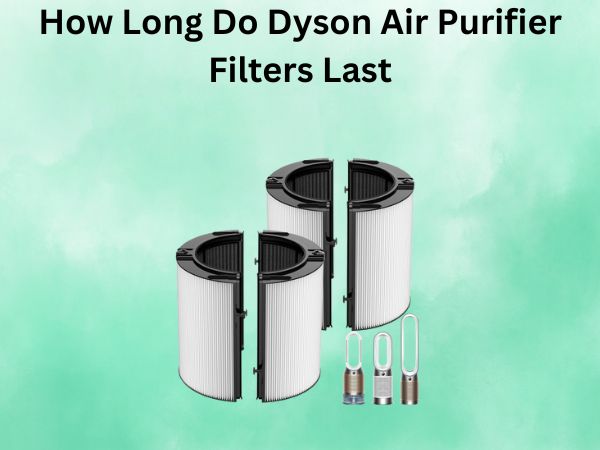
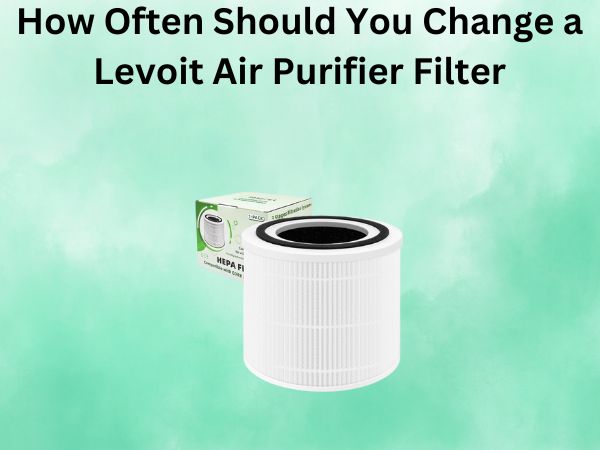
How long you run your purifier affects how often you need to replace filters. Running continuously at high speed might require filter changes every 3 to 6 months, while moderate usage might stretch filter life to 6 to 12 months. Factor this into your decision-making, as filters aren’t free.
A quality HEPA filter might cost 30 to 100 dollars per replacement. If continuous operation requires twice-yearly replacements instead of yearly replacements, that’s an extra 30 to 100 dollars in annual expenses. This might actually exceed the electricity savings from using a more conservative runtime.
Special Circumstances Requiring Extended Operation
Certain situations warrant more aggressive air purifier use regardless of normal considerations.
After Cooking or Burning
If you’ve just cooked something that produced lots of smoke or accidentally burned something, run your purifier at maximum speed for at least two hours. This rapidly removes the smell and particles from your space.
During Illness
If someone in your home is sick with a respiratory illness or contagious disease, running your purifier 24/7 becomes a reasonable precaution. It won’t replace isolation or other measures, but it helps reduce airborne transmission of viruses and bacteria.
After Construction or Renovation
Dust from construction is extensive and persistent. Running your purifier continuously for several days after construction work, then for 8 to 12 hours daily for a week afterward, helps manage the dust load.
During High Outdoor Pollution Events
If your area experiences wildfire smoke, industrial pollution events, or other temporary air quality crises, increase your runtime significantly during these periods.
Combining Your Air Purifier with Other Air Quality Strategies
Don’t think of your air purifier as your only tool for clean air. Combining it with other strategies allows you to run it less aggressively while maintaining better overall air quality.
Regular vacuuming with HEPA filters, wet-dusting surfaces, proper ventilation when outdoor air quality is good, and keeping your home smoke-free all reduce the burden on your purifier. When you use these strategies together, you might achieve excellent air quality with just 6 to 8 hours of daily purifier operation instead of 12 to 16.
Reading Your Purifier’s Indicators and Adjusting Accordingly
Many modern air purifiers have filter saturation indicators that show when filters are getting dirty. Some also have air quality sensors that display current pollution levels. Use these features to guide your decisions. If your filter saturation indicator shows heavy use but your air quality sensor shows excellent air quality, you might safely reduce runtime slightly.
Conversely, if your air quality sensor consistently shows moderate readings even with extended runtime, you might need a larger or more powerful purifier rather than simply running your current one longer.
Creating Your Personalized Air Purifier Schedule
Based on everything we’ve discussed, here’s how to create your ideal schedule:
- Assess your baseline air quality concerns (pets, allergies, location, etc.)
- Determine your purifier’s CADR rating and how well it matches your space
- Start with the recommended runtime for your situation
- Monitor your results using visual cues or an air quality monitor
- Adjust based on results and seasonal changes
- Reassess quarterly to ensure your approach is still optimal
Conclusion
So, how long should you leave your air purifier on? The honest answer is: it depends on your specific situation, and what