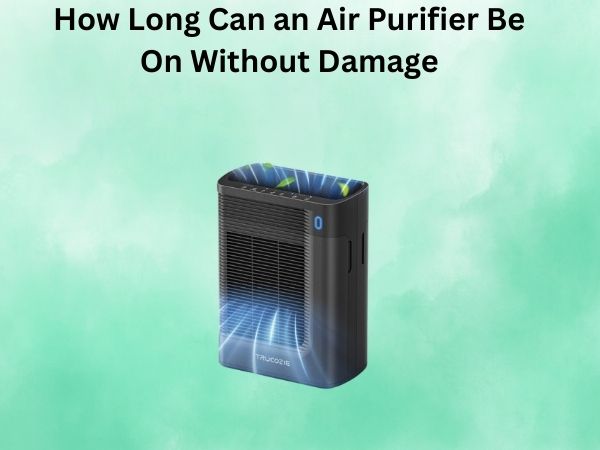
How Long Can an Air Purifier Be On Without Damage? A Complete Guide
So, you’ve unboxed your new air purifier, and a common question pops into your head: is it okay to keep it running constantly? This is a very valid concern that often lacks a clear, direct answer. Imagine your air purifier much like a vehicle’s engine—designed for extended use, yet optimal operation is key to its longevity. I’m here to guide you through all the essentials for operating your air purifier both safely and effectively.
Can You Really Leave an Air Purifier On All Day and All Night?
Here’s the honest truth: most modern air purifiers are actually designed to run continuously. I know that might sound surprising, but it’s true. Manufacturers build these devices with the expectation that many people will want to run them around the clock, especially those dealing with severe allergies, asthma, or poor indoor air quality. However, “designed to run continuously” doesn’t mean “designed to run forever without consequences.”
The distinction is crucial. Your air purifier can probably stay on for 24 hours straight without immediately breaking down or causing damage. Many people do exactly this without issues. But that’s different from saying you should leave it running perpetually without any consideration for maintenance, filter changes, or the device’s overall health.
What the Manufacturers Actually Say
When you dig into the manuals of quality air purifiers, you’ll notice something interesting. Most don’t explicitly say, “Hey, turn this off at night.” Instead, they provide guidelines about filter lifespan, measured in hours of operation. A HEPA filter might be rated for 5,000 hours of operation, for example. That number right there tells you something important: manufacturers are assuming continuous operation as a possibility.
But here’s where people often misunderstand the guidance. If your filter is rated for 5,000 hours and you run your purifier 24/7, you’re burning through those hours at maximum speed. Run it 12 hours daily, and you’re extending the timeline. It’s not rocket science, but it’s a detail many folks overlook.
Understanding Your Air Purifier’s Design Specifications
Motor Durability and Built-In Safeguards
Air purifiers, especially the mid-range to premium models, aren’t cheaply made gadgets designed to fail after a few months. The motors in quality purifiers are built with durability in mind. They’ve undergone testing for thousands of hours of operation. Think of it this way: if a manufacturer says their motor lasts 30,000 hours, they’re not going to sell you a unit that fails at 8,000 hours of continuous use.
What’s interesting is that many modern purifiers include thermal protection features. If your unit starts to get too hot from extended operation, it has built-in mechanisms to shut down automatically. It’s like your body’s fever response—it’s a safety feature designed to protect the device from overheating and damage.
The Noise Factor You Probably Haven’t Considered
Here’s something most people don’t think about when debating whether to run their air purifier continuously: noise. Sure, manufacturers design these units to handle long runtime, but that doesn’t mean the constant whir of a fan 24/7 is practical for human comfort. Running your purifier at full blast constantly might protect the device, but it could drive you absolutely crazy. This is why many people choose to run their purifiers during the day or on lower speed settings at night.
The Continuous Operation Myth and Reality
What’s Actually Wearing Out Your Purifier
If you’re worried about leaving your air purifier on too long, you’re probably thinking about the motor burning out or the internal components frying. That’s a reasonable concern, but it’s not actually the biggest issue facing long-term air purifier use. The real culprit? The filters.
Your HEPA filter, activated carbon filter, and pre-filter are all slowly degrading every single moment your purifier runs. They’re not like a light bulb that works fine until it suddenly burns out. Filters gradually lose their effectiveness. They accumulate dust, pet hair, and allergens, becoming less efficient over time. This is why filter replacement is the primary maintenance concern for air purifier owners, not motor failure.
Motor Fatigue Is Less Common Than You’d Think
Modern air purifiers use relatively simple motor designs—basically, a fan spinning at high speeds. These aren’t complicated mechanisms with dozens of moving parts. The simplicity is actually a strength. A brushless motor in a quality air purifier can genuinely run for tens of thousands of hours. That’s years of continuous operation without stopping.
The real reason manufacturers suggest periodic breaks isn’t always because the motor needs rest. It’s often about practicality: allowing time for maintenance, filter inspection, and giving the device the occasional cool-down period, especially during high-temperature seasons.
Factors Affecting Safe Operating Hours
Room Size and Purifier Capacity
One factor that significantly impacts how long you should run your air purifier is whether you’re using the right size unit for your space. Run an undersized purifier continuously in a large room, and it’s going to work harder and longer to cycle the air. This increases wear and tear. Conversely, an oversized purifier in a small room doesn’t need to run as hard or as long.
Your purifier’s Clean Air Delivery Rate (CADR) is important here. If your unit has a CADR rated for your room size, it can actually clean your air effectively in multiple passes throughout the day, meaning you don’t need 24/7 operation.
Indoor Air Quality Levels
If you live in an area with heavy pollution, smoke from wildfires, or have multiple pets indoors, your air is dirtier. A dirtier environment means your purifier works harder to maintain clean air. In these situations, continuous operation might be necessary and justified. The device is being pushed to its limits, so understanding this context helps you make better decisions about runtime.
Humidity and Temperature Conditions
Operating conditions matter too. Running your air purifier in a humid environment or in extremely hot conditions can stress the motor more than running it in temperate, dry conditions. If you live in Florida versus Arizona, your experience with continuous operation might differ significantly. Heat is the enemy of electronic components, so hot climates warrant more caution about extended runtimes.
Filter Quality and Type
Not all filters are created equal. Premium HEPA filters last longer than budget alternatives. Some filters are designed for high-speed, continuous operation, while others work better with intermittent use. Understanding your specific filter type helps you determine whether 24/7 operation makes sense.
Filter Degradation and Replacement Cycles
How Quickly Filters Actually Degrade
Let’s get specific about what happens to filters over time. A HEPA filter doesn’t suddenly stop working on day 200 of operation. Instead, it gradually accumulates particles, losing efficiency incrementally. After 1,000 hours of operation, your filter might still be at 95% effectiveness. After 5,000 hours, it might be at 75%. The decline is gradual but real.
This degradation happens regardless of whether your purifier runs at high speed or low speed. The filter is constantly trapping particles, and that process is the source of wear. Running your purifier 12 hours daily means your filters last twice as long as running it 24 hours daily, simply because there’s less runtime.
The True Cost of Continuous Filter Use
Here’s what many people don’t calculate: the financial impact of running filters at maximum capacity continuously. Quality HEPA filters cost money—often $50 to $150 per replacement. If you’re running your purifier 24/7 and needing a new filter every six months instead of every year, you’re doubling your filter replacement costs. Sometimes, running your purifier less frequently is not just about device longevity; it’s about your wallet’s longevity too.
Energy Consumption and Cost Implications
What Does 24/7 Operation Actually Cost?
Let’s talk money, because this is often overlooked in discussions about running air purifiers continuously. An average air purifier uses between 30 and 200 watts, depending on the model and speed setting. If you run a 100-watt purifier continuously for a year, you’re consuming 876 kilowatt-hours of electricity.
At the average US electricity rate of about 14 cents per kilowatt-hour, that’s roughly $123 annually. For some households, that’s negligible. For others on tight budgets, it’s a real consideration. And if you’re running multiple purifiers? The costs multiply quickly.
Lower Speed Settings: Your Secret Weapon
Here’s a strategy many air purifier owners don’t leverage effectively: running your purifier on low speed instead of high speed. A purifier running on low speed might consume only 30 watts instead of 100 watts. At night, when you’re sleeping and outdoor pollution isn’t adding new contaminants, running on low is often sufficient. You cut energy costs dramatically while still maintaining air quality.
Motor Lifespan and Maintenance Requirements
How Long Will Your Motor Actually Last?
Quality air purifier motors are rated for 20,000 to 50,000 hours of operation, depending on the model. Let’s do the math on what that means practically. If you run your purifier 24/7 continuously without stopping, 30,000 hours equals roughly 3.4 years of nonstop operation. That’s actually pretty respectable for an electronic device.
Most people, however, don’t run their purifiers continuously. If you run yours 12 hours daily, that same 30,000-hour motor lasts about 7 years. Run it 6 hours daily, and you’re looking at 14 years of potential lifespan. The math clearly favors intermittent use if longevity is your concern.
Maintenance Tasks That Extend Motor Life
Keeping your purifier running for its full rated lifespan requires basic maintenance. Cleaning the pre-filters every month or two prevents unnecessary strain on the motor. A clogged pre-filter forces the motor to work harder, accelerating wear. Replacing HEPA filters on schedule ensures the motor isn’t fighting against resistance.
Keeping your purifier in a dust-free environment also helps. Placing it in a clean corner, away from direct sunlight and heat sources, reduces operational stress. These simple practices extend lifespan more effectively than just limiting runtime.
Best Practices for Extended Runtime
The Optimal Operating Strategy
After considering all these factors, what’s the best approach? Running your air purifier continuously at low speed is generally safer than running it at high speed intermittently. Here’s why: motors handle consistent, steady operation better than they handle frequent power-ups and shutdowns. Each startup creates a surge that stresses the motor slightly. So, if you must choose, 24/7 operation at low speed beats 12 hours daily at maximum speed.
That said, the absolute best practice combines both strategies. Run your purifier 16 to 20 hours daily at moderate to low speed. This provides excellent air quality coverage while giving the device some rest period for cooling and maintenance. It’s the Goldilocks approach: not too much, not too little, just right.
Smart Scheduling With Air Quality Monitors
Modern technology offers a better solution than guesswork. Some premium air purifiers include air quality sensors that automatically adjust fan speed based on actual pollution levels. When your room’s air quality is already good, the purifier runs slower, using less energy and extending filter life. When pollution spikes, it ramps up automatically. This intelligent approach means you never run at full capacity unnecessarily.
Seasonal Adjustments
Your air quality needs change seasonally. During wildfire season or high pollen months, more aggressive purification makes sense. During cleaner seasons, you can reduce runtime significantly. Adjusting your strategy seasonally means you’re using your device efficiently year-round.
When to Give Your Purifier a Break
Signs Your Purifier Needs Rest
Even if your purifier is technically capable of running continuously, certain signs indicate it would benefit from breaks. If the unit feels hot to the touch, that’s a red flag. If it starts making unusual noises or vibrations, your motor might be fatiguing. If you notice the air output seems weaker despite clean filters, the motor might be losing power.
These symptoms suggest giving your purifier a break—perhaps running it less frequently or at lower speeds. Think of it like exercise: even well-built machines benefit from recovery periods.
The Value of Downtime
Running your purifier 20 hours daily instead of 24 hours gives you a 4-hour window for maintenance, inspection, and thermal recovery. During those hours, the device cools down from continuous operation, dust settles naturally, and you can clean pre-filters. It’s not wasted time; it’s preventative maintenance built into your daily routine.
Smart Operation Strategies for Longevity
Combining Multiple Efficiency Tactics
The smartest users don’t rely on a single strategy. Instead, they combine multiple approaches. They run their purifier on low speed at night, medium speed during the day, and high speed only when necessary. They maintain filters religiously. They position their units in optimal locations. They monitor performance and adjust as needed.
This multi-faceted approach means their devices last longer, filters last longer, energy bills stay lower, and their homes maintain excellent air quality. It’s not complicated—it’s just thoughtful usage.
Troubleshooting Signs of Overuse
Sometimes, you might realize you’ve been running your purifier too aggressively. The good news is that air purifiers are remarkably resilient. But here are some signs that you should reduce operating hours or speed:
- Persistent burning smell that doesn’t clear after cleaning
- Visible dust escaping from the exhaust vent
- Significant decrease in air output volume
- Unusual grinding or squealing sounds
- Overheating to the point the unit shuts down on its own
- Error codes or warning lights on display panels
If you notice any of these issues, it’s time to reduce your operating schedule and check your filters for problems.
The Bottom Line: Duration Guidelines
Safe Operating Hours Summary
To summarize what we’ve covered: Most air purifiers are safe to run 24/7 without immediate damage. However, for optimal longevity, cost-effectiveness, and filter efficiency, running your purifier 12 to 20 hours daily at variable speeds is the sweet spot. This approach balances air quality benefits with