How Long Do You Need to Run an Air Purifier? A Complete Guide to Optimal Usage
So, you’ve just unboxed your new air purifier, and a natural question pops up: exactly how long should it be running? It’s a valid point, and honestly, there isn’t a universal answer that fits everyone. Consider it similar to figuring out how long to exercise—it depends heavily on your current fitness, what you aim to achieve, and your specific daily routine. The exact same logic applies to air purifiers. This guide aims to provide all the information you need to operate your air purifier effectively, ensuring you don’t waste power or money.
Understanding Your Air Purifier’s Purpose and Function
Before we dive into the hours and minutes, let’s talk about what an air purifier actually does. These devices work by pulling air through filters—usually a combination of pre-filters, HEPA filters, and activated carbon filters—to remove pollutants, allergens, dust, and other particles. When you turn on your air purifier, it doesn’t work like magic. It needs time to actually process the air in your room and make a noticeable difference in air quality. Think of it as similar to cleaning your house: you can’t just spend five minutes vacuuming and expect your entire home to be spotless.
The effectiveness of your air purifier depends on several factors, including the size of the room, the current air quality, the CADR rating of your device, and how polluted your indoor environment is. Understanding these factors is essential before you decide how long to run your purifier.
The Basics: How Many Hours Per Day Should You Run Your Air Purifier?
Here’s the straightforward answer: most experts recommend running your air purifier continuously, or at least for 12 to 16 hours daily. However, that doesn’t mean you need to run it at maximum speed all day long. Many people find that running it on a lower setting for extended periods is more effective and energy-efficient than running it on high speed for shorter bursts.
Continuous Operation Versus Scheduled Usage
Some people swear by running their air purifiers 24/7, especially if they have serious allergies or respiratory issues. Others prefer to run theirs during specific times when they’re most likely to encounter indoor air pollution—like when cooking, cleaning, or during high pollen season. The truth is, both approaches have merit, and which one you choose depends on your personal needs and circumstances.
If you have pets, smoke indoors, or live in an area with poor outdoor air quality, continuous operation might be your best bet. On the other hand, if your main concern is allergies during specific seasons, you might get away with running your purifier during those times and less frequently otherwise.
The Role of Air Quality Levels
Your current indoor air quality should heavily influence how long you run your air purifier. If you’ve got poor air quality—whether from pollution, dust, allergens, or smoke—you’ll need more runtime to see improvements. Many modern air purifiers come with air quality sensors that can help you determine when the air is sufficiently clean. Once the sensor indicates good air quality, you can reduce your running time accordingly.
Factors That Influence How Long You Should Run Your Air Purifier
Room Size and Air Changes Per Hour (ACH)
One of the most important factors is the size of your room compared to your purifier’s CADR rating. CADR stands for Clean Air Delivery Rate, which measures how quickly a purifier can filter air. The Air Cleaning Association recommends that your air purifier should be able to exchange the air in your room four to five times per hour. For a smaller bedroom, that might mean running your purifier for just a few hours daily. For a large open-concept living area, you might need to run it much longer.
You can calculate this yourself. If your air purifier has a CADR of 200 and your room is 300 square feet with an 8-foot ceiling, it can complete roughly one full air change every 12 minutes. To achieve four air changes per hour, you’d need about three minutes per air change, which this purifier can accomplish. This means even shorter running times might be sufficient for your needs.
Type and Source of Indoor Air Pollution
The kind of pollution you’re dealing with matters significantly. Are we talking about dust, pet dander, cooking odors, smoke, or pollen? Different contaminants require different treatment times. Dust and pet dander settle relatively quickly once filtered, but volatile organic compounds (VOCs) and odors might require longer exposure to activated carbon filters. Smoke particles are particularly stubborn and often need extended filtration time.
Outdoor Air Quality and Season
If you live in an area prone to seasonal air quality issues—think high pollen counts in spring or wildfire smoke in summer—you’ll definitely want to increase your air purifier’s runtime during those seasons. Conversely, during seasons with excellent outdoor air quality, you might reduce your usage and focus on controlling indoor sources of pollution instead.
Health Considerations and Personal Sensitivities
People with severe allergies, asthma, or other respiratory conditions often benefit from longer air purifier runtimes. Similarly, if you have young children or elderly family members, you might want to maintain cleaner air for longer periods. On the flip side, if you don’t have these health concerns and you maintain a relatively clean home, you can probably get by with less intensive usage.
Optimal Running Schedules for Different Scenarios
For Allergy Sufferers
If allergies are your main concern, aim for at least 12 to 16 hours daily, particularly during high pollen seasons. Many allergy sufferers find that running their purifiers while they sleep, combined with daytime usage, provides the relief they need. Running it continuously in your bedroom overnight, for example, ensures you’re breathing cleaner air during those eight hours when you’re most vulnerable to allergic reactions disrupting your sleep.
For General Air Quality Maintenance
If you’re mainly interested in maintaining generally good air quality and don’t have specific health concerns, running your purifier for 8 to 12 hours daily is usually sufficient. Many people run theirs during the day when they’re home and active, or at night when they’re sleeping and can’t control other indoor activities like cooking or cleaning.
For Pet Owners
Pet owners should consider longer runtimes because pets constantly shed hair and dander. If you have cats or dogs, running your purifier for at least 12 hours daily is recommended. Some pet owners run theirs continuously, especially if their pets spend most of their time in one room. The dander accumulates quickly, so consistent filtration is key to managing it effectively.
For Smokers and High-Pollution Environments
Smoke is one of the most challenging pollutants to eliminate, and it can linger in your home for hours after smoking stops. If you smoke indoors or live in a highly polluted area, continuous operation or nearly continuous operation is your best option. Run your purifier whenever someone is smoking, and keep it running for at least an hour afterward to eliminate the lingering particles and odors.
Does Running Your Air Purifier Longer Actually Improve Results?
This is where things get interesting. There’s definitely a point of diminishing returns. Once your air quality reaches a certain level, running your purifier longer doesn’t necessarily make it significantly better. It’s like taking a shower: after you’re clean, taking a longer shower won’t make you cleaner. The first few hours of running your air purifier will show the most dramatic improvements in air quality. After that, the improvements continue but at a slower rate.
However, if you stop running your purifier entirely, pollution will start accumulating again. Think of it as maintaining rather than continuously improving. You run it long enough to achieve good air quality, then you run it enough to maintain that standard.
The Sweet Spot for Energy Efficiency
Running your air purifier continuously on low speed is generally more energy-efficient and effective than running it on high speed for short periods. The constant, gentle filtering prevents buildup of contaminants and keeps your air quality stable without the energy spikes that come with running at maximum capacity. Most modern air purifiers use between 10 to 200 watts, depending on the model and speed setting. Continuous low-speed operation might use around 50 to 100 watts, while high-speed operation could use significantly more.
Smart Features That Help Determine Running Time
Air Quality Sensors and Auto Mode
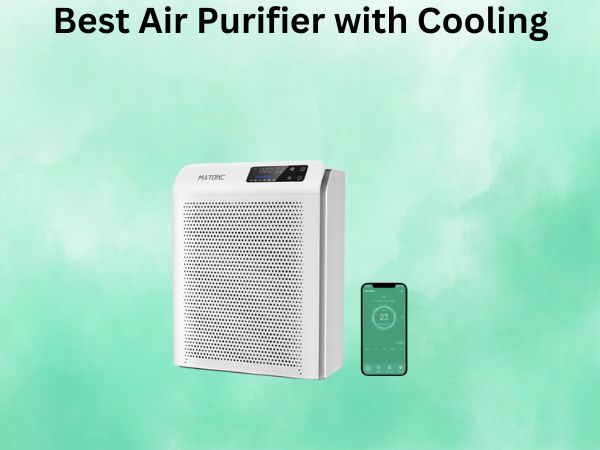
Many modern air purifiers come equipped with air quality sensors that automatically adjust the purifier’s speed based on detected pollution levels. This feature is fantastic because it removes the guesswork from the equation. You can set your purifier to auto mode and let it run continuously. When air quality is good, it’ll operate on low speed, using minimal energy. When it detects pollution, it automatically ramps up the speed. This ensures your air stays clean without unnecessary energy waste.
Timer Functions
Some purifiers have built-in timers that allow you to schedule specific running times. This is particularly useful if you want to run your purifier during specific hours without having to remember to turn it on and off manually. You could set it to run for eight hours while you’re away at work, or overnight while you sleep.
Noise Levels and Comfort Considerations
One factor people often overlook is the noise level of their air purifier. If your purifier is loud, you probably won’t want to run it continuously, especially not at high speed. However, most modern purifiers operate at relatively low noise levels on their lowest settings, making extended operation more tolerable. Check the decibel rating before purchasing, especially if you plan on longer runtimes.
Running Your Air Purifier in Different Rooms
Bedroom Runtime Recommendations
Your bedroom deserves special attention because you spend about a third of your day there, and clean air while sleeping is crucial for health and recovery. Running your air purifier for your entire sleep cycle—usually seven to nine hours—is ideal. Some people run their bedroom purifiers continuously, which is perfectly fine if your model isn’t too loud.
Living Room and Common Areas
Living rooms and common areas tend to accumulate more pollution due to cooking, cleaning, and general activity. If you have a purifier for this space, running it for 12 to 16 hours daily is reasonable. You might turn it off during meals if it’s too loud, then run it afterward to clear the cooking odors and particles.
Kitchen Usage Patterns
The kitchen is a special case because it generates significant pollution from cooking. Running your air purifier for at least an hour after cooking is essential for clearing out cooking odors and particles. Some people run theirs continuously in the kitchen or turn it on immediately when they start cooking.
Seasonal Adjustments to Your Air Purifier Schedule
Your air purifier usage should change with the seasons. During spring and early summer when pollen counts are high, run your purifier longer, especially during the daytime when pollen levels peak. In winter, if you’re dealing with dry indoor air from heating systems, your air quality might actually be relatively good indoors despite outdoor pollution being trapped outside. However, if you live in an area with winter air quality issues from inversions or other pollution, maintain your usage.
Fall and spring are critical seasons for allergy sufferers, so definitely increase your runtime during these periods. Summer might present wildfire smoke concerns depending on your location, and winter heating can create indoor air quality issues in tightly sealed homes.
Maintenance and Filter Life Impact on Running Time
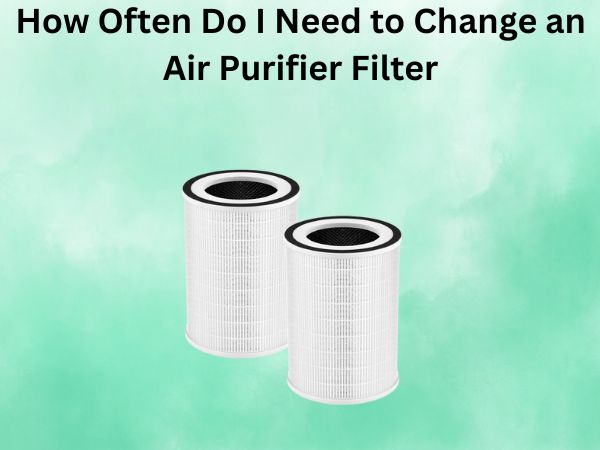
Here’s something many people don’t consider: the cleaner your filters, the more efficiently your purifier works, which might actually allow you to run it less while maintaining the same air quality. Regular filter maintenance is crucial. Check your filter monthly and clean or replace it according to the manufacturer’s recommendations. A clogged filter doesn’t clean air effectively, so you might end up running your purifier longer to compensate.
Most HEPA filters last between 6 to 12 months under normal usage. If you’re running your purifier continuously, you might need to replace filters more frequently. If you’re running it less, you might get longer life out of each filter. Either way, factor in replacement costs when deciding on your running schedule.
The Myth About 24/7 Operation
Some people believe you must run your air purifier 24/7 for it to be effective, but that’s not necessarily true. While continuous operation isn’t harmful to your purifier, it’s not always necessary. Your air doesn’t get dirty that quickly. If you’re not generating new pollution, your air quality stays relatively stable once you’ve achieved good air quality. The key is finding the right balance between air quality and energy efficiency for your specific situation.
Many people find that running their purifier for 12 to 16 hours daily provides excellent air quality while saving on electricity costs compared to continuous operation. You’re not wasting energy on filtering already-clean air for hours on end.
Budget and Electricity Cost Considerations
Let’s talk money. Air purifiers consume electricity, and running costs depend on the wattage and your local electricity rates. A 100-watt purifier running continuously costs about $8 to $12 per month in electricity, depending on your rates. Running it for 12 hours daily might cost around $5 to $7 monthly. These aren’t huge numbers, but they add up over time.
When deciding on your running schedule, consider both the air quality benefits and the electricity costs. For most people, finding a balance between continuous low-speed operation and scheduled usage provides the best value.
Real-World Examples and Personal Recommendations
Let me paint a few scenarios based on what we’ve discussed. If you’re a single person with no pets or respiratory issues living in a decent air quality area, running your purifier for 8 to 10 hours daily—perhaps during the day when you’re home—should be sufficient. A family with two pets and one member with allergies might run theirs for 14 to 16 hours daily, with special attention to nighttime and allergy season runtimes. Someone with severe asthma in a high-pollution area might run theirs continuously, especially at night.
The key is to monitor your air quality and adjust accordingly. Many purifiers with sensors make this easy by showing you real-time air quality data. Trust your nose and how you feel—if you’re experiencing more allergy symptoms or breathing difficulties, your air purifier probably needs more runtime.
Conclusion
So how long should you run your air purifier? The honest answer is: it depends on your specific situation. Most people benefit from running their air purifier for 12 to 16 hours daily, but your optimal runtime might differ based on room size, pollution sources, health concerns, and seasonal factors. Start with a baseline of 12 hours daily and adjust based on your air quality and how you feel. If you have a purifier with an air quality sensor, let it guide your schedule. Remember that finding the right balance between clean air and energy efficiency is a personal decision based on your circumstances. What works for your neighbor might not be ideal for you, and that’s perfectly okay. The important thing is that you’re taking steps to improve your indoor air quality, which is something we should all be doing more of.
Frequently Asked Questions
Can running an air purifier too long damage it or reduce its lifespan?
No, running your air purifier for extended periods won’t damage the device itself. Most air purifiers are designed to handle continuous operation. However, extended usage will cause your filters to get dirty faster, which means you’ll need to replace them more frequently. This is the only real downside to longer running times—increased maintenance costs rather than equipment damage. The motor and components can handle it just fine.
What’s the difference between running an air purifier on high versus low speed for different durations?
Running your purifier on low speed for longer periods is typically more energy-efficient than running it on high speed for shorter bursts. A low-speed continuous operation provides consistent air cleaning without the energy spikes of high-spee