How Long to Leave On an Air Purifier: The Complete Guide to Optimal Runtime
Are you puzzled about the ideal duration for running your air purifier? Many homeowners face this dilemma, striving to find the sweet spot between ensuring fresh indoor air and keeping energy bills in check. Imagine your air purifier as a diligent guardian for your living space—it needs to be active, but is continuous operation truly necessary, or are there times it can rest?
The truth is, there’s no one-size-fits-all answer. The ideal runtime for your air purifier depends on several factors unique to your living situation. In this comprehensive guide, I’ll walk you through everything you need to know about how long to leave your air purifier running, helping you make informed decisions for your specific needs.
Understanding Air Purifier Basics Before We Dive In
Before we tackle runtime recommendations, let’s establish what your air purifier actually does. Air purifiers work by drawing in contaminated air, filtering out pollutants through various mechanisms, and releasing clean air back into your space. The effectiveness of this process depends heavily on how long and how consistently your device operates.
Different purifiers use different technologies—HEPA filters, activated carbon, ionizers, and ultraviolet light—but they all share one common goal: improving your indoor air quality. The longer they run, the more thoroughly they can condition your air, but this comes at a cost in terms of electricity usage and filter wear.
The 24/7 Rule: Should You Leave Your Air Purifier Running All Day?
The Case for Continuous Operation
Many air quality experts recommend running your air purifier continuously, especially if you’re dealing with persistent indoor air problems. Leaving it on around the clock ensures that pollutants are constantly being removed from your environment. This approach works particularly well if you’re dealing with issues like:
- Chronic allergies or asthma
- Pet dander that accumulates quickly
- Regular cooking odors
- Dust from high-traffic areas
- Smoke sensitivity
When you run your purifier continuously, you’re essentially maintaining a clean air baseline. New pollutants that enter your space get filtered out promptly, preventing them from accumulating and becoming a bigger problem later. It’s like doing dishes immediately after meals rather than letting them pile up in the sink.
The Energy and Cost Consideration
However, running your air purifier around the clock does consume electricity. Most modern air purifiers use between 30 to 200 watts, depending on their size and power setting. If you’re in an area with high electricity costs, this could translate to a noticeable increase in your monthly bills. Running a mid-range 75-watt purifier continuously for a year could add approximately $65 to $80 to your annual energy costs, though this varies by region.
Smart Runtime Strategies Based on Your Living Situation
For Allergy Sufferers: Extended Operation is Key
If you or someone in your home has allergies, I’d recommend running your air purifier for at least 12 to 16 hours daily, with 24/7 operation being ideal. Allergens like pollen, dust mites, and pet dander don’t take days off, so your air purifier shouldn’t either. Many people find that running it continuously during high pollen season and reducing to 12-16 hours during off-season provides a good balance.
For Pet Owners: A Modified Approach
Pet hair and dander are particularly problematic because they’re constantly being shed into your environment. I’d suggest running your purifier for at least 8 to 12 hours daily, with longer periods during shedding seasons. If your pet spends time primarily in certain rooms, consider placing your purifier in those areas and running it whenever your pet is present, plus several hours afterward to ensure complete air cycling.
For General Household Use: Moderate Operation
If you don’t have specific air quality concerns, running your air purifier for 6 to 8 hours daily—perhaps during evening hours when you’re spending time in your home—can be sufficient. Many people set their purifier to run automatically during sleeping hours when windows are typically closed and air circulation is minimal.
For Smokers or Cooking Enthusiasts: Strategic Timing
If you cook frequently or have smokers in the home, you’ll want your purifier running during and for at least 2-3 hours after these activities. Cooking particulates and smoke linger in the air longer than you might expect, spreading through your home and settling on surfaces. Running your purifier actively during these times captures these pollutants before they become deeply embedded in your furniture and fabrics.
The ACH Rating and Runtime Connection
Let me introduce you to an important concept that most people overlook: Air Changes Per Hour (ACH). This metric tells you how many times your purifier can completely cycle all the air in a room. A purifier with a high ACH rating can clean your air more thoroughly in less time.
If your air purifier can achieve 3-4 ACH (meaning it cycles all the air in your room 3-4 times per hour), you might only need it running for 2-3 hours to achieve one complete air cleaning. However, if your unit only achieves 1 ACH, you’d need it running longer to achieve the same result. Check your purifier’s specifications to understand its ACH rating for your room size.
Seasonal Variations in Runtime
Spring and Summer Challenges
During spring and summer, outdoor pollutants like pollen and air pollution often find their way indoors. If you’re someone who opens windows regularly, you might need to increase your air purifier runtime during these seasons. I recommend ramping up from your baseline to 10-14 hours daily when pollen counts are high.
Fall and Winter Adjustments
Winter typically means less outdoor air infiltration because windows stay closed more often. However, winter brings indoor challenges like dry air, increased heating system activity, and more time spent indoors. You might maintain your baseline runtime or even increase it slightly because more people are congregating indoors where pollutants can concentrate.
Room Size Matters More Than You Think
The size of your room directly affects how long you need to run your air purifier. A small bedroom purifier covering 200 square feet will clean that space much faster than the same model trying to handle a 500 square foot living room.
Here’s a practical guideline:
- Small rooms (under 250 sq ft): 4-6 hours daily may be sufficient
- Medium rooms (250-500 sq ft): 6-10 hours daily for optimal results
- Large rooms (500-1000 sq ft): 10-16 hours or continuous operation
- Whole-home systems: Usually recommended for continuous operation
If your purifier seems undersized for your room, you’ll need to run it longer to achieve comparable air quality. Conversely, an oversized purifier could complete its work in fewer hours.
Filter Condition and Runtime Efficiency
Here’s something critical that people often overlook: your air purifier’s runtime effectiveness diminishes as filters become clogged. A brand-new filter can work efficiently for the duration specified in its capacity. But as it collects dust and particles, its ability to process air effectively declines.
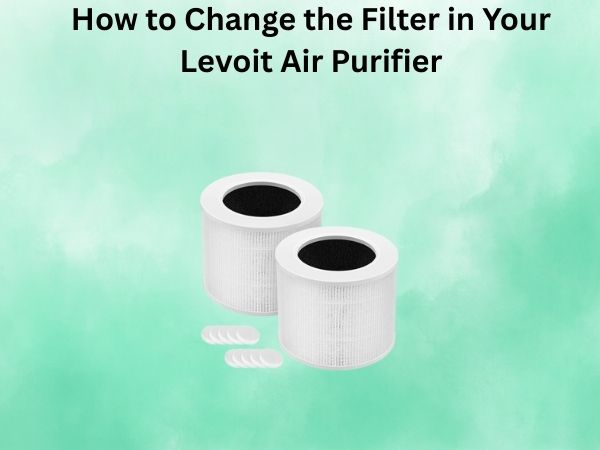
You might find that you need to increase runtime as your filter ages, or your purifier’s performance metrics might show reduced airflow. Most manufacturers recommend checking filters monthly and replacing them every 6-12 months, depending on usage and your home’s air quality. Fresh filters mean your purifier can accomplish more in the same amount of time.
Smart Features That Optimize Your Runtime
Air Quality Sensors and Auto Mode
Modern air purifiers often include air quality sensors that automatically adjust fan speed based on detected pollution levels. If your purifier has this feature, enabling auto mode can be incredibly convenient. The device will run at maximum capacity when pollution is detected and reduce to maintenance levels during cleaner periods. This intelligent approach saves energy while ensuring your air stays clean.
Timer Functions for Scheduled Operation
Many purifiers come with timer functions allowing you to set specific operating schedules. You might program it to run for 8 hours starting at 6 PM, ensuring clean air when you’re spending evening time at home. This automation takes the guesswork out of maintaining a schedule.
Sleep Mode Options
If your purifier has a sleep mode with quieter operation, you can easily run it throughout the night when noise isn’t a concern. Many people find this ideal because you’re sleeping in cleaner air for 7-8 hours, and the purifier operates at a whisper-quiet level that doesn’t disturb rest.
The Relationship Between Runtime and Room Air Circulation
Your air purifier’s effectiveness depends not just on how long it runs but also on how well air circulates in your room. If your purifier is placed in a corner opposite from where you spend most time, pollutants might not reach it efficiently. Good placement combined with appropriate runtime creates a synergistic effect.
Consider your room layout when determining runtime. Rooms with good air circulation through open floor plans might reach acceptable air quality with shorter runtimes. Rooms with multiple enclosed areas or poor airflow might need extended operation to ensure thorough cleaning throughout the entire space.
Health Conditions That Demand Extended Operation
Respiratory Conditions
If you have asthma, COPD, or other respiratory conditions, longer runtimes become not just a preference but a health necessity. People with these conditions are significantly more sensitive to air pollutants, and continuous air purification can meaningfully improve their quality of life. Most pulmonary specialists recommend 16-24 hour operation for individuals with significant respiratory challenges.
Immunocompromised Individuals
People with weakened immune systems benefit from extended air purification. Running your purifier continuously helps reduce the burden of airborne pathogens and allergens that could trigger serious health consequences.
Balancing Cost and Benefits: Finding Your Sweet Spot
Determining your ideal air purifier runtime ultimately comes down to balancing several factors: your health needs, energy budget, air quality concerns, and room characteristics. There’s no universal answer because everyone’s situation differs.
Start by assessing your baseline needs. Do you have allergies, pets, respiratory conditions, or other air quality concerns? Your answers determine your minimum recommended runtime. From there, you can experiment with adjusting schedules to find the balance that maintains acceptable air quality without excessive energy consumption.
Many people find that starting with 10-12 hours daily and adjusting up or down based on how they feel provides a good foundation. If you notice allergies worsening or smell and odors persisting, increase runtime. If you’re not noticing any difference with extended operation, you might be able to reduce it slightly.
One Year of Continuous Operation: What Does It Cost?
Let me break down the actual financial impact of continuous operation. Assuming an average purifier consuming 75 watts running 24/7 for a year:
- 75 watts × 24 hours × 365 days = 657,000 watt-hours per year
- 657,000 watt-hours = 657 kilowatt-hours annually
- At an average rate of $0.12 per kilowatt-hour: $78.84 annually
- This varies by region, with higher rates in areas like California ($0.20+) and lower rates in areas like Louisiana ($0.09)
For most people, this cost is reasonable insurance for maintaining clean air, especially if they have health concerns. However, cutting operation to 12 hours daily would reduce this cost to approximately $39, making it more financially feasible for budget-conscious households.
Conclusion
The question of how long to leave your air purifier running doesn’t have a single correct answer—it’s highly individualized based on your circumstances. However, understanding the key factors that influence this decision empowers you to make smart choices for your home and health.
For most people, running an air purifier for 8-16 hours daily provides an excellent balance between maintaining clean air and managing energy costs. Those with allergies, pets, respiratory conditions, or other specific air quality concerns should lean toward the higher end of that range or consider continuous operation. The investment in extended runtime is particularly justified if it meaningfully improves your quality of life or health outcomes.
Remember that your air purifier works best when paired with good habits: regular filter replacement, appropriate room sizing, and thoughtful placement. Combined with strategic runtime decisions, these practices ensure your air purifier serves you effectively for years to come. Take time to assess your unique situation, consider the recommendations in this guide, and adjust your routine as needed. Your lungs will thank you for the effort.
Frequently Asked Questions
Can I damage my air purifier by running it continuously?
Most modern air purifiers are engineered to handle continuous operation without mechanical damage. However, running continuously does accelerate filter degradation, meaning you’ll need to replace filters more frequently. Check your manufacturer’s specifications regarding continuous operation capabilities. Most quality units are designed with this usage pattern in mind, though budget models might not be as durable. If you plan to run your purifier 24/7, investing in a higher-quality unit with proven reliability is worthwhile.
Does running my air purifier continuously increase my electricity bill significantly?
Continuous operation does increase your electricity consumption, but the impact is typically modest. A standard air purifier adds roughly $60-100 annually to your electricity bill with continuous operation, depending on your local rates and the unit’s wattage. This translates to about $5-8 monthly, which many people find reasonable for improved air quality. If cost is a concern, operating on a schedule of 12-16 hours daily can cut this expense roughly in half.
What’s the best time of day to run an air purifier?
The ideal time depends on your lifestyle. Many people prefer running purifiers during evening and night hours when they’re home and sleeping with windows closed. However, if you cook or have specific pollutant sources (pets, smokers), running the purifier during and after those activities is crucial. For allergy sufferers, running during high pollen hours—typically early morning and evening—provides targeted relief. Ultimately, whenever you’re spending time in the space and when pollution is highest makes the most sense.
Should I turn off my air purifier when I’m not home?
This depends on your priorities and home conditions. Turning it off saves energy and extends filter life. However, if you leave your home with windows closed for extended periods, turning off the purifier means stale air accumulates. Compromised locations like homes with pets or mold concerns might benefit from at least some operation while absent. Using a timer to run the purifier for a few hours during the middle of the day helps maintain baseline air quality without continuous operation. Ultimately, balance your energy savings against your air quality preferences.
Do I need to run my air purifier on high speed, or can I use low speed for longer?
Low-speed operation for extended periods can be as effective as high-speed operation for shorter times if your purifier has good air circulation. However, high-speed operation cycles air more rapidly through filters, capturing pollutants faster. For optimal results with lower noise and energy usage, medium speed for moderate duration offers a good compromise. If your purifier has an auto mode that adjusts speed based on air quality, this provides the best balance of efficiency and effectiveness without requiring manual adjustments.
“`