Vacuum Cleaner Watts: What’s a Good Wattage for Power
So, you’re wondering about vacuum cleaner wattage? For most homes, a vacuum with **around 100 to 200 air watts** offers a great balance. This range provides enough **suction power** to tackle everyday messes without being overkill. Don’t just look at motor wattage; focus on air watts for a truer picture of cleaning ability.
We found that motor wattage alone can be a bit misleading. It tells you how much electricity the motor uses, not necessarily how well it cleans. Air watts measure the vacuum’s overall performance, considering both airflow and suction. This means a lower motor wattage might still deliver excellent cleaning if its design is efficient, giving you a powerful clean.
- Air watts matter more than motor wattage for cleaning power.
- 100-200 air watts is generally good for most homes.
- Consider your floor types and cleaning needs.
- Bagless vs. bagged vacuums have different airflow dynamics.
Let’s break down what air watts really mean for your cleaning routine and how to pick the best one for your floors.
You’ve seen the numbers, maybe felt a little overwhelmed. “What wattage do I really need?” It’s a question many homeowners ask when facing the dazzling array of vacuum cleaners. You want a machine that makes cleaning easier, not harder. Let’s clear the air and figure out what kind of power you should be looking for.
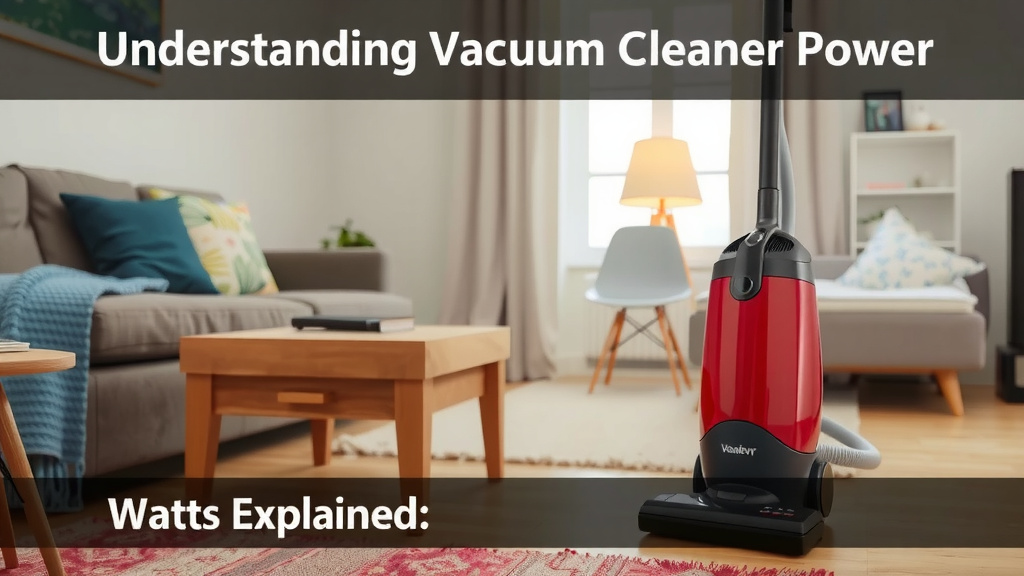
Understanding Vacuum Cleaner Power: Watts Explained
When we talk about vacuum cleaner watts, it’s easy to get confused. There are actually a couple of ways watts are measured, and only one truly tells you about cleaning performance. You might see motor wattage and air watts. It’s important to know the difference to make the best choice for your home.
Motor Wattage: How Much Electricity It Uses
Motor wattage tells you how much electrical energy the vacuum’s motor consumes. Think of it like the horsepower rating on a car engine. A higher motor wattage means the motor uses more electricity. However, this number doesn’t directly translate to how well the vacuum sucks up dirt. A high motor wattage could go to waste if the vacuum isn’t designed efficiently. We found that motor wattage alone can be a bit misleading. It tells you how much electricity the motor uses, not necessarily how well it cleans.
Air Watts: The Real Measure of Suction Power
Air watts are a more accurate way to measure a vacuum cleaner’s actual cleaning power. This measurement considers both the airflow and the suction. It tells you how much work the vacuum can do. Many experts say air watts are the better indicator of performance. A vacuum with a high air watt rating will generally pick up more dirt and debris. We found that a lower motor wattage might still deliver excellent cleaning if its design is efficient, giving you a powerful clean.
| Vacuum Type | Typical Air Watt Range | Best For |
|---|---|---|
| Cordless Stick Vacuums | 20-150 AW | Quick cleanups, hard floors, light-duty tasks |
| Upright Vacuums | 100-300 AW | Carpeted homes, deep cleaning, larger homes |
| Canister Vacuums | 100-350 AW | Versatility, hard floors, stairs, delicate surfaces |
| Robotic Vacuums | 10-50 AW | Maintenance cleaning, daily dust and pet hair |
Finding the Right Air Watts for Your Home Needs
So, how many air watts do you actually need? The answer depends a lot on your home and your cleaning habits. It’s not a one-size-fits-all situation. You want enough power, but you don’t want to pay for more than you’ll ever use. Let’s break down what different air watt ranges can do for you.
Low Air Wattage (Under 100 AW): What to Expect
Vacuums in this range are typically less powerful. They are often found in smaller, portable models or basic stick vacuums. These are great for quick spot cleaning. Think about spilled cereal or dust bunnies. They can handle light debris on hard floors. However, they might struggle with deep-pile carpets or heavy pet hair. Many robotic vacuums fall into this category. Their job is maintenance, not deep cleaning.
Mid-Range Air Wattage (100-200 AW): The Sweet Spot
This is where most homeowners will find their perfect match. Vacuums in the 100 to 200 air watt range offer a fantastic balance of power and efficiency. They can tackle everyday messes with ease. You’ll find this power level in many good quality upright and canister vacuums. They work well on both carpets and hard floors. This range is generally sufficient for homes with pets. It can handle moderate amounts of pet hair and dander. We found that around 100 to 200 air watts offers a great balance for most homes.
High Air Wattage (Over 200 AW): For Tough Jobs
If you have wall-to-wall carpeting, lots of pets, or frequently deal with deep-seated dirt, you might consider higher air wattages. Vacuums with over 200 air watts are beasts. They offer superior suction power for deep cleaning. This means they can really get into carpet fibers to pull out embedded dirt and allergens. These are often high-end uprights or canisters. They might be overkill for smaller apartments or homes with mostly hard floors. More power usually means a higher price tag and more electricity usage. Research from the Environmental Protection Agency (EPA) suggests that energy-efficient appliances can lead to cost savings over time.
Beyond Air Watts: Other Factors to Consider
While air watts are your best friend for understanding suction power, they aren’t the only thing that matters. Your cleaning experience is also affected by the vacuum’s design, features, and your specific home environment. Think of it like buying shoes: a good sole is important, but so is the fit and the type of shoe!
Floor Types Matter Most
Do you have mostly plush carpets or shiny hardwood floors? The type of flooring you have will heavily influence the power you need. For homes with a lot of carpet, especially deep pile, you’ll want higher air watts. This ensures you can lift dirt that gets trapped deep within the fibers. If your home is primarily hard floors, like tile, laminate, or wood, you can often get away with lower air watts. Many experts also recommend vacuums with adjustable height settings for different floor types (Consumer Reports).
Bagged vs. Bagless: How Airflow Differs
The choice between a bagged and bagless vacuum can affect airflow dynamics. Bagless vacuums often have cyclonic separation, which can maintain suction as the bin fills. However, emptying the bin can release dust. Bagged vacuums contain the dirt in a sealed bag, which can help with allergies. Some studies suggest that bagged vacuums may offer better filtration for allergy sufferers (National Institute of Allergy and Infectious Diseases). When the bag gets full, suction can decrease until it’s replaced. Consider which system best suits your needs for convenience and air quality.
Weight and Maneuverability
A vacuum with incredible suction won’t do you much good if it’s too heavy to push or too cumbersome to get around furniture. Think about how you’ll be using the vacuum. Do you need to carry it up and down stairs? Do you have a lot of tight corners and obstacles? Lighter vacuums with good swivel steering can make a huge difference in how you feel about cleaning day. We found that ease of use is often just as important as raw power.
Attachments and Features
Don’t forget about the little things! Specialized attachments can boost your vacuum’s versatility. A crevice tool is great for tight spots. A brush roll on/off switch is essential for switching between carpets and hard floors. Some vacuums come with pet-specific tools that are designed to tackle stubborn pet hair. These features can make a big difference in how effectively you can clean your entire home.
So, while you’re aiming for that sweet spot of 100-200 air watts for most homes, remember to look at the whole picture. Your floors, your pets, and even how you like to clean all play a part. Now, let’s summarize what you need to remember.
- Focus on Air Watts: This is the true measure of cleaning power.
- Know Your Floors: Carpets need more power than hard surfaces.
- Consider Pets: Lots of pet hair? Aim for higher air watts.
- Think About Weight: A powerful vacuum you can’t handle is useless.
- Bagged or Bagless?: Decide based on your allergy needs and convenience.
Conclusion
Choosing the right vacuum cleaner comes down to understanding its true power – air watts. For most households, a range of 100 to 200 air watts provides the perfect blend of cleaning performance and efficiency. Remember, motor wattage isn’t the whole story. Your specific needs, like floor types and pet ownership, also guide your decision. Don’t forget to consider factors like weight and attachments for a truly effective clean. Now that you’re armed with this knowledge, head out and find the vacuum that will make your cleaning routine a breeze!
Frequently Asked Questions
Is a vacuum cleaner with 150 air watts powerful enough for pet hair?
Yes, a vacuum with 150 air watts is generally considered powerful enough to handle moderate amounts of pet hair. This mid-range power is excellent for everyday cleaning and can effectively lift fur from most surfaces. For homes with exceptionally heavy shedding or deep-pile carpets, you might consider looking slightly higher, but 150 AW is a solid starting point.
Can I use a low air watt vacuum on my carpets?
Vacuums with low air watts, typically under 100 AW, are best suited for hard floors and very low-pile carpets. If you have medium to high-pile carpets, you’ll likely find a low-wattage vacuum struggles to pull up embedded dirt and pet hair. It might be okay for quick touch-ups but won’t provide a deep clean.
What’s the difference between motor watts and air watts for vacuum cleaners?
Motor wattage indicates how much electricity a vacuum’s motor uses, similar to a car’s engine size. Air watts, on the other hand, measure the vacuum’s actual cleaning effectiveness by considering both suction power and airflow. Air watts are a much better indicator of how well a vacuum will perform on your floors.
Do cordless stick vacuums have enough power compared to uprights?
Cordless stick vacuums can vary greatly in power. While many are designed for quick cleanups and have lower air wattages (often 20-150 AW), some newer, high-end models offer comparable power to traditional upright vacuums. It’s essential to check the air watt rating for cordless models if strong suction is a priority for you.
Should I choose a bagged or bagless vacuum based on air watts?
The choice between bagged and bagless vacuums doesn’t directly impact air watts. Both types can achieve high air watt ratings. Your decision should be based on personal preference: bagless vacuums are convenient and cost-effective long-term, while bagged vacuums can be better for allergy sufferers and easier to dispose of dust.
![7 Best Handheld Vacuum For Hardwood Stairs [2026]](https://bathroomexplorer.com/wp-content/uploads/2026/05/7-best-handheld-vacuum-for-hardwood-stairs-2026-featured-768x432.jpg)