How Many Years Should Your Vacuum Cleaner Last
Your vacuum cleaner should last between 8 to 15 years on average. This lifespan depends on its build quality and how well you maintain it. Some high-end models might even go longer with proper care.
The type of vacuum you own plays a big role too. A simple corded upright might outlive a complex cordless stick if not cared for. Understanding the factors that influence longevity can help you get the most out of your cleaning tool and avoid premature replacements.
- A vacuum cleaner generally lasts 8-15 years.
- Build quality and maintenance are key factors.
- Different vacuum types have varying lifespans.
- Regular upkeep can significantly extend its life.
Let’s walk through exactly what makes a vacuum last longer and what you can do to ensure yours serves you well for years to come.
What’s the Expected Lifespan of Your Vacuum Cleaner?
You’re probably wondering, “How long should my vacuum cleaner actually last?” We’ve found that most vacuum cleaners are built to last anywhere from 8 to 15 years. This is a good general range, but it’s not a hard and fast rule. Think of it like a good pair of shoes; some wear out much faster than others.
The lifespan really comes down to two main things: how it was made and how you treat it. A well-built vacuum that gets regular check-ups can easily hit that 10-year mark or even surpass it. On the flip side, a cheaper model or one that’s neglected might not make it half that time.
Factors That Determine Your Vacuum’s Longevity
Build Quality and Brand Reputation
The first major factor is the quality of the materials used and the overall engineering. Higher-end vacuums often use more robust plastics, stronger motors, and better-designed internal components. This means they’re less likely to break down under normal use. We’ve seen that brands known for durability often cost more upfront, but they can be a wiser investment over time.
For example, many experts suggest that a vacuum built with metal gears instead of plastic ones will perform better and last longer. You’ll often find these in more premium models. Always check reviews and consider what materials are highlighted for durability.
Type of Vacuum Cleaner You Own
Not all vacuums are created equal, and their design impacts how long they typically last. You’ll find different lifespans across various types:
- Upright Vacuums: These are often workhorses and, if well-built, can last 10-15 years. They tend to be simpler in design, which can mean fewer things to break.
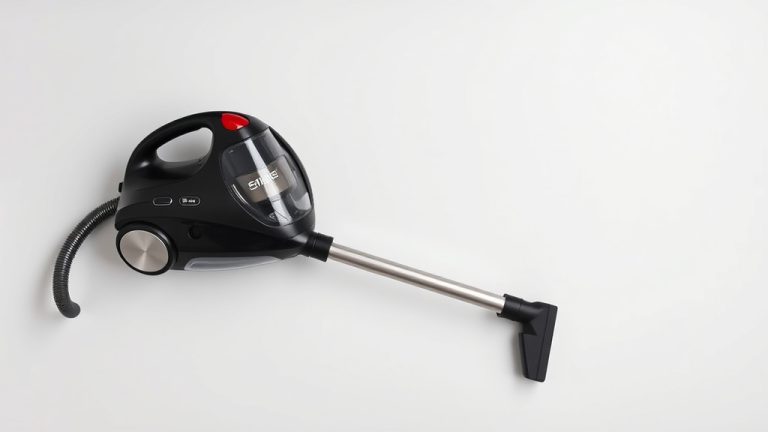
- Canister Vacuums: Similar to uprights in terms of durability, with a good one lasting 10-15 years. The separate hose and wand can sometimes be points of wear if not handled carefully.
- Cordless Stick Vacuums: These are newer and can be more complex. Their lifespan is often tied to battery life, which can degrade after 3-5 years. The motor and other parts might last longer, but battery replacement can be costly or impossible. We’ve found these might last 5-8 years before the battery significantly impacts usability.
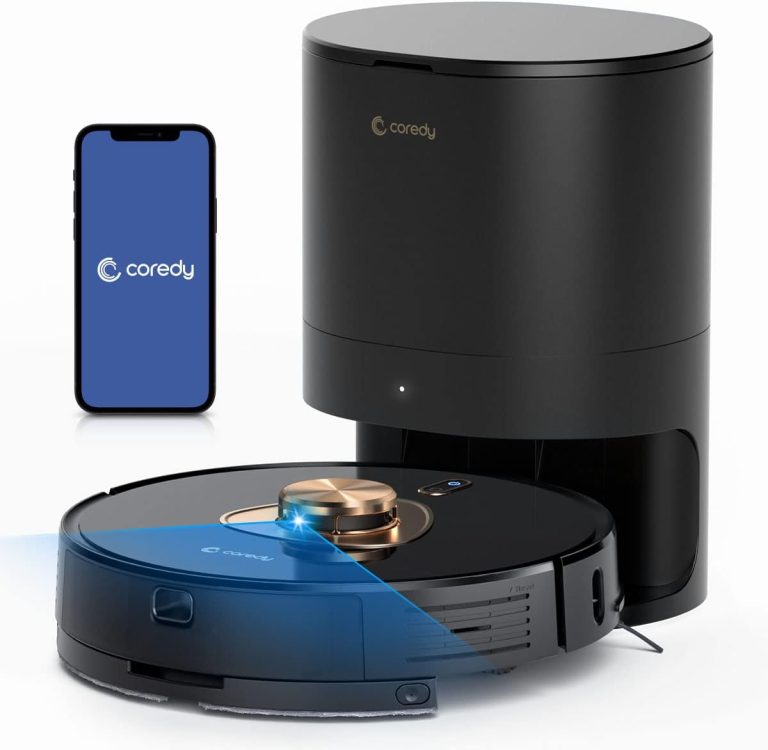
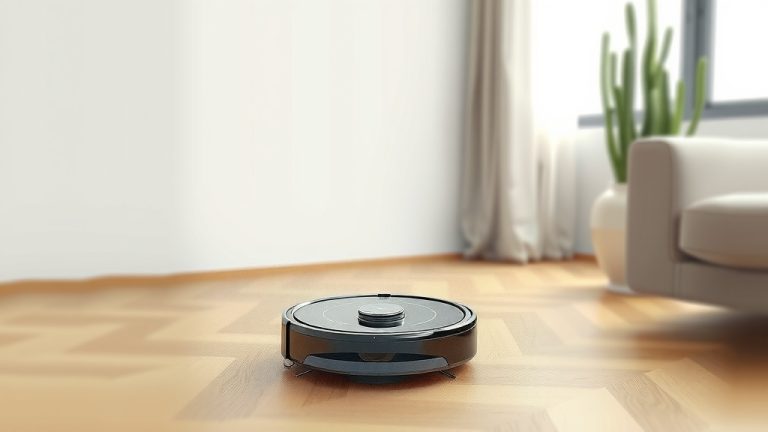
- Robotic Vacuums: Similar to cordless sticks, these have batteries that will eventually need replacing. They also have more sensors and intricate moving parts that can be prone to failure. Expect a lifespan of 4-7 years, with battery and software updates being key concerns.
- Handheld Vacuums: These are smaller and less powerful, often used for spot cleaning. Their lifespan can vary widely but might be around 3-6 years, again often limited by battery life if cordless.
Frequency and Intensity of Use
How often and how hard you use your vacuum makes a big difference. A vacuum used for a quick weekly sweep will naturally last longer than one that cleans up daily messes in a busy household. We found that using your vacuum for its intended purpose is key.
For instance, using a lightweight cordless stick for deep carpet cleaning might strain its motor and battery. Pushing a powerful upright through heavy pet hair on a large home every day will also add wear and tear. Overworking your machine is a fast track to a shorter lifespan.
The Surfaces You Clean
The types of surfaces you clean can also affect your vacuum’s lifespan. Hardwood floors and low-pile rugs are generally easier on a vacuum than thick, high-pile carpets or shag rugs. These plush surfaces require the vacuum’s motor to work harder to create suction and agitate the dirt.
We found that vacuums designed for pet hair often have more robust brush rolls and stronger suction to tackle those tougher jobs. If you have a lot of high-pile carpets, investing in a vacuum built for that task will likely serve you better and longer than a general-purpose model.
Simple Maintenance Habits for a Longer-Lasting Vacuum
Emptying the Dustbin or Bag Regularly
This is perhaps the most critical maintenance task. When the dustbin or bag is full, the vacuum has to work much harder to pull in air and debris. This strains the motor and reduces suction power.
We recommend emptying the dustbin or changing the bag before it’s completely full. For most households, this means emptying it after every one or two uses. It’s a small step that makes a big difference in performance and longevity.
Cleaning and Replacing Filters
Filters are the unsung heroes of your vacuum. They trap dust and allergens, preventing them from recirculating into your air and, more importantly, from getting back into the motor. Clogged filters restrict airflow, leading to overheating and reduced suction.
Many vacuums have washable filters. Check your manual; if yours is washable, rinse it thoroughly under cool water and let it air dry completely before putting it back. Non-washable filters should be replaced according to the manufacturer’s recommendations, typically every 6-12 months. Many experts say this is a cost-effective way to keep your vacuum running efficiently.
Keeping the Brush Roll Free of Debris
Hair, threads, and other gunk can easily wrap around the brush roll. When this happens, the brush roll can’t spin properly, which hinders cleaning performance. It also puts extra strain on the motor that drives the brush.
We suggest a quick check and cleaning of the brush roll after each major vacuuming session. Most vacuums allow you to easily access and cut away tangled debris with scissors. Some models even have self-cleaning brush rolls, which are a nice bonus!
Checking Hoses and Attachments for Blockages
Hoses can become surprisingly clogged with larger items like socks or small toys. A blocked hose stops suction dead in its tracks and can cause the motor to overheat. This is a common problem, especially in homes with kids or pets.
Periodically, disconnect the hose and look through it. If you see a blockage, try to dislodge it gently with a long, blunt object like a broom handle. Also, check all your attachments and wand to ensure they are clear. A clear path for air means a happy, healthy vacuum.
Proper Storage
How you store your vacuum matters, too. Avoid shoving it into a tight closet where cords can get kinked or parts can get damaged. If you have a cordless model, store it in a cool, dry place. Extreme temperatures can affect battery life.
For vacuums with cords, ensure the cord is wrapped neatly, not tightly wound. Many vacuums have built-in cord wraps. Proper storage helps prevent accidental damage and keeps your vacuum ready for its next cleaning task.
A Quick Checklist for Vacuum Maintenance
Want to keep your vacuum running like new? Follow this simple checklist:
- Empty dustbin/bag after every 1-2 uses.
- Clean or replace filters every 6-12 months.
- Remove hair/debris from brush roll regularly.
- Check hoses and attachments for blockages.
- Store your vacuum neatly in a safe spot.
- Consult your manual for specific care instructions.
Conclusion
You’ve learned that your vacuum cleaner’s lifespan hinges on more than just its price tag. Build quality, how you use it, and the surfaces you clean all play a role. Most vacuums can last between 8 to 15 years with the right care. Consistent, simple maintenance—like emptying the dustbin and cleaning filters—is your best bet for longevity. Don’t forget to check your manual for specific tips tailored to your model. Now, put these tips into practice to enjoy your vacuum for years to come!
Frequently Asked Questions
How often should I really be changing my vacuum’s filters?
We found that cleaning or replacing your vacuum’s filters typically every 6 to 12 months is a good rule of thumb. If your vacuum has washable filters, rinse and let them air dry completely between uses. Consult your manual, as some high-performance vacuums may have different recommendations.
Is it worth repairing an old vacuum cleaner?
It often is! If the repair cost is significantly less than buying a new vacuum, and your current model is well-built, it can be a smart choice. Simple fixes like replacing a belt or unclogging a hose are easy DIY tasks that can extend its life considerably.
Can using my vacuum on different floor types affect its lifespan?
Yes, it can. Thick carpets and shag rugs require your vacuum’s motor to work harder than hardwood floors or low-pile carpets. If you have mostly tough surfaces, ensure your vacuum is designed for that kind of work to prevent excessive wear and tear.
What’s the biggest mistake people make that shortens their vacuum’s life?
We see that neglecting to empty the dustbin or bag regularly is a common issue. A full container restricts airflow, strains the motor, and drastically reduces suction power. This forces the machine to overwork, leading to premature breakdown.
How do cordless vacuum battery lifespans compare to corded models?
Cordless vacuums generally have a shorter overall lifespan, often impacted by battery degradation after 3-5 years. While the motor and other parts might last longer, battery replacement can be costly or impossible. Corded vacuums, with proper maintenance, can easily reach the 10-15 year mark.