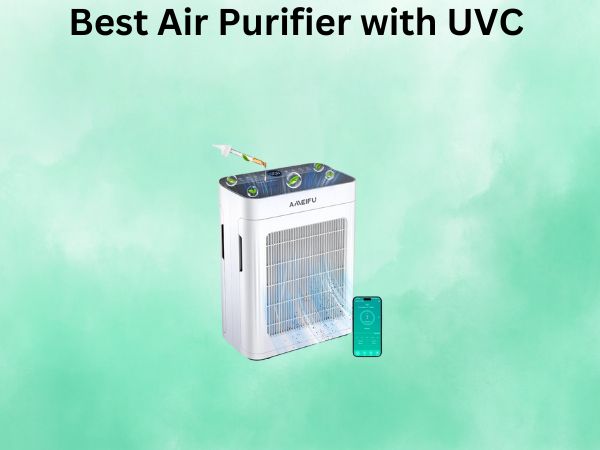
How Long Does an Air Purifier Filter Last? A Complete Guide to Filter Lifespan and Maintenance
Bringing an air purifier into your home often leads to a common question: how frequently do those filters need to be replaced? It’s an excellent point, and the truth is, the answer isn’t a simple one-size-fits-all. The actual lifespan of an air purifier filter is determined by a range of factors, all of which we’ll thoroughly examine in this complete guide.
Think of your air purifier filter like the oil filter in your car—it does important work quietly in the background, collecting all the stuff you don’t want to breathe. But just like a car’s oil filter, it doesn’t last forever. Understanding how long your specific filter will last can save you money, improve your indoor air quality, and prevent your air purifier from becoming ineffective.
Understanding Air Purifier Filters: The Basics
Before we dive into how long filters last, let’s talk about what these filters actually do and why they matter so much. Most modern air purifiers use multiple layers of filtration, each designed to catch different types of particles and pollutants.
The Multi-Layer Filtration System Explained
An effective air purifier typically contains three main filter stages. The first stage is the pre-filter, which acts like a bouncer at a club, catching larger particles like dust, pet hair, and debris. This is usually made of foam or mesh material and requires regular cleaning rather than replacement.
The second stage is the HEPA filter, which stands for High-Efficiency Particulate Air. This is where the real magic happens. HEPA filters can capture up to 99.97 percent of particles that are 0.3 microns or larger. That’s incredibly small—we’re talking about pollen, mold spores, and even some bacteria.
The third stage is typically an activated carbon filter, which is fantastic at removing odors, gases, and volatile organic compounds. If you’ve ever smelled stale air in your home or noticed cooking odors lingering, the activated carbon filter is what tackles those problems.
How Long Do HEPA Filters Really Last?
This is probably the question you really want answered. Most HEPA filters last between 6 and 12 months under typical household conditions. However, this timeframe can vary significantly depending on several important factors.
Standard Usage and Filter Lifespan
If you’re running your air purifier for about 8 hours daily in an average home, you can expect your HEPA filter to last approximately 8 to 12 months. That’s the sweet spot for most people. But here’s the thing—if you’re running it 24/7, that timeline shrinks considerably, sometimes down to 3 to 6 months.
Think about it this way: a filter only has so much capacity, like a bucket that gradually fills with water. The more particles it has to collect, the faster it fills up. When it reaches capacity, it becomes less effective at trapping new particles.
Environmental Factors That Affect Filter Life
Your home’s air quality plays a massive role in determining how quickly your filter will become saturated. If you live in an urban area with high pollution levels, have pets, or live in a dusty climate, your filters will clog much faster than someone living in a cleaner environment.
Similarly, if you have allergies and keep your windows open during high pollen seasons, you’re introducing significantly more particles into your home, which means your filter is working overtime.
Activated Carbon Filters: How Long Do They Last?
Activated carbon filters typically have a shorter lifespan than HEPA filters, usually lasting between 3 to 6 months. The reason is that activated carbon gradually becomes saturated as it absorbs odors and gases from your environment.
Signs Your Carbon Filter Needs Replacement
The most obvious sign is that odors start coming back. If you’ve been enjoying fresh-smelling air and suddenly you notice cooking smells or pet odors lingering again, your carbon filter is probably exhausted. Unlike HEPA filters, you can’t really clean an activated carbon filter to restore its functionality—once it’s saturated, it’s done.
Pre-Filters: The Longest-Lasting Component
Here’s some good news: pre-filters can last much longer than the other filtration stages. Most pre-filters can be cleaned and reused for 1 to 3 years before they need replacement. This is why many manufacturers recommend regular cleaning instead of replacement for this stage.
How to Clean Pre-Filters Effectively
Cleaning a pre-filter is incredibly simple. Most can be vacuumed gently, washed with lukewarm water, or both. Some people even use a soft brush to remove accumulated dust. The key is being gentle—you don’t want to damage the mesh or foam material.
After cleaning, make sure the pre-filter is completely dry before reinstalling it in your air purifier. A damp filter can promote mold growth or damage your machine.
Factors That Reduce Filter Lifespan
Several circumstances can dramatically shorten how long your filters last. Let’s look at the biggest culprits:
- Continuous operation: Running your air purifier 24/7 will deplete filters at roughly triple the rate of standard 8-hour daily usage.
- High pollution environments: If you live near highways, industrial areas, or regions with poor air quality, your filters will clog faster.
- Pet ownership: Pet hair, dander, and associated odors significantly reduce filter lifespan. If you have multiple pets, expect shorter intervals between replacements.
- Smoking or cooking: These activities generate more particles and odors, overwhelming your filters more quickly.
- Large home size: Using an undersized air purifier for your space means it’s working harder and filters clog faster.
- Never cleaning pre-filters: Clogged pre-filters force your HEPA filter to work harder, reducing its lifespan.
How to Extend Your Air Purifier Filter Life
The good news is that you have more control over filter lifespan than you might realize. Here are practical strategies to make your filters last as long as possible.
Regular Pre-Filter Maintenance
This is the single most important thing you can do. By cleaning your pre-filter every 2 to 4 weeks, you prevent large particles from reaching your HEPA filter. It’s like having a first line of defense that protects your more expensive filters.
Maintain Optimal Room Conditions
Keep your windows closed during high pollen seasons if you’re sensitive to allergies. Minimize dust-generating activities like vacuuming (or use a HEPA-filtered vacuum) during times when you need your air quality to be excellent. If you cook regularly, consider using your range hood to direct cooking particulates outside rather than letting them filter through your air purifier.
Use the Right Air Purifier for Your Space
Check the CADR rating (Clean Air Delivery Rate) on your air purifier. It should be appropriate for your room size. An undersized purifier will work harder and burn through filters faster, while an oversized one will have an easier time maintaining clean air with less strain on the filters.
Adjust Operating Hours Strategically
You don’t necessarily need to run your air purifier 24/7. Consider running it at full speed when you’re most active in a room, then reducing the speed or turning it off when you’re away or sleeping. This balanced approach extends filter life while maintaining decent air quality.
Signs Your Filter Needs Immediate Replacement
Even if you haven’t reached the typical replacement timeline, certain signs indicate your filter needs changing right away.
Visual and Performance Indicators
If your HEPA filter looks noticeably dark or discolored, it’s probably time for a replacement. Many air purifiers also have filter indicator lights or smart notifications—pay attention to these. If you notice that your air purifier isn’t cleaning the air as effectively as it used to, or if it’s making more noise than usual (which suggests the motor is working harder because the filter is clogged), replacement time has arrived.
Some newer air purifiers have sensors that tell you exactly when filter replacement is needed. If your model has this feature, trust it—these sensors are pretty accurate.
The Cost Factor: Why Filter Replacement Matters
Replacement filters aren’t cheap, and that’s probably on your mind. A quality HEPA filter might cost between $30 and $100, depending on the brand and model. Over a year, if you’re replacing filters every 6 to 12 months, you’re looking at a yearly maintenance cost.
Calculating Your Long-Term Investment
Here’s how to think about it: if you buy a $400 air purifier and spend $60 per year on filter replacements, you’re investing about $60 annually for cleaner air. That breaks down to roughly $5 per month—a pretty reasonable cost considering the health benefits of better indoor air quality.
However, if you neglect to replace filters and your purifier becomes ineffective, you’ve wasted that initial $400 investment. It’s like throwing money away. Regular filter replacement is actually the most economical approach.
Different Air Purifier Types and Their Filter Lifespans
Not all air purifiers are created equal, and different technologies have different filter replacement schedules.
HEPA-Based Air Purifiers
Traditional HEPA-based purifiers, which we’ve discussed extensively, typically require filter replacement every 6 to 12 months. These are the most common type found in homes.
UV and Ionizer Air Purifiers
These alternative technologies work differently and may not require filter replacement in the traditional sense. However, they may have other maintenance needs. UV bulbs need replacement periodically (usually annually), and ionizers might require occasional cleaning of collection plates.
Hybrid Air Purifiers
Some advanced models combine HEPA filtration with UV light, ionization, or photocatalytic technology. These tend to extend filter life because the additional technologies help reduce the burden on the HEPA filter.
Seasonal Considerations for Filter Replacement
Your air purifier’s filter needs vary throughout the year. Spring and early summer bring pollen, which can tax your filters. Fall brings falling leaves and debris. Winter might bring more indoor dust from heating systems.
Preparing Your Air Purifier for Allergy Season
If you suffer from seasonal allergies, consider replacing your filter shortly before allergy season hits. This ensures you’re starting with maximum filtration capacity right when you need it most. It’s like putting on fresh armor before battle.
How to Know If You’re Replacing Filters Too Often
Here’s an interesting thought: what if you’re replacing your filters more frequently than necessary? This might indicate an underlying issue.
Troubleshooting Excessive Filter Clogging
If you’re replacing filters every 2 to 3 months when manufacturer recommendations suggest 8 to 12 months, something’s wrong. First, check that your pre-filter is being cleaned regularly. Second, verify you’re using the correct filter replacement for your model—an incorrect filter might not fit properly and could allow unfiltered air to bypass it.
Third, consider your environment. If you’ve recently moved to a dustier location or acquired pets, that explains it. But if nothing has changed, your air purifier might be too small for your space, or there could be a mechanical issue.
Smart Purchasing: Buying Filters in Bulk
Once you know your replacement schedule, consider buying extra filters in advance. Many retailers offer discounts for purchasing multiple filters at once. If your filter lasts 10 months and you buy three at a time, you might save 10 to 20 percent compared to buying them one at a time.
Just make sure you have proper storage—filters should be kept in a cool, dry place away from direct sunlight and humidity. Don’t store them in damp basements or hot attics.
Keeping Track of Filter Replacement Dates
Here’s a practical tip that many people overlook: write the installation date on your filter with a permanent marker. This simple action makes it incredibly easy to know when replacement time is due. Some people even set phone reminders or calendar alerts for filter replacement.
Creating a Maintenance Schedule
Develop a simple maintenance routine. For example, you might clean your pre-filter on the first Sunday of every month and replace your HEPA filter every eight months. Having a schedule removes guesswork and ensures your air purifier always performs optimally.
Conclusion
The answer to “how long does an air purifier filter last?” is typically between 6 and 12 months for HEPA filters, 3 to 6 months for activated carbon filters, and 1 to 3 years for pre-filters. However, this timeline is highly dependent on your specific circumstances, including how often you run your purifier, your home’s air quality, whether you have pets, and how diligently you maintain your pre-filters.
The key takeaway is this: don’t ignore your air purifier’s filters. Regular cleaning of pre-filters, timely replacement of HEPA and carbon filters, and attention to your air purifier’s condition will ensure it continues protecting your family’s health. While filter replacement is an ongoing expense, it’s a small price to pay for cleaner, healthier indoor air. By understanding how long your specific filters should last and watching for signs of degradation, you can maximize their lifespan and get the best value from your air purification investment.
Frequently Asked Questions
Can I clean and reuse my HEPA filter instead of replacing it?
While HEPA filters can be gently vacuumed to remove surface dust, they cannot truly be cleaned and reused like pre-filters. HEPA filters work through mechanical trapping of particles deep within their fibers. Once saturated, cleaning won’t restore their original efficiency. That said, light vacuuming between replacements can help extend their lifespan slightly by removing surface debris before it migrates deeper into the filter material.
What happens if I don’t replace my air purifier filter?
A clogged air purifier filter becomes progressively less effective at removing pollutants from your air. As the filter clogs, it creates more resistance to airflow, forcing your purifier’s motor to work harder. This increased strain can eventually damage the motor. Additionally, your air quality will diminish, meaning you’re not getting the health benefits you paid for. In some cases, particles might find pathways around a severely clogged filter, actually circulating pollutants rather than removing them.
How do I know which replacement filter is correct for my air purifier?
Check your air purifier’s model number, usually found on a label on the back or bottom of the unit. Then search for replacement filters using this model number. Filters are highly model-specific, so using an incorrect filter can compromise air quality and may damage your machine. Many manufacturers sell filters directly through their websites, but reputable third-party sellers also carry compatible replacements. Always verify compatibility before purchasing.
Are expensive air purifier filters worth the cost?
Premium filters often perform better and last longer than budget alternatives. Higher-quality HEPA filters might maintain their efficiency longer, reducing how frequently you need replacements. However, using genuine replacement filters from your manufacturer is more important than spending extra on