How Much Is a Good Washing Machine in 2026
You’re probably wondering, “How much is a good washing machine?” You can find a reliable washing machine for around $700. However, a truly high-quality, feature-rich model often ranges from $1,000 to $1,500. Price isn’t everything, but it’s a big factor in getting the performance and longevity you deserve.
The cost of a washing machine really depends on what you need. Basic models get clothes clean. More expensive machines offer specialized cycles, better energy efficiency, and larger capacities. We found that understanding your laundry habits helps narrow down the best choice and price for your home.
- A good washing machine typically costs around $700.
- Premium models with more features can cost $1,000-$1,500+.
- Consider your laundry needs and budget carefully.
- Top-loaders are usually cheaper than front-loaders.
- Energy efficiency can save you money over time.
Let’s break down what makes a washing machine “good” for your specific needs and budget.
Understanding Washing Machine Costs for Your Home
So, you’re on the hunt for a new washing machine and wondering about the price tag. It’s a fair question, as these appliances are a big investment for any household. We’ve researched this topic extensively, and the general consensus is that a decent, reliable washing machine can be found for around $700. But if you’re looking for those bells and whistles, expect to spend closer to $1,000 to $1,500 or even more.
Your budget will play a major role, but so will your laundry habits. Think about how much you wash and what types of items. This will help you find a machine that’s not just affordable but also perfectly suited to your needs. We found that balancing cost with features and durability is key to making a smart purchase.
Factors That Influence Washing Machine Prices
Several things make one washing machine cost more than another. It’s not just about brand name; it’s about the technology packed inside and the way it’s built. Understanding these factors can help you decide where your money is best spent.
Machine Type: Top-Loaders vs. Front-Loaders
One of the biggest price differentiators is the type of machine. You generally have two main choices: top-loading and front-loading washers. Each has its own pros and cons, and this often affects the initial cost.
Top-Loading Washing Machines
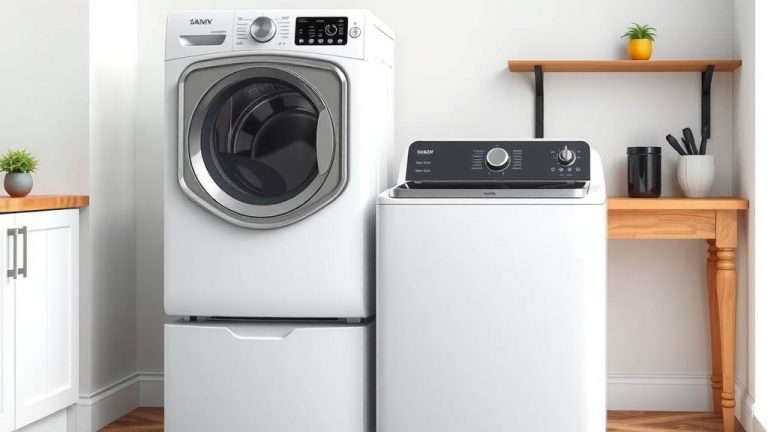
These are the ones where you load clothes from the top. You’ll find two main types of top-loaders: traditional agitators and high-efficiency (HE) impeller models. Agitator models are often the most affordable option. They’re simple and get the job done for basic cleaning needs. HE impeller models use a low-profile disc to move clothes, generally using less water and being gentler on fabrics. They can sometimes be a bit pricier than agitator models but are still often less expensive than front-loaders.
Front-Loading Washing Machines
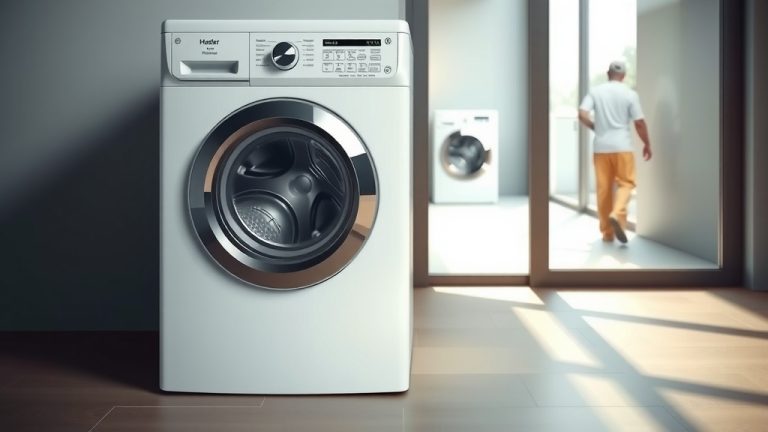
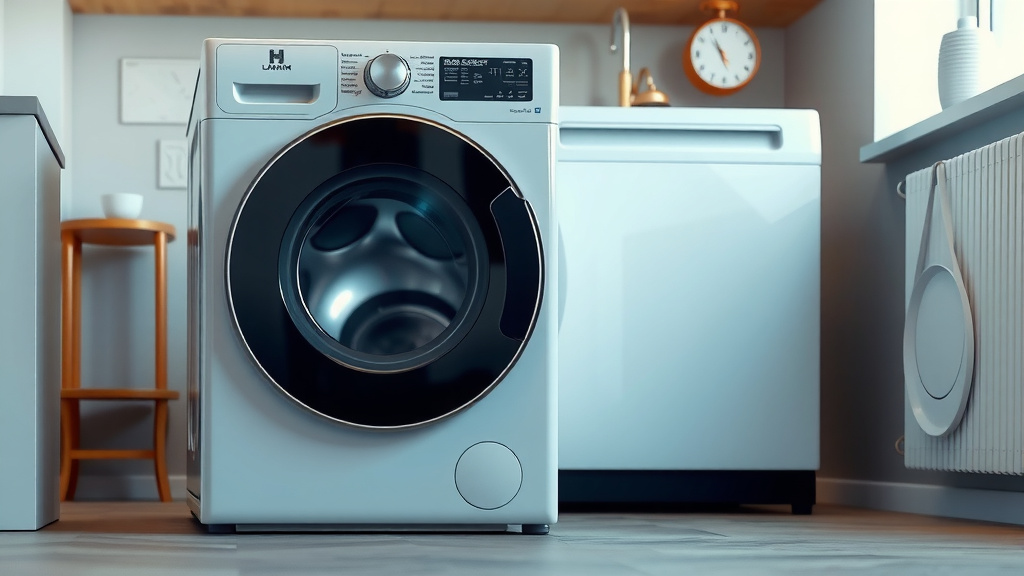
Front-loaders load from the front, like a dryer. They are known for being excellent at cleaning and very water-efficient. They also tend to be gentler on clothes, which is great for delicate items. Because of their advanced engineering and typically larger capacities, front-loaders usually come with a higher price tag. Many people find the upfront cost is worth it over time due to energy and water savings.
Capacity: Size Matters
Just like with refrigerators or cars, bigger often means more expensive. Washing machines come in various capacities, measured in cubic feet. A smaller capacity machine might be fine for a single person or a couple. However, if you have a large family or do a lot of laundry, you’ll need a larger capacity model. These larger machines cost more upfront but can save you time by letting you wash bigger loads.
Features and Technology: What Do You Really Need?
This is where the price can really climb. Basic washing machines simply have settings for hot, warm, and cold water. More advanced machines offer a dazzling array of features:
- Specialized Cycles: Think steam cycles for sanitizing, allergen cycles, delicates, bulky items, and even pet-hair removal cycles.
- Smart Technology: Wi-Fi connectivity lets you control your washer from your smartphone, get cycle notifications, or even diagnose issues.
- Advanced Washing Actions: Some machines use unique drum movements or water sprays for a deeper clean or better fabric care.
- Built-in Water Heaters: These ensure water reaches optimal temperatures for sanitizing and stain removal, but add to the cost.
We found that many consumers get swayed by these features, but it’s wise to consider if you’ll actually use them. A machine packed with advanced settings can cost significantly more. Prioritize the features that will genuinely improve your laundry routine.
Energy and Water Efficiency Ratings
Appliances with higher energy and water efficiency ratings, like those with an ENERGY STAR certification, often have a higher upfront cost. However, these machines are designed to use less electricity and water with each load. Over the lifespan of the appliance, these savings can add up significantly, potentially offsetting the initial higher price. Many government guidelines recommend looking for these labels to reduce utility bills (U.S. Department of Energy).
The Cost Breakdown: What to Expect
Let’s break down the typical price ranges you might encounter when shopping.
| Machine Type | Typical Price Range (USD) | Key Characteristics |
|---|---|---|
| Basic Top-Loader (Agitator) | $400 – $700 | Simple, durable, good for basic cleaning. |
| HE Top-Loader (Impeller) | $600 – $1,000 | More water/energy efficient, gentler on clothes than agitator models. |
| Basic Front-Loader | $800 – $1,200 | Excellent cleaning, water-efficient, gentler on fabrics. |
| High-End Front-Loader/Smart Washer | $1,200 – $2,000+ | Advanced features, large capacity, steam, smart connectivity. |
As you can see, there’s a wide spectrum. A good mid-range option often falls between $700 and $1,000. This usually gets you a solid HE top-loader or a capable basic front-loader with a decent capacity and a few useful cycles.
Making the Smart Purchase: A Checklist for You
Before you commit, run through this quick checklist. It’s designed to help you focus on what’s most important for your wallet and your laundry room.
- Do you have a firm budget in mind?
- How much laundry do you typically do per week?
- What types of fabrics do you wash most often?
- Are energy and water savings a top priority for you?
- What features are non-negotiable versus nice-to-haves?
- Is installation and delivery included in the price?
By thinking through these questions, you’ll be much better equipped to navigate the options and find a washing machine that offers the best value for your money. Remember, the most expensive machine isn’t always the best machine for your specific needs.
Conclusion
Finding a good washing machine is about balancing your budget with your laundry needs. While you can find reliable basic models around $700, investing a bit more, between $1,000 and $1,500, often gets you a higher-quality machine with better efficiency and features. We found that considering factors like capacity, load type, and desired technology will guide you to the best value. Your next step is to take the checklist we provided and apply it to your own laundry room. This will help you make a confident purchase that serves your household well for years to come.
Frequently Asked Questions
What is the average lifespan of a washing machine?
Based on our research, a well-maintained washing machine typically lasts between 10 to 15 years. Top-loading models might have a slightly longer average lifespan than front-loaders, but this can vary greatly by brand and usage.
Are more expensive washing machines truly worth the extra cost?
Often, yes. Higher-priced models tend to offer better energy efficiency, advanced cleaning features, and more durable construction. These factors can lead to long-term savings on utility bills and fewer repairs, making the initial investment worthwhile for many.
How much should I budget for installation and delivery?
Installation and delivery costs can range from $100 to $300 or more, depending on your location and the retailer. Some retailers include these services in the purchase price, so it’s wise to ask and factor this into your total budget.
Is an ENERGY STAR certified washing machine a good investment?
Absolutely. ENERGY STAR certified washers use significantly less energy and water than standard models. While they might have a higher upfront cost, the savings on your utility bills over the machine’s lifespan can easily pay for the difference.
What are the most important features to look for in a washing machine?
We found that beyond basic cleaning, consider capacity for your family size, fabric care cycles for delicate items, and spin speed for better water extraction. Energy efficiency is also a key feature that saves you money over time.