Washer and Dryer Dimensions: How Much Room Do You Need
Figuring out how much room for a washer and dryer you need depends on the appliances themselves and your laundry room setup. Generally, plan for a minimum of 30 inches wide by 30 inches deep for each machine, plus extra space for airflow and door swings. Getting this washer and dryer space right prevents headaches later.
You’ll want enough clearance so your laundry appliances can operate without issue. This means not just the dimensions of the washer and dryer footprint, but also space for venting and utility hookups. Many people underestimate the need for ventilation space, which can impact performance and safety.
- Standard washer & dryer needs: around 30×30 inches each.
- Add space for doors, hoses, and ventilation.
- Front-loaders often need less side clearance than top-loaders.
- Stackable units save floor space but have height requirements.
- Consider accessibility for maintenance and cleaning.
Let’s walk through the exact measurements and considerations you’ll need to make sure your laundry setup is both functional and fits perfectly.
Figuring Out Your Laundry Room Space Needs
So, you’re ready to set up your laundry nook, but how much actual room for a washer and dryer do you need? It’s not just about fitting the machines in. You need to think about how they work, how you’ll use them, and even how you’ll clean around them. Let’s break down the space requirements so you can avoid a cramped or inefficient laundry setup.
Standard Appliance Footprints
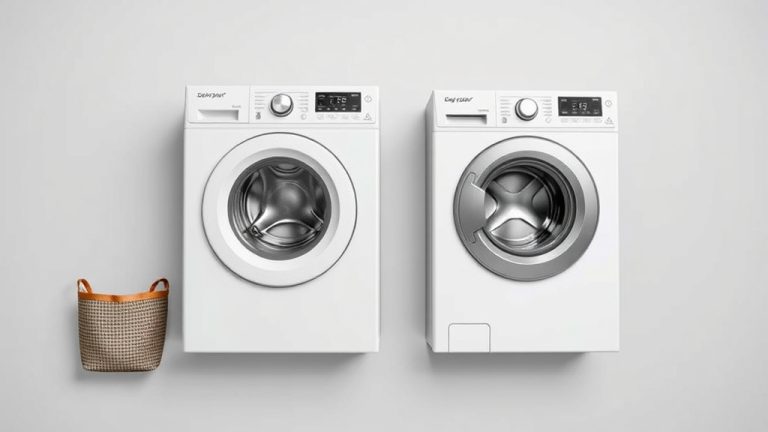
Most standard washing machines and dryers are about 27 to 30 inches wide. They are usually around 28 to 34 inches deep. This is the basic footprint you’ll need to account for. Think of it as the minimum floor space each appliance needs to simply stand there.
Washer and Dryer Dimensions: A Quick Look
For individual appliances, here are some general dimensions to keep in mind:
- Washers: Typically 27-30 inches wide, 28-33 inches deep, and 36-40 inches tall.
- Dryers: Usually 27-30 inches wide, 28-34 inches deep, and 36-40 inches tall.
These numbers are a great starting point. However, they don’t tell the whole story of your washer and dryer space needs.
Don’t Forget the Doors and Clearance!
Here’s where many people get tripped up. You need to add space for the doors to open fully. A washer door might swing out 10-15 inches. A dryer door, especially a front-loader, needs even more room. You don’t want to be playing Tetris just to load your clothes.
Front-Loaders vs. Top-Loaders: Space Differences
Front-load washers and dryers typically have doors that swing open. This requires significant clearance in front of the appliance. You need enough space to pull out the drum completely and perhaps even remove the door for cleaning. We found that a minimum of 24 inches of clearance in front of a front-loader is often recommended.
Top-load washers, on the other hand, have lids that lift up. This means you need vertical clearance above the machine. You’ll need enough room for the lid to open all the way, usually about 12-15 inches. The good news is, they don’t need as much open floor space in front of them as front-loaders do.
Essential Utility and Ventilation Space
Beyond the appliance itself, you need room for hookups and airflow. This is non-negotiable for proper function and safety. Manufacturers often recommend specific clearances for a reason.
Water Hoses and Drains
Your washer needs water supply lines and a drain hose. These hookups are usually located at the back of the machine. While they don’t take up a huge amount of space, you need to be able to access them. Trying to fiddle with hoses in a super tight spot is a recipe for a flood or a leaky mess.
We found that having at least 3-4 inches of space behind the washer allows for easy connection and disconnection of hoses. This also prevents kinking, which can restrict water flow or cause damage. Don’t forget to account for the slight extension of the hoses themselves.
Ventilation for Your Dryer
This is perhaps the most critical area for ventilation space. Your dryer, especially a gas dryer, needs a proper vent to exhaust hot, moist air and lint. Many experts say a clogged or improperly vented dryer can be a fire hazard (National Fire Protection Association). This is why you need clear space around the vent.
You’ll need about 3-6 inches of clearance behind the dryer for the vent hose. Make sure the hose isn’t crushed or bent sharply. A flexible vent hose that’s too long can also cause lint buildup, so keep it as short and straight as possible. This ensures efficient drying and reduces fire risk.
Considering Different Laundry Setups
The ideal space often depends on how you plan to arrange your laundry appliances. Are they side-by-side, or are you thinking of stacking them?
Side-by-Side Arrangements
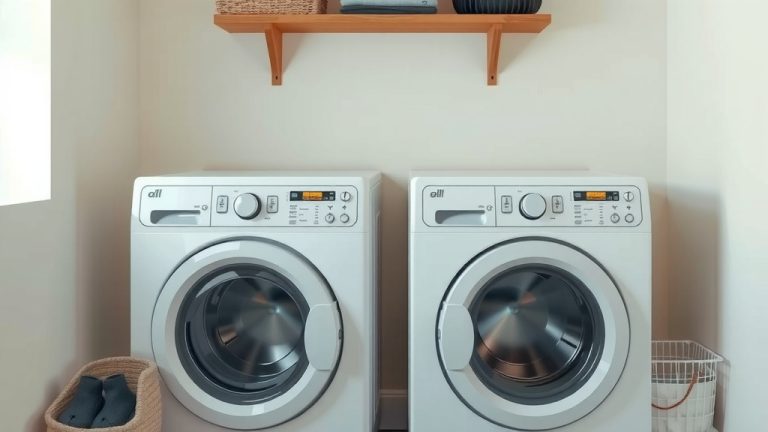
This is the most common setup. You place the washer and dryer next to each other. For two standard machines side-by-side, you’re looking at a minimum width of about 54 to 60 inches (30 inches per machine plus a few inches for clearance between them). You’ll also need to factor in the door swing and rear clearances as discussed.
Stackable Washer and Dryer Units
Stackable units are fantastic space-savers, especially if you have a smaller laundry area or closet. They essentially double your laundry capacity without taking up extra floor space. However, they come with their own set of space requirements.
The footprint for a stackable pair is usually the same as a single machine, around 27-30 inches wide and 28-34 inches deep. The catch is the height. You’ll need enough vertical space to accommodate both machines stacked, plus the stack kit or connecting hardware. A common height for a stacked pair can range from 65 to 75 inches or more. Always measure your ceiling height carefully!
The Importance of Working Room
Let’s talk about space you can actually work in. Beyond the machine dimensions and hookups, you need room to maneuver. Think about loading and unloading laundry. Can you stand comfortably in front of the machines? Is there space to fold clothes?
Accessibility for Maintenance and Cleaning
You won’t believe how often you’ll need to clean around and behind your appliances. Dust bunnies love to gather there, and sometimes you need to pull a machine out slightly to get to a stray sock or a leaky hose. Having at least 12 inches of clear space on the sides and back (beyond the vent and hookups) makes this task much easier. It also allows for better air circulation around the machines, which can help prevent overheating.
Creating a Functional Laundry Zone
A good laundry space isn’t just about fitting the machines. It’s about creating a functional area. Can you easily reach the controls? Is there room for a laundry basket? Can you open the detergent bottles without hitting a wall?
Many homeowners find that adding just a few extra inches makes a world of difference. This extra breathing room transforms a cramped corner into a pleasant place to tackle laundry. Research suggests that a well-designed laundry room can even increase home value (National Association of Home Builders).
Quick Checklist for Your Laundry Space
Before you commit to a layout or purchase appliances, run through this quick checklist:
- Measure the exact width, depth, and height of your chosen appliances.
- Calculate the total width needed for side-by-side units, including clearance.
- Determine the required door swing or lid lift clearance for each machine.
- Measure the space needed for utility hookups and venting at the rear.
- Ensure you have enough overall depth for doors to open without hitting walls or other obstacles.
- Confirm sufficient headroom for stacked units or lifting lids.
Conclusion
You’ve learned that fitting a washer and dryer involves more than just their basic dimensions. Proper washer and dryer space accounts for door swings, utility hookups, and essential ventilation. By planning for at least 30 inches per appliance, plus extra for airflow and access, you create a functional laundry area. Don’t forget to consider if you’re stacking units or placing them side-by-side. Take these measurements to your space, and you’ll set yourself up for a frustration-free laundry experience.
Frequently Asked Questions
How much space do I need behind my washer for hoses?
We found that a minimum of 3 to 4 inches of space behind your washer is ideal. This allows enough room for water hoses and the drain hose. It also prevents them from kinking, which ensures proper water flow and avoids potential leaks.
Can I get away with less clearance if I have a small laundry room?
While it’s tempting to squeeze appliances into tight spots, reducing clearance can be risky. Insufficient space can affect appliance performance, increase wear and tear, and even pose a fire hazard, especially for dryers. It’s always best to adhere to manufacturer recommendations.
What’s the minimum width for a side-by-side washer and dryer setup?
For two standard machines placed side-by-side, you’ll typically need a minimum width of about 54 to 60 inches. This includes the approximate 27-30 inches for each appliance plus a small gap between them for airflow and easier access.
How much height do I need for a stackable washer and dryer?
Stackable units usually have the same footprint as a single machine but require significant vertical space. A common stacked pair can range from 65 to 75 inches or more in height. Always measure your ceiling height carefully before opting for a stacked setup.
Is it important to have extra space around the machines for cleaning?
Yes, having working room around your appliances is very important. We’ve seen that about 12 inches of clear space on the sides and back (beyond hookups) makes maintenance and cleaning much easier. It also aids in air circulation, helping to prevent overheating.