Washer and Dryer Dimensions: Average Sizes
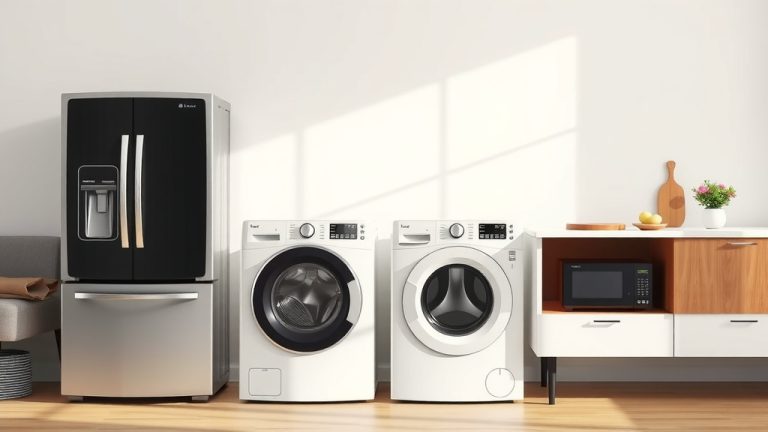
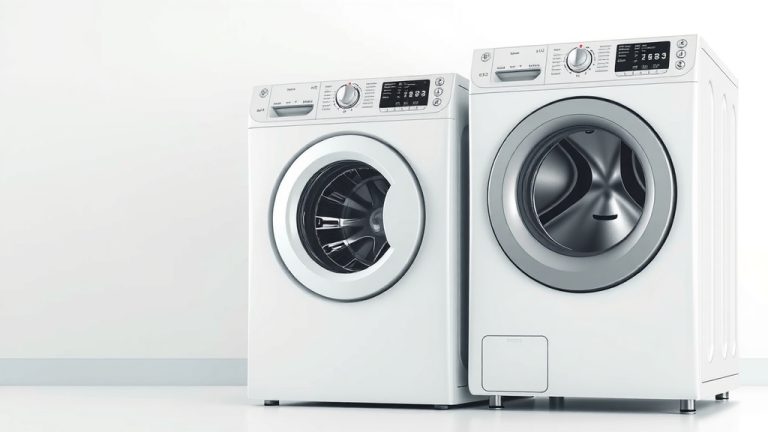
The average washer and dryer dimensions typically fall within a standard range, making it easier to plan your laundry room. Most front-load washers measure around 27 inches wide, 30-34 inches deep, and 39-40 inches tall. Electric dryers often share these dimensions, while gas dryers might be slightly wider, about 29-30 inches. It’s wise to measure your specific space before buying, as variations exist, especially with specialty or stacked units.
When considering the dimensions, remember to account for clearance. You’ll need extra space for hoses, vents, and door swings. Many standard laundry pairs are designed to fit together, creating a cohesive unit. However, understanding these average sizes helps ensure your new appliances will fit comfortably without causing frustration or costly returns.
- Average washer width: 27 inches
- Average dryer width: 27-30 inches
- Average depth: 30-34 inches
- Average height: 39-40 inches
- Factor in space for doors and vents
Let’s dive into the typical measurements and what you need to know to make sure your laundry setup works perfectly for your home.
So, you’re ready to tackle laundry room planning! That’s fantastic. One of the biggest hurdles people face is figuring out if their chosen washer and dryer will actually fit. It’s like trying to pack for a trip without knowing the size of your suitcase. We’ve all been there, right? Let’s break down the typical sizes so you can move forward with confidence.
Understanding Common Washer and Dryer Sizes
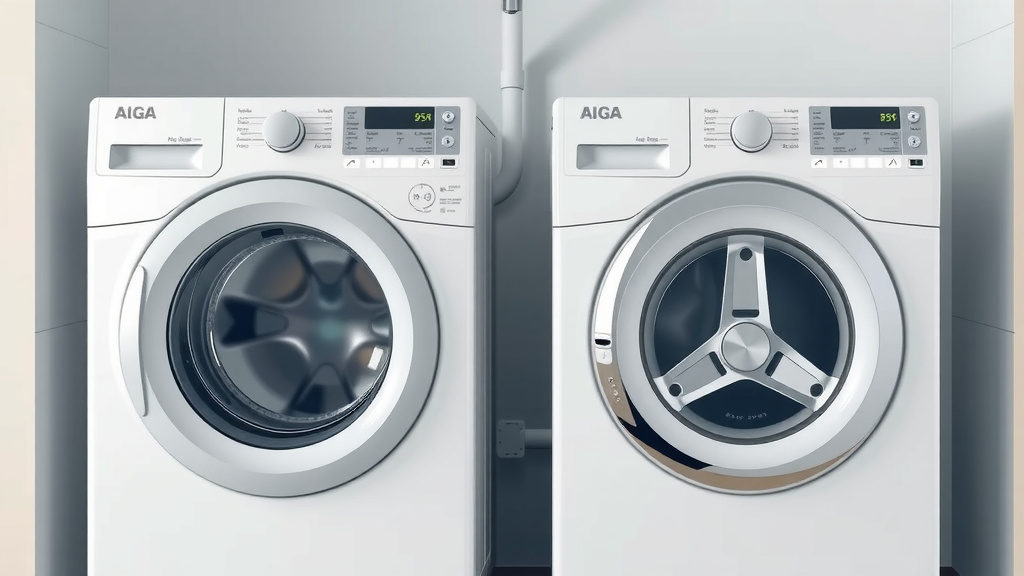
When we talk about washer and dryer dimensions, we’re generally looking at a pretty standard set of measurements. Most modern laundry appliances are designed to fit into typical household spaces. Think of them like a well-matched pair, built to work together and fit neatly side-by-side.
Standard Washer Dimensions
Most standard washers, especially the popular front-load models, stick to a familiar width. You’ll commonly find them measuring around 27 inches wide. This width is pretty consistent across many brands. This makes planning for a pair relatively straightforward.
The depth can vary a bit more. You’re typically looking at anywhere from 30 to 34 inches deep. This measurement is important for ensuring the door can open fully. It also helps prevent the machine from sticking out too far into your room.
Height-wise, most standard washers stand about 39 to 40 inches tall. This is often measured to the highest point of the machine, not including any control panels that might stick up slightly. Always double-check the specific model’s specs.
Standard Dryer Dimensions
Dryers are often built to match their washing machine counterparts. An electric dryer will frequently be the same 27 inches wide as a front-load washer. This is great if you’re buying a matching set.
Gas dryers can sometimes be a little wider. We’ve found that these might creep up to 29 or 30 inches in width. This small difference can matter if you’re really tight on space. It’s always worth measuring both if you’re considering a gas model.
The depth of a dryer usually mirrors that of a washer, typically between 30 and 34 inches. This ensures they look even and line up nicely when placed next to each other. Height is also usually in that 39 to 40-inch range.
The Importance of Depth and Door Clearance
Don’t just focus on the width and height! Depth is a crucial factor that many people overlook. Remember that the machine needs to sit a little away from the wall. Why? For hoses, vents, and power cords.
Accounting for Hoses and Vents
Washers need water hoses to connect to your plumbing. These hoses aren’t exactly flat. They have a curve and need a little breathing room. We’ve found that you should plan for at least 4-6 inches of clearance behind the washer for these connections. This prevents kinks and potential leaks.
Dryers need venting, whether it’s a flexible hose or a more rigid duct. This vent also takes up space. For dryers, adding about 5-7 inches of clearance behind the unit is a good rule of thumb. This ensures proper airflow and prevents the vent from getting crushed.
Considering Door Swing
This is where depth becomes even more critical. Front-load washers and dryers have doors that swing open. You need enough space for these doors to open completely without hitting a wall, another appliance, or a cabinet.
If your appliances are in a hallway or a tight corner, measure how much space the door needs to clear. You might need to add 10-15 inches beyond the appliance’s depth for the door to swing fully. Side-by-side units might allow for a full swing, but if you plan to stack them, this might not be an issue.
Specialty and Stackable Units: A Different Ballgame
Not all laundry setups are side-by-side. Stackable units and compact appliances offer different dimensions. If you’re working with limited square footage, these might be your best bet. They change the space requirements dramatically.
Stackable Washer and Dryer Dimensions
Stackable units are designed to fit one on top of the other. This saves a lot of floor space. Their width is usually consistent with standard models, around 27 inches. The depth is also similar, typically 30-34 inches.
The main difference is the height. When stacked, they can reach heights of 70-80 inches or even more. This is why it’s essential to ensure you have adequate ceiling height. You’ll also need a sturdy stacking kit to secure them safely. Many manufacturers offer these kits as accessories.
Compact and RV Appliances
If you have a very small space, like an RV, a tiny home, or a tight closet, compact washers and dryers are available. These are significantly smaller. Their widths can be as little as 23-24 inches. Depths might also be reduced.
These smaller units are perfect for specific needs. However, they often have smaller capacities. You’ll do fewer loads, but they’ll fit where standard ones simply wouldn’t. Always check the exact measurements for these specialized appliances, as they vary greatly.
Preparing Your Space: A Quick Checklist
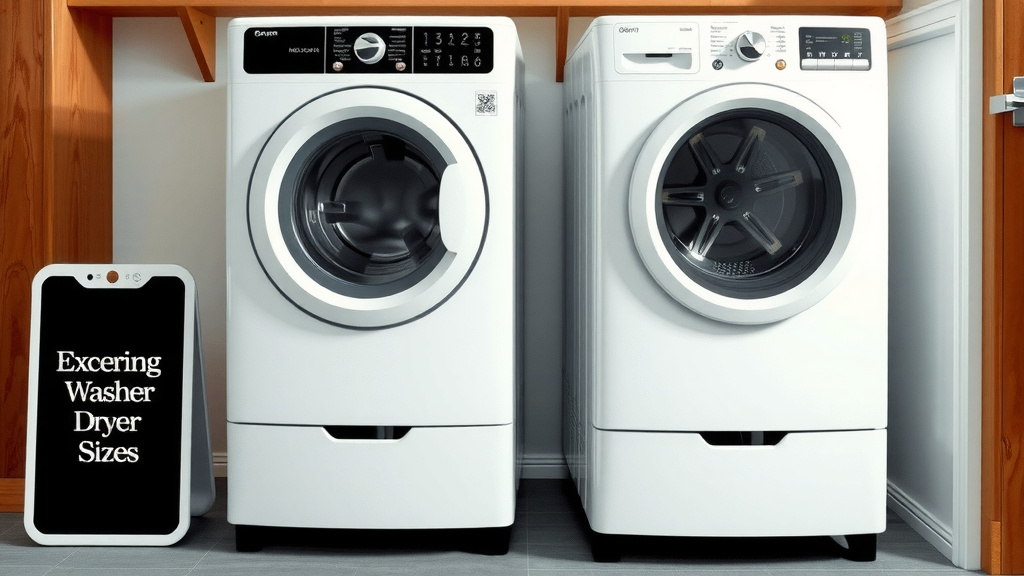
Before you even start shopping, taking a few measurements will save you a headache. Think of it as pre-flight checks for your laundry room!
- Measure the width of the designated laundry space.
- Measure the depth from the wall to the edge of any obstructions.
- Measure the height, especially if considering stacking.
- Check for plumbing and electrical outlet locations.
- Add extra inches for door swings and vent hoses.
- Ensure you have enough space to maneuver the appliances in.
By taking these steps, you can confidently select a washer and dryer that fit your space perfectly. Happy laundry room planning!
Conclusion
So, you’ve learned that standard washers and dryers usually fit within a predictable size range. Most front-load washers are about 27 inches wide, and dryers are similar, though gas models can be a touch wider. Remember to always factor in that extra space for door swings, hoses, and vents. Whether you’re looking at side-by-side pairs, stackable units, or compact appliances, measuring your space thoroughly is the most important step.
Your next move is simple: grab your tape measure! Head to your laundry area and get those precise measurements. This will give you the confidence to shop for appliances that will fit your space perfectly, avoiding any frustrating surprises.
Frequently Asked Questions
Will my old washer and dryer dimensions match new ones?
Newer models generally stick to common dimensions, especially for front-load washers (around 27 inches wide) and standard dryers. However, it’s always best to measure your existing appliances and compare them to the specifications of any new units you’re considering. Small variations can occur.
How much space do I really need behind the washer and dryer?
You’ll need extra space behind your appliances for connections and airflow. We recommend adding about 4-6 inches for washer hoses and 5-7 inches for dryer vents. This prevents kinks, ensures proper function, and makes connections easier.
Can I put a washer and dryer in a closet?
Yes, you often can, but careful measurement is key. Ensure the closet is wide enough for the appliances, and critically, check if the doors can swing open fully without obstruction. Also, confirm there’s adequate height, especially if you plan on stacking.
Are compact washers and dryers much smaller than standard ones?
Compact washers and dryers are designed for smaller spaces and are indeed significantly smaller. While standard units are typically around 27 inches wide, compact models can be as narrow as 23-24 inches. They also often have reduced depth and height, but remember they usually offer less capacity per load.
What is the biggest factor that people forget when measuring for appliances?
The biggest oversight is often not accounting for the door swing. While the appliance itself might fit, if the door can’t open wide enough to load or unload laundry without hitting a wall or cabinet, it won’t work practically. Always measure the arc the door needs to clear.