How Often Do I Need to Change an Air Purifier Filter: A Complete Guide
Bringing a new air purifier into your home often sparks excitement for the fresher, cleaner air it promises. But soon, a practical question inevitably arises: how frequently should you replace its filter? This isn’t a simple query with a single solution, and today, we’ll explore all the factors that determine the right answer for your specific situation.
The truth is, filter replacement schedules vary wildly depending on several factors. Your lifestyle, your home environment, the quality of your air purifier, and even the season can all play a role in determining when you need to swap out that filter. Let me walk you through everything you need to know to keep your air purifier running at peak performance.
Understanding Your Air Purifier’s Filter System
Before we dive into replacement timelines, it’s important to understand what you’re actually dealing with. Most modern air purifiers contain multiple filter layers, each designed to capture different types of particles. Think of it like a security system for your air—multiple checkpoints working together to ensure nothing harmful gets through.
The Different Types of Filters in Your Air Purifier
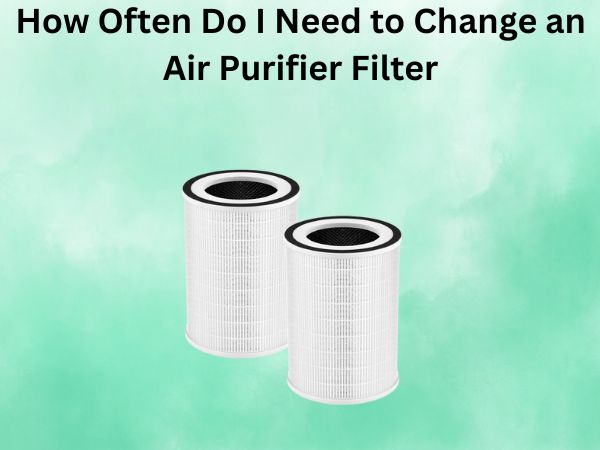
Your air purifier likely contains several distinct filter types, and each one has its own lifespan. The pre-filter is usually the first line of defense, catching larger particles like dust and pet hair. Then comes the HEPA filter, which is the workhorse of most air purifiers, designed to trap microscopic particles. Finally, there’s often an activated carbon filter that deals with odors and chemical compounds.
Understanding these layers is crucial because they don’t all need replacing on the same schedule. A pre-filter might last much longer than a HEPA filter, for instance. Some pre-filters are even washable, which can extend their life considerably.
General Filter Replacement Guidelines
Let’s start with the basics. Most manufacturers recommend replacing HEPA filters every six to twelve months under normal circumstances. Activated carbon filters typically need replacement every three to six months. Pre-filters, if they’re not washable, might last anywhere from one to three months.
But here’s the thing—these are just guidelines. Your actual replacement schedule might be completely different, and that’s perfectly normal. The best approach is to treat these recommendations as a starting point, not a hard rule.
What Does Your Manufacturer Say?
Always check the manual that came with your air purifier. The manufacturer knows their specific model better than anyone, and they’ll have tested it under various conditions. Their recommendations are based on real-world data, so they’re worth paying attention to. If you’ve lost the manual, most companies now post them online on their websites.
Factors That Impact How Often You Change Filters
Now we’re getting to the real meat of this discussion. Filter lifespan isn’t just about time passing—it’s about usage and environmental conditions. Let me break down the major factors that influence how frequently you’ll need to change your filters.
Air Quality in Your Location
If you live in an area with poor air quality—whether that’s near a highway, in a city with significant pollution, or in a region that experiences seasonal wildfires—your filters are going to work much harder. They’ll fill up with particles faster, meaning you’ll need to replace them more frequently. On the flip side, if you live in a relatively clean area, your filters might last significantly longer than the manufacturer’s estimate.
Check your local air quality index regularly. This will give you a sense of what your air purifier is actually dealing with and help you plan your maintenance schedule accordingly.
Pets in Your Home
Do you have a dog or cat? If so, prepare yourself for more frequent filter changes. Pet hair and dander are significant contributors to filter clogging. If you have multiple pets or particularly shedding breeds, you might find yourself changing filters more than twice as often as someone without pets. This is especially true for pre-filters, which catch the larger particles that pets generate.
Household Size and Activity Level
More people in your home means more dust generation, more cooking, more pet dander if applicable, and more general activity. A household of five will tax your air purifier more heavily than a single person living alone. Similarly, if you cook frequently, especially with techniques that create smoke or steam, your filters will need more frequent replacement.
Smoking or Secondhand Smoke Exposure
If anyone in your household smokes, or if you’re regularly exposed to secondhand smoke, your air purifier is working overtime. Smoke particles are tiny and numerous, and they’ll quickly overwhelm your filters. You might need to replace filters every month or even more frequently in these situations. The activated carbon filter, in particular, will deteriorate rapidly when dealing with smoke.
Allergies and Sensitivities
If someone in your home has allergies or respiratory sensitivities, you might choose to run your air purifier continuously and change filters more frequently than necessary. This is actually a smart approach because a clogged filter is almost useless, and it might circulate dust back into the air as it loses efficiency.
Room Size and Purifier Capacity
Does your air purifier match the size of the room you’re using it in? An undersized purifier working overtime will need filter changes much more frequently than one properly matched to its space. The unit’s specifications should tell you the maximum room size it’s designed for. If you’re trying to purify a larger space with a smaller unit, expect to change filters more often.
Recognizing When Your Filter Needs Changing
Rather than just following a calendar, it’s worth paying attention to signs that your filter is reaching the end of its life. These indicators can help you change filters at the right time, not too early and not too late.
Visual Inspection
Many air purifiers have transparent filter covers that let you see the filter itself. If you can see the filter, take a look at it regularly. A clean HEPA filter is usually white or off-white. As it accumulates dust and particles, it becomes darker and darker. Once it’s noticeably gray or brown, it’s probably time for a replacement. A pre-filter that’s visibly clogged with dust and debris definitely needs replacing.
Reduced Airflow
As filters clog, your air purifier will have to work harder to push air through them. You might notice that the airflow seems weaker than it used to be, or the fan seems to be running louder. This is a sign that the filter is becoming saturated and losing efficiency. It’s like trying to breathe through a pillow—the more clogged it becomes, the harder it is to push air through.
Strange Smells
If your air purifier itself starts to smell musty or unpleasant, the filter might be the culprit. An overworked, saturated filter can develop odors. This is especially true for activated carbon filters that have done their job removing odors from the air and are now at capacity. Any unpleasant smell coming from the unit itself is a clear signal that replacement time has come.
Filter Change Indicator Lights
Many modern air purifiers include built-in sensors that detect when filters are becoming saturated. These trigger indicator lights or notification systems when it’s time for a change. Don’t ignore these alerts—manufacturers have fine-tuned these sensors to give you optimal notice before your filters become completely ineffective.
Seasonal Considerations for Filter Changes
Your air purifier’s workload isn’t consistent throughout the year. Different seasons bring different challenges for your filters.
Spring Allergy Season
Spring brings pollen, and lots of it. If you live in an area with significant pollen counts during spring, expect your pre-filters and HEPA filters to work overtime during these months. You might need to change filters more frequently during spring than during other seasons. Keeping extra filters on hand during allergy season is a smart move.
Summer Challenges
Summer often means open windows and doors, which can introduce more outdoor air and contaminants. Additionally, if you use air conditioning, dust and particles can accumulate. However, some people use their air purifiers less in summer if they’re spending more time outdoors. Your actual usage pattern will determine filter wear during summer months.
Fall and Winter Changes
In fall, you’re dealing with more dust and mold spores from decaying leaves. Winter presents different challenges—indoor heating systems kick into high gear, and people spend more time inside, increasing indoor pollution. Winter can actually be when your air purifier works hardest, especially if you have a fireplace or wood stove adding particulate matter to your indoor air.
Extending Your Filter’s Lifespan
While you can’t avoid replacing filters eventually, there are steps you can take to extend their life and get the most value from them.
Regular Pre-Filter Maintenance
If your pre-filter is washable, clean it regularly—weekly or biweekly, depending on how dirty it gets. You can usually rinse it with water or gently vacuum it with a soft brush attachment. A clean pre-filter does its job better and doesn’t force your HEPA filter to work as hard, thereby extending the HEPA filter’s life.
Reduce Source Pollution
The less pollution you create inside your home, the less your filters have to work. Use a range hood when cooking, don’t smoke indoors, groom your pets regularly to reduce shedding, and vacuum frequently. These preventative measures reduce the workload on your air purifier significantly.
Optimize Placement
Place your air purifier in a central location where it can circulate air effectively throughout the room. Avoid placing it in corners or behind furniture where it can’t function optimally. A properly positioned unit runs more efficiently and works the filters less hard.
Use Appropriate Fan Speeds
Running your air purifier on the highest fan speed constantly will clog filters faster. Use lower speeds when the air quality is decent, and only kick it up to high speed when necessary. This balanced approach extends filter life while still keeping your air clean.
Keeping Track of Your Filter Changes
It’s easy to lose track of when you last changed your filter. Staying organized helps ensure you never accidentally run an ineffective filter.
Mark Your Calendar
When you install a new filter, write the date on the filter itself with a permanent marker. Set a calendar reminder for approximately three months after installation, then check the filter and assess whether it needs replacing. This prevents you from missing the window when filters become ineffective.
Keep Spare Filters on Hand
Don’t wait until your filter is completely saturated before you buy a replacement. Keep spare filters at home so you can change them promptly when needed. This ensures you always have clean filters ready to go and reduces the chance that you’ll be tempted to extend a filter’s life beyond its usefulness.
Document Your Replacement History
Keep a simple log of when you’ve replaced filters. This gives you actual data about how often you need replacements, which will help you plan future maintenance. After a few replacement cycles, you’ll have a clear picture of what works for your specific situation.
The Cost of Filter Replacements
Understanding the financial aspect of filter maintenance is important for budgeting and choosing the right air purifier.
Budget-Friendly Considerations
Quality filters aren’t cheap. Depending on the model, you might spend anywhere from thirty to one hundred dollars per filter set. If you need to replace filters quarterly, that’s several hundred dollars a year. When shopping for an air purifier, factor in the cost of ongoing filter replacements, not just the upfront unit cost. A cheaper unit with expensive filters might cost more over time than a pricier unit with affordable replacement filters.
Common Mistakes People Make With Air Purifier Filters
Let me share some mistakes I see people make regularly so you can avoid them.
Ignoring Manufacturer Recommendations
Some people think manufacturer recommendations are too conservative and try to extend filter life beyond what’s recommended. This usually backfires because an overworked filter becomes inefficient and can actually recirculate particles back into your air. Follow the guidelines—they exist for a reason.
Not Checking Filters Regularly
Out of sight, out of mind is a dangerous approach with air purifiers. Check your filters visually every month or so. It takes two minutes and gives you accurate information about when replacement is actually needed.
Assuming All Filters Need Replacing Simultaneously
Different filter types have different lifespans. Don’t assume that because one filter needs replacing, all of them do. Replace them individually as needed based on their condition.
Buying the Wrong Filter Replacement
Always verify that you’re buying the correct replacement filters for your specific model. Filters aren’t universal, and putting the wrong filter in your purifier won’t work effectively. Check your model number and purchase accordingly.
Conclusion
So, how often do you need to change your air purifier filter? The honest answer is that it depends on your unique situation. While manufacturer recommendations typically suggest replacing HEPA filters every six to twelve months and activated carbon filters every three to six months, your actual timeline might be quite different.
The key is to stay observant. Check your filters regularly, pay attention to visual cues and performance changes, and respond to your air purifier’s indicators. Consider your specific circumstances—your location’s air quality, whether you have pets, how many people live in your home, and your activity level—when determining your replacement schedule.
Remember that investing in timely filter replacements is an investment in your health and your air purifier’s longevity. A well-maintained air purifier will serve you faithfully for years, continuously providing you with cleaner, healthier air to breathe. Don’t cut corners on this maintenance task, and you’ll enjoy the full benefits of your air purification system.
Frequently Asked Questions
Can I clean my HEPA filter instead of replacing it?
HEPA filters are designed to be replaced, not cleaned. While you might be able to gently vacuum a HEPA filter with a soft brush, this doesn’t restore it to working condition. Washing HEPA filters can damage the delicate fibers and permanently reduce their effectiveness. If you want to extend the life of your HEPA filter, focus on maintaining your pre-filter, but plan to replace the HEPA filter on schedule.
What happens if I don’t change my air purifier filter?
An overly saturated filter becomes almost completely blocked, which means your air purifier has to work extremely hard to push air through it. This reduces air circulation, strains the motor, and causes the unit to consume more electricity. Additionally, a completely clogged filter might actually recirculate dust and particles back into the air rather than trapping them. You’ll essentially have a broken air purifier that’s costing you money to run without providing any benefit.
Are more expensive filters worth the extra cost?
Premium filters are often made with higher quality materials and better filtration technology. They might last slightly longer and perform better at capturing ultra-fine particles. However, for most people, standard replacement filters that match your air purifier’s specifications work perfectly fine. The difference in performance is usually minimal for typical household use. Invest in better filters if you have severe allergies or live in a highly polluted area; otherwise, standard filters are a solid choice.
How do I know if I’m buying the correct replacement filter?
Always check your air purifier’s model number and cross-reference it with the