How Often Do You Have to Replace Air Purifier Filters? A Complete Guide
Ever found yourself asking exactly how long an air purifier filter can last before it’s no longer effective? You’re not alone in that thought. It’s common for owners to purchase a unit, set it up, and then overlook its upkeep until they notice a drop in air quality. However, to ensure your air purifier operates optimally and truly purifies your indoor environment, knowing the correct filter replacement schedule is absolutely vital.
Think of an air purifier filter like the oil filter in your car. You wouldn’t drive thousands of miles without changing your oil filter, right? The same principle applies to air purifiers. A clogged or dirty filter doesn’t just perform poorly—it can actually reduce airflow and force your purifier to work harder, consuming more energy and potentially becoming ineffective.
Understanding Air Purifier Filter Types and Their Lifespan
Before we dive into replacement schedules, let’s talk about the different types of filters you’ll encounter in air purifiers. Not all filters are created equal, and different types have vastly different lifespans. This is where many people get confused.
HEPA Filters: The Standard in Air Purification
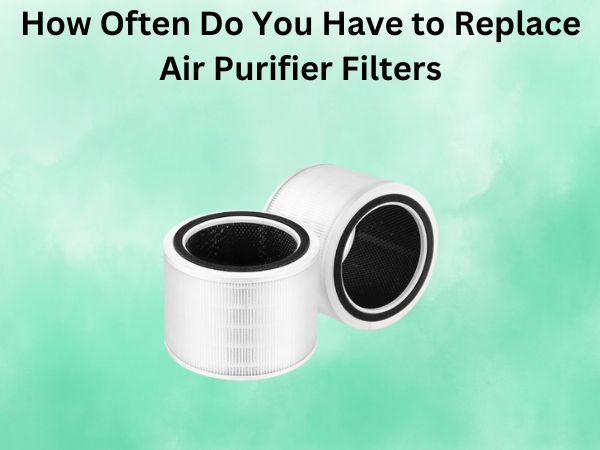
HEPA stands for High-Efficiency Particulate Air, and these filters are the workhorses of the air purification world. They capture 99.97 percent of particles that are 0.3 microns or larger. Now, here’s the important part: most HEPA filters need replacement every 6 to 12 months with regular use. But this can vary significantly depending on your environment.
If you live in a dusty area, have pets, or suffer from allergies, your HEPA filter might need replacing every 6 to 8 months. Conversely, if you live in a relatively clean environment and run your purifier for just a few hours daily, you might stretch it to 12 months. It really depends on your specific situation.
Pre-Filters: Your First Line of Defense
Most quality air purifiers come with a pre-filter. This filter catches larger particles like dust, pet hair, and lint before they reach the HEPA filter. Think of it as a bouncer at a nightclub—it stops the big, obvious problems before they get to the main event.
Pre-filters typically last 2 to 4 weeks before they need cleaning, and many are washable rather than replaceable. Some people wash them weekly, while others go a month between cleanings. A practical tip: hold your pre-filter up to a light source. If you can’t see light passing through it, it’s time for a wash or replacement.
Washing vs. Replacing Pre-Filters
Here’s where you can save money. Most pre-filters are washable, meaning you can rinse them under lukewarm water and let them air dry. You don’t need to replace them as often as you might think. However, if your pre-filter is damaged or no longer traps particles effectively after washing, replacement is necessary. Most people replace pre-filters every 1 to 2 years if they maintain them properly.
Activated Carbon Filters: Tackling Odors and Gases
Activated carbon filters work differently than HEPA filters. While HEPA filters trap particles, carbon filters absorb odors, gases, and volatile organic compounds. They’re excellent if you’re dealing with smoke, cooking smells, or chemical odors.
Here’s the catch: activated carbon filters typically last 3 to 6 months. They lose their effectiveness faster than HEPA filters because they absorb rather than trap. Once the carbon becomes saturated, it simply can’t absorb anymore. Unlike HEPA filters, you generally can’t wash activated carbon filters and expect them to work again. When they’re done, they’re done.
Factors That Affect How Often You Replace Your Filters
Now, you might be wondering why there’s such a range in replacement timeframes. That’s because several factors influence how quickly your filters get saturated and stop working effectively.
Air Quality in Your Environment
This is probably the biggest factor. If you live in an area with high pollution, near a construction site, or in a region with poor air quality, your filters will clog much faster. Someone living in such conditions might need to replace their HEPA filter every 3 to 6 months instead of 12 months.
Similarly, if you live somewhere with clean air and minimal pollution, your filters might last closer to 12 months. It’s simple mathematics—more particles in the air means more particles being captured, which means filters get dirty faster.
Usage Patterns and Running Hours
How many hours per day do you run your air purifier? If you run it 24/7, your filters will need more frequent replacement than if you use it for just a few hours before bed. Some people run their purifiers continuously, while others use them seasonally—perhaps only during high pollen season.
A practical approach is to think in terms of running hours rather than calendar time. A filter might last 2,000 to 3,000 running hours before it needs replacement. Divide that by your daily usage, and you’ll get a more accurate estimate.
Presence of Pets and Allergens
Pet owners, I’m talking to you. If you have cats, dogs, or other furry companions, your pre-filters will fill up faster with fur and dander. Your HEPA filters will also clog more quickly because they’re working overtime to capture all those pet-related particles.
Similarly, if you have family members with severe allergies or asthma, you’re probably running your purifier more frequently and for longer periods. This increased usage means more frequent filter replacements.
Smoking and Indoor Activities
Do you smoke indoors? Is there cooking that creates grease particles? Do you burn candles or incense? All these activities increase the number of particles and odor-causing compounds that your purifier must handle. Your filters will work harder and need replacement sooner.
Humidity Levels
High humidity can actually impact filter performance and lifespan. While HEPA filters are designed to work across different humidity levels, very high humidity might slightly reduce their efficiency. Additionally, in humid environments, mold spores are more prevalent, which means more particles for the filter to capture.
How to Know When It’s Time to Replace Your Filter
Relying on calendar dates alone isn’t the best strategy. Here are some telltale signs that your filter needs replacement:
Visual Inspection: The Most Obvious Method
Simply open your air purifier and look at the filter. A clean filter is usually white or off-white. As it collects particles, it gradually darkens to gray and eventually becomes dark gray or brownish. When it reaches a dark gray or brown color throughout, it’s definitely time for replacement.
However, don’t wait until it’s completely dark brown. Aim to replace it when it reaches a medium gray color for optimal performance.
Check the Air Purifier’s Filter Indicator Light
Most modern air purifiers come with a filter replacement indicator light. This light typically turns on when the filter has accumulated a certain amount of particles, signaling that replacement is needed. These indicators are usually quite accurate, though some users report they can be replaced before the light turns on if the air quality is particularly poor.
Understanding Different Indicator Systems
Some purifiers use a simple on-off indicator light. Others display a color-coded system—green for good, yellow for fair, and red for needs replacement. A few premium models even show the percentage of filter life remaining, which is incredibly helpful for planning your replacement schedule.
Notice Changes in Air Purifier Performance
If your purifier doesn’t seem to be working as well as it used to, your filter might be clogged. You might notice that your allergies aren’t improving as much, odors aren’t being removed as effectively, or the air just doesn’t feel as fresh. These subtle changes often precede the filter indicator light turning on.
Listen to Your Purifier’s Sound Level
A clogged filter forces your air purifier’s motor to work harder, often resulting in increased noise. If your purifier suddenly sounds louder than usual, it might be struggling with a dirty filter. Some people become so accustomed to their purifier’s normal operating sound that they immediately notice when it increases.
Extending Your Filter’s Lifespan: Practical Tips
While you can’t prevent filters from eventually getting dirty, there are strategies to extend their lifespan and keep them working efficiently longer.
Clean Pre-Filters Regularly
This is probably the most important maintenance task you can do. By washing your pre-filter weekly or biweekly, you prevent larger particles from reaching the HEPA filter. This reduces the workload on your expensive HEPA filter and extends its life significantly.
Place Your Purifier Strategically
Where you position your air purifier matters. Keep it away from walls, windows, and doors where outdoor pollution can enter. Position it in the room where you spend the most time, such as your bedroom or living room. The better positioned it is, the more effectively it works, and the longer your filters last because it’s not overworking.
Reduce Overall Particle Pollution
This might sound obvious, but if you reduce the number of particles in your home, your air purifier won’t have to work as hard. Open windows less frequently during high pollen season, vacuum regularly, use doormats to catch outside dust, and minimize activities that create indoor pollution.
Run Your Purifier at Appropriate Speeds
Many air purifiers have adjustable fan speeds. Running your purifier at the highest setting all the time doesn’t necessarily mean your filters last longer—it actually means they get dirty faster because more air is being forced through them. Use high speed when needed, but operate at medium or low speed during times when air quality is acceptable.
The Cost of Replacement Filters: What to Expect
Understanding the true cost of ownership means factoring in filter replacement expenses. Let’s break this down.
HEPA Filter Replacement Costs
HEPA filters range significantly in price depending on the brand and model. Budget options might cost $20 to $40, while premium HEPA filters for high-end purifiers can cost $100 to $200. If you replace your HEPA filter twice per year, you’re looking at $40 to $400 annually, depending on your purifier quality.
Activated Carbon Filter Costs
Carbon filters are usually less expensive than HEPA filters, ranging from $15 to $60 for replacement filters. Since they need replacement every 3 to 6 months, budget for 2 to 4 replacements per year.
Cost-Benefit Analysis
Yes, filter replacement costs add up. However, consider that you’re investing in your health and well-being. Clean air reduces respiratory issues, allergies, and other health problems. Many people find that the cost is justified by the health benefits and improved quality of life.
Different Replacement Schedules for Different Models
Not all air purifiers are created equal, and different brands and models have different recommended replacement schedules. Let me break down some common scenarios:
Budget Air Purifiers
Budget models typically have smaller filters and lower CFM ratings, meaning they process air more slowly. While this sounds inefficient, it actually means filters get dirty faster because they’re trying to clean larger rooms with undersized filters. Expect to replace filters every 4 to 8 months.
Mid-Range Air Purifiers
Mid-range purifiers offer a better balance. They usually last 6 to 12 months between HEPA filter replacements, depending on usage and air quality. These models often have better pre-filters and indicator systems too.
Premium Air Purifiers
Premium models might have larger filters or more advanced filtration systems, but this doesn’t always mean longer replacement intervals. Some premium purifiers actually use filters more efficiently, potentially lasting longer. However, the benefit of premium models is usually superior air quality and smarter features rather than longer filter life.
Seasonal Considerations and Replacement Planning
Air quality varies seasonally in most regions, which affects filter replacement frequency.
Spring and Fall: High Pollen Seasons
If you live in a region with significant spring pollen, your filters will work overtime during these months. Plan for more frequent replacements during these seasons. Similarly, fall allergies can spike filter usage in some areas.
Summer Air Quality Issues
Summer often brings poor air quality due to wildfires, heat-related pollution, and stagnant air conditions. Your filters will fill up faster during these months. If you live in an area prone to wildfires or smog, expect your replacement schedule to shift during summer.
Winter Considerations
Winter typically brings better air quality in many regions due to cleaner air masses. However, increased heating, closed windows, and indoor activities might increase indoor particle pollution. Your seasonal replacement needs depend on your specific location and indoor activities.
Buying Filters in Bulk and Smart Replacement Strategies
If you know your replacement frequency, buying filters in bulk can save you money and ensure you always have replacement filters on hand.
Calculate Your Annual Filter Needs
Based on how often you replace filters, determine your annual needs. If you replace your HEPA filter twice yearly and your carbon filter four times yearly, order accordingly. Many retailers offer discounts on bulk purchases.
Subscribe and Save Programs
Many manufacturers and retailers offer subscription programs where filters are automatically shipped to you on a schedule you set. This ensures you never run out of filters and often provides cost savings through automatic delivery discounts.
Keep Track of Replacement Dates
Mark your calendar or set phone reminders for when you replace filters. This helps you track the actual lifespan of your filters under your specific conditions and plan future replacements accordingly.
Conclusion
So, how often do you have to replace air purifier filters? The answer is: it depends. Most HEPA filters need replacement every 6 to 12 months, pre-filters need cleaning every 2 to 4 weeks with occasional replacement, and activated carbon filters need replacement every 3 to 6 months. Your specific replacement schedule depends on air quality, usage patterns, the presence of pets, smoking, and other environmental factors.
The key is to not rely solely on calendar dates. Instead, use a combination of visual inspection, indicator lights, and performance observation to determine when replacement is truly needed. By maintaining your pre-filters regularly, placing your purifier strategically, and reducing overall indoor pollution, you can extend the life of your filters and maximize your air purifier’s effectiveness.
Remember, air purifier maintenance isn’t complicated or burdensome. It’s a simple investment in your health and well-being. Once you establish a replacement routine that works for your situation, you’ll find it becomes second nature. Your lungs will thank you for keeping that air purifier running at peak performance.
Frequently Asked Questions
Can I wash and reuse my HEPA filter instead of replacing it?
While you can gently vacuum or rinse a HEPA filter to remove some surface dust, this doesn’t restore it to its original condition. HEPA filters have delicate fibers designed for a single-pass filtration system. Washing can damage these fibers and reduce effectiveness. You can extend a filter’s life slightly with careful vacuu