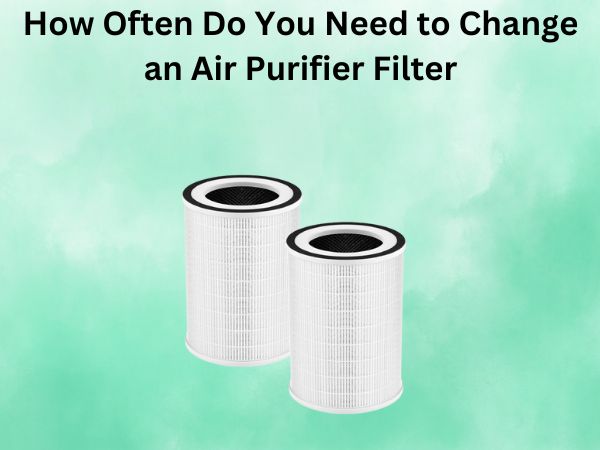
How Often Do You Need to Change an Air Purifier Filter: A Complete Guide
Just invested in an air purifier? You’re likely wondering when it’s time to replace the filter. This isn’t a question with a straightforward answer, which can make understanding air purifier upkeep feel a little tricky. But don’t fret—I’m here to guide you through everything you need to know to keep your device working its best.
Think of your air purifier filter like the lungs of your home’s air system. Just as our lungs need to be clear to function properly, your filter needs regular attention to keep doing its job effectively. Ignoring this maintenance is like driving your car without ever changing the oil—eventually, things stop working the way they should.
Understanding Your Air Purifier Filter Basics
Before we dive into the timing question, let’s talk about what these filters actually do. Your air purifier doesn’t magically make air clean—it captures pollutants, allergens, dust, and other particles. Every time it does this, it’s collecting stuff on that filter. Over time, the filter gets clogged, and once it’s full, it can’t capture new particles as effectively.
Most modern air purifiers use a combination of different filter types working together. You’ve got pre-filters that catch larger particles, HEPA filters that grab microscopic allergens and pollutants, and sometimes activated carbon filters that eliminate odors and chemical vapors. Each of these layers needs attention at different intervals.
The Standard Timeline for Filter Replacement
Here’s the straightforward answer: most air purifier filters need changing every 6 to 12 months. But here’s where it gets interesting—that timeframe can vary significantly depending on several factors we’ll explore.
Why 6 to 12 Months Is the General Rule
Manufacturers typically recommend replacement within this window because it represents the sweet spot where your filter can still function reasonably well without becoming completely ineffective. Think of it as the filter reaching a point where it’s working harder but still doing its job—kind of like asking someone to run a marathon when they’re already tired.
After a year of continuous use, most filters have accumulated enough particles that their filtration efficiency drops noticeably. You’re not getting the same air quality improvements that you got during the first few months of use.
Pre-Filters versus HEPA Filters: Different Schedules
Here’s something many people don’t realize: not all filters in your purifier need replacing at the same time. Your pre-filter, which catches the big stuff, might need cleaning or replacing every 1 to 3 months, while your HEPA filter could last 6 to 12 months. Some people even clean pre-filters instead of replacing them, which can extend their life considerably.
Activated carbon filters usually align with HEPA filter replacement schedules, but if you’re dealing with strong odors or chemical pollutants, you might need to swap them out sooner.
Factors That Affect How Often You’ll Change Filters
This is where your specific situation comes into play. Several variables determine whether you’ll be changing filters every 3 months or stretching it to a full year.
Indoor Air Quality and Pollution Levels
Live in a dusty area? Work with animals that shed constantly? Have renovations happening nearby? If your indoor air is already pretty polluted, your filter is going to fill up faster. It’s simple cause and effect—more particles in the air means more particles on your filter.
If you live in a relatively clean environment and run your purifier for just a few hours daily, you’re looking at the longer end of that replacement spectrum.
Usage Patterns and Operating Hours
How much are you actually running this thing? If you’ve got it running 24/7, it’s working overtime compared to someone who runs it a few hours before bed. The more you use your air purifier, the faster the filter accumulates particles.
Think about your lifestyle. Do you run it constantly, or just when you notice air quality issues? Every hour of operation counts toward filter saturation.
Pet Ownership and Shedding
Pet owners, listen up. If you share your space with dogs, cats, or other furry friends, your air purifier is working overtime. Pet hair, dander, and the particles that come along with them clog filters significantly faster than in pet-free homes.
If you’ve got multiple pets and they shed heavily, you might find yourself changing filters every 3 to 6 months instead of waiting a full year. It’s just the reality of choosing to live with animals.
Allergies and Health Concerns
People with severe allergies or respiratory conditions often run their purifiers more frequently and at higher speeds. This intensifies filter usage and means faster replacement cycles. If health is the driving concern, you might opt for more frequent changes anyway to ensure optimal performance.
Environmental Factors and Season Changes
Seasonal changes matter more than you might think. Spring brings pollen, summer might bring more dust if you’re opening windows, fall has leaf particles, and winter keeps everything sealed indoors but concentrated. Your replacement schedule might shift based on the season.
Air Purifier Size and Capacity
A small tabletop air purifier covering just one room will have different filter longevity than a whole-house system. Larger capacity units are designed to handle more volume, so their filters might last longer even with similar air quality.
Signs Your Filter Needs Immediate Replacement
Sometimes you don’t need to wait for the calendar to tell you it’s time. Your filter will actually give you signals that it’s done.
- Visible discoloration or darkening of the filter material
- A noticeable decrease in air purification effectiveness
- Reduced airflow from the unit
- Strange odors coming from the purifier itself
- The air quality sensor indicating poor filter status (if your model has one)
- More dust visible in your home despite running the purifier
If you’re noticing these signs before hitting that 12-month mark, trust what you’re observing. Your purifier is telling you it needs help.
Visual Inspection as Your Best Friend
Make it a habit to visually inspect your filter every month or two. Open up that purifier and take a look at what’s happening in there. A clean filter is usually bright white or cream colored. As it fills with particles, it darkens progressively. When it’s seriously dark gray or even black, you’re definitely past due for replacement.
Geographic and Environmental Considerations
Urban Living and Air Quality
If you’re in a major city with traffic pollution and smog, your filters are facing constant bombardment. Urban areas typically require more frequent filter changes than suburban or rural locations. The air your purifier is working with is simply dirtier.
Construction and Renovation Zones
Are you near ongoing construction or renovation projects? Dust and debris from these activities can accelerate filter clogging dramatically. During construction seasons, you might change filters monthly instead of quarterly.
Industrial Areas and Chemical Exposure
Living or working near industrial facilities means your air contains chemicals and particles that regular residential air doesn’t. Your activated carbon filters especially will work harder and need replacement more frequently.
Creating a Filter Replacement Schedule That Works
Mark Your Calendar
Don’t rely on memory. Pick a month—let’s say every July and January—and mark it on your calendar as filter replacement time. Having a regular reminder system prevents that “Oh no, when did I last change it?” panic.
Use Your Purifier’s Features
Many modern air purifiers have built-in filter replacement indicators. These sensors detect when the filter has reached capacity and alert you. Pay attention to these notifications—they’re based on actual usage data, not just guesses.
Keep Track of Usage
If your purifier displays operating hours, jot them down when you change the filter. This helps you understand your actual usage pattern and predict future replacement needs more accurately.
The Cost Factor: When to Replace vs. When to Clean
Filter replacement can add up financially, especially if you’re doing it frequently. Some filters can be vacuumed or gently washed to extend their life, while others are one-time use only.
Cleanable Pre-Filters
Many pre-filters are reusable. You can vacuum them or rinse them with water every month or two, and they’ll work almost like new. This is a fantastic money-saver. However, never wash a HEPA filter—water damages the fine mesh that makes it effective.
When Budget Drives Decisions
If cost is a concern, look for air purifiers with longer-lasting filters or models that use cheaper replacement units. Some brands offer subscription services where filters arrive automatically, sometimes at discounted rates. Budgeting for filter replacements as part of your regular home maintenance expense helps.
Brands and Their Specific Recommendations
Different manufacturers have different standards. A Dyson purifier might have a different replacement timeline than a Honeywell or Coway unit. Always check your specific model’s manual for manufacturer recommendations.
These recommendations aren’t arbitrary—they’re based on testing that specific filter’s performance characteristics. Sticking to them helps you get the most value from your investment.
Best Practices for Extending Filter Life
Proper Placement Matters
Where you position your air purifier affects how hard it works. Keep it away from walls, furniture, and obstacles that restrict airflow. If air can move freely around the unit, the filter doesn’t have to work as intensely to pull in pollutants.
Regular Maintenance Routine
Clean the exterior and intake areas of your purifier regularly. Dust buildup around the unit forces it to work harder. A quick wipe-down monthly can reduce the strain on your filters.
Reduce Overall Pollution Sources
The fewer pollutants your purifier has to deal with, the longer filters last. Open windows on clean air days, avoid smoking indoors, minimize candle burning, and address any moisture or mold issues. You’re working together with your purifier, not against it.
Conclusion
So, how often do you need to change your air purifier filter? The honest answer is that it depends on your specific situation, but most people should plan on replacement every 6 to 12 months for main filters and every 1 to 3 months for pre-filters. Start with your manufacturer’s recommendations, pay attention to visual cues, and adjust based on your actual experience with the unit in your specific environment.
The key is staying consistent with maintenance. Regular filter changes aren’t glamorous or exciting, but they’re absolutely essential to keeping your air purifier working as intended. Think of it as preventive care—a little attention now saves you from breathing compromised air later. Your lungs will thank you for keeping that filter fresh and functional.
Frequently Asked Questions
Can I wash and reuse my HEPA filter to save money?
No, washing HEPA filters damages them irreparably. The fine mesh fibers that make HEPA filters effective at capturing microscopic particles are destroyed by water. Your best bet for savings is looking into more affordable replacement options or purchasing units with longer-lasting filters from the start.
What happens if I don’t change my air purifier filter?
A clogged filter dramatically reduces your purifier’s effectiveness. You’ll experience decreased airflow, reduced air quality improvements, and the filter might eventually become so congested that it damages the motor trying to pull air through. Plus, you’re paying electricity costs for a unit that isn’t performing well.
How do I know if my filter needs changing before the scheduled time?
Visual inspection is your best indicator. Open your purifier and look at the filter—if it’s visibly dark or discolored, it’s time. You might also notice reduced airflow or smell something off coming from the unit. Some newer models have sensor lights that tell you when replacement is needed.
Are expensive air purifier filters worth the extra cost?
Premium filters often last longer and perform better, which can offset their higher upfront cost over time. However, budget options from reputable brands work fine if you’re diligent about replacement schedules. The most important factor is actually changing them regularly, regardless of which brand you choose.
Should I run my air purifier continuously to maximize its benefit?
Not necessarily. Running it 24/7 will use more electricity and wear out filters faster. Running it for 8 to 12 hours daily, especially during hours when you’re home and awake, provides significant air quality benefits while being more economical. During high pollen days or if someone is sick, you can increase usage temporarily.
“`