How Robot Vacuums Work: A Comprehensive Guide
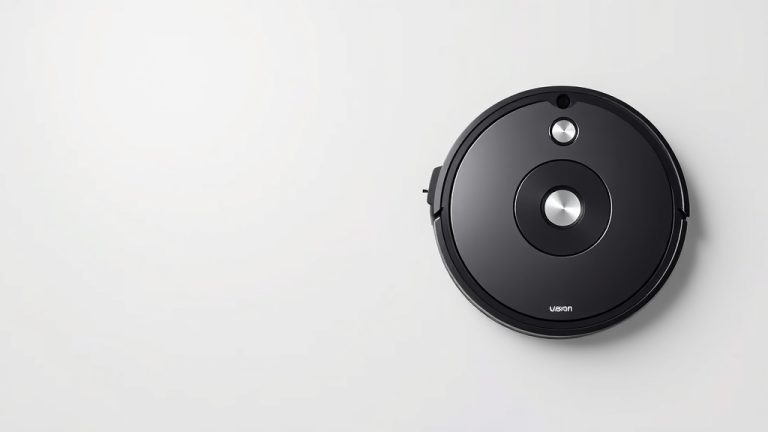
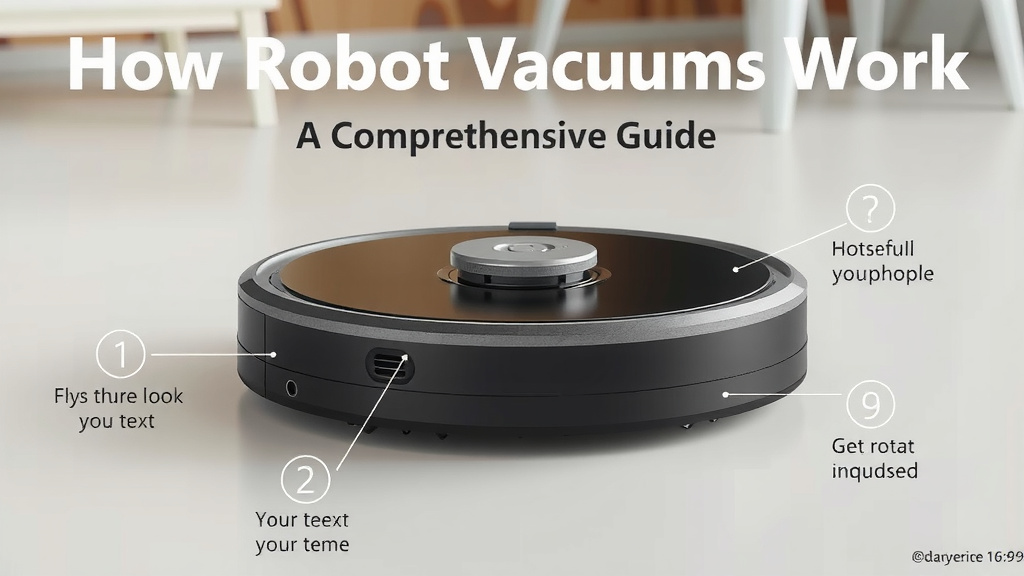
Robot vacuum cleaners work by using a combination of sensors and smart navigation to move around your home and clean floors. They are designed to autonomously navigate obstacles, cover your entire floor space, and return to their charging station. Think of them as your tiny, tireless cleaning assistants.
These smart devices employ various technologies, like infrared or lidar sensors, to map your rooms and avoid bumping into furniture or falling down stairs. Many robot vacuums also use brushes and suction to pick up dirt, dust, and pet hair, making them a convenient way to maintain a cleaner home with minimal effort. We found that their efficiency has greatly improved over the years.
- Robot vacuums clean autonomously using sensors.
- They map your home to navigate efficiently.
- Sensors prevent them from hitting walls or falling.
- Brushes and suction collect dirt and debris.
- They return to their dock to recharge.
Ready to see how these helpful gadgets get the job done? Let’s break down exactly how your robot vacuum works its magic.
You’ve seen them whizzing around living rooms, dutifully sucking up crumbs and pet hair. But have you ever stopped to wonder what’s really going on inside that little disc? How does a robot vacuum cleaner actually work? It’s a clever mix of sensors, programming, and good old-fashioned suction. We’ve found that understanding the mechanics can help you appreciate your cleaning companion even more.
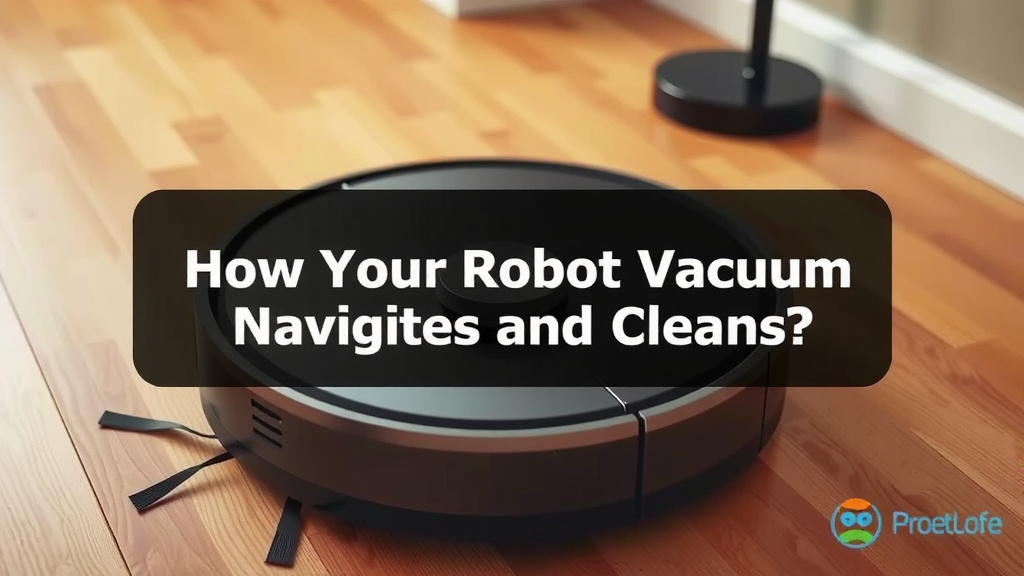
How Your Robot Vacuum Navigates and Cleans
At its core, your robot vacuum is a smart device designed to clean your floors without you lifting a finger. It uses a sophisticated system of sensors and algorithms to map your home, avoid obstacles, and cover every reachable area.
The Eyes and Brains: Sensors and Navigation
Think of sensors as your robot vacuum’s eyes and ears. They’re constantly gathering information about its surroundings. This data is crucial for it to move around effectively. Without them, your robot would just bump into everything and get stuck.
Types of Sensors You’ll Find
Most robot vacuums come equipped with several types of sensors. Infrared sensors are common. They emit infrared light and detect when it bounces back off an object. This helps the vacuum know when it’s close to a wall or furniture. Some advanced models use lidar (light detection and ranging). Lidar spins around and emits laser pulses, creating a very precise map of the room. We found this can lead to more efficient cleaning patterns. Other sensors include cliff sensors on the bottom. These prevent your little helper from taking a tumble down the stairs.
Mapping Your Home for Smarter Cleaning
Once the sensors collect data, the robot’s internal computer processes it. This creates a digital map of your home. Some vacuums use a random navigation pattern, which is like them just wandering around until they hit something. Others use more advanced mapping. They can create a systematic path, like a grid, ensuring they don’t miss spots. We found that vacuums with sophisticated mapping capabilities tend to clean more thoroughly and quickly.
The Cleaning Powerhouse: Suction and Brushes
Navigating is only half the battle. The real work is picking up dirt. Robot vacuums achieve this through a combination of suction and brushes.
How Dirt Gets Lifted
Most robot vacuums have a central vacuum motor that creates suction. This pulls air and debris into a dustbin. The strength of the suction, often measured in Pascals (Pa), determines how well it can pick up different types of debris. We found that higher Pa ratings generally mean better performance, especially for pet hair.
The Role of Brushes
Brushes are essential for agitating dirt and sweeping it towards the suction port. You’ll typically find a main brush on the underside. This is often a combination of bristles and rubber fins. It spins to loosen dirt from carpets and sweep debris from hard floors. Many robot vacuums also have one or two side brushes. These spin outwards to sweep dirt from edges and corners into the path of the main brush. Research shows that the combination of brushes and suction is highly effective for most household dirt.
Keeping Your Robot Vacuum Running
A robot vacuum needs a way to keep its battery charged. It also needs a place to store the dirt it collects.
Returning to the Dock: The Charging Station
When your robot’s battery gets low, or when it finishes its cleaning cycle, it needs to recharge. Most robot vacuums are programmed to find their charging dock. They use infrared signals from the dock to guide them back. Once docked, they automatically connect to the charging contacts and begin to replenish their battery. We found this self-docking feature is one of the most convenient aspects of these devices.
The Dustbin and Maintenance
As your robot vacuum cleans, it collects dirt, dust, and hair in a small onboard dustbin. This bin needs to be emptied regularly. Some robot vacuums have smaller bins that need frequent emptying. Others are larger, or even come with a self-emptying base station. This base station sucks the dirt from the robot’s bin into a larger bag or container. This means you might only need to empty the base station every few weeks. Regular maintenance, like cleaning the brushes and filters, is key to keeping your robot vacuum working efficiently. Many manufacturers recommend cleaning these parts weekly.
Filter Care
Robot vacuums use filters to trap fine dust particles. These filters can get clogged over time, reducing suction power. Most filters should be rinsed or replaced periodically. Check your robot vacuum’s manual for specific cleaning instructions. We found that a clean filter significantly improves cleaning performance.
Here’s a quick checklist to ensure your robot vacuum is always ready to clean:
- Ensure charging dock has clear space around it.
- Empty the dustbin after each cleaning cycle or as needed.
- Clean the main brush and side brushes regularly.
- Check and clean or replace the filter according to the manual.
- Make sure sensors are free from dust and debris.
- Keep the charging contacts on the robot and dock clean.
Conclusion
Your robot vacuum cleaner is more than just a gadget; it’s a smart system working hard to keep your home clean. We’ve seen how sensors map your space and guide the robot, while brushes and suction tackle dirt effectively. Its ability to navigate autonomously and return to its dock for charging makes it a truly hands-free solution. By understanding its mechanics and performing simple maintenance, you ensure your little cleaning assistant operates at peak performance. Keep those brushes clean and filters clear to enjoy consistently spotless floors!
Frequently Asked Questions
How does a robot vacuum know where to clean?
Robot vacuums use sensors like infrared or lidar to detect walls, furniture, and stairs. This data helps them build a map of your home. They then use this map to plan a cleaning path, ensuring they cover all accessible areas without getting stuck or falling.
Can robot vacuums clean different floor types?
Yes, most robot vacuums are designed to clean various floor types, from hardwood and tile to low-pile carpets. Their brushes agitate dirt on carpets, while suction picks up debris from hard surfaces. Some advanced models can even adjust their suction power based on the floor type.
What happens if my robot vacuum gets stuck?
If a robot vacuum gets stuck, it will typically stop and alert you, often through a mobile app or an audible beep. Some models have basic obstacle avoidance that can help prevent this, but it’s still a good idea to clear your floor of large or complex obstacles before running it.
How often should I empty the dustbin?
This depends on the size of your robot vacuum’s dustbin and how much dirt it picks up. For most standard models, emptying the dustbin after each cleaning cycle is recommended to maintain optimal suction. If you have pets, you might need to empty it more frequently.
Do robot vacuums require Wi-Fi to work?
Basic robot vacuums can operate without Wi-Fi, using their onboard sensors for navigation. However, to access smart features like app control, scheduling, room mapping, and virtual no-go zones, you will need a Wi-Fi connection and the corresponding mobile app.