Vacuum After Flea Treatment: When Is It Safe?
You can usually vacuum immediately after applying most flea treatments, but it’s always best to check the specific product instructions. Some treatments might recommend waiting a short period to ensure the product fully absorbs or dries. However, vacuuming can be a great way to help remove fleas and their eggs from your home.
This immediate vacuuming can significantly disrupt the flea life cycle. It helps clear out active fleas, larvae, and eggs before they can mature and re-infest your pet or home. Many experts recommend making vacuuming a regular part of your flea control routine.
- Vacuum right away for most treatments.
- Check product labels for specific waiting times.
- Vacuuming removes fleas, eggs, and larvae.
- It’s a key step in flea control.
Let’s walk through exactly what the research says about vacuuming and flea treatments, and when you can get that vacuum cleaner rolling.
When Can You Vacuum After Flea Treatment?
You’re probably eager to get your home back to normal after treating for fleas. The good news is that for most flea treatments, you can vacuum right away. This is because vacuuming doesn’t typically interfere with the effectiveness of common flea products. In fact, many experts recommend it as a complementary step. It’s like giving your flea treatment a helpful sidekick!
Think of it this way: the treatment is working on your pet or in your carpet fibers. Vacuuming then helps to scoop up any fleas, eggs, or larvae that might have missed the treatment or haven’t been affected yet. This dual approach is often the most effective way to win the war against fleas.
Understanding Flea Life Cycles and Vacuuming’s Role
Fleas have a life cycle with four stages: egg, larva, pupa, and adult. It’s not just the adult fleas biting you or your pet that are the problem. The eggs, larvae, and pupae are also lurking in your home, waiting to hatch. Vacuuming is exceptionally effective at removing these early stages. It physically removes them from your carpets, furniture, and floors before they can develop into biting adults.
We found that the flea egg stage is particularly vulnerable to vacuuming. These tiny eggs can easily be sucked up. Larvae, which are tiny worm-like creatures, are also often found in the same places as adult fleas and are easily captured by your vacuum cleaner. This is a huge win for breaking the flea cycle.
The Pupa Stage: A Tricky Challenge
The pupa stage is where things get a little more complicated. Fleas in their pupal stage are inside a cocoon. These cocoons are sticky and tend to stick to carpet fibers or upholstery. This makes them quite difficult for a vacuum cleaner to remove completely. However, vacuuming can still be beneficial here. It can remove some pupae and, importantly, it can stimulate remaining pupae to hatch into adult fleas.
Once a flea hatches into an adult, it becomes vulnerable to the flea treatment you’ve applied. So, even though you can’t vacuum up all the pupae, you can encourage them to hatch. Then, your flea treatment can do its job more effectively on these newly emerged adults. It’s a clever strategy, isn’t it?
When to Vacuum After Specific Flea Treatments
Most over-the-counter and veterinary-prescribed flea treatments are designed to work alongside regular cleaning. This includes vacuuming. However, there are a few exceptions you should be aware of. Always read the product label carefully before you start. It’s your best guide.
Topical Treatments (Spot-Ons)
For most topical flea treatments applied to your pet’s skin, you can vacuum your home immediately. These products usually work by spreading across your pet’s skin oils or being absorbed. They don’t typically rely on drying time in the environment. We found that vacuuming soon after applying a spot-on treatment can actually help remove any fleas that might have dropped off your pet before the treatment could affect them.
The key is that the medication is on your pet, not necessarily in the carpet. So, vacuuming the living areas should not wash away or dilute the product. It’s a great way to get a head start on removing those pesky fleas from your surroundings.
Flea Sprays and Powders for the Home
When you use flea sprays or powders directly on carpets, furniture, or pet bedding, the instructions might be slightly different. Some products may recommend that you let them sit for a certain amount of time. This allows the insecticide or growth regulator to settle and work effectively. We found that for these types of treatments, checking the label is absolutely essential.
For instance, a spray might need to dry completely before people or pets should come into contact with the treated area. A powder might need to be left for a few hours. In these cases, delaying vacuuming until the product has had time to work is important. This ensures you don’t accidentally vacuum up the treatment itself before it has a chance to do its job.
Flea Bombs or Foggers
Flea bombs, also known as foggers, release a fine mist that spreads throughout your home. These products often contain insecticides and insect growth regulators. They usually require you to leave your home for a specific period, often several hours or even a full day. You’ll also need to cover fish tanks and turn off pilot lights (CDC guidelines). After the recommended waiting period, you typically need to ventilate the house well.
Once the home is aired out, you can usually vacuum. Many fogger instructions will specifically state that vacuuming is recommended after the initial airing out period. This helps to remove dead fleas and any residual product. Again, always follow the specific product’s instructions precisely.
Vacuuming as Part of Your Flea Control Strategy
Vacuuming isn’t just a one-time cleanup task after treatment; it’s a critical component of a long-term flea control plan. Regular vacuuming can significantly reduce the number of flea eggs, larvae, and even adult fleas in your home. Many pest control experts recommend vacuuming daily or every other day in areas where fleas are present.
This consistent effort disrupts the flea life cycle at multiple stages. It removes potential food sources for larvae (flea dirt, which is dried blood). It also helps to collect adult fleas before they can lay more eggs. Making vacuuming a habit is like putting up a constant defense against flea re-infestation.
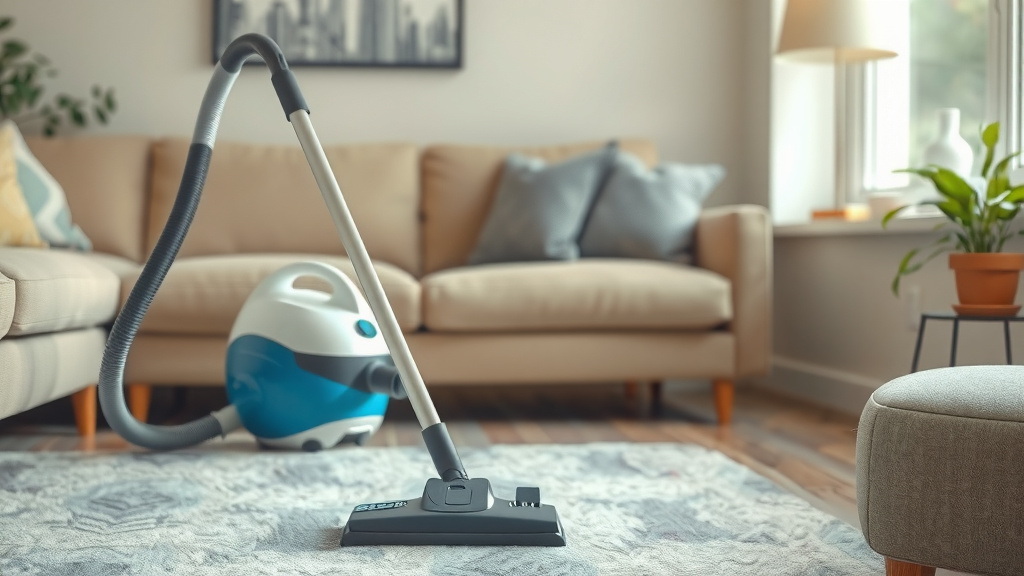
Tips for Effective Flea Vacuuming
To make your vacuuming efforts as effective as possible, consider these tips:
- Focus on High-Traffic Areas: Fleas and their eggs tend to gather where your pet spends the most time. Pay extra attention to pet beds, carpets, under furniture, and along baseboards.
- Use the Right Attachments: Crevice tools and upholstery attachments are your best friends for getting into tight spots and cleaning fabric surfaces.
- Vacuum Regularly: As mentioned, consistency is key. Aim for daily vacuuming during an active infestation.
- Empty the Bag or Canister Immediately: After each vacuuming session, seal the vacuum bag in a plastic bag and dispose of it outside. If you have a canister vacuum, empty the contents into a sealed bag outdoors. This prevents any captured fleas or eggs from escaping back into your home.
- Consider a HEPA Filter: While not strictly necessary, a vacuum with a HEPA filter can help trap flea eggs and other allergens, improving air quality.
A Quick Checklist for Vacuuming After Treatment
Here’s a simple rundown to help you decide when to vacuum:
- Check the Flea Product Label: This is your most important step.
- Most Spot-Ons: You can usually vacuum right away.
- Home Sprays/Powders: Wait for the product to dry or set as instructed.
- Flea Bombs: Follow post-treatment ventilation and waiting times.
- Empty Your Vacuum: Dispose of the bag or canister contents outside immediately.
By understanding how different flea treatments work and incorporating regular vacuuming into your routine, you can effectively manage flea infestations and keep your home comfortable for everyone, two-legged and four-legged alike!
Conclusion
You’ve learned that in most cases, you can vacuum right away after applying flea treatments, especially spot-ons. This immediate action is a powerful tool to disrupt the flea life cycle by removing eggs and larvae. For sprays and foggers, always check the product label for recommended waiting times before vacuuming. Remember, consistent vacuuming, especially in pet-heavy areas, is your best defense against re-infestation. Keep emptying your vacuum outdoors to truly seal your victory against fleas!
Frequently Asked Questions
Will vacuuming remove flea eggs from my carpet?
Yes, vacuuming is very effective at removing flea eggs from carpets and upholstery. The suction can easily pick up these tiny eggs before they hatch into larvae. Making vacuuming a regular habit is key to catching them.
Can I vacuum immediately after using a flea spray on my furniture?
For flea sprays applied directly to furniture, it’s best to check the product instructions. Many sprays need time to dry or set to be effective. You might need to wait a few hours before vacuuming, so you don’t remove the treatment prematurely.
How often should I vacuum when dealing with a flea infestation?
When you have an active flea infestation, experts recommend vacuuming daily or every other day. This frequent cleaning physically removes fleas, eggs, and larvae, significantly disrupting their life cycle.
Does vacuuming hurt flea treatments applied to my dog?
Generally, vacuuming your home won’t directly harm flea treatments applied to your dog, like topical spot-ons. The medication is on your pet, and vacuuming your environment helps remove fleas that might have fallen off.
What should I do with my vacuum bag after vacuuming for fleas?
It’s essential to remove the vacuum bag or canister contents immediately after vacuuming. Seal the bag tightly and dispose of it outside your home. This prevents any captured fleas or eggs from escaping back into your living space.
![7 Best Cordless Handheld Vacuum For Cat Litter [2026]](https://bathroomexplorer.com/wp-content/uploads/2026/05/7-best-cordless-handheld-vacuum-for-cat-litter-2026-featured-768x432.jpg)