How Soon Does Mold Grow After Water Damage? Warning Signs to Know
How Soon Does Mold Actually Grow After Water Damage?
Let me give you the straight answer: mold can begin growing within 24 to 48 hours after water damage occurs. Yes, you read that correctly. That innocent-looking puddle in your basement could already be hosting a mold colony by tomorrow morning. Some sources suggest that under ideal conditions, mold can even start colonizing within just 12 hours. Pretty sobering, right?
The speed at which mold establishes itself depends on several variables, but the general rule is this—the faster you eliminate moisture, the better your chances of stopping mold before it becomes a serious problem. Think of it like a race against time where every hour counts.
Understanding the Mold Growth Timeline
The Germination Phase (Hours 0-24)
When water first enters your home, mold spores that are already present in the air and on surfaces begin their activation process. These spores are essentially dormant seeds waiting for the perfect conditions to wake up. Water damage creates exactly what they’re looking for—moisture, warmth, and often, darkness.
During the first 24 hours, you won’t see visible mold yet, but the biological process is already underway. The spores absorb moisture and begin their germination phase. It’s like planting a seed in soil and watching it swell before it breaks through the surface.
The Colonization Phase (Days 2-7)
By day two, things start getting real. Mold spores have germinated and are beginning to form visible colonies. What you might see at this stage is just the tip of the iceberg—there’s likely much more happening in wall cavities, under flooring, and in other hidden areas. By the end of the first week, mold can have established itself throughout affected areas if conditions remain moist.
The Spreading Phase (Week 2 Onward)
After the first two weeks, mold isn’t just growing—it’s actively spreading and becoming harder to contain. It produces more spores, which travel through your home’s air and settle on new surfaces. This is when you might start noticing the musty smell that tells you mold has moved from the microscopic stage to something much more visible and problematic.
Why Mold Loves Water Damage
Understanding why mold is attracted to water damage helps explain its aggressive growth rate. Mold is essentially a fungus, and like all living organisms, it needs three things to survive: moisture, a food source, and the right temperature. Water damage provides all three of these conditions in abundance.
Most building materials in your home—drywall, wood, insulation, carpet—contain organic materials that mold absolutely loves to eat. They’re basically an all-you-can-eat buffet for mold spores. Add moisture from water damage to the equation, and you’ve created a five-star restaurant for fungal growth. The temperature in most homes falls right in the sweet spot where mold thrives, typically between 60 and 80 degrees Fahrenheit.
The First 24 Hours: Your Critical Window
Why This Time Period Matters Most
I cannot stress this enough—the first day after water damage is your golden opportunity to prevent mold from ever taking hold. This is the window where intervention can make the biggest difference. If you can dry out affected areas completely within the first 24 hours, you’ve dramatically reduced the likelihood of mold becoming a problem.
This is why water restoration companies and emergency response teams move so quickly. They understand that time is literally money when it comes to mold prevention. Every hour that passes with moisture present is an hour mold spores are getting closer to establishing themselves.
What You Should Do in the First 24 Hours
- Turn off water sources and stop additional water from entering affected areas
- Remove standing water using pumps, wet vacuums, or professional extraction equipment
- Open windows and doors to increase air circulation, weather permitting
- Turn on fans and dehumidifiers to begin the drying process
- Remove wet items and materials where possible
- Document everything with photos for insurance purposes
- Call water restoration professionals if the damage is extensive
Days 2-7: When Mold Begins Its Journey
If you’ve made it through the first 24 hours without taking action, mold is likely already beginning its colonization process. By day two, you might not see anything yet, but microscopic mold is taking root in damp materials. This is a critical period because the visible signs haven’t appeared, so it’s easy to think everything’s fine when it’s actually not.
Between days 3 and 5, you might start noticing a musty odor in your home. This smell is actually mold spores and their byproducts being released into the air. It’s your home’s way of sending a warning signal. If you notice this smell after water damage, take it seriously—it means mold has already progressed beyond the microscopic stage.
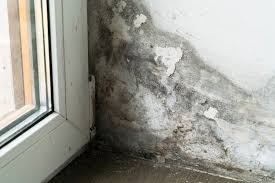
By day 7, if moisture hasn’t been controlled, visible mold colonies might appear on surfaces. They often look like dark spots, fuzzy patches, or discoloration. At this point, the mold problem has become much more serious and much more expensive to remediate.
Warning Signs of Developing Mold
Sensory Warning Signs
Your nose is actually one of your best tools for detecting mold early. That distinctive musty, earthy smell is produced by mold spores and volatile organic compounds they release. If you detect this smell days after water damage, mold growth has likely begun. Trust your instincts—if something smells off, it probably is.
Visible signs can vary depending on the type of mold and the surface it’s growing on. You might see black spots, greenish patches, white fuzzy growth, or orange discoloration. These aren’t always in obvious places either—sometimes they appear in corners, along baseboards, or on ceiling tiles where they’re easy to overlook.
Environmental Warning Signs
- Persistent moisture or dampness in affected areas despite drying efforts
- Visible water stains on walls, ceilings, or flooring
- Soft or spongy spots in wood or drywall, indicating structural damage
- Peeling paint or wallpaper that separates from walls
- Warping or buckling in wooden floors or wall panels
- Increased indoor humidity levels, even in normally dry areas
- Condensation on windows and cool surfaces
Health-Related Warning Signs
Sometimes your body provides the earliest warning signs. People in homes with developing mold problems often report respiratory issues, allergic reactions, itchy eyes, skin irritation, or increased asthma symptoms. Children, elderly individuals, and people with compromised immune systems are particularly vulnerable. These symptoms often worsen when spending time in affected areas and improve when you leave the space.
Factors That Speed Up Mold Growth
Temperature and Humidity
Mold grows fastest in warm, humid environments. If your water damage occurs during summer months or in naturally humid climates, mold can colonize much faster than during cold, dry seasons. Humidity levels above 50 percent create an ideal breeding ground. In fact, anything above 60 percent humidity is considered high-risk for mold growth.
Material Composition
Some materials are mold magnets more than others. Porous materials like carpet, drywall, insulation, and wood are extremely susceptible to mold because they absorb and retain moisture. Non-porous materials like tile, concrete, and laminate are more resistant, but mold can still grow on their surfaces if moisture is present.
Air Circulation
Poor air circulation allows moisture to remain trapped in materials, creating perfect conditions for mold. Areas with stagnant air—like basements without fans, attics, or sealed crawl spaces—tend to develop mold problems faster than well-ventilated areas.
Water Type
Not all water damage is created equal. Clean water from burst pipes or heavy rain carries fewer contaminants than gray water from washing machines or sewage backups. However, all water types can support mold growth if they’re not addressed quickly. The cleanliness of the water affects how quickly mold progresses, but in all cases, speed matters more than anything else.
Hidden Mold: The Sneaky Problem
Here’s where things get really tricky. The mold you see is usually just the beginning of the problem. Behind walls, inside insulation, beneath flooring, and in wall cavities, mold can be thriving while you remain completely unaware. This hidden mold is often more dangerous because it goes undetected for weeks or even months.
Think about it this way—if water entered your walls during a flood or pipe burst, how would you dry the inside of those wall cavities? You probably wouldn’t, unless you specifically addressed it. That means moisture could linger in those hidden spaces long after surfaces appear dry, creating a perfect mold sanctuary.
Why Hidden Mold Is Particularly Problematic
- It can compromise structural integrity by eating away at wooden studs and joists
- It releases spores into your home’s air through HVAC systems and small openings
- It’s difficult and expensive to remediate once discovered
- It can cause significant health problems before anyone realizes it’s there
- It continues growing undetected for extended periods
How to Prevent Mold After Water Damage
Immediate Response Strategies
The most effective mold prevention starts the moment water damage occurs. Your first priority should be stopping the water source. Whether it’s a burst pipe, leaking roof, or external flooding, you cannot successfully prevent mold while water is still entering your home.
Once you’ve stopped the water source, extraction becomes your next critical step. Remove standing water as quickly as possible using wet vacuums, submersible pumps, or professional extraction equipment. Every hour that water sits is an hour it’s soaking into materials and spreading through your home.
Drying Strategies
- Open windows and doors to maximize outdoor air circulation if weather permits
- Position fans to create air movement throughout affected areas
- Use dehumidifiers to remove moisture from the air and materials
- If possible, increase temperature slightly to speed evaporation
- Remove carpet, cushions, and soft furnishings from wet areas to expose underlying surfaces for drying
- Tear out affected drywall and insulation to access moisture in wall cavities
- Ensure crawl spaces, attics, and basements have adequate ventilation
Moisture Control After Drying
Even after visible drying occurs, maintaining low humidity is crucial for preventing mold. Use dehumidifiers continuously until humidity levels drop below 50 percent. Monitor humidity with a hygrometer—this inexpensive device tells you exactly how much moisture is in your home’s air. Keep humidity consistently below 50 percent and ideally below 40 percent to create an environment where mold cannot thrive.
Material Replacement Considerations
Sometimes prevention means removal. Drywall, carpet, insulation, and other materials heavily saturated with water may need complete replacement rather than drying. This sounds costly, but consider it an investment in preventing a much more expensive mold remediation project later. If materials cannot be dried within 48 hours, replacement is often the best choice.
When to Call a Professional
Not all water damage situations warrant professional intervention, but several scenarios absolutely require expert help. If the water damage covers an area larger than about 10 square feet, or if it involves contaminated water from sewage or other sources, professional water restoration is essential. Similarly, if water has entered walls, attics, or crawl spaces where you cannot easily access for drying, professionals have the equipment and expertise to handle it properly.
Additionally, if you notice a musty smell, visible mold, or signs of mold growth weeks after water damage, professional mold remediation becomes necessary. Trying to handle extensive mold problems yourself can actually make things worse by spreading spores throughout your home.
What Professional Water Restoration Includes
- Advanced water extraction equipment that removes moisture much faster than consumer equipment
- Professional-grade dehumidifiers and air movers
- Assessment of hidden moisture in walls and other concealed spaces
- Professional drying documentation for insurance claims
- Potential mold remediation if growth has already begun
- Guidance on material replacement decisions
Common Myths About Mold and Water Damage
Myth 1: If You Can’t See Mold, It Isn’t Growing
This is dangerously false. Mold can grow for days or weeks before visible colonies appear. By the time you see mold, it has already been colonizing for some time. Relying on visibility alone is a recipe for discovering mold problems too late.
Myth 2: Bleach Kills Mold Completely
While bleach can kill surface mold, it doesn’t address mold growing inside materials. When you apply bleach to drywall or carpet, it kills what’s on the surface, but mold roots continue growing within the material. This is why material replacement is often necessary for heavily affected items.
Myth 3: You Can Safely Live in a Home with Mold
Mold is not something to ignore. Prolonged exposure to mold spores and their byproducts can cause serious respiratory issues, allergic reactions, and other health problems. Some mold species produce mycotoxins that are particularly harmful. Your home should not be a health hazard.
Myth 4: Opening Windows Is Enough to Dry Water Damage
<p