
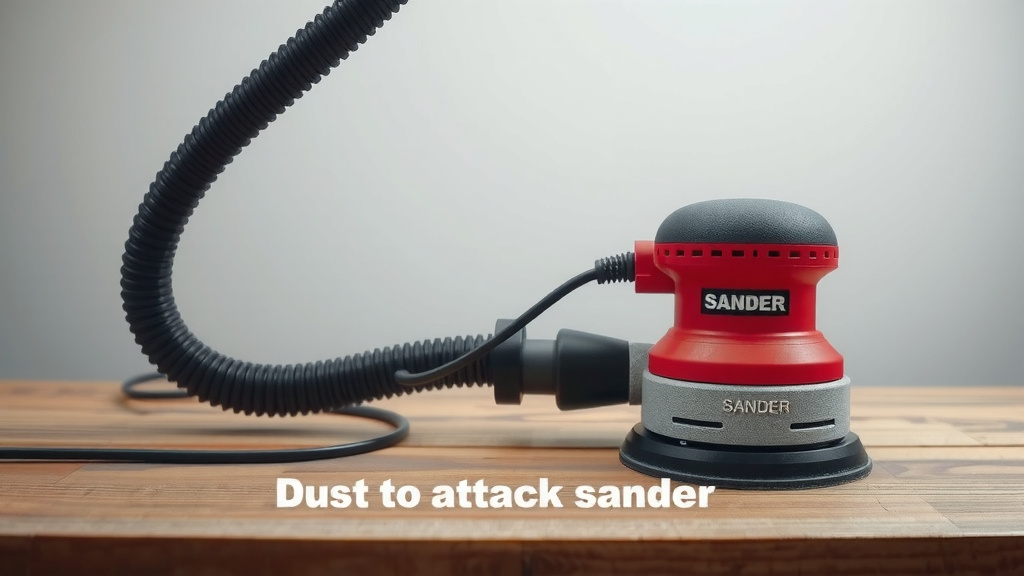
How to Attach Sander to Vacuum for Dust-Free Sanding
Yes, you can absolutely attach your sander to a vacuum cleaner! Doing so creates a much cleaner workspace by capturing most of the dust directly as you sand. This method is a real game-changer for dust control and your breathing.
When you connect your sander to a shop vac or dust collection system, you dramatically reduce airborne particles. Many modern sanders are even designed with this dust-evacuation in mind. It’s a simple setup that makes a huge difference in workshop air quality.
TL;DR:
- Yes, connecting a sander to a vacuum works great.
- It captures dust at the source.
- Keeps your workspace much cleaner.
- Improves air quality significantly.
- Easy to set up with the right tools.
Let’s walk through exactly how to get your sander hooked up to your vacuum for a dust-free sanding experience.
Connecting Your Sander to a Vacuum for a Cleaner Workshop
Attaching your sander to a vacuum cleaner is a fantastic way to control dust while you work. This setup captures sawdust right where it’s made. It makes your sanding projects much cleaner. You’ll breathe easier too. Many sanders are designed for this connection.
Why You Need Dust Collection for Sanding
Sanding creates a lot of fine dust particles. These particles can become airborne quickly. They can settle on everything in your workshop. Breathing in this dust is also not good for your health. According to the Occupational Safety and Health Administration (OSHA), wood dust can cause respiratory issues.
Health Benefits of Dust Control
When you hook up your sander to a vacuum, you dramatically reduce the amount of dust in the air. This means less dust to inhale. It helps protect your lungs. For those with allergies or asthma, this is especially important. Many health organizations recommend dust control measures in workshops (Centers for Disease Control and Prevention).
Workshop Cleanliness Made Easy
Imagine finishing a project without spending hours cleaning up dust. Connecting your sander to a vacuum makes this possible. Dust is collected directly into the vacuum cleaner bag or canister. This means a lot less dust settles on your tools, surfaces, and floor. Your cleanup time will be cut down significantly.
How to Hook Up Your Sander to a Vacuum
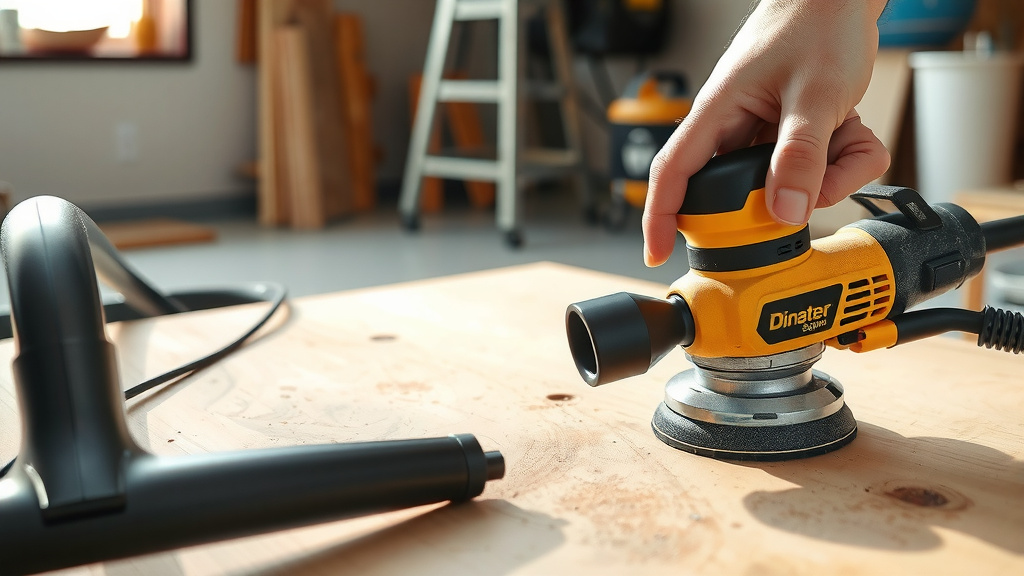
The process is usually straightforward. Most modern sanders have a dust port. This port is where you’ll attach your vacuum hose. The type of sander you have will influence the exact steps. We’ll cover common sander types below.
Types of Sanders and Their Dust Ports
Different sanders have different dust collection setups. Orbital sanders and random orbital sanders are very common. Belt sanders and detail sanders also have dust ports, though they can vary.
Orbital and Random Orbital Sanders
These sanders typically have a built-in dust collection bag. You can often remove the bag. Then, you can attach a vacuum hose directly to the sander’s dust port. Some might require an adapter.
Belt Sanders
Belt sanders also generate a lot of dust. They usually have a dust shroud with a port. You’ll need to connect your vacuum hose to this port. The shroud helps direct the dust towards the hose.
Detail Sanders
Detail sanders, often shaped like irons, also have dust ports. These are usually on the back or side. You’ll connect your vacuum hose here to capture fine dust.
Choosing the Right Vacuum Cleaner
Not just any vacuum will do for sanding dust. You need a vacuum that can handle fine particles. A standard household vacuum might clog up quickly. It could also blow fine dust back into the air.
Shop Vacs are Ideal
A shop vac, also known as a shop-vac or utility vacuum, is the best choice. These vacuums are built for tough jobs. They have powerful suction. They also have better filtration systems. Many are designed to handle fine dust without damage. You can find shop vacs with large capacities too, so you won’t have to empty them as often.
Filtration is Key
Look for a shop vac with a good filtration system. A HEPA filter can trap very fine particles. This is ideal for workshop dust. Check the vacuum’s specifications for its filtration capabilities. This is crucial for keeping your air clean (Environmental Protection Agency).
Connecting the Hose: Adapters and Fit
Sometimes, the dust port on your sander and the vacuum hose aren’t a perfect match. You might need an adapter. Luckily, there are universal adapters available. These can connect different sizes of hoses and ports.
Universal Dust Collection Adapters
These adapters are usually made of flexible rubber or plastic. They have a tapered end. This allows them to fit a range of hose diameters. You can often cut them to size. This makes them very versatile. They are a lifesaver when your sander and vacuum don’t seem to connect easily.
Securing the Connection
Once you have a good fit, make sure it’s secure. You don’t want the hose to pop off while you’re sanding. A loose connection will let dust escape. Some people use a hose clamp or even strong tape to ensure a tight seal. A good, snug fit is important.
Tips for Optimal Dust Collection
Getting the connection right is just the first step. There are a few other things you can do. These will help you get the most out of your dust collection system.
Keep Your Vacuum Filter Clean
A clogged filter will reduce suction power. This means less dust will be collected. Check your vacuum’s filter regularly. Clean or replace it as needed. Following the manufacturer’s instructions is a good idea.
Empty Your Vacuum Canister Regularly
Don’t let your shop vac fill up completely. A full canister reduces airflow and suction. Empty it when it’s about two-thirds full. This helps maintain good performance. It also prevents dust from escaping when you move the vacuum.
Use the Right Sanding Discs
Many sanding discs have holes in them. These holes are designed to align with the dust port on your sander. Using discs with holes helps the sander pull dust away more effectively. They work with your vacuum system.
Consider a Dust Deputy or Similar System
For serious dust control, you might want to add a cyclone separator. Systems like the Dust Deputy sit between your sander and your shop vac. They spin the dust out of the airflow. Most of the dust collects in a bucket. This keeps your vacuum filter much cleaner. It also extends the life of your vacuum bag.
Check for Leaks in the System
Even small leaks can let a lot of dust escape. Walk around your setup. Feel for air movement at every connection point. Ensure the hose is securely attached to the sander and the vacuum. A good seal is essential for effective dust collection.
Here’s a quick checklist to get you started:
- Verify your sander has a dust port.
- Choose a shop vac with good filtration.
- Find the right adapter if needed.
- Securely connect the hose to the sander.
- Ensure the hose is connected to the vacuum.
- Check for any air leaks.
Conclusion
You’ve learned how connecting your sander to a vacuum cleaner is a simple yet effective way to manage dust. It keeps your workspace cleaner and your air healthier. By using the right tools, like a shop vac and potential adapters, you can create a dust-free sanding zone. Remember to maintain your vacuum and check for leaks to ensure your system works its best. Now, go ahead and set up your dust collection system for your next project. You’ll be glad you did!
Frequently Asked Questions
Can I use my regular household vacuum with my sander?
While you can sometimes connect a household vacuum, it’s generally not recommended. Regular vacuums may not have adequate filtration for fine dust and can clog easily, reducing suction power. This can also blow fine particles back into the air, defeating the purpose of dust collection.
What is the best type of vacuum for sanding dust?
A shop vac is the best choice for collecting sanding dust. These vacuums are designed for tougher jobs and have more powerful suction and better filtration systems. Many are built to handle fine particles without damage, and they often have larger capacities for longer use.
Do all sanders have a dust port?
Most modern orbital, random orbital, belt, and detail sanders come equipped with a dust port. However, older models or very basic sanders might not have one. Always check your specific sander model to confirm the presence and location of a dust collection port.
What do I do if my vacuum hose doesn’t fit the sander’s dust port?
If the hose and port sizes don’t match, you’ll likely need a universal dust collection adapter. These flexible adapters are designed to fit a range of hose and port diameters and can often be cut to size for a snug fit. They are readily available at hardware stores and online.
How often should I empty my shop vac when collecting sanding dust?
It’s best to empty your shop vac when it’s about two-thirds full. Letting it get completely full can reduce airflow and suction power, making dust collection less effective. Regular emptying also prevents dust from escaping when you move the vacuum or during use.



![7 Best Cordless Vacuum For Auto Detailing [2026]](https://bathroomexplorer.com/wp-content/uploads/2026/05/7-best-cordless-vacuum-for-auto-detailing-2026-featured-768x432.jpg)
![7 Best Cordless Vacuum For Pets And Hardwood Floors [2026]](https://bathroomexplorer.com/wp-content/uploads/2026/05/7-best-cordless-vacuum-for-pets-and-hardwood-floors-2026-featured-768x432.jpg)