How to Attach a Vacuum to Your Pool for Easy Cleaning
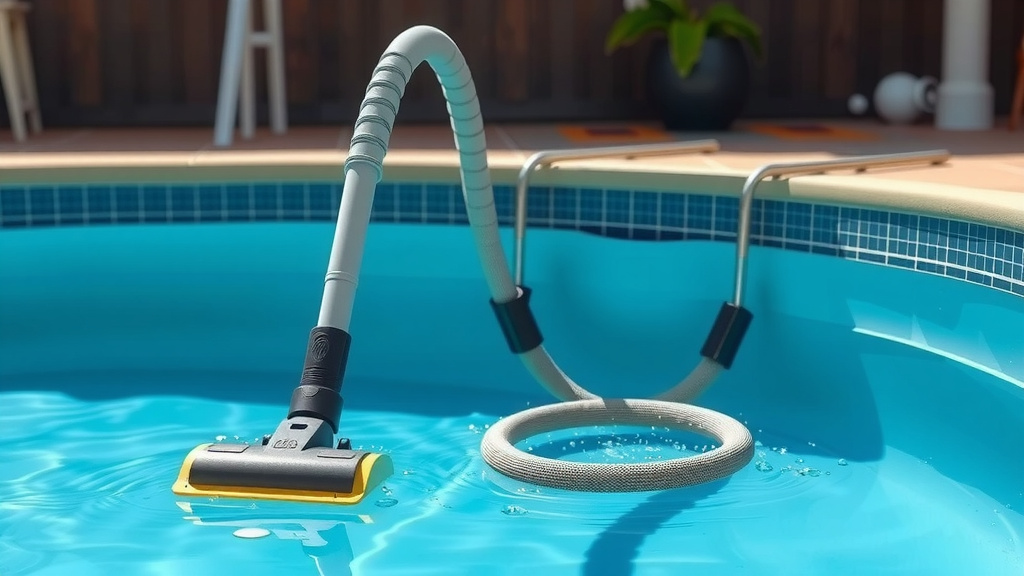
Attaching a vacuum to your pool is a straightforward process that can keep your water sparkling. You’ll typically need a vacuum head, a telescoping pole, and a hose. Connect the vacuum head to the pole, then attach the hose to the vacuum head and your skimmer. This setup allows your pool’s filter system to suck up debris.
This simple method is a highly effective way to maintain your pool’s cleanliness. It works by harnessing the power of your existing pool pump. Regular vacuuming prevents dirt and leaves from sinking to the bottom and becoming a nuisance. You’ll notice a big difference quickly!
- Connect the vacuum head to the pole.
- Attach one end of the hose to the vacuum head.
- Submerge the vacuum head and pole in the pool.
- Place the other end of the hose into the skimmer opening.
- Turn on your pool pump to begin vacuuming.
Let’s walk through exactly how this works step by step so you can get your pool looking its best with minimal fuss.
Connecting Your Pool Vacuum: A Step-by-Step Guide
Getting your pool vacuum hooked up and ready to tackle debris is easier than you might think. You’ll want to have your telescoping pole, vacuum head, and vacuum hose ready. This setup works by using your pool’s own circulation system to suck up dirt and leaves. It’s a smart way to keep your water crystal clear!
Gathering Your Pool Vacuuming Essentials
Before you jump in, let’s make sure you have everything you need. Think of this like packing for a beach trip, but for pool cleaning. You’ll need a few key pieces of equipment.
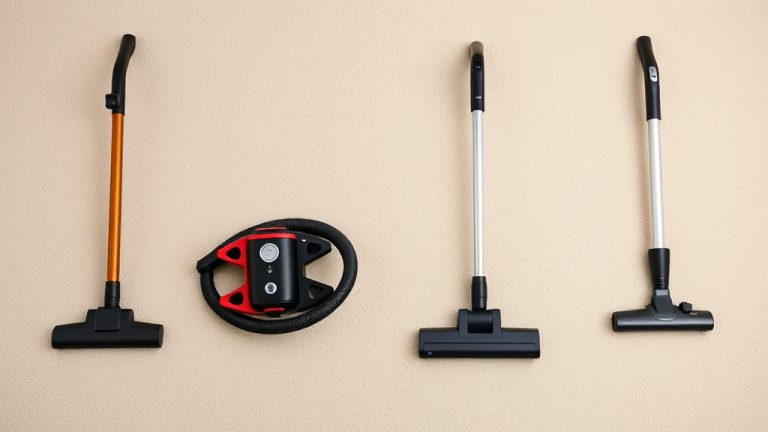
The Telescoping Pole
This is your vacuum’s handle. It’s usually made of aluminum and can extend to reach across your entire pool. Make sure it’s the right length for your pool size. Some poles have locking mechanisms to keep them at your desired length. You’ll want a secure fit so it doesn’t slip while you’re working.
The Vacuum Head
This is the part that actually touches the bottom of your pool. Vacuum heads come in a few styles. Some are simple, solid plates. Others have brushes to help loosen dirt. Many have wheels to glide smoothly over your pool’s surface. Some vacuum heads are weighted to help them stay submerged.
The Vacuum Hose
This is the flexible hose that carries the debris from your vacuum head to your skimmer. It’s often a long, black, flexible hose that looks a bit like a flexible dryer vent. It’s made of durable plastic sections that connect together. Make sure you have enough length to comfortably reach from the deepest part of your pool to your skimmer. A hose that’s too short will make cleaning a real challenge.
Assembling the Vacuum Head and Pole
The first step in connecting your vacuum is to attach the vacuum head to the telescoping pole. This is usually pretty straightforward. Most poles have a clamp or a locking mechanism at one end. The vacuum head will have a corresponding opening or slot.
Securing the Connection
Simply slide the pole into the designated area on the vacuum head. Then, engage the locking mechanism on the pole. This might be a twist lock or a spring-loaded button. You want to ensure a snug and secure fit. A loose connection can lead to the vacuum head detaching during use, which is never fun.
Attaching the Vacuum Hose
Now it’s time to connect the hose. You’ll connect one end to the vacuum head. The other end will go into your pool’s skimmer. This part is critical for the whole system to work.
Connecting to the Vacuum Head
Look for a port or fitting on the vacuum head itself. This is where the hose attaches. Most hoses have a nozzle or connector on one end. Simply push this connector firmly into the port on the vacuum head. You might hear a slight click or feel it seat securely. This connection needs to be airtight to ensure proper suction. If you notice leaks here later, it could be a sign this connection isn’t tight enough.
Preparing the Hose for Submersion
Before you put the vacuum in the water, you need to get the air out of the hose. This is a really important step that many people overlook. If you don’t remove the air, your pool pump might suck air instead of water, which can cause it to lose prime. We’ve all been there, right?
To remove the air, lay the hose out on the deck or ground. Connect the hose to the vacuum head. Then, take the other end of the hose and walk it into the pool. Let the water fill the hose completely as you walk. It’s like filling a water balloon from the bottom up.
Submerging the Vacuum and Connecting to the Skimmer
With the hose filled with water, you’re ready to get the vacuum into the pool. This is where the magic starts to happen!
Getting the Vacuum Head Wet
Carefully place the vacuum head and pole into the pool water. Make sure the entire vacuum head is submerged. The pole should extend from the water’s surface. You’ve already filled the hose, so it should now have a good weight to it and be ready to work.
Connecting the Hose to the Skimmer
Now, take the free end of the vacuum hose. You’ll see your pool’s skimmer, which is the opening near the water’s surface where debris collects. Inside the skimmer, there’s usually a basket. You’ll remove this basket. Then, insert the end of the vacuum hose directly into the skimmer opening. Some skimmers have a specific fitting for a vacuum hose. Others just require you to place the hose directly into the hole.
For a better seal, you can often place the skimmer basket back over the hose. This helps hold the hose in place and prevent it from popping out. This connection is crucial for directing the flow of water and debris to your pool’s filter system.
Starting Your Pool Pump for Vacuuming
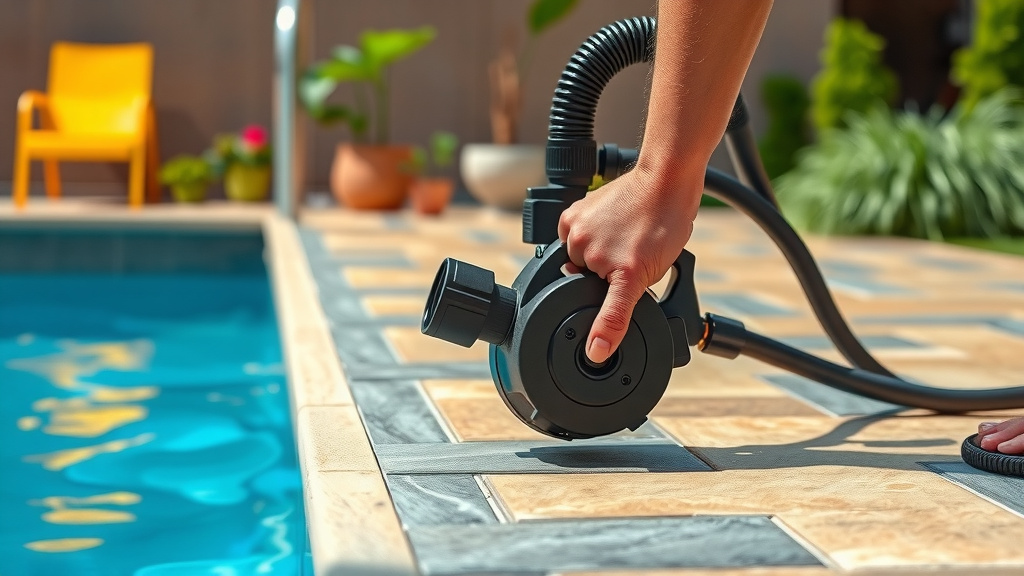
You’ve assembled everything. Now it’s time to power up the system! This is where your pool pump does its work.
Ensuring Proper Water Flow
Once the hose is securely in the skimmer, go to your pool pump. Make sure the pump is turned off before you connect the hose to the skimmer. After the hose is connected and submerged, turn on your pool pump. You should feel and hear the suction. Water should be flowing from the pool, through the hose, and into the skimmer. This indicates your pump has primed correctly and is pulling water through the vacuum head.
Troubleshooting Suction Issues
If you don’t feel strong suction, don’t worry! It’s common to run into minor hiccups. Double-check that the vacuum head is fully submerged. Ensure the hose is completely filled with water and has no kinks. Also, confirm that the hose is securely attached to both the vacuum head and the skimmer. Sometimes, air can still get into the system if the skimmer basket isn’t seated properly over the hose.
We found that many suction problems stem from air leaks. One common culprit is a loose connection at the vacuum head or where the hose enters the skimmer (Pool and Hot Tub Alliance).
Checking Your Work: A Quick Checklist
Let’s do a final check to make sure you’re all set for a sparkling clean pool:
- Vacuum head securely attached to the pole.
- Hose firmly connected to the vacuum head.
- Hose is fully submerged and filled with water.
- Vacuum head is underwater.
- Hose end is seated properly in the skimmer.
- Pool pump is running and drawing water.
Understanding How Your Pool Vacuum Works
It’s helpful to understand the science behind this. Your pool pump creates suction. This suction pulls water from the pool through the skimmer. When your vacuum is attached to the skimmer, the pump pulls water through the vacuum head. As the water is pulled through the vacuum head, it carries any debris with it. This debris then travels through the hose to the skimmer basket. The larger debris gets trapped in the skimmer basket. The water then continues its journey through your pool’s filtration system. This system removes finer particles. It’s a continuous cleaning cycle as long as the pump is running.
Maintenance Tips for Your Vacuum Setup
Keeping your equipment in good shape means longer, easier cleaning sessions. After each use, it’s a good idea to disconnect the hose from the skimmer. Pull the vacuum head and pole out of the water. Rinse both the vacuum head and the hose with fresh water. This helps remove any pool chemicals or debris that could damage the materials over time. Store them in a dry place, out of direct sunlight, to prevent premature wear.
Regular Skimmer Basket Checks
Don’t forget about that skimmer basket! It’s doing a lot of the heavy lifting by catching debris. Make sure to empty it regularly. A full skimmer basket can restrict water flow. This reduces the efficiency of your vacuuming and can even strain your pool pump. We found that checking the skimmer basket after each vacuuming session is ideal (Pool and Hot Tub Alliance).
Hose Care
Inspect your vacuum hose periodically. Look for any small holes or cracks. Even a tiny leak can significantly reduce suction power. If you find damage, it might be time to replace that section of hose or the entire hose.
Conclusion
You’ve now learned the essential steps to connect your pool vacuum, transforming your cleaning routine. By properly assembling your vacuum head, pole, and hose, and correctly connecting it to your skimmer, you’re ready to tackle debris effectively. Remember to prime the hose to avoid pump issues and always check your connections. A clean pool is within reach! Start vacuuming today and enjoy the clarity of your sparkling water.
Frequently Asked Questions
How do I know if my pool pump is primed after connecting the vacuum?
You’ll know your pump is primed when you feel a strong, steady suction at the vacuum head and see water being pulled through the hose. You should also hear the pump running smoothly without the sputtering sound that indicates it’s trying to suck air.
What should I do if my vacuum head isn’t staying submerged?
If your vacuum head floats, it might be too light or you may not have enough water in the hose. Ensure the hose is fully filled with water before submerging. Some vacuum heads are designed with weights to help them stay down.
Can I leave the vacuum connected to my pool overnight?
It’s generally not recommended to leave your pool vacuum connected and running overnight. Leaving it unattended could lead to equipment issues or the vacuum moving away from the debris you intend to clean.
My pool has a large debris capacity. Do I still need to use a vacuum?
Yes, you do! While your pool’s skimmer basket catches surface debris, a vacuum attaches to the skimmer to pull dirt and leaves from the bottom and sides. This prevents sediment buildup that the skimmer can’t reach.
Is it okay to use my vacuum if the hose has a small kink in it?
A small kink can significantly reduce suction power. We found that even minor kinks can disrupt water flow, making your vacuuming less effective and potentially straining your pump. It’s best to straighten the hose or remove the kink before vacuuming.