
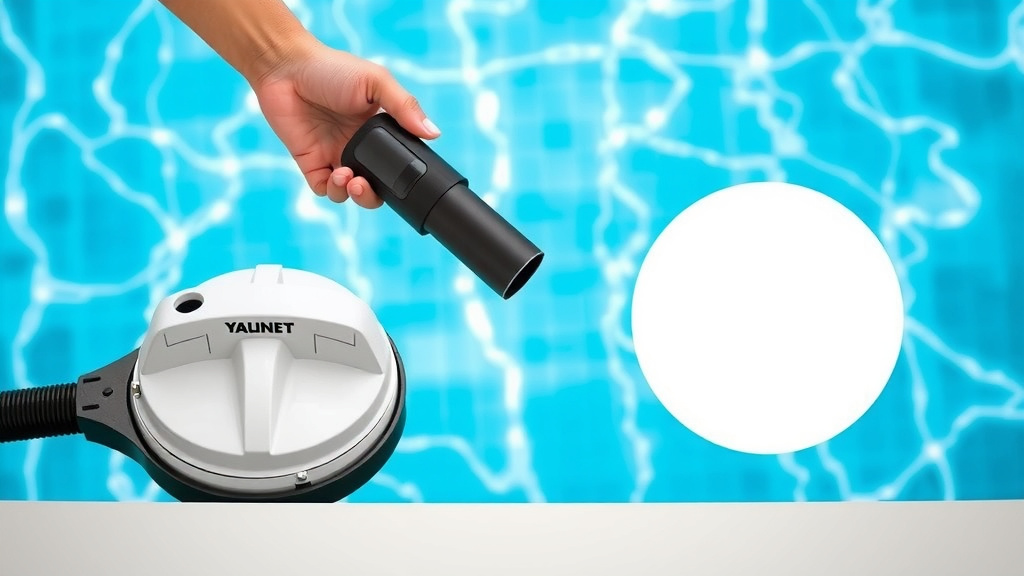
How to Attach Vacuum to Skimmer for Easy Pool Cleaning
Yes, you can easily attach a vacuum to your pool skimmer to help keep your pool clean. It’s a straightforward process that can make pool maintenance much simpler. Properly attaching your pool vacuum to the skimmer saves you time and effort. This method ensures your skimmer effectively works with your vacuum.
This technique is a common way to manually clean your pool floor. Many pool owners use this setup for regular upkeep. It’s a practical solution for debris removal. You’ll find it’s a reliable way to maintain a sparkling pool. It’s a key part of basic pool care.
- Connect your vacuum hose to the skimmer.
- Ensure a secure and airtight seal.
- Turn on your pool pump.
- Let the skimmer’s suction power draw debris.
- Check for proper water flow.
Ready to get your pool sparkling? Let’s walk through exactly how to attach your vacuum to the skimmer, step by step.
You’ve got your pool vacuum, and you’ve got your skimmer. Now, how do you make them work together to suck up all that pesky debris from your pool floor? It’s simpler than you might think! Attaching your vacuum to the skimmer is a popular method for a reason: it’s effective and uses the power of your existing pool pump. You’re essentially creating a temporary vacuum line right where you need it. This guide will walk you through precisely how to get this done so you can enjoy a cleaner pool with less hassle.
Connecting Your Pool Vacuum to the Skimmer
Attaching your pool vacuum to the skimmer is a straightforward process. It involves connecting your vacuum hose to the skimmer’s opening. This allows the suction from your pool’s pump to pull water through the vacuum head and hose. That same suction will then pull debris into your skimmer basket. It’s a smart way to harness your pool’s filtration system for direct cleaning. You’ll want to make sure you have the right tools and a few minutes to get it set up correctly. Let’s break down what you need and how to do it.
What You’ll Need
Before you start, gather your supplies. Having everything ready will make the process much smoother. You don’t want to be searching for parts halfway through. You’ll need your pool vacuum head, your flexible vacuum hose, and potentially a vacuum plate or skimmer adapter. Some skimmers have a built-in attachment point, while others require an adapter. Check your skimmer basket too; it needs to be in place to catch debris.
The Vacuum Hose
Your vacuum hose is the lifeline. It’s usually a flexible, segmented hose. You’ll need enough length to reach the deepest part of your pool from the skimmer. A hose that’s too short will limit your cleaning area. Make sure the end of the hose you’ll connect to the skimmer is clean and free of any obstructions. You want a clear path for water flow.
Skimmer Adapters and Plates
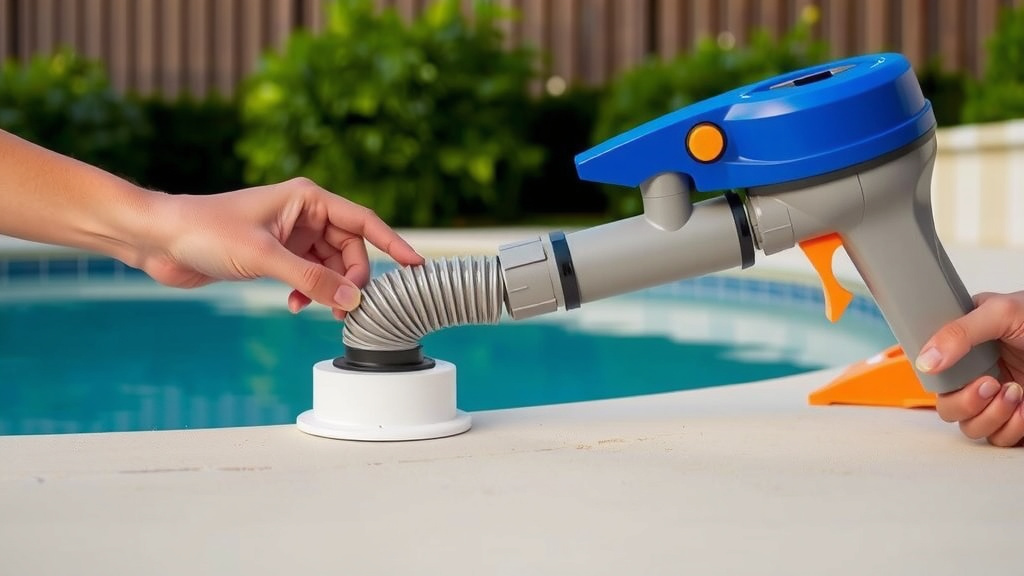
Not all skimmers are created equal. Some have a dedicated threaded port at the bottom of the skimmer basket area. This is ideal for directly attaching a vacuum adapter. Others might require a vacuum plate. This plate is a round disc that fits inside your skimmer basket opening. It has a hole in the center where your vacuum hose attaches. This plate ensures a good seal and directs suction to the hose. Researching your specific skimmer model can save you time. Many pool supply stores carry universal adapters that fit most standard skimmers.
Step-by-Step Attachment Process
Now for the hands-on part. Follow these steps carefully for a secure connection. A good seal is key to effective suction. If there are leaks, your vacuum won’t work as well. You might even end up with air in your system, which can cause problems for your pump.
1. Prepare Your Skimmer
First, open your skimmer lid. Remove the skimmer basket. This is where the debris will be collected. Give the skimmer basket a quick clean if it’s full. You want it to be able to catch as much as possible. Some people find it helpful to place a slightly heavier object in the bottom of the skimmer basket, like a smooth rock, to keep it from floating up. This is especially useful if you have a lot of debris.
2. Assemble Your Vacuum Hose
If your vacuum hose comes in sections, connect them all securely. Make sure each section locks into place. You want a continuous, sealed hose from the vacuum head to where it will connect to the skimmer. Check for any cracks or damage along the hose length. A damaged hose will leak air and reduce suction power. You can often find replacement hose sections if needed.
3. Connect the Hose to the Skimmer
This is where your adapter or plate comes in. If you have a dedicated port, screw your vacuum plate or adapter directly onto it. Ensure it’s snug but not overtightened. If you’re using a vacuum plate that sits inside the skimmer basket opening, place the plate first. Then, attach your vacuum hose to the fitting on the plate. The goal is to create an airtight seal. You don’t want air getting sucked into the system here.
4. Place the Skimmer Basket Back
Gently place the skimmer basket back into the skimmer. If you used a vacuum plate, it will sit inside or over the skimmer basket. Make sure the hose fitting on the plate is accessible and securely connected to your hose. The basket’s job is to catch the big stuff, so it needs to be in place. If your adapter screws directly into the skimmer body, you might be able to leave the basket out or place it around the adapter.
5. Submerge the Vacuum Head
Take your vacuum head and attach the other end of the hose to it. Then, carefully lower the vacuum head into the pool. It’s best to do this at the shallow end. Let the vacuum head and hose fill with water. This helps push out any air that might still be in the hose. You’ll see bubbles coming out of the vacuum head as it fills. You want to remove as much air as possible before turning on the pump.
Ensuring Proper Suction and Water Flow
Once everything is connected, it’s time to turn on your pool pump. This is the moment of truth! You need to verify that the suction is working effectively and that water is flowing correctly. This ensures your vacuum is actually pulling water and debris, and that your pump isn’t straining.
Turning on the Pool Pump
Switch on your pool pump. You should hear the pump engaging. Listen for any unusual noises that might indicate an airlock. Immediately check the skimmer. You should see water being drawn into the skimmer opening, around the vacuum plate or adapter. The water level in the skimmer might drop slightly as the suction increases. This is a good sign.
Checking for Suction at the Vacuum Head
Go back to your vacuum head in the pool. You should feel a strong pull of water towards the vacuum head. Try to gently move the vacuum head across the pool floor. It should be somewhat difficult to move, indicating good suction. If it feels too light or is easily pushed around, you may have a leak in the hose or an incomplete seal at the skimmer. You might need to turn off the pump and check all connections again.
Monitoring Water Flow and Filter Pressure
Keep an eye on your pool’s filter pressure gauge. Attaching a vacuum can sometimes increase the pressure. If the pressure rises significantly, it might mean your skimmer basket is already filling up or your main filter needs cleaning. You want a steady flow of water being pulled through the system. If the flow seems weak, check that the skimmer basket and your main pool filter are clean. A clogged filter will severely reduce suction. Many pool professionals recommend checking your filter pressure before and after vacuuming (PoolResearch.com).
Troubleshooting Common Issues
It’s rare that everything goes perfectly the first time, but don’t worry. Here are a few common hiccups and how to fix them.
Weak Suction
This is the most frequent problem. First, re-check all your hose connections for tightness. Look for any kinks or damage in the vacuum hose. Make sure your skimmer basket isn’t clogged. Also, confirm that your pool pump’s prime is holding. An air leak anywhere in the plumbing can cause weak suction. Sometimes, just reseating the vacuum plate or adapter can create a better seal. If you’re still struggling, ensure your main pool filter isn’t overdue for a cleaning or backwash.
Vacuum Not Moving
If the vacuum head feels completely stuck or isn’t moving, you likely have a blockage. This could be in the hose, the skimmer basket, or the skimmer opening itself. Turn off the pump. Disconnect the hose and check for obstructions. Sometimes, larger debris can get lodged at the skimmer opening or the vacuum plate. Clearing this should restore movement. Remember to keep the skimmer basket clean during operation to prevent this.
Air Bubbles in the Skimmer or Pump
Seeing a lot of air bubbles at the skimmer or returning to the pool can mean there’s an air leak. This is often at the skimmer connection point. You might need to reseal the vacuum plate or adapter. Ensure the hose is fully submerged and filled with water before starting the pump. If the air persists, double-check all hose connections and look for any damage to the hose itself. A proper prime is essential for the pump (Pentair.com).
Quick Checklist for Success
Here’s a quick recap to ensure you’ve got it right:
- Skimmer basket removed and clean.
- Vacuum hose fully assembled and undamaged.
- Adapter or plate securely attached to skimmer.
- Hose firmly connected to adapter/plate.
- Vacuum head submerged and filled with water.
- Pool pump running and suction visible.
Conclusion
You’ve successfully learned how to connect your pool vacuum to the skimmer. This method is a fantastic way to keep your pool sparkling clean. Remember to ensure a secure, airtight seal for optimal suction. Always check your water flow and filter pressure after setup. With this skill, you can confidently maintain your pool’s cleanliness. Now, go enjoy that crystal-clear water!
Frequently Asked Questions
How long does the vacuum hose need to be?
Your vacuum hose needs to be long enough to reach the deepest part of your pool from the skimmer. A general rule is to have at least 20-25 feet of hose, but measure your pool to be sure. A hose that’s too short will limit your cleaning area significantly.
What if my skimmer doesn’t have a threaded port?
If your skimmer lacks a direct threaded port, you’ll likely need a vacuum plate or skimmer adapter. These plates fit inside the skimmer basket opening and have a central hole for your vacuum hose. They create the necessary seal to direct suction to your hose.
How do I know if the suction is strong enough?
You’ll know the suction is strong enough when the vacuum head is difficult to move across the pool floor. You should feel a noticeable pull of water towards the vacuum head. If it’s too easy to push around, check for air leaks or blockages.
Can I leave the skimmer basket in while vacuuming?
It’s best to remove the skimmer basket before attaching the vacuum hose, especially if you’re using a vacuum plate. The basket is meant to catch debris. If you use a vacuum plate, it will sit inside or over where the basket would be. This ensures debris is pulled into the plate’s opening and then into the basket.
What should I do if I see a lot of air bubbles?
A lot of air bubbles usually indicate an air leak somewhere in the system. The most common place is the connection at the skimmer. Double-check that your vacuum plate or adapter is sealed tightly. Also, ensure your vacuum hose is fully submerged and filled with water before turning on the pump.
![7 Best Dog Hair Vacuum For Hard Floors [2026]](https://bathroomexplorer.com/wp-content/uploads/2026/05/7-best-dog-hair-vacuum-for-hard-floors-2026-featured-768x432.jpg)
![7 Best Handheld Vacuum For Dorm Rooms [2026]](https://bathroomexplorer.com/wp-content/uploads/2026/05/7-best-handheld-vacuum-for-dorm-rooms-2026-featured-768x432.jpg)
![7 Best Lightweight Vacuums For Hardwood Floors [2026]](https://bathroomexplorer.com/wp-content/uploads/2026/06/7-best-lightweight-vacuums-for-hardwood-floors-2026-featured-768x432.jpg)