Choosing a Washing Machine: Your Ultimate Guide
Choosing a washing machine involves considering capacity, type, and energy efficiency. Front-load machines are generally more water and energy efficient. Top-load machines often have a lower purchase price and faster wash cycles. Think about your household size and laundry habits to make the best choice for your home.
Your new washer should fit your lifestyle and budget. We’ve researched washing machine models and gathered expert advice. Understanding features like different wash cycles and noise levels will help you find a machine that lasts for years. Your satisfaction is our priority in this process.
- Capacity matters for your family size.
- Front-load vs. top-load has pros and cons.
- Energy efficiency saves money long-term.
- Special features can add convenience.
- Budget plays a key role.
Let’s walk through exactly how to pick the right washing machine for your needs. We’ll cover all the important factors to consider before you buy.
So, you’re ready to find a new washing machine. That’s great! It feels like a big decision, right? You want one that works well, doesn’t cost a fortune to run, and handles your family’s laundry without a fuss. We’ve dug into what makes a washing machine a winner. Let’s break down how you can pick the perfect one for your home.
Finding the Right Washing Machine for Your Home
Choosing a washing machine involves considering a few key factors. Think of it like finding the perfect pair of shoes. You need the right fit, the right style, and the right features for your daily activities.
Capacity: How Much Laundry Do You Actually Do?
This is probably the **most important starting point**. How many people are in your household? Do you have tiny tots whose clothes pile up quickly? Or perhaps you’re a single person with lighter laundry needs? We found that most manufacturers define capacity in cubic feet. This tells you how much space is inside the drum.
Understanding Cubic Feet
A smaller household of one or two might be perfectly happy with a machine around 2.0 to 3.5 cubic feet. This is often considered a standard capacity. For families of three to four people, a medium capacity machine, typically between 3.5 to 4.5 cubic feet, is usually a good fit. And if you have a larger family or just do a lot of laundry, you might want to look at machines with 4.5 cubic feet or more. This allows you to wash bigger loads, like bulky blankets or a week’s worth of clothes, all at once.
Don’t Forget About Item Size
Keep in mind that while cubic feet is the standard, the actual size of items you wash matters. If you frequently wash king-size comforters or sleeping bags, you’ll need a larger drum. We’ve seen that some machines are specifically designed for bulky items. Always check the internal dimensions if you can, or at least consider the maximum load size the manufacturer suggests.
Type of Washing Machine: Top-Load vs. Front-Load
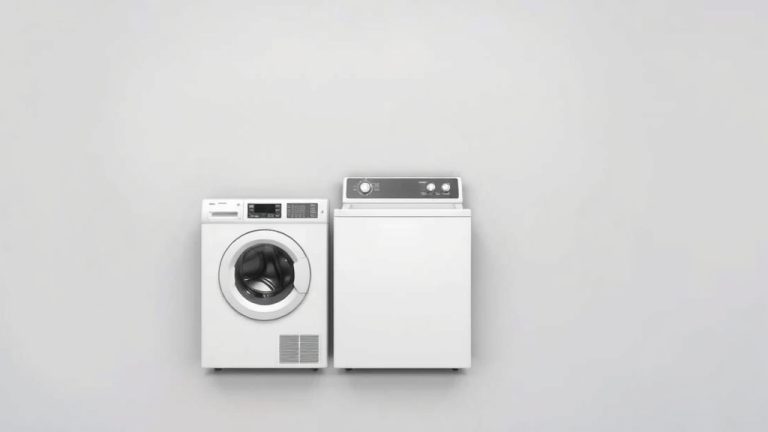
This is a classic debate! Both types have their own set of advantages. What works best for your neighbor might not be the ideal choice for you. We’ve looked at the pros and cons of each to help you decide.
Top-Load Washers: The Traditional Choice
These are the machines you likely grew up with. They typically have a lid on top that opens. You load your clothes in vertically.
- Agitator Models: These have a central post (the agitator) that twists and turns clothes. They tend to be less expensive upfront and often have faster wash cycles. However, they can be harsher on fabrics.
- Impeller Models: These use a low-profile cone or disc at the bottom of the tub. They use less water and are gentler on clothes than agitator models. We found they often offer more capacity.
Top-loaders are generally easier to load and unload, as you don’t have to bend over as much. Plus, you can usually add forgotten items mid-cycle. Many people prefer the quicker wash times associated with top-loaders.
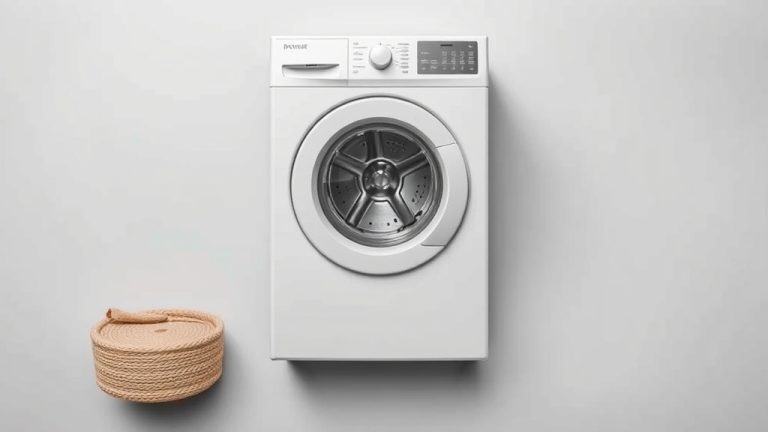
Front-Load Washers: The Modern Marvel
These machines have a door on the front, and you load clothes horizontally. They use an impeller or paddles inside the drum to tumble clothes through the water.
Front-loaders are known for being incredibly **water and energy efficient**. They use significantly less water per load than most top-loaders. This means lower utility bills over time. We’ve also found they tend to be gentler on your clothes, reducing wear and tear. Because they spin at higher speeds, clothes come out drier, cutting down on dryer time.
The downside? Front-loaders can be more expensive to purchase. They also typically have longer wash cycles. Some people find the bending required to load and unload uncomfortable. Plus, you generally can’t add clothes once the cycle has started without stopping the machine.
Energy and Water Efficiency: Saving Your Wallet and the Planet
Who doesn’t want to save money on utility bills? The good news is that modern washing machines are much more efficient than older models. Your choice here can have a big impact over the life of the appliance.
Look for the ENERGY STAR® label. This is a government-backed certification that means the appliance meets strict energy efficiency guidelines set by the U.S. Environmental Protection Agency. ENERGY STAR certified washers use less energy and water than standard models. According to ENERGY STAR, you can save an average of 50 gallons of water per load with an efficient machine.
Front-load washers generally lead the pack in efficiency. They use less water because the drum only needs to fill partway to get clothes wet and tumbling. High-efficiency (HE) top-load washers are also available and are a good step up from older, non-HE models. When comparing models, check the estimated yearly cost to run them, which is often listed on the yellow EnergyGuide label.
Wash Cycles and Features: What Do You Really Need?
Washing machines today come with a dizzying array of cycles and features. It’s easy to get overwhelmed! Let’s focus on the ones that actually make a difference for most people.
Basic cycles like Normal, Delicates, and Heavy Duty are pretty standard and cover most of your needs. Beyond that, think about your lifestyle.
- Quick Wash: Perfect for lightly soiled items you need in a hurry.
- Sanitize Cycle: Uses very hot water to kill germs. This is great for baby clothes or bedding. Many health experts recommend this for certain items (Cleveland Clinic).
- Steam Cycle: Can help remove stains and allergens, and reduce wrinkles.
- Allergen Cycle: Similar to sanitize, it uses hot water to remove common allergens like dust mites and pet dander.
Other features to consider include:
- Smart Features: Wi-Fi connectivity lets you start, stop, and monitor cycles from your smartphone. You might get notifications when a load is done.
- Automatic Dispensing: Some machines have reservoirs for detergent and fabric softener that dispense automatically. This can ensure you use the right amount for each load.
- Noise Level: If your laundry room is near a living area, look for machines that advertise quiet operation or vibration reduction technology.
We found that while fancy features sound nice, focus on the cycles and functions you know you’ll use. A machine with too many complicated settings might just gather dust.
Your Budget: How Much Are You Willing to Spend?
Washing machines can range from a few hundred dollars to well over $1,500. Setting a budget upfront is essential. Remember to factor in the long-term costs, too. An inexpensive machine might cost you more over time in water and electricity bills if it’s not energy-efficient.
Consider the total cost of ownership. A more expensive, energy-efficient front-load washer could save you money in the long run compared to a cheaper top-load model. We recommend looking at models within your price range that offer the features and capacity you need. Don’t forget to check for sales and consider older models that might still offer great performance at a lower price point.
To help you remember the key steps, here’s a quick checklist:
- Determine the right capacity for your household size.
- Decide between a top-load or front-load machine.
- Prioritize energy and water efficiency, especially looking for the ENERGY STAR® label.
- Identify essential wash cycles and features you’ll actually use.
- Set a realistic budget, considering both purchase price and running costs.
- Read reviews for reliability and user satisfaction.
Conclusion
You’ve learned the key steps to finding your perfect washing machine. Remember to consider capacity for your household and the pros and cons of top-load vs. front-load models. Prioritizing energy efficiency, like looking for the ENERGY STAR® label, will save you money. Think about the wash cycles and features you’ll actually use, and set a realistic budget. With this guide, you’re ready to confidently choose a washer that fits your life and laundry needs for years to come. Your next step is to visit a store or browse online, keeping these points in mind!
Frequently Asked Questions
How often should I replace my washing machine?
Washing machines typically last between 10 to 15 years. If your current machine is over a decade old, or if you’re noticing frequent repairs or reduced performance, it might be time to start looking for a replacement. Consider the long-term cost savings of a new, energy-efficient model.
Are front-load washers really worth the extra cost?
For many people, yes. We found that front-load washers are generally more water and energy-efficient, leading to lower utility bills over their lifespan. They also tend to be gentler on clothes and clean them more effectively. While the initial purchase price is often higher, the long-term savings and performance can make them a worthwhile investment.
Can I add clothes to a front-load washer after the cycle starts?
Most front-load washing machines do not allow you to add clothes once the cycle has begun, as the door is locked for water containment and safety. Some newer models may have a small window or a pause-and-add feature, but this is not universal. It’s best to gather all your laundry before starting the machine.
What does “High Efficiency” (HE) mean for a washing machine?
High Efficiency (HE) washing machines use less water and energy than traditional machines. This is achieved through different wash mechanisms and water levels. HE washers, both top-load and front-load, are designed to clean clothes effectively with reduced resource consumption. Always use HE detergent with HE machines.
Are smart features on washing machines necessary?
Smart features, like Wi-Fi connectivity, are not essential for a washing machine’s core function, but they can add convenience. They allow you to control your washer remotely, receive notifications, and even download new cycles. Whether they are “necessary” depends on your personal preference and how you use technology in your home.