How to Pick the Best Washing Machine for Your Home
Picking the right washing machine involves understanding your laundry needs and budget. You’ll want to consider Our guide to washing machine cost can help you budget effectively.capacity, energy efficiency, and the types of cycles available to get your clothes perfectly clean. Don’t forget to check dimensions to ensure it fits your space!
We know shopping for appliances can feel overwhelming. Many experts recommend looking at both top-load and front-load models. Each has its own set of pros and cons for different lifestyles. Your choice will depend on how much laundry you do and what features matter most to you.
- Consider your laundry volume.
- Compare top-load versus front-load machines.
- Check for energy efficiency ratings.
- Measure your laundry space carefully.
- Think about special cycle needs.
Let’s walk through exactly what you should look for to find the perfect washing machine for your home.
Choosing the Right Washing Machine for Your Home
Picking a washing machine can feel like a big decision. You want something that cleans your clothes well. It should also fit your budget and your lifestyle. Let’s break down what truly matters when you’re on the hunt.
Understanding Washing Machine Types
Top-Load Washers: The Familiar Choice
Top-load machines are what many of us grew up with. They have the door on the top. This makes them easy to load and unload. You don’t have to bend down as much. This is a big plus for many people.
There are two main types of top-loaders. Some have an agitator. This is a central post that twists clothes. It’s very effective at cleaning. However, it can be rougher on fabrics. Other top-loaders are “impeller” style. They use a low-profile disc instead of an agitator. These are gentler on clothes and can often fit more laundry.
Front-Load Washers: The Efficiency Champion
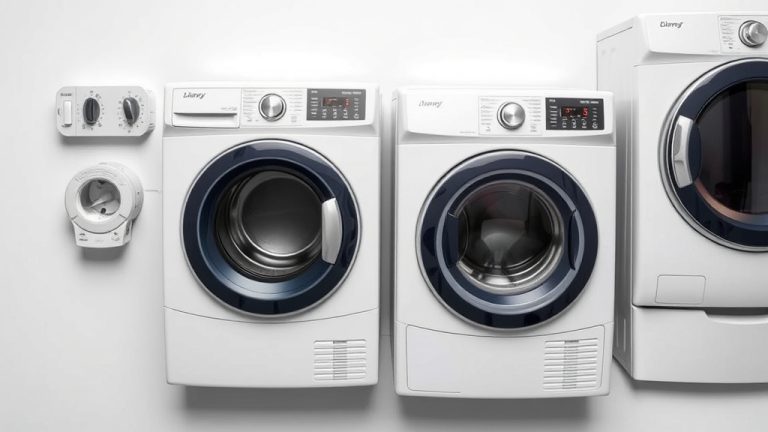
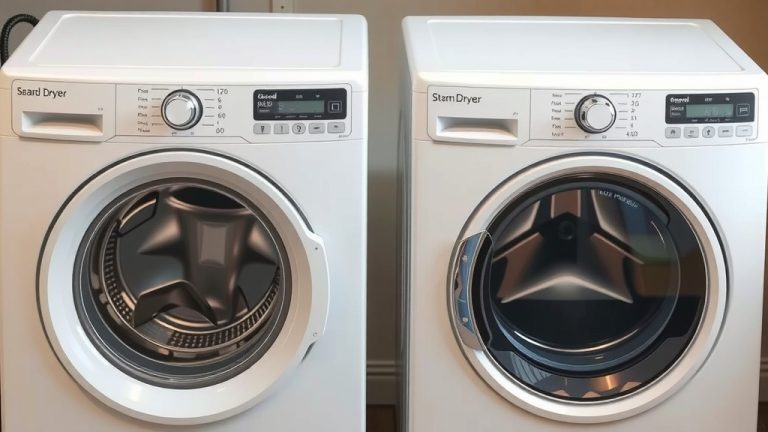
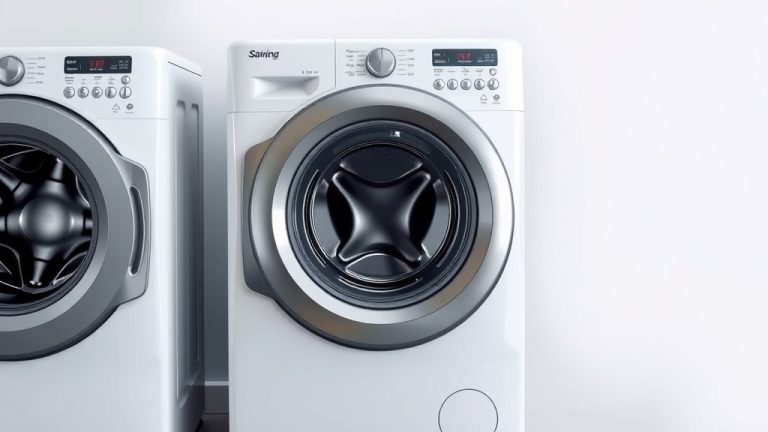
Front-load washers have the door on the front. You load them by opening this door. These machines use a tumbling action. Clothes fall from the top to the bottom. This motion is very effective at cleaning. It’s also gentler on your clothes.
Many experts agree that front-loaders are more energy efficient. They use less water than most top-loaders. This can save you money on your utility bills. They also tend to spin clothes drier. This means less time in the dryer. However, they can be more expensive upfront. You might also need to wipe down the door seal to prevent mold.
Capacity: How Much Laundry Do You Do?
Consider the size of your household. A single person might only need a small capacity machine. A large family will need a much larger one. Washing machine capacities are measured in cubic feet.
What Size is Right for You?
Small capacity machines are usually around 2.0 to 3.5 cubic feet. They’re good for one or two people. Medium capacity machines range from 3.5 to 4.5 cubic feet. They can handle families of three or four. Large capacity machines are 4.5 cubic feet and up. These are great for large families or for washing bulky items like comforters.
We found that many families often underestimate their laundry needs. It’s better to get a slightly larger machine. This way, you can wash bigger loads less often. This saves time and energy.
Energy Efficiency: Saving Money and the Planet
Look for the ENERGY STAR label. This means the machine meets strict energy efficiency guidelines. These appliances use less energy and water. This is good for your wallet and the environment.
The U.S. Environmental Protection Agency (EPA) sets these standards. ENERGY STAR certified washing machines use about 25% less energy. They also use 33% less water than regular washers (EPA).
Wash Cycles and Features: What Do You Really Need?
Washing machines come with many different cycles. Think about the types of clothes you wash most often. Do you have delicate items? Do you often need to sanitize clothes? Most machines offer standard cycles like normal, delicate, and heavy duty.
Specialty Cycles to Consider
Some washers offer specialized cycles. These can be very helpful. Examples include:
- Sanitize: Uses very hot water to kill germs. Great for baby clothes or allergy sufferers.
- Allergen: Removes common allergens like dust mites and pet dander.
- Steam: Helps to remove stains and wrinkles. It can also refresh clothes.
- Quick Wash: For lightly soiled items you need cleaned fast.
- Bulky Items: Designed for large items like blankets and sleeping bags.
Many people find that they use only a few cycles. Don’t pay extra for features you’ll never use. However, if you have specific needs, these cycles can be a lifesaver.
Smart Features and Technology
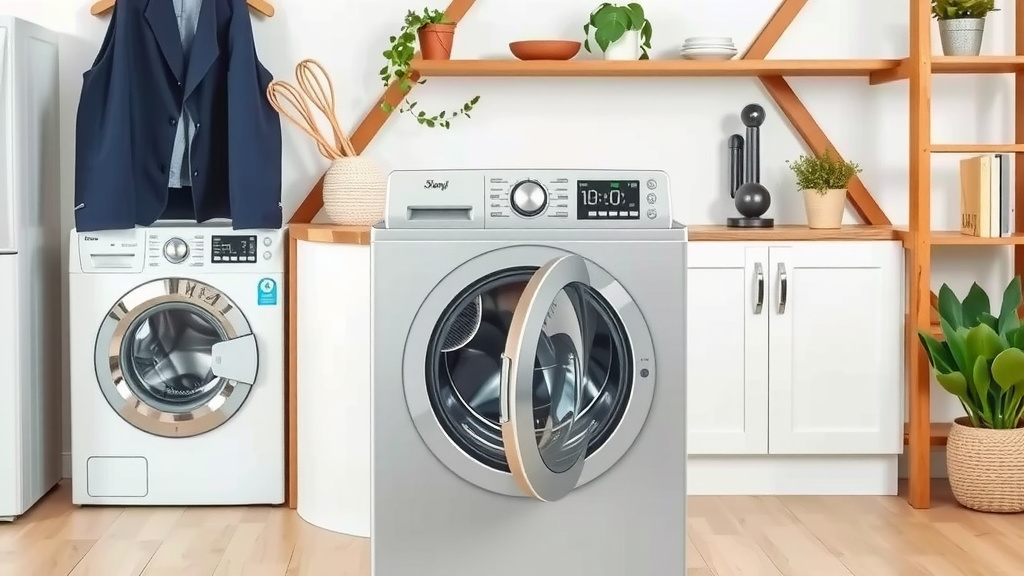
Some newer machines offer smart technology. You can connect them to your Wi-Fi. This allows you to control the washer from your phone. You might get notifications when a cycle is done. Some even let you download new cycles.
While these features are cool, ask yourself if they are worth the extra cost. For some, the convenience is a big deal. For others, it’s just added complexity. We found that the core cleaning performance is what matters most.
Dimensions and Installation: Will It Fit?
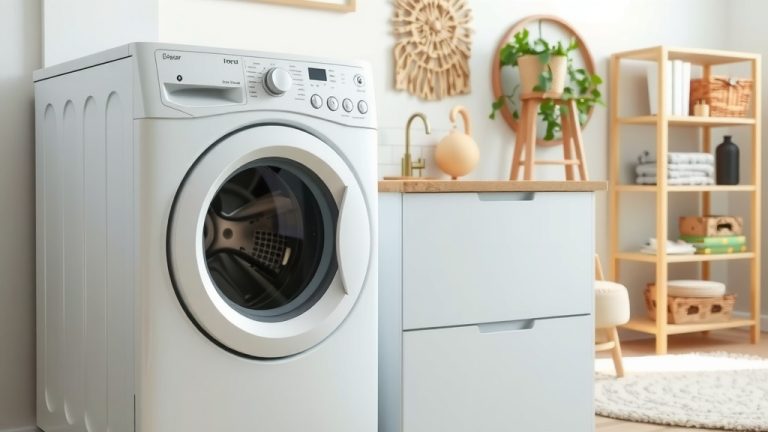
This step is incredibly important! Measure your laundry space before you buy. You need to know the width, depth, and height. Don’t forget to account for clearance. You need space for the doors to open. You also need room for hoses and cords in the back.
Measuring Your Space
Measure the opening where the washer will go. If it’s a closet, measure the door opening. If it’s a dedicated laundry room, measure the available floor space. Make sure there’s enough room for the washer to slide in. Also, check if the doors swing properly. Many front-loaders have doors that swing left or right. Ensure this works with your layout.
Budget: How Much Do You Want to Spend?
Washing machines range in price. You can find basic models for a few hundred dollars. High-end models with all the bells and whistles can cost over $1,500.
Think about your total budget. Include any potential delivery and installation fees. Consider the long-term costs too. More energy-efficient models might cost more upfront. But they save you money over time.
Making Your Final Decision: A Quick Checklist
Here’s a simple checklist to help you decide:
- Laundry Volume: How many people are in your home?
- Machine Type: Top-load or front-load?
- Capacity: Does the size fit your load needs?
- Energy Efficiency: Look for the ENERGY STAR label.
- Essential Cycles: Do you need special wash programs?
- Budget: What is your overall spending limit?
Conclusion
You’ve learned what truly matters when selecting a new washing machine. Focus on your household’s laundry volume and how much space you have. Comparing top-load and front-load options will guide your choice. Always look for ENERGY STAR certification to save on utility bills. Don’t get swayed by fancy features you won’t use. Prioritize the cycles you’ll actually need for your fabrics. Now, you’re ready to confidently choose a washer that meets your needs and budget. Your next step is to measure your laundry space carefully and start comparing models based on what you’ve learned.
Frequently Asked Questions
What’s the biggest difference between agitator and impeller top-load washers?
An agitator is a central post that twists clothes for a deep clean but can be rougher on fabrics. An impeller is a low-profile disc that uses friction to wash clothes, making it gentler and often allowing for larger loads.
Are front-load washers really worth the higher upfront cost?
Many experts agree that front-loaders are more energy and water-efficient, which can lead to significant savings on utility bills over time. They also tend to clean clothes more gently and spin them drier, reducing dryer time.
How much capacity do I actually need for my family?
It’s often better to size up slightly than to underestimate your needs. A small family of three or four might do well with a medium capacity (3.5-4.5 cu. ft.), while larger households or those washing bulky items frequently should consider a large capacity (4.5 cu. ft. and up).
Do I really need specialty wash cycles like “Sanitize” or “Allergen”?
These cycles can be very beneficial if you have specific needs. For example, a sanitize cycle is excellent for baby clothes or allergy sufferers, while an allergen cycle can help remove pet dander and dust mites.
How much space do I need to leave around the washing machine?
You’ll need enough space for the doors to open fully without obstruction. Also, remember to allow clearance for hoses, power cords, and ventilation at the back of the machine. Always check the manufacturer’s recommendations for installation.