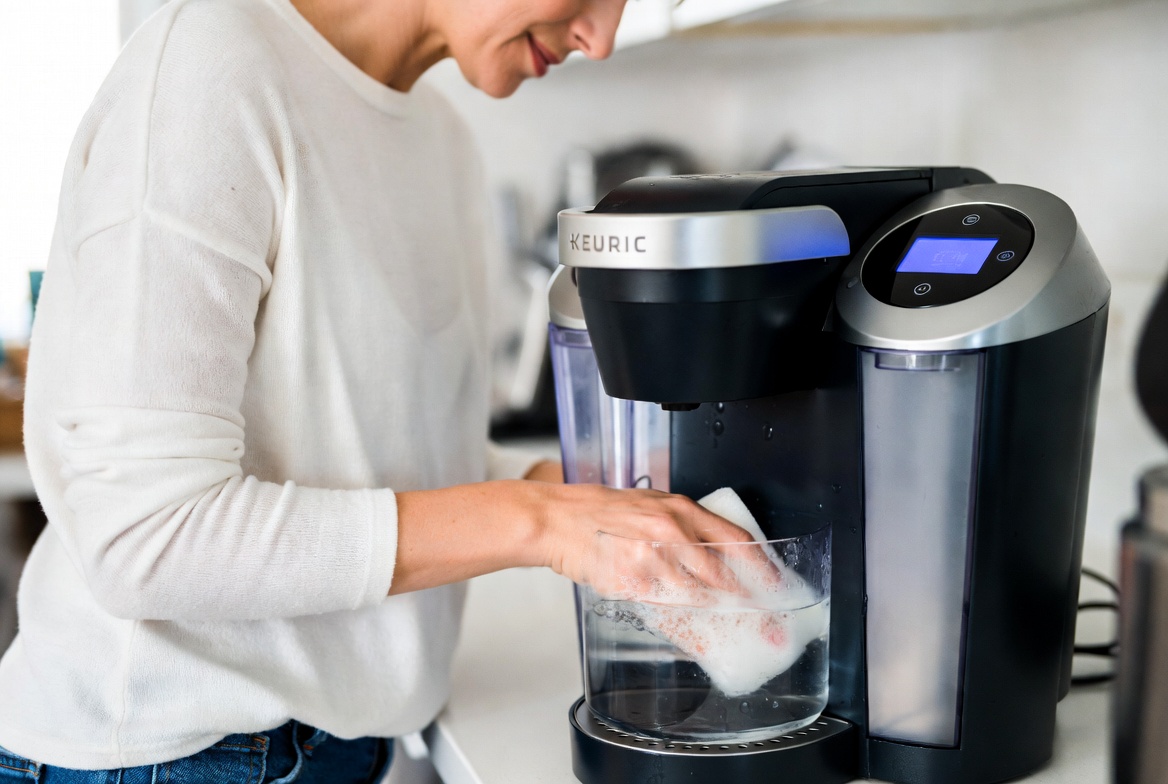
How to Clean the Water Tank on a Keurig: A Complete Step-by-Step Guide
If you’re anything like me, you probably rely on your Keurig coffee maker to jumpstart your mornings. There’s something magical about pressing a button and having a fresh cup of coffee ready in seconds. But here’s the thing—that convenience can lead us to overlook one of the most important maintenance tasks: cleaning the water tank. Over time, mineral deposits, bacteria, and algae can accumulate in your Keurig’s water tank, affecting both the taste of your coffee and the longevity of your machine. In this guide, I’m going to walk you through everything you need to know about keeping that water tank pristine.
Why Cleaning Your Keurig Water Tank Matters More Than You Think
You might be wondering, “Is it really that important?” The answer is absolutely yes. Your water tank is essentially the heart of your Keurig machine. It holds the water that eventually becomes your beverage, so if it’s dirty, well, you can imagine where this is going. When you don’t clean your water tank regularly, you’re essentially brewing coffee with water that’s been sitting in a potentially contaminated environment.
Think of your water tank like the foundation of a house. If you neglect it, everything built on top of it starts to crumble. The same principle applies here. Mineral buildup can clog internal components, reduce water flow, and make your machine work harder than it needs to. Plus, nobody wants a cup of coffee that tastes like minerals or, worse, has visible particles floating around in it.
The Health Factor You Can’t Ignore
Here’s something that really hit home for me when I learned about it: your water tank can become a breeding ground for mold and bacteria if left uncleaned. Keurigs stay warm constantly, which creates an ideal environment for microbial growth. A study by a major appliance testing organization found that water tanks that weren’t cleaned regularly contained significantly higher levels of bacteria than those that were maintained properly. That’s not just gross—it’s potentially harmful to your health.
Understanding What Actually Builds Up in Your Water Tank
Before diving into the cleaning process, let’s talk about what you’re actually dealing with. Your water tank accumulates several types of debris and deposits, and understanding them helps you clean more effectively.
Mineral Deposits and Limescale
If you live in an area with hard water, mineral buildup is your nemesis. Calcium and magnesium from tap water leave behind white, chalky deposits that accumulate on the tank’s interior surfaces. These deposits aren’t just unsightly—they can restrict water flow and reduce your machine’s efficiency. I noticed my Keurig started dispensing coffee more slowly after a few months, and it was entirely due to mineral buildup.
Algae and Mold Growth
This is where things get concerning. In warm, moist environments, algae and mold spores can flourish. You might notice a slightly greenish or brownish tint inside your tank, or perhaps a musty smell when you open the water reservoir. This happens because the warm water inside the machine creates perfect conditions for these organisms to thrive.
Bacteria Colonization
Even though you can’t see bacteria with the naked eye, they’re definitely there. Bacteria love warm water environments and can form biofilms on the interior surfaces of your tank. This is why regular cleaning is so crucial for maintaining a healthy coffee routine.
What You’ll Need Before Getting Started
Gathering the right supplies before you begin makes the entire process smoother and more efficient. Here’s what I keep on hand for my Keurig maintenance routine:
- White vinegar (the unsung hero of cleaning)
- Fresh, filtered water
- A soft-bristled brush or sponge
- A clean, lint-free cloth
- Optional: bottle brush for hard-to-reach areas
- Optional: commercial Keurig cleaning solution
Most of these items are probably already in your kitchen. White vinegar is especially important because it’s a natural descaling agent that breaks down mineral deposits without being harsh or toxic. It’s affordable, effective, and safe for all types of Keurig machines.
The Step-by-Step Process for Cleaning Your Water Tank
Now, let’s get into the actual cleaning. I’m going to break this down into manageable steps so you can follow along easily.
Step One: Unplug and Prepare Your Machine
Safety comes first. Unplug your Keurig from the electrical outlet and let it cool down completely if you’ve been using it. You don’t want to be working with hot machine components. Then, remove the water tank from the top of the machine. Most tanks simply lift out, but check your specific model’s manual if you’re unsure.
Step Two: Empty and Initial Rinse
Pour out any remaining water from the tank into the sink. Now, run it under warm tap water and give it a thorough rinse. This removes any loose particles and debris that might be floating around. Don’t skip this step—it makes the subsequent cleaning much more effective.
Step Three: The Vinegar Soak
Fill your water tank about halfway with white vinegar. If your tank is particularly dirty or you haven’t cleaned it in a while, you might use a solution that’s three parts vinegar to one part water. Let it sit for about thirty minutes. During this time, the acidity of the vinegar begins breaking down mineral deposits and killing bacteria and mold.
While the tank is soaking, this is a great time to clean the exterior of your Keurig with a damp cloth. Wipe down the outside, clean the K-cup holder area, and dust any crevices where debris accumulates.
Step Four: Scrub Those Tough Spots
After the vinegar has had time to work its magic, take your soft-bristled brush or sponge and scrub the interior walls of the tank. Pay special attention to the bottom corners where sediment likes to collect. If you’re dealing with stubborn deposits, a bottle brush really comes in handy. You’ll be surprised at how much comes loose once you start scrubbing.
Don’t be too aggressive, though. You want to remove buildup without scratching or damaging the interior surface of the tank. Gentle but firm pressure is your sweet spot.
Step Five: Thorough Rinsing
Rinse the tank thoroughly under running water. You want to get all the vinegar out—any remaining vinegar taste in your tank will affect your coffee. I usually rinse it at least three times to ensure all vinegar residue is gone. You’ll know you’re done when the water running out is clear and there’s no vinegar smell.
Step Six: Dry and Reassemble
Use a clean, lint-free cloth to dry the interior and exterior of the tank. Once it’s dry, you’re ready to put it back on your Keurig. Make sure it’s seated properly and that all connections are secure. Fill it with fresh, filtered water before your next brew.
The Advanced Cleaning Method: Using Your Machine’s Descale Function
If your Keurig has a built-in descaling cycle (and many modern models do), you can also use this feature for a deeper clean. Here’s how it works:
Activating the Descale Mode
Fill your water tank with a commercial Keurig descaling solution or a fifty-fifty mixture of white vinegar and water. Insert a container under the coffee dispenser to catch the liquid. Then, follow your machine’s instructions to activate descale mode. Your Keurig will pump the cleaning solution through its internal system, which helps clean not just the tank but also the internal pipes and needles.
This is particularly useful if you’ve noticed that your machine isn’t dispensing water as quickly as it used to. The descale cycle can help restore proper water flow throughout the entire system.
How Often Should You Actually Clean Your Water Tank?
This is a question I get asked frequently, and the answer depends on a few factors. If you’re in an area with hard water, you should probably clean your tank weekly. For those with softer water, once every two weeks might be sufficient. However, I recommend doing a quick rinse and visual inspection at least once a week, and a deep clean once a month at minimum.
Think of it this way: you probably wouldn’t let your drinking glass sit unwashed for months, right? Your Keurig’s water tank deserves the same level of care. Once you establish a routine, it becomes second nature and takes barely any time at all.
Signs Your Water Tank Needs Immediate Cleaning
Sometimes you don’t need to wait for your scheduled cleaning day. Here are some red flags that indicate your tank needs attention right now:
- Visible discoloration or dark spots on the interior
- A musty or unpleasant smell when you open the lid
- Slower water dispensing than usual
- A change in the taste of your coffee—it tastes stale or off
- Visible particles or cloudiness in the water
- A buildup of white, crusty material on the interior surfaces
If you notice any of these signs, drop whatever you’re doing and give that tank a thorough cleaning. Your future self (and your taste buds) will thank you.
Preventing Buildup: Preventative Measures That Actually Work
While cleaning is important, prevention is even better. Here are some practical strategies I’ve implemented that have reduced how often I need to do deep cleans:
Use Filtered Water
This is probably the single most effective preventative measure. Using filtered or distilled water instead of tap water significantly reduces mineral buildup. Yes, it costs a bit more, but the reduced cleaning burden makes it worthwhile. Plus, your coffee tastes better with filtered water anyway.
Empty Your Tank Regularly
Don’t let water sit in your tank for extended periods. Stagnant water is where bacteria and mold thrive. If you’re not going to use your Keurig for several days, empty the tank completely.
Keep Your Machine in a Cool Location
The warmer your kitchen, the faster microorganisms can multiply in your water tank. Keeping your Keurig away from direct sunlight and in a relatively cool spot can help slow down bacterial growth.
Cover the Water Tank When Not in Use
Some Keurigs come with lids for the water tank. If yours does, use it. If not, you can improvise with a small plate or even plastic wrap. This keeps dust and airborne contaminants out of your water supply.
Troubleshooting Common Water Tank Issues
Even with the best maintenance, issues sometimes arise. Let me address some common problems and their solutions.
The Tank Won’t Fit Back Properly
If your tank seems loose or isn’t seating correctly after cleaning, make sure it’s completely dry. Sometimes water can create an improper seal. Dry it thoroughly and try again. If it still doesn’t fit, consult your user manual to ensure you’re inserting it in the correct orientation.
Water Leaks from the Bottom
A leaking tank usually means the rubber seals have deteriorated or there’s a crack. If it’s a seal issue, you might be able to order a replacement gasket kit online. If the tank itself is cracked, you’ll likely need to purchase a new tank, as they’re typically not repairable.
Persistent Odors Even After Cleaning
If vinegar cleaning doesn’t eliminate odors, try running a few cycles of plain water through your machine. Sometimes the smell is coming from internal pipes rather than just the tank. If the smell persists after this, it might be time to contact Keurig customer service or consider a replacement machine.
Frequently Asked Questions About Water Tank Maintenance
Can I put my Keurig water tank in the dishwasher?
Most Keurig water tanks are not dishwasher-safe, even though they’re removable. The high heat of the dishwasher can warp plastic tanks or damage internal components. Always hand-wash your water tank with warm soapy water and a soft cloth. Check your specific model’s manual to be certain, but this is the safest approach.
Is it safe to use white vinegar in my Keurig?
Absolutely, white vinegar is safe and actually recommended for Keurig cleaning. It’s a natural descaler that effectively removes mineral deposits without introducing harsh chemicals. Just make sure to rinse thoroughly afterward so no vinegar taste remains in your machine.
How long does a Keurig water tank typically last?
With proper care and maintenance, a water tank can last several years. However, if you notice cracks, persistent discoloration that won’t clean, or if it starts leaking, it’s time for a replacement. Replacement tanks are relatively inexpensive and easy to install.
What’s the difference between cleaning and descaling?
Cleaning removes visible dirt, debris, and microorganisms from the water tank. Descaling specifically targets mineral deposits throughout the entire machine’s internal system. Both are important, but they serve different purposes. Cleaning focuses on the tank itself, while descaling addresses mineral buildup throughout your Keurig’s plumbing.
Can I use bottled water instead of filtered water to reduce cleaning?
Bottled water can work, though it’s more expensive than tap water filtered through a pitcher. The advantage is that it typically has fewer minerals, which does reduce buildup. However, for a cost-effective solution, a good water pitcher filter provides similar benefits at a fraction of the price of bottled water.
Conclusion
Cleaning your Keurig’s water tank isn’t rocket science, but it’s absolutely essential for maintaining a healthy, efficient coffee maker. By following the steps I’ve outlined, you can keep your machine running smoothly and your coffee tasting fresh. Remember, the process doesn’t have to be complicated—a regular routine of monthly deep cleans with white vinegar and weekly rinses will keep your tank in excellent condition. Your mornings deserve the best cup of coffee possible, and that starts with a clean water tank. Make it part of your regular maintenance routine, and you’ll enjoy years of reliable, delicious coffee from your Keurig. Trust me, once you establish the habit, you’ll wonder how you ever went so long without doing it.
“`