How to Dispose of Rit Dye Water Safely: A Comprehensive Guide for Responsible Dyers
Understanding Rit Dye: What Are You Actually Dealing With?
Before we jump into disposal methods, let’s talk about what Rit dye actually is. Rit is a popular fabric dye brand that’s been around for decades, and it’s loved by crafters everywhere. But what makes it work so effectively? The dye contains various chemical compounds that help it bond with fabric fibers. These aren’t necessarily toxic in small amounts, but they’re not something you want accumulating in water systems either.
The Composition of Rit Dye
Rit dye comes in different formulations depending on the type. The most common varieties are acid dyes, which work best on protein-based fabrics like wool and silk. These dyes contain azo compounds and other synthetic coloring agents. Think of them like tiny molecular keys designed to fit perfectly into the structure of fabric fibers, permanently changing their color.
Why Standard Disposal Won’t Work
Here’s where things get tricky. Most municipal water treatment facilities aren’t specifically designed to handle textile dyes. When you pour Rit dye water down your drain, several things can happen. First, those dye molecules might not separate from the water during standard treatment processes. Second, if they do end up in local waterways, they can persist in the environment for a long time. It’s not like coffee stains that fade with time—these are designed to be permanent.
The Environmental Impact of Improper Dye Disposal
I want to be honest with you about why this matters. The textile industry is actually one of the largest polluters globally, and that includes dye water. When dye-contaminated water enters aquatic ecosystems, it can interfere with light penetration, affect aquatic plant photosynthesis, and potentially harm fish and other organisms. Even more importantly, some synthetic dyes have been studied for potential health effects, which means we really should handle them carefully.
Effects on Local Water Systems
Imagine a river that suddenly becomes rainbow-colored. Sounds artistic, right? But that’s actually a sign of serious contamination. When dyes accumulate in waterways, they create visible pollution and can indicate deeper chemical problems. This affects drinking water supplies, agricultural irrigation systems, and the entire aquatic food chain.
Method One: Using Dye Fixatives to Reduce Waste
Here’s my favorite approach because it actually reduces the amount of dye in your water. Rit makes products specifically designed for this purpose. When you use a dye fixative or color catcher, you’re essentially locking the loose dye particles to fabric fibers or special compounds before they ever make it into your waste water.
How Dye Fixatives Work
Dye fixatives work like magnets for dye molecules. You add them to your dye bath near the end of the process, and they bind to any loose dye particles still floating around. This means much less color actually ends up in your waste water. It’s preventative rather than reactive, which makes it one of the smartest approaches you can take.
Steps for Using a Fixative
- Complete your dyeing project as normal
- Add the fixative product according to package directions
- Allow it to sit for the recommended time period
- Remove your fabric and let excess water drip back into the bucket
- Your water should now be noticeably lighter in color
- Proceed with disposal using the methods below
Method Two: Allowing Natural Settling and Decanting
This method takes patience, but it’s entirely free and uses only gravity and time. When you let dye water sit undisturbed, the heavier dye particles gradually settle to the bottom of the container. You can then carefully pour off the clearer water on top.
The Settling Process Explained
Think of it like making mud pies as a kid—if you let the mixture sit, the heavy stuff sinks and the water on top clears up. Dye particles behave similarly. This process can take anywhere from 24 hours to several days, depending on how much dye was in your water.
Steps for Settling and Decanting
- Pour your dye water into a clear bucket or container
- Place it somewhere it won’t be disturbed, like a garage corner or basement shelf
- Wait at least 24 hours, though 48 to 72 hours is better
- Carefully pour the top, clearer layer into another container
- The clearer water can be disposed of more safely
- The concentrated dye sludge at the bottom requires special handling (see below)
Method Three: The Activated Charcoal Filtration Approach
Activated charcoal is remarkable stuff. It’s basically carbon that’s been treated to have millions of tiny pores, making it incredibly absorbent. This is the same material used in many water filters, and it can help remove dye from water.
How Activated Charcoal Removes Dye
The porous structure of activated charcoal traps dye molecules through a process called adsorption. The dye particles get stuck on the surface and in the pores of the charcoal, pulling them out of the water. It’s not perfect—some color will remain—but it can significantly reduce the dye concentration.
Using Activated Charcoal for Dye Removal
- Purchase food-grade or water-filter-grade activated charcoal
- Add it to your dye water in roughly a one-to-ten ratio by weight
- Stir thoroughly and let sit for 24 hours
- Filter the water through cheesecloth or a fine strainer
- The water should be noticeably lighter
- Discard the charcoal in your regular trash (it’s now saturated with dye)
Method Four: Professional Hazardous Waste Facilities
This is the gold standard of disposal, and honestly, it’s often easier than you think to access. Most communities have facilities specifically designed to handle substances like dye water that don’t belong in regular trash or sewage systems.
Finding Your Local Hazardous Waste Facility
Your local waste management authority should have information about hazardous waste collection programs. Many communities offer drop-off days specifically for this purpose, and they’re usually free or very inexpensive. Start by contacting your city or county waste management department.
What to Do When You Visit
- Call ahead to confirm they accept dye water
- Ask about specific container requirements
- Label your container clearly with “Rit Dye Water”
- Never mix dye water with other chemicals
- Bring a photo ID and proof of residence if required
- Follow all facility instructions carefully
Method Five: Responsible Drain Disposal After Treatment
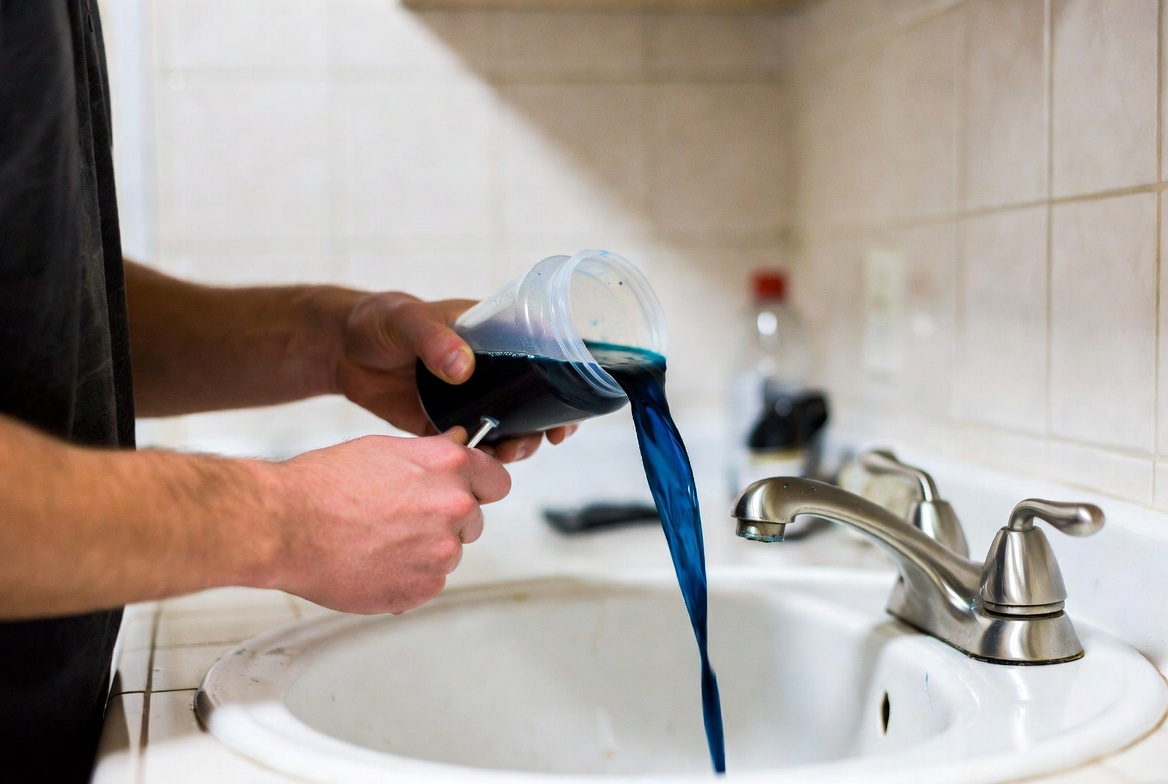
If you’ve significantly reduced the dye content through settling, filtration, or fixatives, and you don’t have access to hazardous waste facilities, careful drain disposal becomes an option. I want to emphasize “careful” here—this should only happen with properly treated water.
Pre-Disposal Treatment Steps
Before you even think about the drain, your water needs to pass the clarity test. The liquid should be nearly colorless or only very pale. If it still looks noticeably colored, keep treating it using the methods above.
Safe Drain Disposal Protocol
- Ensure water is as clear as possible
- Dilute treated dye water with large amounts of regular water
- Pour slowly down the drain while running water
- Continue running water for at least one minute after
- Never dump concentrated dye water directly into the drain
- Consider doing this during daylight hours, not late at night
What About the Concentrated Dye Sludge?
You’ve filtered, settled, or treated your water, and now you’re left with a concentrated mess at the bottom. This material is where most of the actual dye is concentrated, and it needs the most careful handling.
Sludge Disposal Options
Concentrated dye sludge should ideally go to a hazardous waste facility. However, if that’s not available, you can allow it to dry completely and then dispose of it in your regular trash. Dried dye sludge is far less likely to leach into soil or water supplies than wet dye water.
Drying and Disposal Steps
- Line a bucket or container with newspaper or paper towels
- Pour your concentrated sludge onto the paper
- Place in a dry location away from children and pets
- Allow several days for complete drying
- Once completely dry, wrap in newspaper and place in trash
- Never burn dyed materials—they release harmful fumes
Local Regulations: Know Before You Dispose
Here’s something I wish I’d known earlier: regulations vary significantly by location. What’s acceptable in one area might be prohibited in another. This isn’t just about being nice to the environment—it’s also about following the law.
How to Research Your Local Rules
- Contact your city or county environmental department
- Check your water utility’s website for discharge guidelines
- Look up your state’s environmental protection agency
- Ask local craft groups what they do
- Consult with fabric or art supply stores—they often know local regulations
Prevention: The Best Disposal Strategy
You know what’s better than figuring out how to dispose of dye water? Creating less of it in the first place. There are several techniques that minimize waste from the start.
Smaller Batch Dyeing
One of the simplest approaches is to dye smaller amounts of fabric. Instead of filling a large pot for one item, use a smaller container. This reduces the total volume of waste you’re creating.
Reusing Dye Water
Here’s something cool: you can actually reuse dye water for lighter shades. After you remove your fabric, the water still contains dye. If you redye something in that same water, you’ll get a lighter color. Keep reusing it until it’s nearly colorless.
Selecting the Right Dye Type
Did you know different dye types create different waste profiles? Natural dyes, for instance, are biodegradable and much less problematic in waste water. Plant-based dyes like indigo or madder are increasingly popular for crafters who want greener options.
Practical Tips for Your Next Dyeing Project
Container Selection Matters
Use stainless steel or plastic pots specifically designated for dyeing. Never use cookware you’ll eat from later, no matter how well you clean it. This also helps you keep dye water contained and easier to manage.
Create a Dye Station
Dedicate a specific area for dyeing projects. This could be a corner of your garage, a basement space, or even an outdoor setup. Having everything in one place makes waste management much simpler and prevents accidental spills.
Keep Records
Document how much dye you use and how much waste water you generate. Over time, you’ll develop better instincts about quantities and reuse opportunities.
Safe Handling During the Dyeing Process
Proper disposal starts with proper handling. When you’re actually dyeing, keep these safety considerations in mind.
Protective Equipment
- Always wear gloves to protect your hands from dye staining
- Use an apron to protect your clothing
- Work in well-ventilated areas
- Keep dye away from your face and eyes
- Wash hands thoroughly after finishing
Storage and Spill Prevention
Store your dye bottles in a secure location, away from curious children or pets. If you do spill dye, clean it up immediately with paper towels and dispose of them in the trash, not the drain.
Comparing Disposal Methods: Which Is Best for You?
Let me be honest: there’s no single perfect answer. The best method depends on your situation. Here’s how to think about it:
If You Have Time
The settling and decanting method is free and requires minimal effort, just patience. Combine it with activated charcoal filtration for even better results.
If You Dye Regularly
Invest in dye fixatives and prevent waste from the beginning. This saves you money and hassle in the long run.
If You Want the Cleanest Conscience
Use a hazardous waste facility. Yes, it requires a trip, but you’ll know your waste is handled properly.
If You’re Budget-Conscious
Combine methods: use fixatives, let it settle, filter if needed, and then carefully handle the remaining water. This approach costs very little.
Conclusion
Disposing of Rit dye water responsibly doesn’t have to be complicated or expensive. You have several excellent options, from using dye fixatives to reduce waste at the source, to professional hazardous waste facilities if you want the gold standard of disposal. The settling and filtration methods work well for most home crafters and cost almost nothing. Whatever method you choose, the important thing is that you’re thinking about the impact of your creative projects on the environment around you. That’s what really matters.
Remember that regulations vary by location, so take a few minutes to research what your local authorities recommend. Many communities are increasingly supportive of responsible craft practices, and waste management folks are usually happy to help if you ask. Your