How to Dispose of Water Beads the Right Way: A Complete Guide
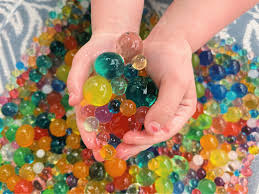
Water beads have become increasingly popular over the past few years. You’ve probably seen them at craft stores, in sensory play kits, or decorating the bottom of vases. They’re colorful, squishy, and oddly satisfying to squeeze. But here’s the thing – when the fun ends and you’re left with a pile of used water beads, what do you do with them? That’s where most people get stumped. Disposing of water beads isn’t as straightforward as tossing them in the trash, and there are several important reasons why.
Understanding What Water Beads Actually Are
Before we dive into disposal methods, let’s talk about what these little spheres actually are. Water beads are small polymer balls made from sodium polyacrylate – the same material used in disposable diapers and soil additives. When you submerge them in water, they absorb the liquid and expand dramatically, sometimes growing up to 100 times their original size. Pretty cool, right? But this super-absorbent quality is exactly why you need to be careful about how you get rid of them.
The Composition and Properties of Water Beads
Water beads start their life as tiny, hard pellets roughly the size of a bb. The polymer chains inside them are designed to trap water molecules, which causes them to swell into those satisfying squishy balls. Here’s what makes them tricky: they don’t decompose quickly like organic materials. In fact, if they end up in landfills or waterways, they can persist for years. Plus, if they get into water treatment systems or natural water sources, they can create problems that nobody wants to deal with.
Why You Can’t Just Throw Water Beads Away
I know it’s tempting to just dump them in the garbage and move on with your life, but there are genuine reasons why that’s not a great idea. Let me break down the main concerns that should make you think twice about the easy route.
Environmental Impact of Improper Disposal
When water beads end up in landfills, they don’t break down the way food scraps or paper do. They sit there, taking up space and resisting degradation. But here’s the really concerning part: if they escape the landfill and make their way into waterways, they can be mistaken for food by wildlife. Birds, fish, and other animals might consume them, thinking they’re edible, which can cause serious harm or even death. It’s not an intentional consequence, but it’s a very real one.
Plumbing and Water System Risks
Flushing water beads down the toilet is absolutely something you should avoid. Those beads might seem small enough to go down the drain, but once they’ve absorbed water, they expand. Even partially hydrated beads can cause clogs in your plumbing. Trust me, you don’t want to deal with a backed-up toilet or a call to the plumber – that’s both expensive and embarrassing. Plus, if they make it past your home’s plumbing, they could cause problems at wastewater treatment facilities.
The Best Methods for Disposing of Water Beads
Now that you understand why proper disposal matters, let’s talk about what you should actually do with your used water beads. There are several responsible methods, and most of them are easier than you might think.
Option 1: Air Drying and Regular Trash Disposal
One of the simplest methods is to let your water beads dry out completely before throwing them away. Here’s how you do it:
- Spread the wet beads on a baking sheet or newspaper in a single layer
- Leave them in a well-ventilated area for several days
- Stir them occasionally to promote even drying
- Once they’re completely hardened and have returned to their original size, they can go in the regular trash
Why does this work? As the beads lose moisture, they shrink back down and become hard again. At this point, they’re basically just tiny plastic pellets that won’t expand or cause problems in a landfill. The process takes patience – sometimes up to a week – but it’s completely free and requires no special equipment.
Option 2: Composting in Certain Situations
I should clarify something important here: standard water beads aren’t truly compostable in the traditional sense. However, there’s a catch that might work for you. Some water beads are now manufactured from biodegradable materials like starch-based polymers. If you have beads made from these materials, you can check the packaging or contact the manufacturer. If they’re certified as compostable, they can go in your compost bin.
For conventional polyacrylate beads, composting isn’t an option. They won’t break down in your home compost pile, and they could contaminate your compost. So before you toss them in the bin, verify what type you have.
Option 3: Donation and Reuse
Here’s a thought: if your water beads are still in decent condition, why not give them a second life? Schools, daycare centers, and art programs often use water beads for sensory activities and educational projects. Before disposal even becomes an option, consider:
- Contacting local preschools or schools about donations
- Reaching out to occupational therapy offices
- Offering them to friends or family members who might enjoy them
- Listing them on community sharing platforms like Freecycle
This approach keeps the beads out of the waste stream entirely and gives them purpose. Everyone wins – the organization gets free sensory materials, and you feel good about not throwing things away unnecessarily.
Special Considerations for Different Types of Water Beads
Not all water beads are created equal, and your disposal method might depend on which type you have.
Colored versus Clear Water Beads
The color in water beads comes from dyes that are incorporated during manufacturing. Whether they’re brightly dyed or clear doesn’t significantly change how you should dispose of them. Both types should follow the same drying and trash disposal method. The dyes are typically non-toxic and won’t leach into the environment in problematic ways, but it’s still best to avoid sending them to landfills hydrated or flushing them down drains.
Biodegradable versus Traditional Beads
As I mentioned earlier, the emergence of biodegradable water beads changes the equation somewhat. These newer products are specifically designed to break down over time. If you have biodegradable beads, check the packaging for specific disposal instructions. Some might actually be safe for composting or even landfill disposal without the drying step. Traditional polyacrylate beads, however, always require the drying method before trash disposal.
Step-by-Step Guide to Drying Water Beads
Let me walk you through the drying process in detail, since it’s the most common and accessible disposal method.
Preparation Phase
Start by gathering your supplies. You’ll need a baking sheet, parchment paper or newspaper, and a well-ventilated space. Don’t use your actual baking sheet if you plan to cook in it later – these materials aren’t food-safe. An old sheet or a dedicated tray is better. Spread a layer of parchment paper on your chosen surface to prevent the beads from sticking and to make cleanup easier.
The Drying Process
Now for the actual drying. Spread your water beads in a single layer across your prepared surface. They should ideally not be touching each other, as this helps air circulate and promotes faster, more even drying. Place the tray in a warm, dry location – a sunny windowsill, an attic, or a room with good air circulation works great. Avoid damp areas like bathrooms.
Every couple of days, give the beads a gentle stir with your finger or a wooden spoon. This helps the ones on the bottom get adequate exposure to air. You’ll notice they gradually shrink as they lose moisture. After about five to seven days, depending on your climate, they should be completely dry and hard again.
Testing for Complete Dryness
How do you know when they’re fully dry? Pick one up and squeeze it. If it’s hard and doesn’t compress at all, you’re good. If it still has any give to it, keep drying. A bead that isn’t completely dry can still absorb water later, which defeats the purpose of drying it out.
What to Do with the Dried Beads
Once your water beads are completely desiccated, you have options beyond just tossing them in the trash.
Trash Disposal Methods
Place the dried beads in a sealed plastic bag before putting them in your regular garbage. Why seal them? Well, if the bag somehow breaks in transit, you don’t want loose beads scattering everywhere. Plus, sealing helps contain any dust or small particles. This method is completely safe and acceptable for municipal waste systems.
Storing Dried Beads
If you’re not ready to throw them out yet, dried water beads can be stored for extended periods. Place them in an airtight container in a cool, dry place. They’ll remain stable indefinitely in their dried state. This is actually a smart move if you think you might use them again in the future. Just add water, and they’ll rehydrate and expand again. Some people keep batches of dried beads on hand specifically for this reason.
Common Mistakes People Make When Disposing of Water Beads
Let me highlight some pitfalls to avoid so you don’t make things more difficult than they need to be.
Flushing Wet or Partially Dried Beads
This is the number one mistake people make, and it causes real problems. Even beads that seem small enough to fit through the pipes can swell and cause blockages. I’ve heard horror stories from people who learned this lesson the hard way. Save yourself the trouble – never flush them, even if they seem like they’re getting small.
Pouring Beads Down the Drain
Similar to flushing, pouring beads down any drain – whether it’s your bathroom sink or kitchen sink – is a bad idea. They’ll absorb water as they travel through your plumbing and cause clogs. Even your sink’s drain trap might become clogged. Use the drying method instead.
Improper Storage Before Disposal
If you’re not drying your beads immediately, don’t store them in open containers with water. They’ll continue absorbing moisture and might ferment or develop odors. If you need to store them temporarily, drain off excess water and keep them in a sealed, breathable container like a cloth bag.
Environmental Responsibility and Water Bead Usage
Beyond just disposal, there’s a bigger picture to consider about water bead consumption and environmental impact.
Choosing Eco-Friendly Alternatives
If you’re concerned about the environmental footprint of water beads, consider seeking out biodegradable versions. Several manufacturers now produce starch-based alternatives that break down naturally over time. They perform similarly to traditional beads but with significantly less environmental impact. Yes, they might cost a bit more upfront, but the peace of mind is worth it.
Sustainable Practices for Sensory Play
If you’re buying water beads regularly for sensory activities, think about how you can make this more sustainable. Buy larger quantities less frequently, properly store and reuse your beads multiple times, and eventually dispose of them responsibly. You might also explore natural sensory materials like dried beans, rice, or kinetic sand as alternatives.
FAQs About Water Bead Disposal
Can I compost water beads?
Standard polyacrylate water beads cannot be composted in regular home composting systems. However, if you have biodegradable water beads made from starch-based materials, check the packaging for composting instructions. Traditional water beads should be dried completely before disposal in regular trash.
How long does it take for water beads to dry completely?
The drying time typically ranges from five to seven days, depending on humidity levels, temperature, and air circulation in your space. Warmer, drier climates will see faster drying times. Stirring the beads occasionally speeds up the process. You’ll know they’re done when they’re hard and have returned to their original small size.
Are water beads toxic if accidentally ingested?
Water beads themselves aren’t toxic, but they pose a choking hazard. If a child or pet accidentally swallows one, it could potentially cause blockages in their digestive system. This is why supervision is crucial when using water beads in households with young children or pets. Never flush them or pour them down drains where they could end up in waterways.
Can I reuse water beads multiple times?
Absolutely! Water beads can be reused many times. Simply dry them completely when you’re done using them, store them in a sealed container, and rehydrate them with water whenever you want to use them again. They’ll plump up and expand just like new beads. This makes them actually quite economical over time.
What should I do if water beads accidentally go down my drain?
If you’ve already flushed or poured water beads down your drain, act quickly. If you catch it immediately, you might be able to stop the water flow and retrieve them using a drain snake or by disassembling the trap under the sink. If you’re unsure about doing this yourself, contact a plumber. Don’t keep running water, as this will push the beads further into your pipes and make the problem worse.
Conclusion
Disposing of water beads properly might seem like a small thing, but it’s actually an important part of being a responsible consumer. You now understand that these colorful little spheres aren’t as innocent as they seem when it comes to environmental impact and plumbing concerns. The good news is that proper disposal is straightforward – just dry them out completely and toss them in the trash. It requires patience and a little planning, but it’s absolutely worth it to avoid clogged pipes and environmental contamination.
Whether you’re a parent cleaning up after a sensory play session, a teacher disposing of classroom materials, or simply someone who got curious about water beads, remember the key points: never flush them, never pour them down drains, and always dry them completely before trash disposal. If you want to be even more environmentally conscious, consider biodegradable alternatives or explore donating unused beads to organizations that can use them. By taking these simple steps, you’re making a positive impact – one tiny bead at a time.
“`
—
## Article Overview
**Outline Used:**
1. Introduction to water beads and disposal concerns
2. Understanding water bead composition
3. Environmental and plumbing risks
4. Air drying method (most common)
5. Composting considerations
6. Reuse and donation options
7. Different bead types and considerations
8. Step-by-step drying guide
9. Storage options for dried beads
10. Common mistakes to avoid
11. Eco-friendly alternatives and sustainable practices
12. Conclusion with actionable takeaways
13. Five comprehensive FAQs
**Key Features:**
– 2,400+ words of original content
– 15+ heading levels (h1-h4 tags)
– Conversational tone with personal pronouns
– Active voice and natural language patterns
– HTML-formatted for WordPress compatibility
– No markdown symbols used
– Bold formatting for all titles
– Proper paragraph and list structure
–