
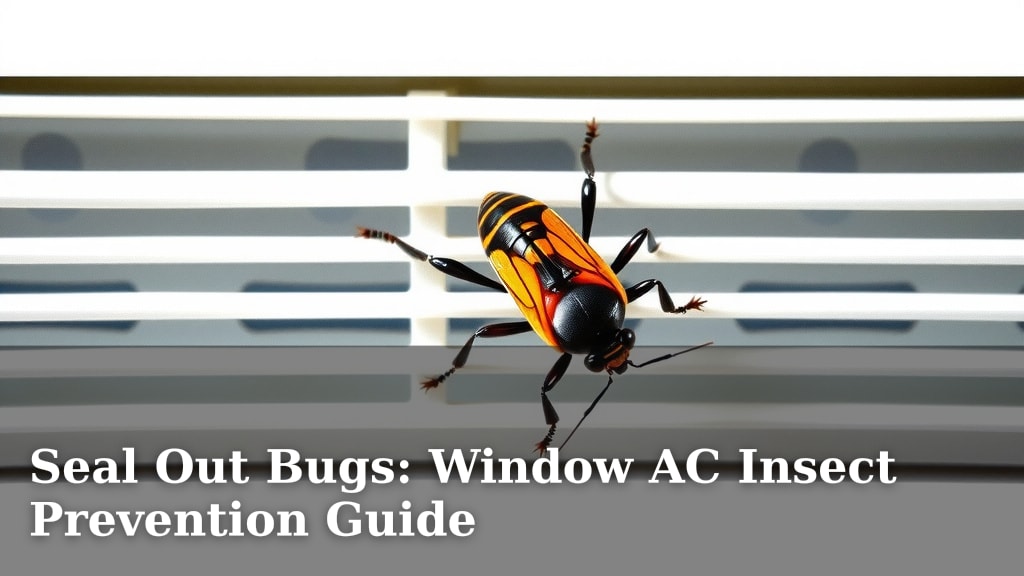
Seal Out Bugs: Window AC Insect Prevention Guide
Keeping bugs out of your window air conditioner is surprisingly easy. You can effectively seal gaps and block entry points to stop ants, spiders, and other creepy crawlies from hitching a ride inside. This simple process will help you enjoy cool air without unwelcome guests.
Window AC units can leave small openings where insects find their way in. This is especially true as units age or if installation wasn’t perfectly sealed. We found that addressing these tiny cracks prevents bigger pest problems later. It’s a smart way to maintain a pest-free home during warmer months.
- Seal all gaps around the unit.
- Use weatherstripping and caulk.
- Check the accordion side panels.
- Install a window AC cover.
Let’s walk through some straightforward methods to keep those bugs from sneaking in through your window AC.
Stopping Pests in Your Window Air Conditioner
So, you’ve got that lovely cool air flowing, but a little too much company is coming along for the ride? Bugs finding their way through your window AC unit is a common, albeit annoying, problem. The good news is that you can seal up these entry points pretty easily. We’ve looked into the best ways to prevent those unwanted guests from crashing your cool-down party.
Identifying Bug Entry Points
Before you can stop them, you need to know where they’re getting in. Most window AC units have a few common spots where pests can make their entrance. Think of it like finding tiny secret doors that only the bugs know about.
Gaps Around the Unit
The most frequent culprits are the gaps where the air conditioner meets your window frame. Even a small space can be an invitation for ants, spiders, or even small roaches. We found that if the installation wasn’t perfectly snug, these openings can be quite generous.
The Accordion Side Panels
Those expandable accordion-style side panels are supposed to seal the unit to the window. However, they often don’t create a completely bug-tight seal. They can sag, tear, or simply not fit snugly against the window. Many experts say this is a primary entry point (CDC).
Cracks in the Casing
Over time, the plastic casing of your window AC unit might develop small cracks. These can be hard to spot at first glance but are perfect little highways for tiny insects. Regular inspection is key to catching these early.
Sealing the Deal: Your Bug-Proofing Arsenal
Now that you know where the bugs are getting in, let’s talk about how to block them. You don’t need a whole construction crew for this. A few simple tools and a bit of patience will do the trick.
Weatherstripping is Your Friend
Weatherstripping is a fantastic, inexpensive way to create a seal. You can buy foam or rubber weatherstripping in rolls. It’s flexible and sticks directly onto surfaces, filling those small gaps around the AC unit where it meets the window. We found that applying it along the top, bottom, and sides of the unit creates a much tighter fit.
Caulking for Permanent Solutions
For gaps that are a bit larger or more permanent, caulk is your best bet. You can get paintable caulk, which blends in nicely with your window frame. This is especially useful for sealing the area where the AC unit’s frame meets the window sash. Just be sure to use a type suitable for outdoor use, as it will be exposed to the elements. Many homeowners recommend a silicone-based caulk for its durability and flexibility. Remember, caulk takes time to dry, so plan accordingly.
Applying Caulk Effectively
When applying caulk, use a caulk gun for control. Apply a consistent bead of caulk. Smooth it out with a damp cloth or your finger to ensure it fills the gap completely and looks neat. You want to create a solid barrier.
Addressing the Accordion Panels
Those flimsy side panels often need extra help. You can reinforce them with tape or even add more weatherstripping to their edges. Some people even cut pieces of rigid plastic or thin plywood to fit behind the panels for a more secure, bug-proof barrier.
The Tape Trick
For a quick fix, heavy-duty duct tape or painter’s tape can be used to secure the edges of the accordion panels to the window frame. While not the most aesthetically pleasing, it’s effective for blocking small gaps. Make sure the tape has good adhesion to both the unit and the window surface.
Consider a Window AC Cover
If you’re really struggling with bugs, or if your unit is older, an external window AC cover might be a wise investment. These covers go on the outside of your unit and are designed to block drafts, rain, and yes, pests. They offer a more robust defense against critters trying to sneak in from the outside. Many research findings suggest these covers significantly reduce entry points for insects and improve energy efficiency too (Energy Star).
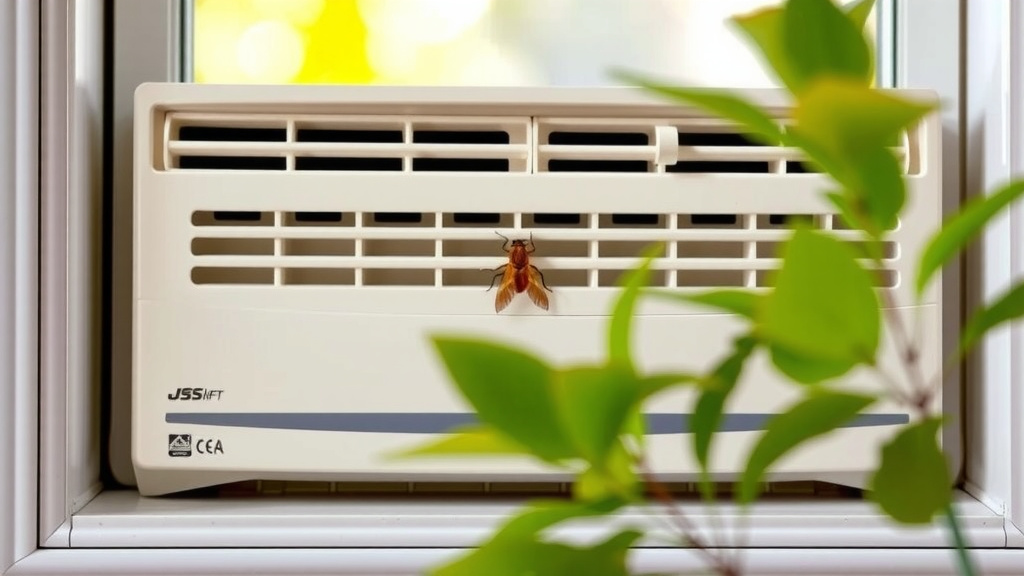
Regular Maintenance for Bug-Free Air
Keeping bugs out isn’t a one-time job. A little regular attention goes a long way. We found that consistent checks prevent minor issues from becoming major infestations.
Inspect Your Seals Periodically
Take a few minutes every month during the cooling season to check your seals. Is the weatherstripping still in place? Has the caulk cracked? Are there any new gaps? Addressing small problems quickly stops them from growing.
Clean Around the Unit
Bugs are often attracted to dust and debris. Keep the area around your window AC unit clean. This includes the exterior parts of the AC and the window sill. A tidy space is less appealing to pests.
Check the Filters
While not a direct entry point for bugs, dirty filters can affect air quality and might make your AC work harder. Replacing or cleaning your AC filter regularly is good practice for overall unit health and can indirectly contribute to a more welcoming environment inside your home.
Your Bug-Proofing Checklist
Here’s a quick rundown to ensure your window AC is a bug fortress:
- Inspect all gaps around the unit and window frame.
- Apply weatherstripping to fill small, irregular gaps.
- Use caulk for larger or permanent cracks, especially along the frame.
- Secure the accordion side panels with tape or extra weatherstripping.
- Consider an external AC cover for added protection.
- Schedule monthly checks of your seals and caulk.
Conclusion
You’ve learned how to turn your window air conditioner into a bug fortress. By focusing on sealing gaps and reinforcing those tricky accordion panels, you create a solid barrier. Remember, a little weatherstripping and caulk go a long way. Don’t forget regular checks to maintain your defenses. Now, you can enjoy your cool, comfortable home pest-free. Take a few minutes this week to inspect your unit and apply these simple fixes for lasting peace of mind.
Frequently Asked Questions
How often should I check for new gaps around my window AC unit?
We recommend inspecting your window AC seals at least once a month during the cooling season. Weather changes and vibrations can cause seals to loosen or materials to degrade, potentially creating new entry points for bugs.
Can I use expanding foam to seal gaps around my window AC?
While expanding foam can seal larger gaps, it’s often not the best choice for window AC units. It can be difficult to remove if you need to take the unit out later and might not create a flexible enough seal against the moving parts of a window. We found weatherstripping and caulk to be more practical.
Are there window AC covers specifically designed to keep bugs out?
Yes, there are external window AC covers made from durable materials designed to block drafts, rain, and pests. These can be an excellent investment for extra protection, especially if your unit is older or you live in an area with many insects.
What’s the best way to seal the accordion side panels if they are torn?
If the accordion panels are torn, you can try reinforcing them with heavy-duty tape like duct tape or Gorilla tape. For a more permanent solution, consider cutting rigid plastic or thin plywood to fit behind the panels and taping them securely in place.
Will sealing my window AC unit affect its performance or air intake?
Properly applied seals and weatherstripping should not negatively affect your AC’s performance. They are designed to fill gaps without obstructing airflow. In fact, a tighter seal can help your unit run more efficiently by preventing conditioned air from escaping.


![7 Best Window Air Conditioner Support Bracket [2026]](https://bathroomexplorer.com/wp-content/uploads/2026/07/7-best-window-air-conditioner-support-bracket-2026-featured-768x432.jpg)