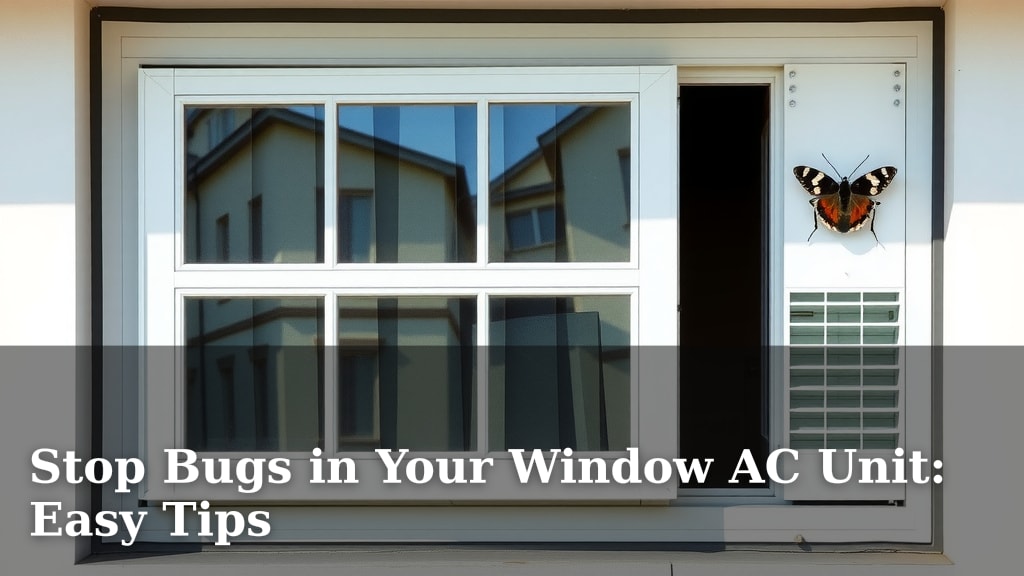
Stop Bugs in Your Window AC Unit: Easy Tips
Keeping bugs out of your window air conditioner is totally doable. The best way to stop bugs is to seal all gaps around the unit and use a window AC cover during the off-season. This prevents them from entering your home.
No one wants creepy crawlies sharing their cool air. Insects are attracted to the dark, humid spaces inside AC units. Keeping them out also helps your unit run more efficiently. Many homeowners find that simple, consistent maintenance is the key.
- Seal gaps around your AC unit.
- Use a protective cover when the AC is off.
- Clean your AC filter regularly.
- Check for and repair any damage.
- Consider exterior deterrents if needed.
Below, we’ll walk you through the simple steps to keep those unwanted guests out of your window AC and your home.
Keeping Uninvited Guests Out of Your Window AC Unit
So, you’ve got a window air conditioner humming along, keeping your space nice and cool. But have you noticed little critters trying to sneak in? Bugs and other tiny unwelcome visitors sometimes see your AC unit as a cozy hotel. We’ve found that a few simple steps can help **prevent bugs from entering your home** through your window AC. It’s all about making your unit less inviting.
Sealing the Deal: Your First Line of Defense
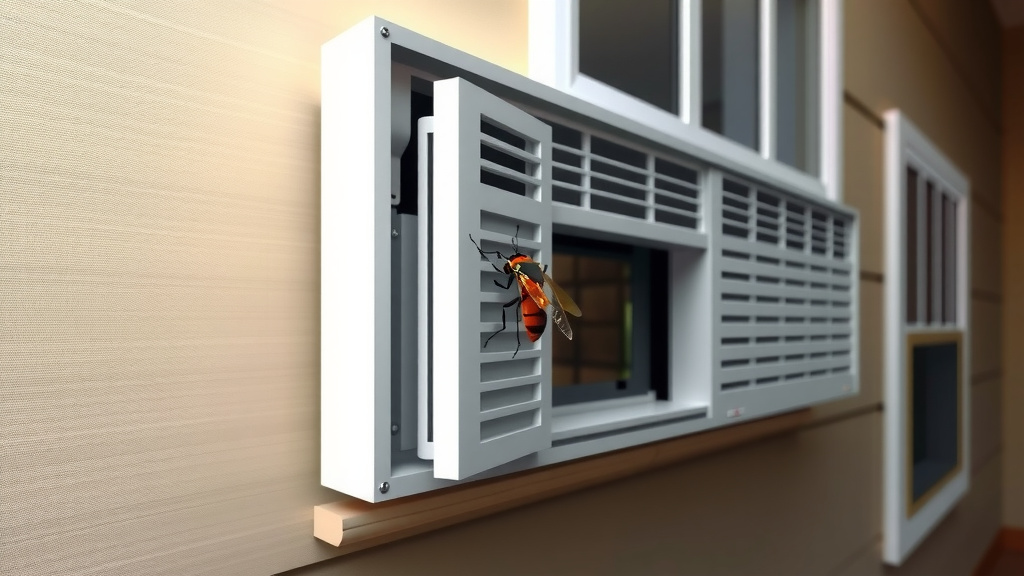
The biggest way bugs get in is through gaps. Think of your window AC unit as a door. If there are cracks around it, little feet can easily walk right in. Sealing these openings is often the **most effective way to keep bugs out**. It’s like putting up a “No Vacancy” sign for insects.
Gaps Around the Unit
When you install your window AC, there’s usually a frame and some side panels. These parts are meant to seal the unit into the window. Over time, these seals can wear out or become loose. This creates small openings where bugs can get through. We found that regularly checking these seals is important.
You’ll want to look for any **cracks or gaps** where the AC unit meets the window frame. Sometimes, the accordion-style side panels might not be fully extended or sealed against the window. These are prime entry points for unwanted guests. Don’t let them become bug highways!
Materials for Sealing
What should you use to fill these gaps? Foam weather stripping is a popular choice. It’s flexible and easy to apply. You can find it at most hardware stores. It acts like a soft barrier that bugs don’t like to cross. We also found that caulk can be used for more permanent seals, but foam is easier for temporary fixes or adjustments.
Another option is using plastic sheeting or thick fabric. You can cut these to size and wedge them into any larger gaps. Then, use tape to secure them. The goal is to create a **solid barrier** that bugs can’t easily navigate. It doesn’t have to be fancy, just effective!
Using the Right Tools
For a clean look and a good seal, consider using a utility knife to trim foam strips. A caulk gun is helpful if you opt for sealant. Make sure the surfaces are clean and dry before you apply any sealing material. This helps it stick better and last longer. It’s a small effort for a bug-free home.
The Off-Season Protector: Window AC Covers
When the weather gets cold and you turn off your AC for the season, it becomes a dormant entry point. That’s where an **off-season window AC cover** comes in. Think of it as putting a cozy blanket over your AC unit, but one that also keeps bugs out.
Why a Cover is Essential
An unused AC unit can still have openings, especially at the front. Dust and debris can accumulate, which might attract certain pests. A cover provides a physical barrier. It prevents bugs from setting up shop inside your unit during the months you’re not using it. Many experts recommend this simple step.
Types of Covers
There are several types of covers available. Some are simple fabric covers that tie or strap onto the unit. Others are hard plastic shells that fit snugly. We found that the best covers create a **tight seal** around the unit. This is key to keeping bugs and drafts out. Look for one that fits your specific AC model well.
Some covers are designed to be used on the inside of the window, while others go on the outside. An outdoor cover can offer extra protection from the elements too. Either way, the main job is to block access. It’s a smart investment for protecting your unit and your home.
Maintaining Your AC for Bug Prevention
Beyond sealing and covering, regular maintenance plays a role. A clean and well-maintained AC unit is less attractive to pests. Plus, it runs more efficiently!
Clean Your AC Filter Regularly
Your air conditioner has a filter. This filter traps dust, dirt, and other particles from the air. When a filter gets clogged, airflow is reduced. This can sometimes make the unit work harder and may even create conditions that are more inviting to pests.
We found that cleaning your AC filter monthly, or as recommended by the manufacturer, is a good habit. Most filters can be rinsed or vacuumed. A clean filter means better air quality and **fewer hiding spots** for tiny invaders. It’s a win-win!
Check for Damage
Over time, wear and tear can damage your window AC unit. This could be anything from a bent grate to a loose panel. Any damage can create new entry points for bugs. Inspect your unit periodically for any **signs of damage or wear**.
Pay close attention to the exterior casing, the fan area, and the side panels. If you notice any damage, try to repair it promptly. Sometimes a simple screw adjustment or a small patch can make a big difference. Keeping your unit in good shape is key to keeping bugs out.
Addressing Exterior Attractors
Sometimes, the problem might start outside your home. If you have plants or debris right up against your window AC unit, it can act like a bridge for bugs. They can crawl from the plants onto the unit and then find their way inside.
It’s a good idea to keep the area around your window AC unit clear. Trim back any bushes or plants. Remove any leaf litter or debris. This removes **potential pathways** for insects to reach your AC. Many pest control resources suggest this as a preventative measure.
Checklist for Bug-Free AC Enjoyment
Here’s a quick rundown to keep those unwanted guests at bay:
- Inspect and seal all gaps around the AC unit.
- Use weather stripping or caulk where needed.
- Install an AC cover for the off-season.
- Clean your AC filter at least once a month.
- Look for and repair any physical damage to the unit.
- Keep the area around the exterior of the unit clear.
Conclusion
You’ve learned how simple steps can keep your window AC bug-free. Sealing gaps and using an off-season cover are your strongest defenses. Regular cleaning and checking for damage also make your unit less appealing to pests. By implementing these maintenance tips, you can ensure your home stays cool and comfortable, without unwanted insect guests.
Your next step is to grab some weather stripping and inspect your unit this week. A little effort now means a lot more peace of mind later!
Frequently Asked Questions
How often should I check for gaps around my window AC?
We recommend checking for gaps at least twice a year. Do a thorough inspection when you install the unit for the cooling season and again before you remove it. This helps catch any wear and tear before bugs can take advantage.
Can I use a blanket to cover my window AC in the winter?
While a blanket might keep dust off, it won’t create a proper seal. Bugs can still get through the gaps. It’s best to use a purpose-made window AC cover designed to block out pests and drafts effectively.
What if I see a few small bugs even after sealing?
Sometimes a few determined insects can still find a way. If you see a small number, try using a vacuum cleaner with a crevice tool to remove them. Continue to monitor for larger infestations and reinforce your seals if needed.
Does cleaning my AC filter really help keep bugs out?
Yes, a clean filter improves airflow and prevents the unit from becoming a stagnant, humid environment where some pests might thrive. We found that regular filter cleaning contributes to a less inviting space for bugs.
Are there any natural deterrents I can use near my window AC?
Some people have success with natural deterrents like peppermint oil or certain plants around the exterior. However, the most reliable methods involve physical barriers. Sealing gaps and using a cover are your most effective bug-proofing strategies.