
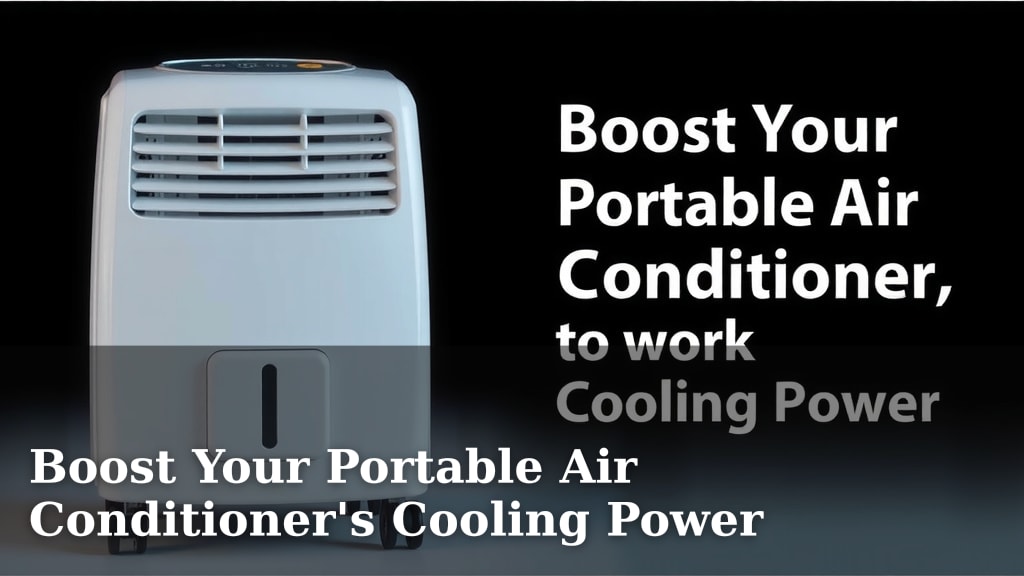
Boost Your Portable Air Conditioner’s Cooling Power
You can absolutely make your portable air conditioner work better and cool your space more effectively. The secret lies in a few simple tweaks to how you use and maintain it. Focusing on proper placement and regular cleaning will make a big difference in its cooling power and energy use.
Many people struggle to get the most out of their portable AC units. We found that common issues often stem from neglecting simple maintenance or misunderstanding how these units function best. Addressing these can lead to a noticeably cooler room and a happier wallet.
- Ensure clear airflow around the unit.
- Keep filters clean for optimal performance.
- Seal windows and doors properly.
- Consider room insulation and shading.
- Regularly check the exhaust hose.
Ready to get your portable AC running at its peak? Let’s walk through the easy steps to make it work smarter, not harder, for your comfort.
Boosting Your Portable Air Conditioner’s Cooling Power
Your portable air conditioner is a lifesaver during hot weather. But sometimes, it doesn’t feel like it’s working as hard as it should. You can absolutely make it more effective. The key is in a few simple adjustments and some regular care. We found that many common issues are easily fixed with a little attention. Let’s dive into how to get the best performance from your unit.
Optimizing Airflow: Giving Your AC Room to Breathe
One of the biggest factors in your portable AC’s performance is airflow. These units need space to work their magic. Think of it like trying to breathe through a sock – it’s tough! Your AC needs unobstructed paths for both air intake and exhaust.
Clearing the Space Around Your Unit
Portable ACs pull in warm air from the room, cool it down, and then expel hot air out through an exhaust hose. If there’s furniture or clutter blocking the intake vents, the unit has to struggle to get enough air. This makes it less efficient and can even cause it to overheat.
We recommend leaving at least 18 to 24 inches of clear space around the entire unit. This ensures it can efficiently draw in air and release heat. Check your owner’s manual for specific recommendations, as designs can vary.
The Importance of the Exhaust Hose
The exhaust hose is where the hot air goes. It’s like your AC’s personal chimney. If this hose is kinked, crushed, or too long, it can really **hamper performance**. A restricted exhaust means hot air builds up inside the unit, making it harder to cool the room.
Check the hose regularly for any bends or obstructions. Try to keep it as straight as possible. If you have a very long hose, you might consider if it’s truly necessary. Shorter, straighter paths are always better for efficiency.
Hose Length and Placement Considerations
We found that the length of the exhaust hose matters. Longer hoses mean more surface area for heat to radiate back into the room before it leaves. If possible, try to position your unit close to a window or vent. This allows for the shortest, most direct hose setup.
Additionally, ensure the hose is properly sealed where it connects to the unit and the window kit. Any gaps can let hot air leak back into your cool space.
Maintenance Matters: Keeping Your AC Clean and Happy
Just like any appliance, your portable AC needs regular maintenance to run at its best. Neglecting it is like skipping oil changes on your car – eventually, things start to break down.
Dirty Filters: The Silent Performance Killer
The most critical maintenance task is cleaning or replacing the air filters. These filters trap dust, pet dander, and other small particles. When they get clogged, they restrict airflow significantly. This is a **major reason** why portable ACs stop cooling effectively.
We found that cleaning your filters every two to four weeks is a good rule of thumb. For many units, the filters are removable and can be washed with mild soap and water. Make sure they are completely dry before putting them back in. For washable filters, check your manual. Some units use disposable filters that need replacing.
Checking and Cleaning the Unit Exterior and Interior
Beyond the filters, the rest of the unit needs a little love too. Dust can build up on the exterior vents and internal components. This can further impede airflow and cooling.
Periodically, turn off and unplug your unit. Use a soft brush or a vacuum cleaner attachment to gently remove dust from the vents and the area around the exhaust outlet. For deeper cleaning, you might need to consult your manual on how to access other parts.
Dealing with Water Drainage
Portable ACs often collect water as they cool the air. This moisture needs to be managed. Most units have a collection tank or a drain hose.
If your unit has a tank, check it regularly and empty it when it’s full. If it has a continuous drain hose, ensure it’s properly positioned to drain water away from the unit and your living space. Sometimes, the drain port can get clogged with debris, so a quick check is always a good idea.
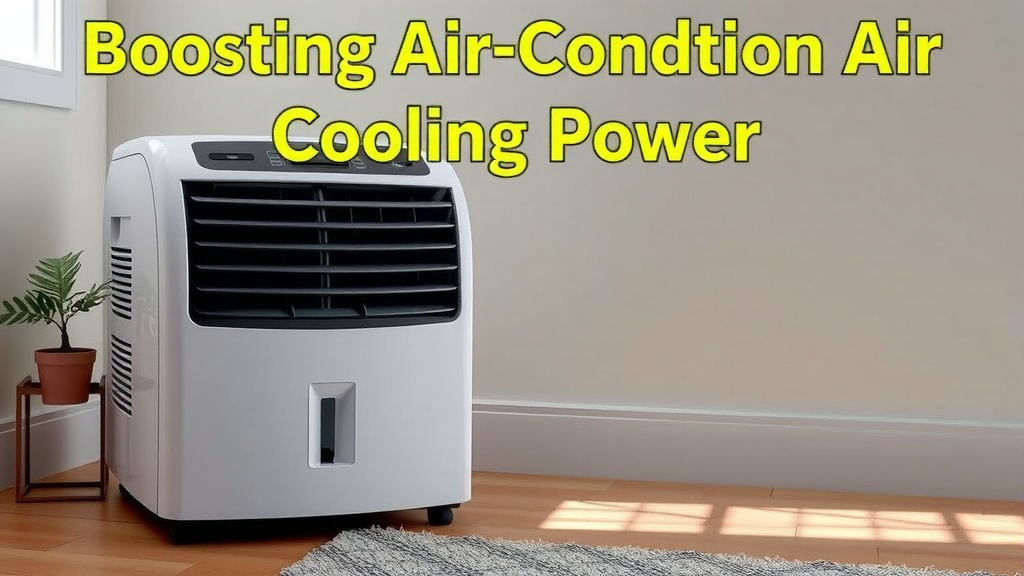
Environmental Factors: Helping Your AC Work Smarter
The environment your portable AC operates in plays a huge role. You can make your space work with your AC, not against it, to improve cooling.
Sealing Your Room Effectively
Portable ACs are designed to cool a specific area. If that area isn’t sealed well, the cool air escapes and warm air rushes in. This is a constant battle that makes your AC run harder and longer.
Seal windows and doors thoroughly. Use weather stripping or temporary window seals. Make sure the window kit for your exhaust hose is snug. For doors, consider using a draft stopper at the bottom.
Insulation and Shading: Your First Line of Defense
Before you even turn on your AC, consider how much heat is entering the room. Poor insulation means heat easily seeps in through walls and the ceiling. Direct sunlight beaming through windows is another major heat source.
We found that using blackout curtains or blinds can make a significant difference. Closing them during the hottest parts of the day can block a lot of solar heat. If your room has poor insulation, it might be worth looking into ways to improve it, like adding draft stoppers or ensuring windows are properly sealed.
Closing Off Unused Areas
Portable ACs are best for single rooms or small areas. Trying to cool your entire house with one unit is like trying to fill a swimming pool with a teacup.
We recommend closing doors to unused rooms. This helps concentrate the cool air where you need it most. It prevents the AC from working overtime trying to cool spaces that don’t need it.
Troubleshooting Common Issues
Even with the best care, you might run into a few hiccups. Here’s a quick rundown of what to do.
Is Your Unit Freezing Up?
If you notice ice forming on the coils, it’s a sign of airflow problems. This often happens when the filters are dirty or the unit is placed too close to obstructions. Turn the unit off, let it defrost completely, clean the filters, and ensure proper airflow.
Not Cooling Enough?
This could be due to many of the issues we’ve discussed: dirty filters, blocked vents, restricted exhaust, or a poorly sealed room. Double-check all these points. Also, ensure you’re not trying to cool too large a space for your unit’s capacity.
Here’s a quick checklist to keep your portable AC in top shape:
- Check and clean air filters every 2-4 weeks.
- Ensure at least 18-24 inches of clear space around the unit.
- Keep the exhaust hose straight and unblocked.
- Seal windows and doors to prevent cool air escape.
- Close blinds or curtains during sunny hours.
- Empty water tanks or ensure drain hoses are clear.
Conclusion
You’ve got the power to make your portable AC a true cooling champion! By focusing on the simple steps we’ve outlined, you can transform your unit from a weak performer into a cool air powerhouse. Remember, proper airflow, regular cleaning, and a well-sealed room are your best friends.
Don’t let a sluggish AC leave you feeling hot and bothered. Take a few minutes each month to give your unit the care it needs. You’ll enjoy a cooler, more comfortable space and potentially save on your energy bills. Ready to feel the difference? Start by checking your filters and clearing the space around your unit today!
Frequently Asked Questions
How often should I clean my portable AC’s air filters?
We recommend cleaning your portable air conditioner’s filters every two to four weeks. Clogged filters are a major reason for reduced cooling power and efficiency. Checking them regularly ensures your unit can breathe freely.
Can the length of the exhaust hose really affect performance?
Yes, it absolutely can! We found that longer exhaust hoses allow more heat to radiate back into your room before escaping. For the best results, try to keep the hose as short and straight as possible.
What’s the best way to seal my window for the exhaust hose?
You want to create a snug fit around the exhaust hose. Use the window kit that came with your unit and ensure there are no gaps. You can use weather stripping or even a rolled-up towel to block any small openings.
My portable AC is making a strange noise. What could it be?
Strange noises can sometimes indicate airflow issues or debris. We suggest first ensuring the unit is on a level surface and that nothing is blocking the vents or exhaust hose. If the noise persists, consult your owner’s manual or contact the manufacturer.
Is it okay to run my portable AC while the room isn’t perfectly sealed?
While your AC will still cool, it won’t be very efficient. We found that leaky rooms make the unit work much harder. For optimal performance and energy savings, it’s best to seal windows and doors as effectively as possible.


![7 Best Cheap Air Conditioner For Small Room [2026]](https://bathroomexplorer.com/wp-content/uploads/2026/06/7-best-cheap-air-conditioner-for-small-room-2026-featured-768x432.jpg)