How to Safely Stack Your Washer and Dryer
Yes, you can safely stack a washer and dryer if you follow specific guidelines. Most modern units are designed for vertical stacking with the right mounting kit. Improper stacking can lead to damage, instability, and safety hazards, so it’s important to do it right.
Maximizing your laundry room space is often the main goal when stacking. This setup can save precious square footage, especially in smaller homes or apartments. However, you must ensure both machines are compatible and secured properly to prevent accidents.
- Use the correct stacking kit.
- Check machine compatibility.
- Ensure a level and stable base.
- Secure units to the wall if needed.
- Consult your appliance manuals.
Let’s walk through exactly how to safely stack your washer and dryer step by step, ensuring peace of mind and optimal use of your space.
Stacking Your Washer and Dryer Safely
You can absolutely stack your washer and dryer, and it’s a fantastic way to **save space** in your laundry area. This guide will show you how to do it safely so you can enjoy your new setup with **peace of mind**. We’ll cover compatibility, secure installation, and what to look out for.
Ensuring Compatibility: The First Step to Safe Stacking
Before you even think about lifting, you need to know if your machines are made to be stacked. Not all washers and dryers can be stacked. The **washer** always goes on the bottom. It needs to be strong enough to support the weight of the dryer above it.
Washer Compatibility: The Foundation
Most front-loading washers are designed to be stacked on. Top-loading washers are generally **not suitable** for stacking. This is because their lids open from the top, and the weight of a dryer on top could damage the mechanism or make it unstable. You’ll want to check your washer’s manual for specific stacking recommendations.
Dryer Compatibility: The Upper Unit
Similarly, your dryer needs to be compatible. Most electric and gas dryers can be stacked. However, some older or bulkier models might be too heavy or oddly shaped. Always verify in the dryer’s **user manual** if stacking is supported. Many dryer manuals will explicitly state if they are designed for overhead stacking.
Checking Appliance Manuals: Your Best Resource
The absolute best way to check for compatibility is to consult the **owner’s manuals** for both your washer and your dryer. These manuals contain manufacturer-specific information about whether the units can be stacked, what accessories are needed, and any special installation instructions. If you can’t find your physical manuals, you can usually download them from the manufacturer’s website by entering your appliance model number. This is a crucial step that many people skip, leading to problems later.
The Importance of the Stacking Kit
A stacking kit is more than just a shelf; it’s a **safety device**. It securely fastens the dryer to the top of the washer, preventing it from tipping or sliding off. Without one, your stacked units are a recipe for disaster.
What is a Stacking Kit?
A stacking kit typically includes brackets, straps, and screws designed to **interlock** the two appliances. It creates a stable connection, much like a seatbelt for your dryer. These kits are usually model-specific, meaning you need a kit designed for your particular brand and model of washer and dryer.
Purchasing the Right Stacking Kit
You can usually purchase stacking kits from appliance retailers or directly from the manufacturer. Make sure you buy a kit that is **explicitly compatible** with both your washer and dryer models. A universal kit might not offer the secure fit you need. The cost is usually minor compared to the potential damage from a falling appliance, so don’t skimp here.
Installing the Stacking Kit
The installation process for the stacking kit will be detailed in its own instructions. Generally, it involves securing parts to the back of the washer and the bottom of the dryer. Then, the two appliances are carefully positioned, and the kit’s fasteners are engaged to create a **solid connection**. Follow the kit’s instructions precisely. We found that some kits require specific tools, so be sure to have them on hand before you start.
Preparing Your Laundry Space for Stacking
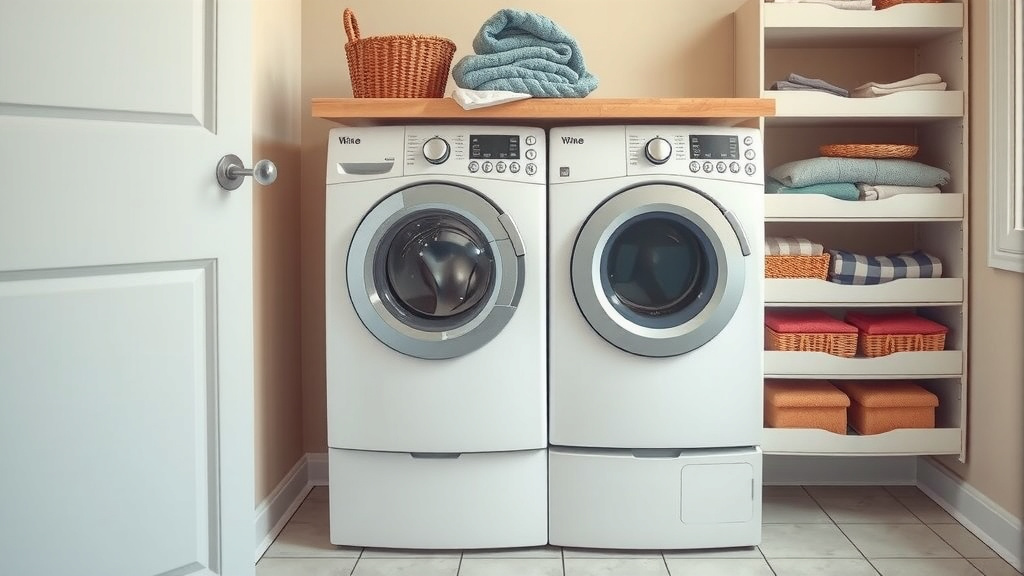
Once you’ve confirmed compatibility and acquired your stacking kit, it’s time to prepare the space. A stable foundation and proper clearances are essential for safe operation.
Ensuring a Level and Stable Base
Your washer, sitting on the floor, is the base for the entire stack. It’s critical that the washer is on a **perfectly level and stable surface**. Uneven floors can cause vibrations, making the stack unstable. You can use a spirit level to check the washer’s top surface. If it’s not level, you might need to adjust the washer’s feet or place a sturdy shim underneath. Many washers have adjustable feet that can be twisted to raise or lower each corner. This is a non-negotiable step for safety.
Checking for Adequate Clearances
Appliances generate heat and need **airflow** to operate efficiently and safely. Ensure there’s enough space around the stacked units. Check the manufacturer’s recommendations for clearances, but generally, you’ll want at least a few inches of space at the back, sides, and top. This allows for proper ventilation and makes it easier to access hoses and cords. Don’t push them too tightly against a wall.
Securing to the Wall (Optional but Recommended)
For added stability, many experts recommend securing the stacked units to the wall using an anti-tip bracket, especially in homes with children or pets. This is a simple but effective measure. You’ll typically attach a bracket to the back of the top appliance and then secure it to a wall stud. This prevents the unit from tipping forward even if it’s bumped. While not always included in stacking kits, they are readily available and inexpensive (Cleveland Clinic).
The Stacking Process: A Step-by-Step Checklist
With all preparations complete, you’re ready to stack. This usually requires two people because the dryer can be heavy and awkward.
Here’s a quick checklist to guide you:
- Confirm washer and dryer compatibility.
- Purchase the correct, model-specific stacking kit.
- Gather all necessary tools for installation.
- Ensure the washer is on a level, stable surface.
- Install the stacking kit according to its instructions.
- Carefully lift and place the dryer onto the washer.
- Secure the dryer to the washer using the stacking kit.
- Consider anchoring the stack to the wall for extra safety.
Connecting Hoses and Cords
Once stacked and secured, you’ll need to reconnect the water hoses (for the washer) and the power cord and vent hose (for the dryer). Ensure these are connected **securely and properly**. Kinked hoses can reduce water flow or cause damage. Make sure the dryer vent hose is not crushed or blocked. Proper connections ensure your machines run efficiently and safely.
Testing Your Stacked Units
Before you load them with a week’s worth of laundry, run a short test cycle on each machine. Listen for any unusual **noises or vibrations**. Check that the dryer is heating properly and venting outside. Ensure the stacking kit remains secure. If anything seems off, stop the cycle and re-check your installation steps.
Conclusion
You’ve learned that stacking your washer and dryer is a great space-saving solution. It requires careful attention to machine compatibility and the proper use of a stacking kit. Always start by checking your appliance manuals. Ensure your washer has a stable, level base. Then, secure the dryer with the correct kit and consider wall anchoring for maximum safety. Following these steps will help you create a secure and functional laundry setup. Your next step should be to gather your appliance manuals and confirm your specific models are stackable.
Frequently Asked Questions
What if my washer and dryer aren’t compatible for stacking?
If your appliances are not designed for stacking, you should not attempt it. Trying to stack incompatible units can lead to serious damage and safety hazards. In this case, you might need to consider alternative laundry room layouts or investing in stackable appliances.
Can I use a universal stacking kit if I can’t find one for my models?
It’s highly recommended to use a stacking kit specifically designed for your washer and dryer models. Universal kits may not provide the secure, custom fit needed to prevent tipping or damage. Always prioritize the manufacturer-recommended or model-specific kit for safety.
How do I know if my washer is stable enough to support a dryer?
A stable washer sits firmly on a level floor with no rocking. You can check this by placing a spirit level on top of the washer. Adjust the machine’s feet until it’s perfectly level. If your floor itself is uneven, you might need to use sturdy shims under the feet to achieve stability.
Is it absolutely necessary to anchor the stacked units to the wall?
While not always mandatory, anchoring the stacked units to the wall is strongly recommended, especially if you have children or pets. It provides an extra layer of security against tipping, which can happen even with normal use. It’s a simple step that greatly enhances safety.
What if I hear strange noises after stacking my appliances?
Unusual noises or excessive vibrations after stacking usually indicate an installation issue. Re-check that the washer is perfectly level, the stacking kit is installed correctly and securely, and the dryer is centered properly on top. If the noise persists, it’s best to stop using the machines and consult your appliance manuals or a professional technician.