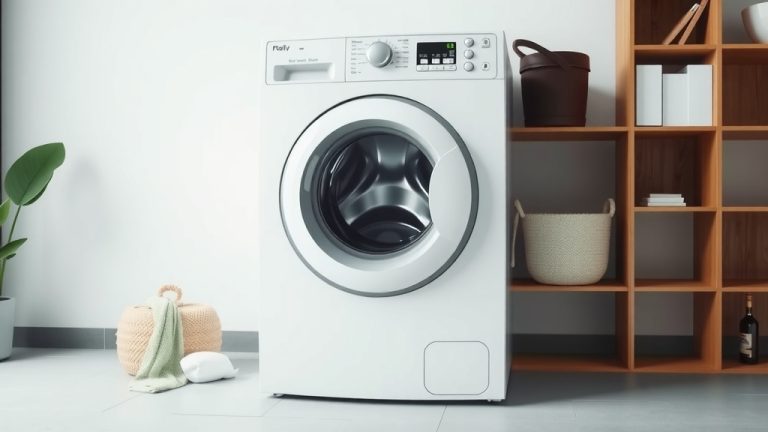
Front Load vs Top Load: Which Washer Wins in 2026
For most households, front-load washers are the better choice because they clean clothes more effectively, use less water, and are gentler on fabrics. However, top-loaders win if you want a lower upfront price and the convenience of adding clothes mid-cycle. The best pick really comes down to your budget, space, and laundry habits.
We looked at how both machines work, what owners actually say, and what repair technicians recommend. We found that front-loaders lead in efficiency and cleaning power, while traditional top-loaders are simpler and more reliable over time. High-efficiency top-loaders sit right in the middle, offering a balance of price and performance. Your choice also depends on whether you have room for a side-opening door and if you are okay bending down to load laundry.
- Winner for cleaning: Front-load washers use a tumbling action that lifts and drops clothes, which removes dirt more effectively.
- Winner for water savings: Front-loaders use about 40% less water per cycle compared to standard top-loaders.
- Winner for price: Traditional top-loaders cost less upfront and are cheaper to repair.
- Winner for convenience: Top-loaders let you pause the cycle and toss in that forgotten sock without restarting.
- Winner for space: Front-loaders stack with dryers to fit in tight laundry closets.
- The catch: Front-loaders need door seals wiped down to prevent mold and musty smells.
Below, we break down the key differences between front-load and top-load washers so you can make the right call for your home. We will cover cost, maintenance, and which type fits your lifestyle best.
Front Load vs. Top Load: The Real Differences
You want a washer that cleans well and lasts. You also want one that fits your life without headaches. We compared both types side by side. Here is what we found to help you decide.
How Each Washer Actually Cleans Your Clothes
Front-loaders use a tumbling action. The drum rotates horizontally, lifting clothes up and dropping them down into water. This repeated motion pushes water and detergent through the fabric fibers. It is a powerful cleaning method that tackles ground-in dirt effectively.
Top-loaders use an agitator or impeller. An agitator has a central post with fins that twist back and forth. An impeller is a low-profile cone at the bottom that creates friction between clothes. Both methods rely on soaking and vigorous movement to get things clean.
We found that front-loaders remove stains better in most tests. The drop-and-tumble action reaches deep into fibers. Many owners report brighter whites and fresher-smelling clothes with a front-loader.
Water and Energy Usage: The Efficiency Gap
Water bills add up fast. Front-loaders are clear winners here. They use about 40% less water per load compared to traditional top-loaders. That is a big difference over a year of laundry.
Less water means less energy to heat it. You save on both water and electric bills. High-efficiency top-loaders use less water than older models, but still more than front-loaders.
The U.S. Department of Energy notes that front-loaders are typically the most efficient option. They spin clothes faster too, which pulls out more water. That means shorter dryer times and even more energy savings.
Upfront Cost and Long-Term Value
Price is a big deal for most families. Traditional top-loaders are the cheapest to buy. You can find a solid one for several hundred dollars less than a front-loader. If your budget is tight, a top-loader is the easier entry point.
Front-loaders cost more upfront. But they can save you money over time through lower utility bills. We found that the price gap narrows over five years of ownership when you factor in savings.
Repair costs also matter. Top-loaders are simpler machines. Fewer parts means cheaper fixes. Front-loaders have more complex components like door seals, pumps, and electronic controls. Those repairs can get pricey.
| Feature | Front-Load Washer | Top-Load Washer |
|---|---|---|
| Average upfront cost | Higher | Lower |
| Water usage per load | About 40% less | More |
| Cleaning power | Superior tumbling action | Good, but less effective on stains |
| Fabric wear | Gentler on clothes | Harsher with agitators |
| Maintenance needs | Wipe door seal regularly | Minimal |
| Space flexibility | Stackable with dryer | Needs floor space above |
Maintenance and Reliability Compared
Nobody wants a washer that smells bad or breaks down. Both types have their quirks. Understanding them helps you avoid frustration later.
The Mold Problem with Front-Loaders
Front-loaders have a rubber door gasket that traps moisture. When you close the door after a wash, water stays trapped. This creates a perfect home for mold and mildew. The result is a musty smell that can transfer to your clothes.
Many experts say you should leave the door ajar after each cycle. You also need to wipe the gasket dry regularly. This is a small habit, but it is essential. If you skip it, you will deal with odors and potentially costly seal replacements.
Top-Loader Simplicity and Longevity
Traditional top-loaders are workhorses. They have fewer electronics and moving parts. Many owners report their top-loaders running for 15 years or more with basic care. That reliability is a strong selling point.
High-efficiency top-loaders without an agitator are also simpler than front-loaders. They do not have a door seal to worry about. You can leave the lid open to let things dry out naturally. That is a real convenience for busy households.
Convenience Factors That Matter Day to Day
Laundry is a weekly chore. Small conveniences make a big difference. Think about how you actually use your washer before you buy.
Adding Clothes Mid-Cycle
You are loading the washer and someone finds a stray sock. With a top-loader, you just lift the lid and drop it in. No fuss, no waiting. With a front-loader, you have to pause the cycle and wait for the door to unlock. That can take a minute or two.
We found that top-loaders win on mid-cycle access every time. If you often forget items, this is a huge advantage.
Bending and Reaching
Front-loaders sit low to the ground. You have to bend down to load and unload clothes. That can be tough on your back, especially for older adults or anyone with mobility issues.
Top-loaders stand taller, so you access clothes at waist level. This is much easier on your body. Some manufacturers offer pedestals for front-loaders to raise them up, but those add cost.
Space and Installation Flexibility
Do you live in an apartment or have a small laundry closet? Front-loaders are your best friend. You can stack a dryer on top to save floor space. This is a game-changer for tight areas.
Top-loaders need open space above them. The lid has to swing up fully. You cannot put shelves right above the machine. Measure your space carefully before you commit.
Fabric Care and Laundry Quality
Your clothes are an investment. You want them to last. The type of washer you choose affects how your fabrics hold up over time.
Gentler on Your Wardrobe
Front-loaders are known for being gentler on fabrics. The tumbling action is less abrasive than a top-loader with a center agitator. Delicates, knits, and newer synthetic fabrics stay in better shape.
Traditional top-loaders with agitators can be rough. Clothes wrap around the post and get twisted. This causes stretching, pilling, and premature wear. If you have nice clothes, a front-loader or impeller top-loader is a smarter pick.
Cleaning Bulky Items
Comforters, sleeping bags, and large blankets are tricky. Front-loaders handle bulky items well because there is no agitator in the way. The items have room to tumble freely.
Top-loaders with agitators struggle with bulky loads. The items can tangle around the center post. Impeller top-loaders do better, but still not as well as front-loaders. Many experts say a front-loader is best for bulky bedding.
Which Washer Fits Your Lifestyle?
You have the facts. Now it is time to match them to your daily routine. Consider these common scenarios to see which one sounds like you.
You Should Pick a Front-Loader If…
- You want the best cleaning power for tough stains and heavy dirt.
- You care about water and energy savings for lower bills.
- You have a small space and need to stack your washer and dryer.
- You wash a lot of delicates, wool, or high-quality fabrics.
- You are willing to wipe the door seal and leave the door open after each load.
You Should Pick a Top-Loader If…
- You want the lowest upfront price possible.
- You need to add clothes mid-cycle all the time.
- You have back or knee problems and want to avoid bending.
- You prefer a simple, reliable machine with minimal maintenance.
- You have plenty of open floor space and no need to stack.
Your Final Decision Checklist
Before you buy, run through this quick checklist. It helps you confirm you are making the right choice for your home.
- Measure your laundry area, including door clearance and ceiling height.
- Set a realistic budget that includes possible pedestals or installation costs. For a full breakdown of what you’ll pay, check out our washing machine cost guide.
- Decide if you can commit to weekly maintenance on a front-loader door seal.
- Think about who does the laundry and if bending is an issue for them.
- Estimate your average loads per week to calculate potential water savings.
- Check if your current dryer matches the new washer’s vent setup.
Smart Shopping Tips for Either Type
Once you pick a style, you still have to choose a model. We found some tips that help you get the best value no matter which way you go.
Look for High Spin Speeds
A faster spin removes more water. That cuts down your dryer time significantly. Look for a spin speed of at least 1,200 RPM for front-loaders. Top-loaders are slower, but higher is still better.
Check the Capacity Rating
Capacity is measured in cubic feet. A larger family needs 4.5 cubic feet or more. Smaller households can get by with less. Do not buy too big, or you will waste water on small loads.
Read Owner Reviews on Maintenance
We found that owner reviews are gold for spotting trouble spots. Look for consistent complaints about smells, leaks, or breakdowns. A few negative reviews are normal. Repeated patterns are a warning sign.
Remember that both types can last over a decade with proper care. Your habits matter more than brand hype. Pick the one that fits your physical needs, space, and budget. You will be happy with your choice either way.
Conclusion
So, which washer wins? For most households, a front-load machine is the best pick. You get superior cleaning, major water savings, and gentler care for your clothes. The trade-off is a higher price tag and a little extra maintenance on the door seal.
Top-loaders still make sense for many people. You get a lower upfront cost, easy mid-cycle access, and a machine that simply works without fuss. Your back will thank you if bending is a struggle.
We suggest you measure your space, set your budget, and think about who actually does the laundry. Then choose the machine that fits your real-life routine. You will be happy with either pick if it matches your needs.
Frequently Asked Questions
Are front-load washers worth the extra money?
Front-loaders cost more upfront, but they save you money over time. You use about 40% less water per load. Your dryer time also drops because these machines spin faster. Over five years, the savings often close the price gap.
Do top-load washers clean as well as front-loaders?
Standard top-loaders with agitators are less effective on tough stains. High-efficiency top-loaders with impellers do a better job, but still lag behind front-loaders. The tumbling action in a front-loader pushes water through fabric more thoroughly. For heavily soiled work clothes, front-loaders win.
How often do I really need to clean a front-load washer?
You should wipe the rubber door gasket after every load. Leave the door open for an hour or two so moisture can escape. Run a cleaning cycle with a washer cleaner once a month. That simple routine prevents mold and musty smells.
Which type of washer lasts longer?
Traditional top-loaders often last longer because they have fewer complex parts. Many owners report 15 years or more with simple repairs. Front-loaders have more electronics and seals that can fail. With proper maintenance, both types can serve you well past a decade.
Can you put a top-load washer on a pedestal?
No, pedestals are made for front-load washers only. Top-loaders need the lid to open fully, so raising them would not work. If you want a washer at a comfortable height, a top-loader already gives you that. Front-loaders need a pedestal to avoid excessive bending.