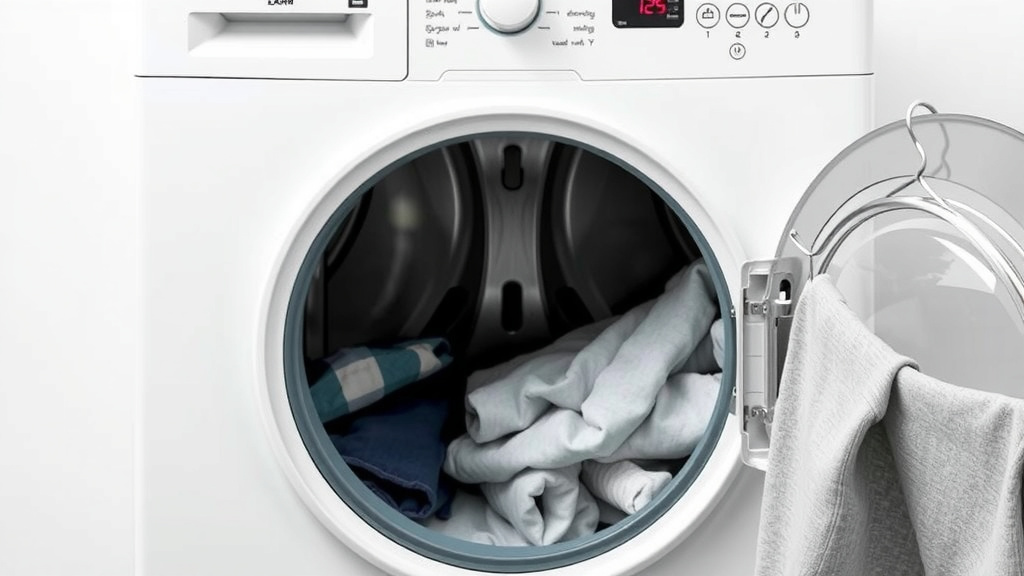
Mastering Your Front Load Washer: How to Wash Clothes Right
Washing clothes in a front load washer is quite simple. You just need to sort your clothes, add detergent, select a cycle, and press start. These machines are designed for energy efficiency and gentle fabric care, making them a great choice for your laundry needs.
Front loaders use less water than traditional top-loaders. They also clean clothes effectively by tumbling them. Proper loading and detergent use are key to getting the best results from your machine and ensuring your clothes come out fresh and clean.
- Sort lights, darks, and delicates.
- Use the right amount of HE detergent.
- Don’t overstuff the drum.
- Choose the correct wash cycle.
- Wipe down the door seal after use.
Let’s walk through exactly how to get your laundry done perfectly in your front load washer, step by step.
Mastering Your Front Load Washer: A Step-by-Step Guide
So, you’ve got a fancy new front load washer. That’s great! These machines are designed to be gentle on your clothes and easy on your wallet when it comes to water and energy use. But how do you make sure you’re getting the most out of it? Let’s break it down. It’s not as complicated as it might seem!
Getting Your Laundry Ready for the Wash
Before your front loader even gets a drop of water, a little preparation goes a long way. Think of it as giving your clothes a spa treatment before their big cleaning day. The goal here is to prevent damage and ensure a thorough clean for everything.
The Art of Sorting Your Clothes
This is perhaps the most important first step. Mixing colors, fabrics, and soil levels can lead to faded colors, stretched-out items, or even pilling. We usually recommend sorting into three main piles: whites, lights, and darks. This helps prevent dye transfer. For example, a bright red sock can turn your entire load of whites a lovely shade of pink! Have you ever had that happen? It’s a common laundry mishap.
Separating by Fabric Type
Beyond color, consider the fabric. Delicate items like lingerie or silk should be washed separately. Heavy items like towels and denim can also be washed together. This ensures that lighter fabrics aren’t weighed down by heavier ones, which could cause stretching. Many experts suggest checking garment care labels too. They often have specific washing instructions.
Dealing with Stains
Pre-treating stains is a game-changer. Front loaders tumble clothes, which can sometimes set stains if they aren’t treated beforehand. Spot treat any visible stains with a stain remover or a bit of detergent. Rub it gently into the fabric. Let it sit for a few minutes before putting the item in the wash. This simple step can save a favorite shirt from a permanent mark.
Loading the Washer: The Gentle Approach
This is where front load washers really shine. They use a tumbling action, which is much gentler than the agitator in some older top-load models. However, how you load the machine makes a big difference.
Don’t Overstuff the Drum
This is a common mistake many of us make. We want to get as much laundry done as possible. But stuffing the drum too full means clothes can’t tumble properly. This prevents the detergent from reaching all the fabrics. It also means your clothes won’t get as clean. You should be able to fit your hand vertically between the top of the clothes and the top of the drum. Think of it as giving your clothes room to dance!
Achieving the Right Load Balance
While front loaders are good at balancing, extremely unbalanced loads can cause the machine to shake excessively. Distribute items evenly around the drum. Avoid washing a single heavy item by itself. For instance, washing just one bath towel can lead to a lot of vibration. Try to add a few other items to balance it out. Researchers at the appliance industry have noted that proper load balance extends the life of the machine.
Detergent Dos and Don’ts
Using the right detergent and the correct amount is crucial for front loaders. They use much less water, so too much detergent can leave residue on your clothes. It can also cause excessive suds, which can damage the machine over time.
High-Efficiency (HE) Detergent is Key
Front load washers are designed to work with High-Efficiency (HE) detergents. These detergents produce fewer suds. Using regular detergent can create a suds disaster in your laundry room. You’ll see it overflowing from the dispenser and potentially the door. Always look for the “HE” symbol on the detergent bottle. The U.S. Department of Energy recommends HE detergents for these machines.
How Much Detergent to Use?
Less is often more with front loaders. Always refer to your detergent’s packaging for guidance. Then, check your washer’s manual for specific recommendations. Usually, a small amount is all you need. For a standard load, you might only need a tablespoon or two of liquid HE detergent. Powdered HE detergents might require a slightly different measurement. It’s better to add a little less and check your clothes. You can always add a bit more next time if needed.
Where to Add Detergent
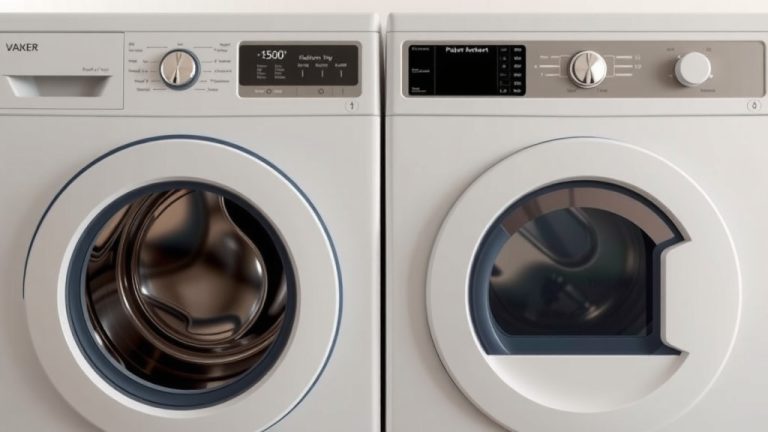
Most front load washers have a detergent drawer with separate compartments. There’s usually one for liquid detergent, one for powder, and often one for fabric softener or bleach. Make sure you’re putting the detergent in the correct section. Refer to your user manual if you’re unsure. Adding it directly to the drum with the clothes is generally not recommended for HE machines.
Selecting the Right Wash Cycle
Your front load washer comes with a variety of cycles, each designed for specific types of laundry. Choosing the right one ensures optimal cleaning and fabric care.
Understanding Common Cycles
Here’s a quick rundown of what those cycles often mean:
| Cycle Name | Best For | Notes |
|---|---|---|
| Normal/Cotton | Everyday items like t-shirts, jeans, towels. | Good for general cleaning. |
| Permanent Press | Synthetics, blended fabrics, items prone to wrinkling. | Uses cooler water and slower spin to reduce wrinkles. |
| Delicates/Hand Wash | Lingerie, silk, lace, loosely woven items. | Low spin speed, gentle agitation. |
| Heavy Duty | Heavily soiled items like work clothes or bedding. | Longer wash time, higher spin speed. |
| Quick Wash | Lightly soiled items needed in a hurry. | Shorter cycle, may not be suitable for tough stains. |
Adjusting Water Temperature and Spin Speed
Most cycles allow you to adjust the water temperature and spin speed. For lightly soiled clothes, a colder water temperature is often sufficient and saves energy. Hot water is best for sanitizing whites or heavily soiled items, but can cause colors to fade or shrink certain fabrics. A higher spin speed extracts more water, leading to shorter drying times. A lower spin speed is gentler on fabrics. Many appliance manufacturers suggest cold water for most loads to save energy (Energy Star).
After the Wash: A Little TLC for Your Machine
Your job isn’t quite done when the cycle finishes. A little maintenance will keep your front loader running smoothly for years.
The Importance of Wiping Down the Door Seal
Front load washers have a rubber gasket around the door. This seal is essential for preventing leaks. However, it can trap moisture, detergent residue, and lint. This can lead to mold and mildew growth. After each wash, wipe down the inside of the door seal with a clean cloth. Pay attention to the folds where water can collect. This simple habit prevents odors and keeps your machine fresh.
Leaving the Door Ajar
To allow the interior of the drum to dry out completely, leave the washer door slightly ajar between uses. This promotes air circulation and discourages the growth of mold and mildew. Similarly, pull out the detergent dispenser drawer to let it dry as well. It’s a small step that makes a big difference in keeping your laundry smelling clean.
Following these steps will help you get the best performance from your front load washer. You’ll keep your clothes looking great and your machine in top condition. Happy washing!
Here’s a quick checklist to help you remember the key steps:
- Sort clothes by color and fabric type.
- Pre-treat any stains before washing.
- Load the washer loosely, never overstuff.
- Use only HE detergent, and use sparingly.
- Select the appropriate wash cycle and settings.
- Wipe down the door seal and leave the door open after use.
Conclusion
You’ve now mastered the essentials of washing clothes in your front load washer. Remember that sorting, proper loading, and using the right HE detergent are your best friends. These steps prevent damage, ensure cleanliness, and keep your machine running smoothly. By taking just a few moments for pre-wash prep and post-wash care, you’ll see a difference in your laundry’s quality. Your next step is to apply these techniques to your very next load and experience the clean!
Frequently Asked Questions
How often should I clean my front load washer?
It’s recommended to clean your front load washer about once a month. This helps prevent mold, mildew, and odors from building up. You can use a specialized washer cleaner or a simple mix of vinegar and baking soda for a deep clean. Regular wiping of the door seal after each use also contributes to overall machine hygiene.
Why does my front load washer smell musty?
A musty smell usually comes from moisture trapped in the rubber door seal and drum. This creates a perfect environment for mold and mildew growth. Leaving the door ajar, wiping the seal dry, and running a monthly cleaning cycle can combat this issue. Ensure you’re not using too much detergent, as excess suds can also contribute to odors.
Can I use regular detergent in a front load washer?
No, you should only use High-Efficiency (HE) detergent in a front load washer. Regular detergents create too many suds, which can overflow. Excessive suds can also leave residue on your clothes and damage the machine over time. Always look for the “HE” symbol on your detergent.
Is it bad to wash just one heavy item in a front load washer?
Washing a single heavy item, like a bath towel, can create an unbalanced load. This can cause the machine to vibrate excessively during the spin cycle. It might also cause premature wear on the machine’s components. It’s best to add a few other items to balance the load if you’re washing just one heavy piece.
How do I know if I’m using too much HE detergent?
Signs of using too much HE detergent include excess suds overflowing from the dispenser or door. You might also notice a residue left on your clothes after washing. If your clothes don’t seem to be rinsing clean, it could be due to too much detergent or a clogged dispenser. Always follow the detergent packaging and your washer’s manual for correct amounts.