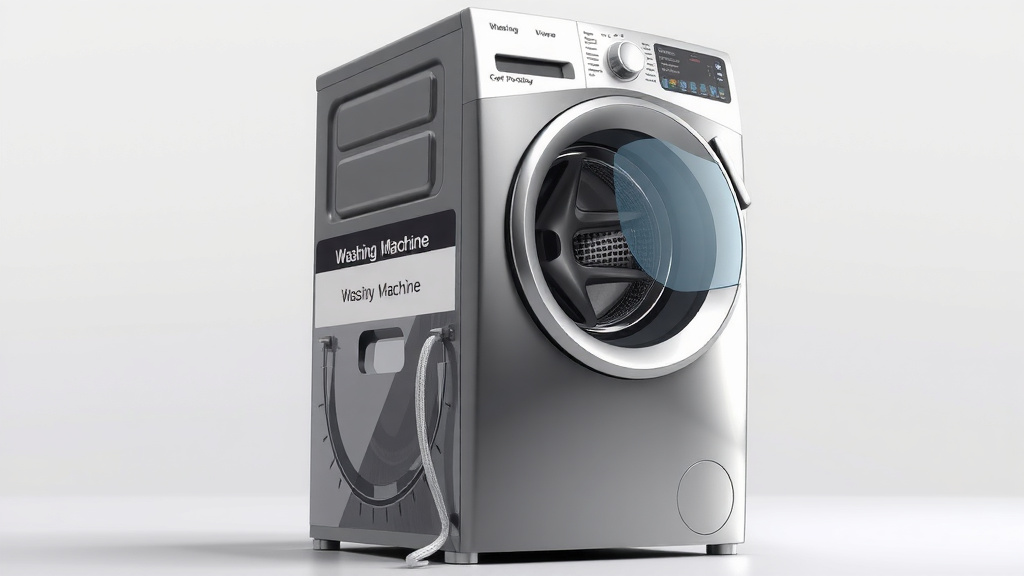
Washing Machine Buying Guide: Key Features to Consider
When buying a washing machine, focus on capacity, energy efficiency, and the type of cycles you’ll actually use. We found that understanding these core features helps you avoid paying for extras you don’t need. A good washing machine should handle your laundry needs without breaking the bank or wasting resources.
Beyond the basics, consider the machine’s dimensions to ensure it fits your space. Think about noise levels and any special features like steam cleaning or smart connectivity. Many experts suggest checking user reviews for long-term reliability. This research helps you pick a model that’s a good fit for your home.
- Consider drum size for your laundry load.
- Look for high energy and water efficiency ratings.
- Match wash cycles to your common fabric types.
- Ensure it fits your available space.
- Read reviews for reliability.
Let’s walk through exactly what to look for when choosing your next washing machine.
Choosing Your Perfect Washing Machine
Navigating the washing machine market can feel like a chore itself. But don’t worry, we’re here to help you find a machine that makes laundry day a little less dreadful. You want a washer that’s reliable, efficient, and fits your lifestyle. We’ve researched what matters most when you’re shopping.
Capacity: How Much Laundry Do You *Really* Have?
The first big question is: how much laundry do you generate? Think about your household size and how often you do washes. This will help you decide on the right drum size.
Understanding Drum Sizes
Washing machine capacity is measured in cubic feet. A smaller load for a single person might be 2.0 to 3.5 cubic feet. A family of four or more might need something larger, around 4.0 to 5.0 cubic feet or even more. It’s tempting to go big, but a larger machine uses more water and energy. Experts suggest matching capacity to your typical laundry needs to save resources (Energy Star).
What Fits in the Drum?
Manufacturers often list how many pounds of laundry a machine can hold. A good rule of thumb is about 1 pound per cubic foot. So, a 4.0 cubic foot washer can handle about 4 pounds of dry laundry. Remember to leave some space for clothes to tumble freely. Overstuffing won’t get your clothes cleaner and can strain the machine.
Efficiency Matters: Saving Water and Energy
Nobody likes high utility bills. When looking at washers, pay close attention to their energy and water efficiency ratings. These labels can tell you a lot.
The Energy Star Label
Look for the Energy Star certification. Appliances with this label meet strict energy efficiency guidelines set by the U.S. Environmental Protection Agency. This means they use less energy and water than standard models. Over the lifetime of the machine, this can add up to significant savings. Plus, it’s better for the environment.
Water Factor (WF) and kWh/Cycle
You’ll often see a “Water Factor” (WF) on the yellow EnergyGuide label. This number represents the gallons of water used per cubic foot of drum capacity. A lower WF means more efficient water use. You’ll also see an estimated electricity use, measured in kilowatt-hours per cycle (kWh/cycle). Lower numbers here are better.
| Metric | What it Means | What to Look For |
|---|---|---|
| Energy Star | Meets strict energy efficiency guidelines. | A certified logo. |
| Water Factor (WF) | Gallons of water used per cubic foot of capacity. | A lower number is more efficient. |
| kWh/Cycle | Estimated electricity used per wash cycle. | A lower number is more efficient. |
Cycle Selection: What Are Your Laundry Habits?
Washers come with a dizzying array of cycles. Do you really need a “delicates” cycle for your gym socks? Probably not. Think about the types of fabrics you wash most often.
Common Cycles to Consider
Most people will find these cycles sufficient:
- Normal/Regular: For everyday items like cottons and linens.
- Heavy Duty: For heavily soiled items like work clothes or towels.
- Delicates/Gentle: For fragile items like lingerie or silk.
- Permanent Press: For synthetic fabrics that need less heat and agitation.
- Quick Wash: For lightly soiled items you need in a hurry.
Specialty Cycles and Features
Some washers offer advanced cycles. These might include steam cleaning for sanitizing or wrinkle reduction. Others have allergen cycles to remove dust mites and pet dander (Cleveland Clinic). Smart features allow you to control your washer via an app. Consider if these extras are worth the added cost for your needs.
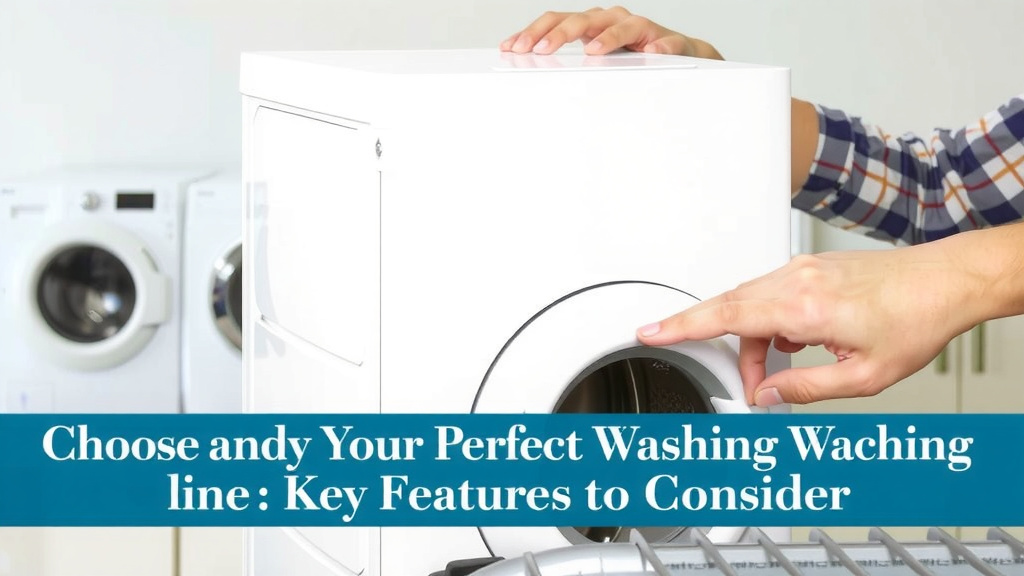
Machine Type: Top-Loaders vs. Front-Loaders
This is a classic debate. Both types have pros and cons. Your choice may depend on budget, space, and preference.
Top-Loaders: The Familiar Choice
Top-load washers have the lid on top. They are generally less expensive upfront. Some models are simpler to use and don’t require bending over. Agitator models (with a central post) are robust but can be harsher on clothes. High-efficiency (HE) top-loaders use less water and have a more gentle wash action. They typically don’t have a center agitator.
Front-Loaders: Often More Efficient
Front-load washers have a door on the front. They generally use less water and energy than top-loaders. Many people find they clean clothes more thoroughly and gently. They also tend to spin faster, removing more water and reducing drying time. However, they can be more expensive and may require bending to load and unload.
Sizing Up Your Space and Noise Levels
Before you fall in love with a washing machine online, measure your laundry area. You don’t want to discover it won’t fit after delivery.
Measure Twice, Buy Once
Note the width, depth, and height of the space where the washer will go. Also, ensure there’s enough clearance for the door to open fully, especially for front-loaders. Check that water hookups and a drain are accessible. Sometimes, a slightly smaller model might be the only practical fit.
Quieter Operation
If your laundry area is near living spaces, noise levels might be a concern. Some machines are designed for quieter operation. Look for models that mention vibration reduction technology or quieter motors. Reading user reviews can often give you a good idea of how noisy a specific model is in real-world use.
Reliability and Reviews: What Are Others Saying?
A washing machine is a big purchase. You want one that lasts. Checking user reviews and reliability ratings is a smart step.
Expert Ratings and Consumer Feedback
Websites that test appliances often provide reliability scores. Consumer Reports, for example, gathers data from its members on which brands and models tend to last longer. Reading reviews from actual owners on retailer websites can also be very helpful. Look for patterns in complaints or praise. Many experts suggest sticking with reputable brands known for durability.
Warranty and Support
Check the warranty period for parts and labor. A longer warranty, especially on the drum and motor, can offer peace of mind. Knowing that customer support is responsive can also be a factor if something goes wrong.
Here’s a quick checklist to guide your decision:
- Confirm your laundry needs: What size loads do you typically run?
- Check energy labels: Aim for Energy Star certified models.
- Match cycles to fabrics: Do you need special settings?
- Measure your space: Ensure a perfect fit before you buy.
- Read reviews: See what real users say about reliability.
- Consider your budget: Factor in upfront cost and long-term savings.
Conclusion
You’ve learned that choosing a washing machine doesn’t have to be overwhelming. By focusing on key factors like capacity that fits your household, and by prioritizing energy efficiency to save on utility bills, you’re making smart choices. Matching the available wash cycles to your actual laundry needs ensures you get the performance you require without unnecessary bells and whistles. Always remember to measure your space and consult user reviews for long-term reliability.
Take a moment to compare your laundry habits with the features we’ve discussed. Your next step is to visit a retailer or browse online with this checklist in mind, so you can confidently select a washer that serves your home well for years to come.
Frequently Asked Questions
How do I know what washing machine capacity is right for me?
Consider your household size and how often you do laundry. A single person or couple might be fine with a smaller drum capacity, while larger families will benefit from a larger one to handle more clothes per load. Avoid buying too large a machine, as it can waste water and energy on smaller loads.
What’s the difference between a top-loader and a front-loader washing machine?
Top-loaders are generally more affordable and easier to load without bending. Front-loaders typically use less water and energy, clean clothes more gently, and have faster spin speeds that reduce drying time, though they can be more expensive upfront.
Are specialty wash cycles like steam or allergen cycles worth the extra cost?
These cycles can be beneficial if you have specific needs, such as allergies or a desire for enhanced sanitization. For most households, standard cycles like normal, heavy-duty, and delicates are perfectly sufficient. Weigh the cost against your actual laundry requirements.
What should I do if I have limited space for a washing machine?
Measure your laundry area carefully, including width, depth, and height, and check for clearance needed for doors. If space is tight, you might need to opt for a more compact model or a specific type of washer that fits your dimensions. Ensure water hookups and drainage are accessible.
How can I check for washing machine reliability before buying?
Look for independent consumer reviews and reliability ratings from reputable sources like Consumer Reports. Reading owner feedback on retailer websites can also reveal patterns in performance and durability. A longer warranty on key components like the motor and drum can also indicate manufacturer confidence in the product’s lifespan.