Double Stack Washer Dryer Width: What You Need to Know
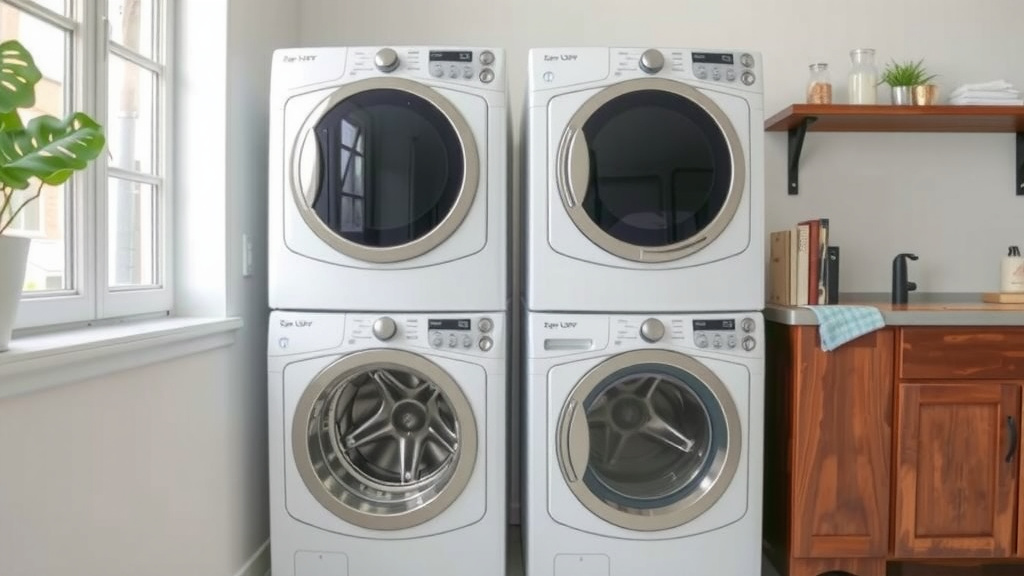
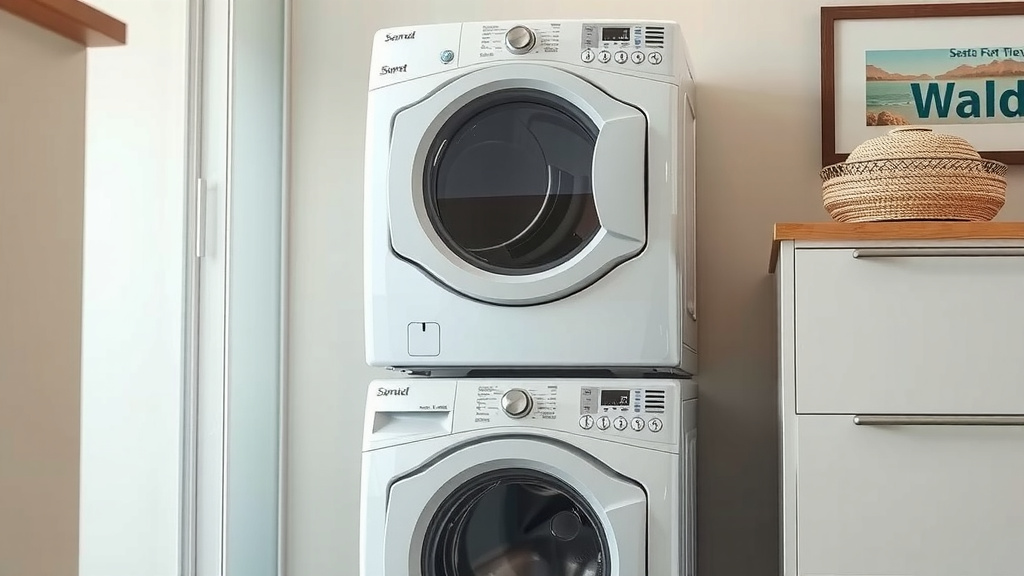
So, how wide is a double stack washer and dryer? You’re likely wondering if it will actually fit in your laundry space. Generally, a stacked washer and dryer unit is around 27 to 30 inches wide. This standard width makes them a popular choice for saving precious floor space in smaller homes or apartments.
While the width is consistent, the depth and height can vary a bit between models. Understanding these dimensions is key to avoiding a frustrating installation. We found that checking the exact specs for the unit you’re considering is always a good idea before you buy.
- Stacked units are typically 27-30 inches wide.
- This width is designed for space-saving.
- Depth and height can differ by model.
- Always check specific product dimensions.
Let’s dive into the specifics to help you figure out if a stacked unit is the right fit for your home.
Understanding Stacked Washer and Dryer Width
So, you’re looking at a stacked washer and dryer and wondering about its width. This is a smart question! Space is often a big concern, especially in smaller homes or apartments. We found that most stacked units are designed with this in mind. They keep a pretty consistent width, which is great news for fitting them into tight laundry nooks.
Generally, you’ll see stacked washer and dryer dimensions falling between 27 to 30 inches wide. This range is quite standard. It’s similar to the width of a typical side-by-side refrigerator or a standard doorway. This uniformity is a big reason why they are such a popular choice for maximizing laundry room space. You don’t have to worry about drastically different widths between brands, at least not for the main appliance footprint.
Why Width Matters Most for Stacked Units
When you think about a stacked washer and dryer, the height is what really jumps out. It’s tall! But the width is actually the dimension that often dictates if it will fit through doorways or into a designated laundry closet. It’s the horizontal measurement you need to be most mindful of when planning your installation.
Think about it like fitting furniture into a room. You measure the doorway first, right? It’s the same principle here. If the unit can’t get into the space, its height becomes irrelevant. That’s why focusing on the 27-30 inch width is your first critical step. It’s the gateway to making your stacked laundry dream a reality.
Comparing Stacked Widths to Other Appliances
To give you some perspective, let’s compare the width of a stacked washer and dryer to other common laundry appliances. This helps you visualize where it fits in your home’s appliance ecosystem.
Standard Side-by-Side Washers and Dryers
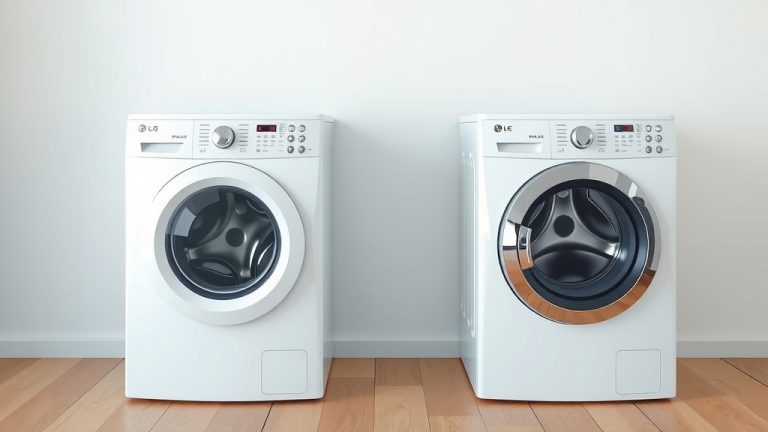
A traditional, non-stacked washer and dryer set usually consists of two separate units. Each of these can vary in width, but they often range from 27 inches up to 33 inches wide. If you were to place them side-by-side, they would take up significantly more floor space than a stacked unit. You’d need a much wider laundry room or garage space for a side-by-side setup.
Compact Washers and Dryers
There are also compact or apartment-sized washers and dryers. These are typically 24 inches wide. They are designed for very small spaces. While they are narrower, they usually have a smaller capacity. A stacked unit offers a compromise: it saves floor space like a compact unit but often provides a larger capacity, similar to its full-sized counterparts.
Washer/Dryer Combo Units
These are different from stacked units. A washer/dryer combo is a single machine that both washes and dries. They are often similar in width to compact washers and dryers, around 24 inches wide. The key difference is that they perform both functions sequentially in one drum, which can mean longer drying times. Stacked units are two separate machines, one on top of the other, allowing for simultaneous washing and drying.
| Appliance Type | Typical Width (inches) | Key Feature |
|---|---|---|
| Stacked Washer/Dryer | 27-30 | Saves floor space, two separate units |
| Standard Side-by-Side | 27-33 (per unit) | Larger capacity, requires more floor space |
| Compact/Apartment Size | 24 | Very narrow, smaller capacity |
| Washer/Dryer Combo | 24 | All-in-one, single drum, can have longer cycles |
Factors Influencing Stacked Unit Width
While the 27-30 inch range is pretty solid, a few things can cause slight variations. Manufacturers design these units to fit standard utility hookups and pass through common doorways.
Manufacturer Design Choices
Different brands have their own engineering teams and design philosophies. This can lead to minor differences in the exterior dimensions. Some might optimize for slightly more internal drum space, leading to a half-inch difference here or there. We found that most brands stick closely to the established norms to ensure broad compatibility.
Control Panel Placement
The way the control panels are integrated can also affect the overall width. Some have front-facing controls that are flush with the cabinet, while others might have slightly protruding knobs or digital displays. These are usually very minor differences, but it’s worth noting.
Ventilation Requirements
While not directly affecting the width of the appliance itself, you do need to consider the space required for ventilation hoses. Most stacked units require rear venting. You’ll need a few inches of clearance behind the unit for the vent to connect properly and for air to circulate. This is more about depth and space behind the unit, but it’s an important part of the overall installation.
How to Ensure Your Chosen Unit Fits
The best advice we can give is to always check the specific product dimensions for the model you are considering. Don’t just rely on general ranges. Manufacturers provide detailed spec sheets for their appliances.
Measure Your Space Carefully
Before you even start shopping, grab your tape measure. You’ll want to measure not only the width of the intended laundry space but also the height and depth. Don’t forget to measure doorways, hallways, and any tight turns the appliance will need to navigate to get to its final destination. We recommend adding a couple of inches to your measurements for ease of movement and installation.
Check the Spec Sheet Online
When you find a stacked washer and dryer you like, go to the manufacturer’s website or the retailer’s product page. Look for a “Specifications” or “Dimensions” section. This will provide the exact width, height, and depth, as well as any other important measurements like clearances. It’s the most reliable way to confirm fit.
Consider Door Swing and Accessibility
While width is key for fitting the unit into a space, also consider how the doors open. For a stacked unit, the washer door is typically on the bottom and the dryer on top. Ensure you have enough clearance for these doors to open fully without hitting walls or other obstructions. This makes loading and unloading laundry much easier.
Don’t Forget Installation Space
You’ll need space around the unit for the installer to work. This includes connecting water lines, draining, and venting. Many manufacturers recommend at least 1-2 inches of clearance on the sides and back for proper airflow and installation access. This is a detail that can easily be overlooked but is vital for a smooth setup.
Here’s a quick checklist to help you confirm if your space is ready for a stacked washer and dryer:- Measure the width of your laundry area.
- Measure all doorways and hallways for delivery path.
- Confirm the exact width of the stacked unit you want.
- Check the unit’s depth and height requirements.
- Ensure clearance for door swings and ventilation.
- Factor in space for professional installation.
Conclusion
So, you’ve learned that stacked washer and dryer units typically measure between 27 to 30 inches wide. This standard width is your key to maximizing laundry space, especially in apartments or smaller homes. While the width is quite consistent, remember that depth and height can vary. We always recommend double-checking the exact dimensions of any model you consider.
Before you make a purchase, measure your doorways, hallways, and the laundry area itself. This simple step ensures your new appliance will fit not just in the room, but also through the delivery path. Taking these measurements upfront saves you time and prevents installation headaches down the road. Happy laundry planning!
Frequently Asked Questions
Will a standard 27-inch wide stacked washer and dryer fit through a 30-inch doorway?
Yes, generally a 27-inch wide stacked washer and dryer should fit through a 30-inch doorway. You’ll have about 1.5 inches of clearance on each side. We advise measuring the appliance’s depth as well, to ensure it doesn’t snag on door frames during maneuvering.
Is the 30-inch width measurement for a stacked unit including the doors?
The standard width measurement (27-30 inches) typically refers to the main cabinet of the appliance. Control panels or door handles might slightly extend beyond this. It’s always best to check the spec sheet for the exact overall dimensions, including any protruding parts.
How much extra space do I need around a stacked washer and dryer for installation and ventilation?
While the unit itself is 27-30 inches wide, most manufacturers recommend at least 1-2 inches of clearance on the sides and back. This allows for proper ventilation and easy access for installation connections. Ensure your space accommodates these clearances beyond the appliance’s width.
Are there stacked washer and dryer models that are narrower than 27 inches?
While 27-30 inches is the common range for stacked units, you might find some very specialized compact models closer to 24 inches wide. However, these are less common and may have smaller capacities. For most standard stacked units, 27 inches is usually the narrowest you’ll find.
Does the width of the stacked unit affect its washing capacity?
The width of a stacked washer and dryer primarily impacts its floor space requirements. It doesn’t directly dictate the washing capacity. While compact units (often around 24 inches wide) tend to have smaller capacities, standard 27-30 inch wide stacked units usually offer capacities comparable to full-sized, non-stacked machines.