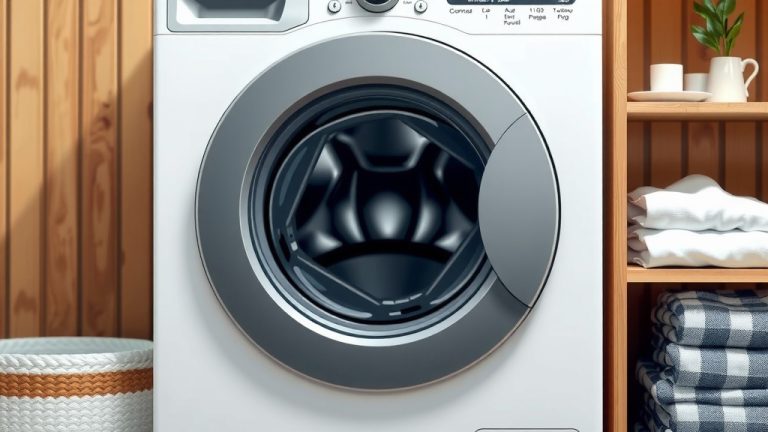
Stackable Washer Dimensions: How Wide Are They Exactly
A typical stackable washer is about 27 inches wide. This standard width allows them to fit comfortably in most laundry closets or small spaces. You’ll find that most models are designed to be this width for easy installation.
When looking at stackable washer and dryer units, the width is usually the most consistent measurement. This is because they are designed to stack neatly on top of each other. Manufacturers aim for a standardized dimension so they can be interchangeable with matching dryers and fit into pre-existing hookups.
- Stackable washers are generally 27 inches wide.
- This is a standard size for most models.
- The width helps them fit into compact laundry spaces.
- It also ensures they can stack with matching dryers.
Now that we know the standard width, let’s dive into what that means for your laundry space and what other dimensions you should consider.
Understanding Your Stackable Washer’s Width Needs
So, you’re looking at stackable washers and need to know about their width. We touched on the standard size in the intro, but let’s get into why this dimension is so important for your home. Most stackable washers clock in at a neat 27 inches wide. This isn’t an accident; it’s a deliberate design choice by manufacturers. It helps ensure these units fit into those cozy laundry nooks many of us have.
Think of it like fitting a piece into a puzzle. The width is key for a good fit. If your laundry space is on the smaller side, knowing this standard width is your first big win. You can start picturing exactly where it will go without too much guesswork.
Standard Dimensions: The 27-Inch Rule
The 27-inch width is the golden rule for stackable washers. You’ll find that most brands stick to this. It’s a dimension that works well with standard doorway sizes and common laundry room layouts. This consistency means you can often pair any 27-inch wide stackable washer with a matching 27-inch wide dryer.
This standardization is a lifesaver for shoppers. It removes a lot of the variables. You’re not usually comparing vastly different widths. Instead, you’re looking at features and performance within a predictable size range. This makes the shopping process much smoother.
Why This Width is So Common
Why 27 inches, specifically? Well, it strikes a good balance. It’s wide enough to hold a decent load of laundry – think a week’s worth for a small family. At the same time, it’s narrow enough to navigate tight hallways and staircases during delivery. It also fits comfortably in many pre-built laundry closets.
Manufacturers also consider the plumbing and electrical hookups. These are often placed in standard locations in homes. A 27-inch unit generally aligns with these common setups. It minimizes the need for costly or complicated modifications to your existing space.
Beyond Width: Other Key Dimensions to Consider
While width is your primary concern for stackable units, you can’t forget about the other dimensions. Height and depth play a huge role in whether a washer will fit and function correctly. You need to make sure the entire stacked unit will fit in your designated space, especially under any overhead cabinets.
It’s easy to get fixated on one number, but a little planning goes a long way. Measuring your space thoroughly will save you headaches later. This is especially true if you’re working with a very compact area.
Depth Matters for Clearance
The depth of a stackable washer is usually around 30 to 34 inches. This measurement is important because you need space behind the unit for hoses. You also need some clearance in front for the door to open fully. Imagine trying to load or unload laundry with the door bumping against a wall!
We found that many homeowners overlook this. They focus on width and height, then realize they have no room to actually use the machine. Always check the manufacturer’s specifications for required clearance. This usually includes space for ventilation and access to hookups.
Height: The Stacked Component
When stacked, the height is obviously double the individual unit height, plus a bit for the stacking kit. A typical washer might be around 35 to 36 inches tall. Stacked with a dryer, you’re looking at closer to 70 to 75 inches. That’s over 6 feet!
This means you need sufficient ceiling height. Also, consider accessibility. Can you easily reach the controls on the top unit? Many modern stackable units have controls conveniently placed, but it’s still something to check. We recommend measuring from the floor to the ceiling in your laundry area.

A Quick Comparison Table of Stackable Washer Dimensions
To help you visualize, here’s a simple table of typical dimensions. Remember, these are averages, and actual measurements can vary slightly by model and brand.
| Dimension | Typical Measurement (Inches) | Why It’s Important |
|---|---|---|
| Width | 27 | Standard for fitting in closets and small spaces. Ensures compatibility with matching dryers. |
| Depth | 30 – 34 | Accounts for door swing, hose connections, and necessary clearance. |
| Height (Single Unit) | 35 – 36 | Height of the individual washer. |
| Height (Stacked Unit) | 70 – 75 | Combined height of washer and dryer. Requires adequate ceiling space. |
Checking Your Space: A Simple Checklist
Before you commit to a new stackable washer, take a moment to measure your laundry space. It only takes a few minutes and can prevent a costly mistake. Here’s a quick checklist to guide you:
- Measure the width of your laundry closet or designated space.
- Measure the depth from the wall to the edge of your counter or doorway.
- Measure the height of your ceiling in that area.
- Check for any obstructions like pipes, shelves, or light fixtures.
- Consider the path to get the unit into your home.
- Think about where the water and electrical hookups are located.
Conclusion
You’ve learned that a stackable washer is typically 27 inches wide. This standard size is key for fitting into your laundry space and pairing with a matching dryer. While width is important, don’t forget to measure depth and height for your stacked unit. Knowing these dimensions helps you choose the right machine. Now that you have the facts, take a moment to measure your laundry area carefully. This simple step ensures your new stackable washer and dryer will be a perfect fit.
Frequently Asked Questions
Will a 27-inch wide stackable washer fit in my existing laundry closet?
A 27-inch wide stackable washer is designed for most standard laundry closets. You should still measure your closet’s width, depth, and height. Also, check for any obstructions like pipes or shelves. This ensures you have enough clearance for installation and use.
Can I put any dryer on top of a 27-inch wide stackable washer?
Typically, you’ll want to pair a 27-inch wide washer with a 27-inch wide dryer for a true stackable unit. While some compact dryers might fit, they are often not designed for this purpose. Using a matching set ensures stability and proper function when stacked.
What if my laundry space is narrower than 27 inches?
If your space is narrower than 27 inches, a standard stackable washer might not fit. You might need to consider a compact or apartment-sized washer. These units are often designed for tighter spaces but may have smaller capacities.
Does the width include the hoses or power cord?
The 27-inch width measurement usually refers to the main cabinet of the washer. You’ll need to account for additional space for hoses and the power cord. Manufacturers often specify required clearance for these connections at the back of the unit.
Are there stackable washers that are wider than 27 inches?
While 27 inches is the most common width for stackable washers, some larger capacity or specialized models might exist. However, these are less common and may not be designed to stack with standard dryers. Always check the product specifications carefully before purchasing.