Stackable Washer Dryer Widths Explained
Stackable washer and dryer units typically range from 27 to 30 inches wide. Most standard models are around 27 inches wide, fitting into common laundry spaces. You’ll want to measure your alcove or closet carefully. This width measurement is key for a successful installation.
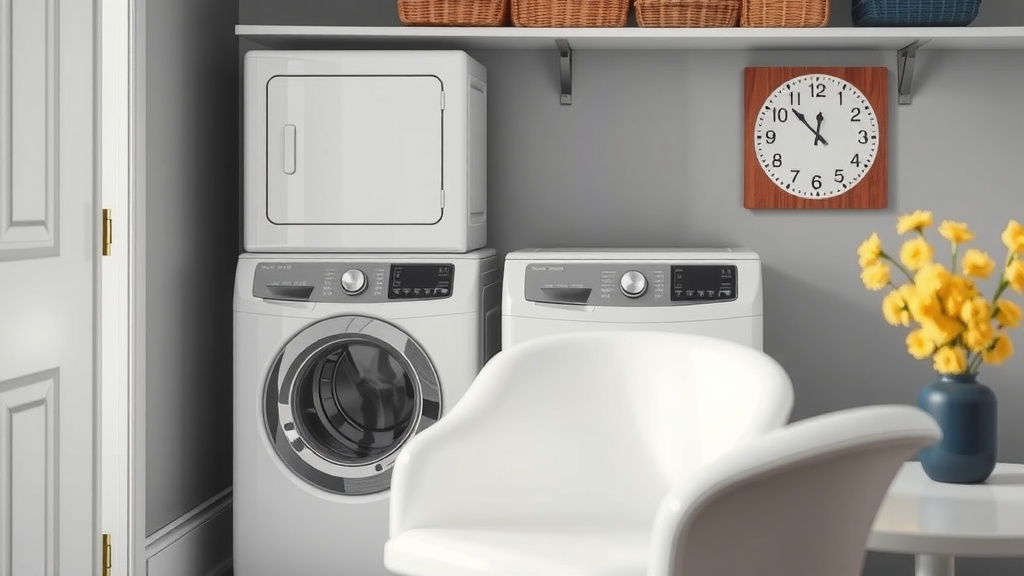
When you’re looking for a space-saving solution, these stacked units are a popular choice. They allow you to wash and dry clothes vertically. This design maximizes your floor space. Many homes and apartments benefit from their compact footprint.
- Standard stackable units are usually 27 inches wide.
- Some models can be up to 30 inches wide.
- Measure your installation space before buying.
- These units save floor space by stacking vertically.
We’ve gathered all the important details about stackable washer and dryer sizes. Let’s get your laundry room ready!
So, you’re eyeing a stackable washer and dryer to reclaim your laundry room floor? That’s a smart move! These units are fantastic for saving space. But before you get too excited about those clean clothes and extra room, let’s talk dimensions. The width is the number one thing you need to nail down. Get this wrong, and your dream laundry setup could turn into a tight squeeze.
Understanding Stackable Washer and Dryer Widths
When we talk about how wide stackable washer and dryer units are, you’re generally looking at a standard range. Most models are designed to fit into typical laundry closets or alcoves. We found that the most common width is about 27 inches.
This 27-inch width is a sweet spot. It’s wide enough for a capable washer and dryer. It’s also narrow enough to fit into many built-in laundry spaces. Think of it as the “Goldilocks” size for many homes.
What Does “Width” Really Mean for Stackables?
When manufacturers list the width, they mean the overall external measurement. This includes any protruding knobs, buttons, or door handles. It’s the total space your unit will occupy from one side to the other.
This is super important for planning. You don’t want to measure the cabinet opening and then find out the appliance itself is a quarter-inch too wide. We always recommend double-checking the exact dimensions provided by the manufacturer. Those little details can make a big difference.
Are There Different Widths?
While 27 inches is the most common width, you might find some models that are slightly different. Some higher-capacity or specialized units might go up to 30 inches wide.
These larger models offer more room for laundry. They can handle bigger loads. But they also require a wider space. If your alcove is precisely 27 inches, a 30-inch unit simply won’t fit. It’s like trying to fit a king-size mattress into a twin-size frame – it just doesn’t work.
Measuring Your Laundry Space: Your Most Important Step
This is where you become the expert on your own home. Before you even start browsing for stackable units, you need to measure your space. Don’t guess! Grab a tape measure and get accurate.
How to Measure Accurately
You’ll want to measure the width of the opening where the unit will go. Measure from wall to wall. Make sure you’re getting the narrowest point. Sometimes, older homes have walls that aren’t perfectly straight.
Also, don’t forget to measure the depth and the height. While width is our main focus today, these other dimensions are just as critical for a proper fit. You need enough clearance for the doors to open fully, and for hoses and vents to connect without being crushed.
We found that leaving a little extra breathing room is a good idea. Aim for at least an inch or two of clearance on each side of the unit. This helps with ventilation. It also makes it easier to pull the unit out for maintenance if needed. Think of it as giving your appliances a little personal space!
What About Door Clearances?
Beyond the width of the alcove, consider the space in front of it. Can you open the washer and dryer doors all the way? Some stacking units have front-loading washers and dryers. You’ll need to ensure there’s enough room for the doors to swing open without hitting anything.
If your stackable unit is in a closet, you might also need to consider if you’ll be keeping the doors on the closet. If so, make sure the appliance doors can open even when the closet doors are ajar. It’s a small detail, but it impacts your daily use.
Typical Dimensions and What to Expect
Let’s break down the common sizes you’ll encounter. Understanding these can help you narrow down your search. It helps you know what to look for when you’re shopping.
Standard Stackable Units: The 27-Inch Workhorse
As we mentioned, 27 inches wide is the king of stackable widths. These units are designed for maximum compatibility. They are found in apartments, condos, and smaller homes.
A typical 27-inch stackable washer and dryer set often has a washing capacity of around 3.5 to 4.0 cubic feet. The dryer usually matches this capacity. This is plenty for a small to medium-sized household. You can get your family’s laundry done efficiently.
Larger Capacity Options: The 30-Inch Stretch
If you have a larger family or just tend to do bigger loads, a 30-inch wide unit might be what you need. These offer more interior space. They can often handle 4.5 cubic feet or more in the washer.
However, remember that this extra capacity comes with a larger footprint. You absolutely must have the space for it. A 30-inch unit requires an opening that’s at least 30 inches wide, plus any clearance you want to add. It’s a trade-off between size and space.
We found that these larger units can sometimes be called “full-size stackables.” They bridge the gap between compact models and traditional side-by-side washer and dryer units. But they still offer the space-saving benefit of stacking.
Checking Specifications: Your Cheat Sheet
Don’t rely on guesswork. Always check the product specifications. This is the most reliable way to know the exact dimensions. Manufacturers provide detailed spec sheets for every appliance.
Here’s a quick checklist of what to look for on those spec sheets:
- Overall Width: This is the main number we’re talking about.
- Overall Depth: How far it sticks out from the wall.
- Overall Height: How tall the stacked unit is.
- Required Clearances: Sometimes they list recommended space around the unit for airflow.
- Door Swing Radius: How much space you need for the door to open fully.
Comparing Common Stackable Widths
To help visualize, let’s look at a simple comparison. This isn’t an exhaustive list, but it covers the most common scenarios you’ll find.
| Unit Type | Typical Width Range | Best For |
|---|---|---|
| Standard Stackable Washer/Dryer | 27 inches | Most apartments, condos, smaller homes, standard laundry closets. |
| Larger Capacity Stackable Washer/Dryer | Up to 30 inches | Larger families, bigger loads, homes with wider dedicated laundry spaces. |
Remember, these are general guidelines. You might find variations. That’s why measuring your space and checking the specific model’s dimensions are so important. It’s like planning a trip – you need to know your starting point and your destination dimensions!
Don’t Forget About the Dryer Venting!
While we’re focusing on width, a quick word about dryer venting. Many stackable dryers vent out the back. Make sure you have a clear path for the vent hose. You’ll need to account for the space the hose itself takes up behind the unit. Some models might have side or top venting options, which can be a lifesaver in tight spaces.
Conclusion
You’ve learned that stackable washer and dryer units typically measure between 27 and 30 inches wide. The standard size is usually 27 inches, fitting most common laundry spaces, while larger capacity models can reach 30 inches. Your most important step is to measure your laundry alcove or closet carefully. Always double-check the manufacturer’s specifications before buying. Armed with your measurements, you’re ready to find the perfect space-saving stackable unit that fits your home and your laundry needs!
Frequently Asked Questions
What is the standard width for a stackable washer and dryer?
The most common width for stackable washer and dryer units is 27 inches. This size is designed to fit into most standard laundry closets and alcoves, making it the go-to option for many homes and apartments.
Can I fit a 30-inch wide stackable unit in a 27-inch space?
No, you cannot fit a 30-inch wide unit into a 27-inch space. You need to ensure your installation area is at least as wide as the unit, plus a little extra for clearance. Always measure your space first.
Do I need to account for anything besides the unit’s width?
Yes, you absolutely should. You need to consider door swing clearance for both the washer and dryer doors, as well as space for dryer venting. Also, leave a little extra room on the sides for ventilation and easier access.
Are all stackable washer and dryer dimensions the same?
No, while 27 inches is the most common width, you can find models up to 30 inches wide, especially for larger capacity units. Always check the specific product dimensions on the manufacturer’s spec sheet.
Where can I find the exact width of a stackable washer and dryer?
You can find the exact width and all other dimensions on the product specification sheet provided by the manufacturer. This information is usually available on the retailer’s website or directly from the appliance brand’s site.