Top Load vs Side Load Washer: Which Is Best for You
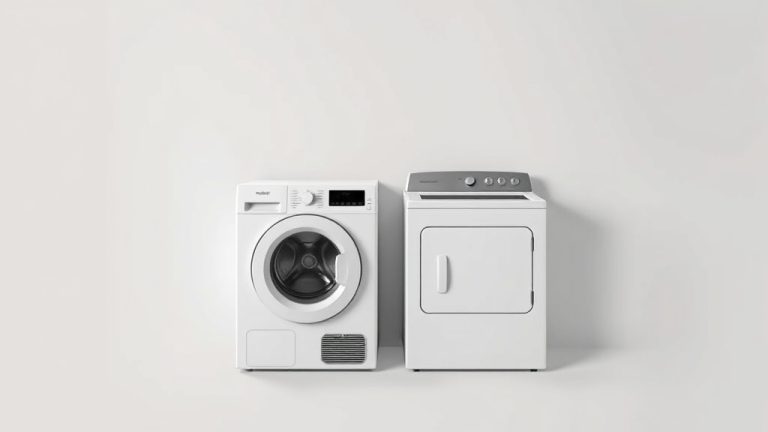
When choosing between a top-load and a side-load washer, it really comes down to your priorities. Many sources suggest top-load washers are often more affordable and easier to load without bending. Side-load washers typically use less water and offer better cleaning performance, though they can be pricier.
Your laundry needs will guide you. We found that both types have pros and cons depending on your space, budget, and how you prefer to do laundry. Think about how much you wash and what features matter most to you. Many consumers also consider energy efficiency and the overall wear and tear on their clothes.
- Top-loaders are usually cheaper and simpler to use.
- Side-loaders generally clean clothes better and use less water.
- Consider your budget and physical needs.
- Think about how much laundry you do regularly.
- Look at energy efficiency ratings for long-term savings.
Let’s dive into the details to help you make the best choice for your home.
Deciding between a top-load and a side-load washer can feel like a big laundry day decision. You want clean clothes, but you also want the machine to fit your life. Let’s break down what each type offers so you can feel confident in your choice. We found that understanding a few key differences makes all the difference.
Understanding Your Washer Options: Top vs. Side Load
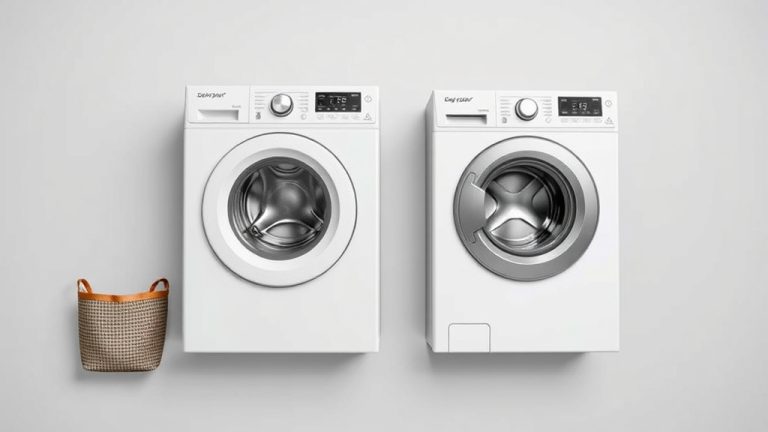
The main difference comes down to how the door opens and how the drum tumbles. It’s a fundamental design choice that affects everything from how you load it to how it cleans your clothes. We’ve researched how these designs impact performance and user experience.
The Classic Top-Loader: Easy Access and Affordability
Many households have owned a top-loader for years. These machines feature a lid on top that opens upwards. You simply lift the lid and drop your clothes in. They often use an agitator, a central post that twists and turns clothes.
Pros of Top-Load Washers
One of the biggest advantages is the price. Top-loaders are typically less expensive upfront. They’re also often simpler in design, which can mean easier repairs. Many people find them more comfortable to use. You don’t have to bend down to load or unload clothes. This is a big plus for those with back or knee issues. We found that ease of use is a major selling point for many consumers. Our guide to the best-rated top-loading washing machine can help you find a model that fits your needs.
Adding forgotten items mid-cycle is also usually a breeze with a top-loader. Just lift the lid and toss them in. Many models allow this, though some newer ones might not. It’s a convenience that many users appreciate. The cycle can often be paused easily for this very reason.
Cons of Top-Load Washers
Top-loaders, especially those with agitators, can sometimes be rougher on clothes. The agitator can cause more wear and tear. They also tend to use more water per load than their side-loading counterparts. This means they might not be the most eco-friendly option if water conservation is a priority for you. Some newer high-efficiency (HE) top-loaders have impellers instead of agitators, which are gentler. But they still may use more water than side-loaders.
Spin speeds are often lower on top-loaders. This means clothes come out wetter. You might need to run your dryer for longer, using more energy. We found that this can add to your energy bills over time.
The Modern Side-Loader: Efficiency and Cleaning Power
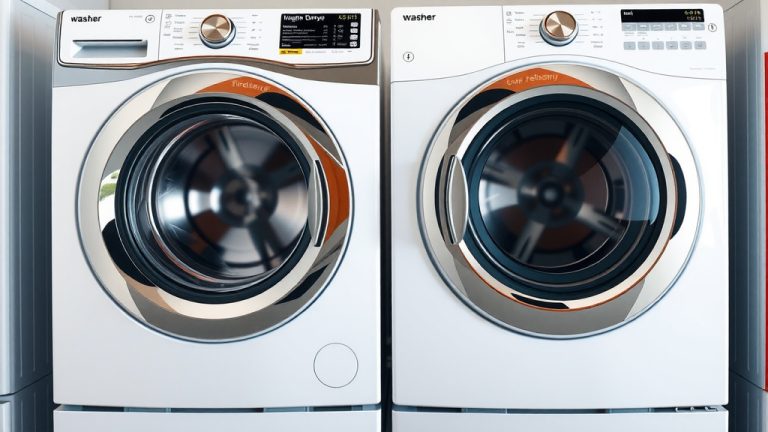
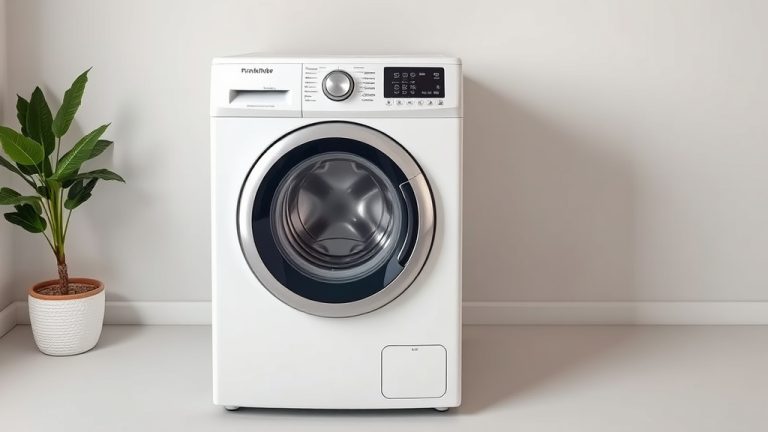
Side-loaders have a door on the front that swings open. The drum tumbles clothes by lifting them and dropping them back into the water. This tumbling action is a key part of their cleaning effectiveness. They generally don’t use an agitator.
Pros of Side-Load Washers
When it comes to cleaning performance, side-loaders often get the nod. The tumbling action is very effective at removing dirt and stains. Many experts say they are gentler on fabrics, too. This means your clothes might last longer. We found that this gentleness is a major factor for people with delicate items.
These machines are also known for their water and energy efficiency. They use significantly less water per load. This is good for your utility bills and the environment. The faster spin speeds mean clothes come out much drier. This reduces drying time and energy use. Many models have excellent energy star ratings, saving you money in the long run. The U.S. Department of Energy often highlights these savings.
Cons of Side-Load Washers
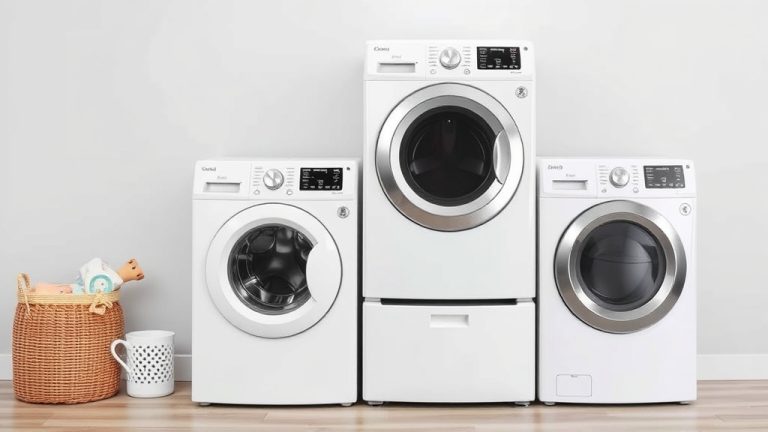
The most common barrier for side-loaders is the upfront cost. They are generally more expensive than top-loaders. You also have to bend down to load and unload, which can be a challenge for some. To combat this, many people purchase pedestals, which raise the machines. However, these add to the overall expense.
Adding clothes mid-cycle isn’t as straightforward. You usually have to pause the machine and wait for the door to unlock. This can take a minute or two. Also, if you forget a load, you might have to wait until the current cycle finishes. Some users also report longer wash times on certain cycles.
Key Features to Consider for Your Home
Beyond the basic top-load vs. side-load debate, many features can influence your decision. Think about what truly matters for your laundry routine. We’ve gathered some common considerations:
Capacity and Size
How much laundry do you do? If you have a large family or find yourself with big loads often, you’ll want a machine with a larger capacity. Both top-loaders and side-loaders come in various sizes. Make sure the dimensions also fit your laundry space. Measure your doorways and the area where the washer will go!
Wash Cycles and Settings
Do you need specialized cycles for delicates, activewear, or heavy-duty cleaning? Most modern washers offer a range of cycles. Some high-end models even have steam settings or sanitizing options. Think about the types of clothes you wash most often. This will help you determine the settings you’ll actually use.
Noise and Vibration
If your laundry room is near living areas, noise can be a big concern. Side-loaders, especially with high spin speeds, can sometimes vibrate more. However, many newer models have advanced suspension systems to reduce this. We found that reading reviews about noise levels can be very helpful here.
Maintenance and Durability
Both types require regular maintenance, like cleaning the detergent dispenser and checking the hoses. Side-loaders have rubber door seals that need occasional wiping to prevent mold or mildew. Many experts suggest leaving the door ajar on side-loaders to help it dry out. This is a simple step for better longevity. Researching brand reliability is also a smart move.
Making the Final Choice: A Quick Checklist
To help you sort through it all, here’s a quick rundown:
- Budget: Are you looking for the lowest upfront cost or willing to invest more for efficiency?
- Physical Needs: Is bending down difficult for you?
- Clothing Care: Do you wash a lot of delicate or durable items?
- Water/Energy Use: How important are conservation and lower utility bills?
- Space: Do you have room for pedestals if you choose a side-loader?
- Laundry Volume: How many loads do you typically run per week?
Conclusion
Choosing between a top-load and side-load washer boils down to your personal needs and budget. We found that top-loaders often win on upfront cost and ease of use, especially if bending is a concern. Side-loaders, on the other hand, typically excel in cleaning power and water efficiency, which can save you money long-term. Consider how much laundry you do, the types of fabrics you wash, and your physical comfort. Take a moment to weigh these factors, and you’ll be well on your way to finding the perfect fit for your laundry room.
Frequently Asked Questions
Do top-loaders really clean clothes less effectively than side-loaders?
Our research found that side-loaders generally offer superior cleaning performance due to their tumbling action. Top-loaders with agitators can sometimes be harsher on clothes, while HE impeller models aim for a gentler clean. The tumbling action of side-loaders is often considered more effective at removing tough stains.
Is it worth buying pedestals for a side-load washer?
Pedestals for side-load washers are mainly for convenience. They raise the machine, reducing the need to bend down. While this can be a great ergonomic benefit, they do add to the overall cost of the appliance. You’ll need to decide if the added comfort is worth the extra expense for your situation.
Which type of washer is better for people with back problems?
For individuals with back or knee issues, a top-load washer is often the better choice. You don’t have to bend down to load or unload laundry, making the entire process more comfortable. Many users find this ease of access a major advantage over side-loaders.
Can I add a forgotten item to a side-load washer mid-cycle?
Adding forgotten items to a side-load washer mid-cycle isn’t as straightforward as with many top-loaders. You’ll typically need to pause the machine and wait for the door to unlock, which can take a minute or two. Some newer models offer this feature, but it’s not as common or immediate as with a top-loader.
Which type of washer will save me more money on my utility bills?
Generally, side-load washers are more water and energy efficient. They use less water per load and their faster spin speeds mean clothes come out drier. This reduces the time and energy needed for drying, leading to lower utility bills over time compared to most top-load models.