Washer Agitator vs Impeller: What’s the Difference
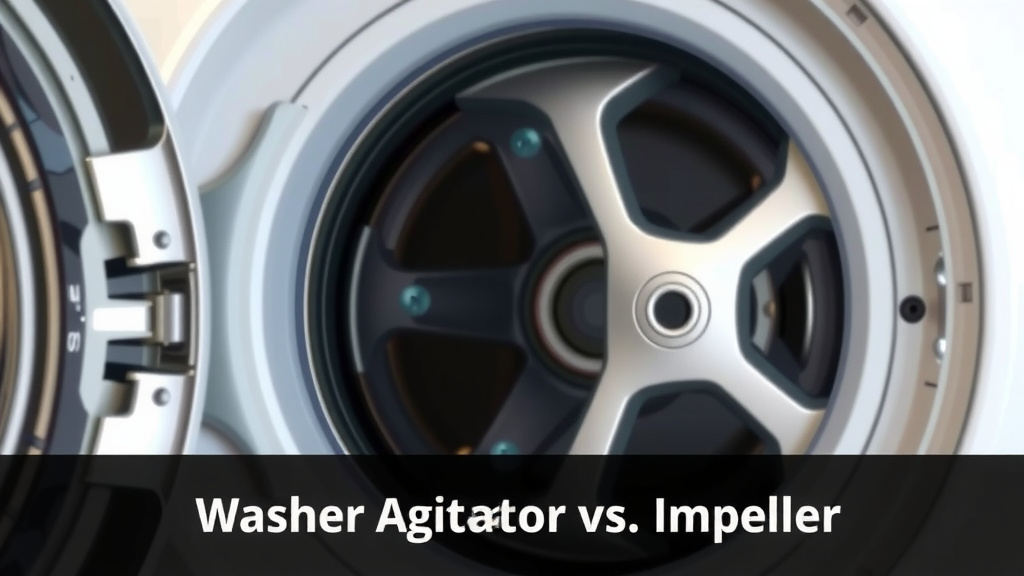
When choosing a washing machine, understanding the difference between an agitator and an impeller is key. An Our guide to the best-rated top-loading washing machines can help you choose.agitator is the tall, finned post in the center of older top-load washers, designed for a vigorous, deep clean. An impeller, found in newer HE (High-Efficiency) top-load washers, is a low-profile disc at the bottom that tumbles clothes with less water, offering a gentler wash and better fabric care.
If you’re wondering which type is best for your laundry needs, the main difference lies in how they move clothes and the resulting wash. Agitator washers tend to be tougher on fabrics but can handle larger loads. Impeller washers are kinder to clothes and use less water and energy, but might require more attention to load size to ensure proper cleaning. Both have their pros and cons depending on your priorities for wash performance and fabric longevity.
- Agitator: Tall post, aggressive cleaning, good for heavily soiled loads.
- Impeller: Low-profile disc, gentler wash, uses less water.
- Choose agitator for powerful cleaning.
- Choose impeller for fabric care and energy savings.
- Consider your fabric types and soil levels.
Let’s break down exactly what each type of washer does and how it might fit into your laundry routine.
Understanding Washer Agitator vs. Impeller Technology
If you’re shopping for a new washing machine, you’ve probably noticed two main types of washing action in top-load models. You might be wondering about the difference between an agitator and an impeller. We found that understanding these two systems is key to choosing the right washer for your laundry needs. They work differently to get your clothes clean. Each has its own set of pros and cons.
The Classic Agitator: A Robust Cleaning Approach
Let’s talk about the agitator first. This is the tall, finned post you’ll find right in the center of many traditional top-load washers. You’ve likely seen them before, maybe even grown up with one! Its job is to really move and twist your clothes around.
How an Agitator Works
The agitator uses a twisting and plunging motion. It forces water through the fabric of your clothes. This action helps to scrub away dirt and stains. Think of it like a vigorous back-and-forth massage for your laundry. It’s designed for a deep clean. This is especially helpful for heavily soiled items. Many guidelines point to this robust action for tackling tough grime (Good Housekeeping Institute).
Pros of Agitator Washers
One of the biggest advantages is its cleaning power. Agitators are known for their ability to handle large, bulky items. They can also tackle very dirty laundry effectively. If you have a family with kids who play sports or work in messy environments, an agitator might be your best friend. We found that users often report cleaner clothes with agitator models, especially for tough stains.
Cons of Agitator Washers
On the flip side, this strong cleaning action can be hard on your clothes. The constant friction can cause fabrics to wear out faster. We also found that agitator machines tend to use more water than newer models. They can also be rougher on delicate items. You need to be careful not to overload them, even though they handle large items well. Overloading can actually make them less efficient and more damaging.
The Modern Impeller: A Gentle, Efficient Alternative
Now, let’s look at the impeller. You’ll typically find this in High-Efficiency (HE) top-load washers. Instead of a tall post, you’ll see a low-profile disc or plate at the bottom of the drum. This disc has fins or cones on it. Its goal is to move clothes gently through less water.
How an Impeller Works
The impeller spins and tumbles clothes. It rubs them against each other and the impeller itself. This action creates friction to loosen dirt. It uses a different approach than the agitator’s direct scrubbing. Think of it more like clothes gently bumping and sliding against each other. Many experts say this tumbling action is much gentler on fabric fibers (Consumer Reports).
Pros of Impeller Washers
The main benefit here is fabric care. Impellers are much gentler on your clothes. This means your garments tend to last longer. Because they use less water, they are also more energy-efficient. This can lead to lower utility bills over time. We found that many users appreciate the improved fabric longevity and water savings. They are also generally quieter than agitator models.
Cons of Impeller Washers
While gentle, impeller washers might not be as effective on extremely soiled loads. You might need to pre-treat tough stains. They also require a bit more attention to how you load them. Clothes need space to tumble freely for the best cleaning. If you pack the drum too tightly, the impeller can’t do its job effectively. This can lead to clothes not getting fully clean. Some users report that very bulky items might not get as clean as in an agitator machine.
Direct Comparison: Agitator vs. Impeller in a Glance
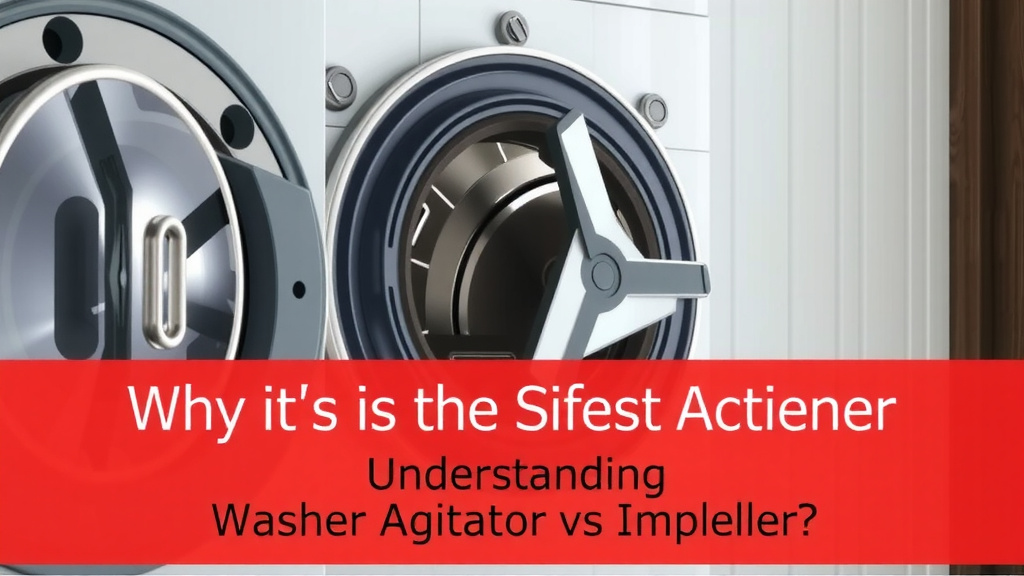
To make things super clear, let’s put it side-by-side. This table highlights the key differences you should consider when making your choice.
| Feature | Agitator Washer | Impeller Washer |
|---|---|---|
| Central Component | Tall, finned post in the center | Low-profile disc or plate at the bottom |
| Wash Action | Aggressive twisting and plunging | Gentle tumbling and clothes-on-clothes friction |
| Fabric Care | Can be rough on clothes; potential for wear | Much gentler; better for fabric longevity |
| Water Usage | Higher water consumption | Lower water consumption; more efficient |
| Load Capacity | Can handle bulky items well; can sometimes feel larger | Requires space for tumbling; can sometimes feel smaller if overloaded |
| Cleaning Power | Excellent for heavily soiled loads and tough stains | Good for regular loads; may need pre-treatment for tough stains |
| Energy Efficiency | Generally less efficient | More energy-efficient |
Making Your Choice: What’s Best for Your Laundry?
So, which one is the winner? Well, it really depends on your priorities. Are you looking for the most powerful clean possible, no matter what? Or is keeping your clothes looking newer for longer your main goal?
Consider Your Laundry Habits
If you frequently deal with very dirty clothes, like work uniforms or sports gear, an agitator might be the better choice. Its strong action can really get into the fabric. Many parents find agitator machines indispensable for dealing with kid-related messes. You get a powerful clean that feels reassuring.
Prioritize Fabric Longevity and Efficiency
On the other hand, if you have a lot of delicate clothing, or you simply want your wardrobe to last, an impeller is likely the way to go. Its gentle action is a real plus for synthetic blends and finer fabrics. Plus, the water and energy savings are hard to ignore. We found that consumers who focus on sustainability often lean towards impeller models.
A Quick Checklist for Your Decision:
- How dirty are your clothes usually?
- Do you have many delicate items?
- Is energy and water saving a big concern?
- Do you wash bulky items often?
- How important is the lifespan of your clothes?
- What’s your budget for utility bills?
Conclusion
Choosing between an agitator and an impeller washer boils down to your personal laundry needs. If you prioritize a powerful clean for heavily soiled items and bulky loads, the classic agitator offers robust performance. For those who want to extend the life of their clothes, save water and energy, and enjoy a gentler wash, the modern impeller is likely your best bet. We found that understanding these differences helps you make an informed decision. Consider your typical laundry challenges and fabric types to pick the washer that will serve you best.
Frequently Asked Questions
Can I use fabric softener with an impeller washer?
Yes, you can use fabric softener with an impeller washer. Most impeller models have a dispenser for fabric softener. Be sure to follow the manufacturer’s instructions for the correct amount to use. Using too much can sometimes affect the cleaning performance of HE washers.
Will an impeller washer damage my delicates?
Impeller washers are designed to be much gentler on clothes than agitator models. The tumbling action is less aggressive, which is ideal for delicate fabrics. You should still sort your laundry and use the appropriate wash cycle for best results.
How do I know if my clothes are clean in an impeller washer?
You’ll know your clothes are clean when they look and smell fresh after a wash cycle. If you notice persistent dirt or stains, it might mean you’re overloading the machine. Ensure clothes have enough room to tumble freely for optimal cleaning by the impeller.
Can an agitator wash HE detergent effectively?
Agitator washers are not typically designed for High-Efficiency (HE) detergents. HE detergents are low-sudsing and formulated for HE machines. Using HE detergent in a standard agitator washer might result in less effective cleaning and potentially more suds than desired.
Are impeller washers really more energy efficient?
Yes, impeller washers are generally more energy efficient because they use less water. Since they require less water to operate, the washing machine uses less energy to heat that water. This leads to lower utility bills over time. They also often use less electricity to run the wash cycle itself.