Front Load Washers: Pros and Cons Explained
Front load washers offer superior cleaning power and use less water and energy. While they are known for being gentler on clothes, they can also be more expensive upfront and may require more maintenance to prevent mold. Many homeowners find the benefits outweigh the drawbacks.
When considering a new washing machine, the front-load design stands out. It’s a popular choice for its efficiency and effectiveness. You might be wondering if this type of washer is the right fit for your home and laundry habits. We’ve gathered the key points to help you decide.
- Pros: Better cleaning, energy and water savings, gentler on fabrics.
- Cons: Higher initial cost, potential for mold/mildew, longer wash cycles.
- Front loaders often have a sleek, modern look.
- They are typically more efficient than top-load machines. To understand the differences, our guide to top-load machines can help.
To help you make the best choice for your laundry room, let’s dive into the specific pros and cons of front load washers.
So, you’re thinking about a new washing machine, and the sleek, front-loading models have caught your eye. They look modern and promise great results. But are they truly the best fit for your laundry routine? Let’s break down the good, the not-so-good, and everything in between when it comes to these machines.
Pros and Cons of Front Load Washers Explored
Front load washers have a lot going for them. We’ve found they often perform better in key areas compared to their top-loading counterparts.
The Upside: What Makes Front Loaders Shine
When you’re looking at a front load washer, you’re often looking at a machine that’s a step up in several ways. They’re designed with efficiency and cleaning power in mind.
Superior Cleaning Performance
One of the biggest draws of front load washers is how well they clean. The tumbling action, where clothes are lifted and dropped back into the water, is very effective at loosening dirt and stains. Many tests show they handle tough grime better than traditional agitator models.
Water and Energy Efficiency
These machines are designed to use much less water. They don’t need to fill the entire tub to get your clothes clean. This means lower water bills for you. They also tend to use less energy. This saves you money on your utility bills over time. According to the Department of Energy, efficient washers can save you a good amount of energy annually.
Gentle on Your Clothes
Do you have delicate items or clothes you want to last? Front loaders are much kinder to fabrics. The tumbling action is less harsh than the twisting and pulling of a top-loader with an agitator. This means less wear and tear on your favorite outfits. You’ll likely see your clothes last longer.
Higher Spin Speeds for Drier Clothes
Front load washers can spin much faster than top-loaders. This removes more water from your clothes before they go into the dryer. Your dryer runs for a shorter time, saving more energy and reducing the chance of shrinking or damaging items. It’s a small detail that makes a big difference.
Stackable Design for Space Saving
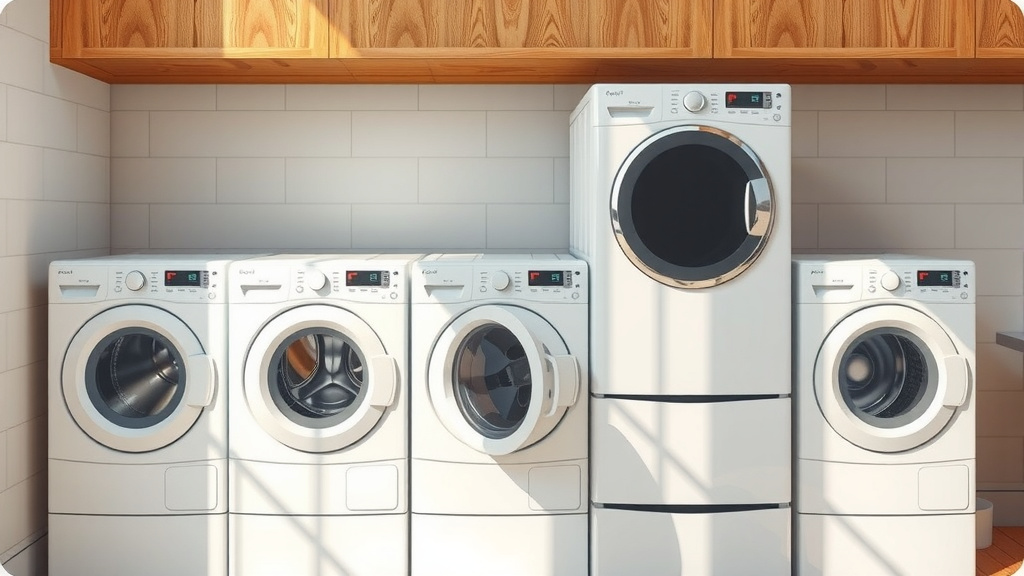
Many front load washers are designed to be stacked with a matching dryer. This is a fantastic space-saving solution, especially if you have a smaller laundry room or limited space. You can double your drying capacity without taking up extra floor space. It’s a clever way to maximize your home’s layout.
The Downside: Potential Drawbacks to Consider
Now, let’s look at the other side of the coin. While front loaders offer many benefits, there are a few things you should be aware of before you buy.
Higher Initial Purchase Price
Generally, front load washers come with a higher price tag than most top-load models. This upfront cost can be a barrier for some. You’re paying for the advanced technology, efficiency, and features. Think of it as an investment that pays off in savings over time, but the initial hit can be tough.
Potential for Mold and Mildew Growth
This is perhaps the most common complaint about front loaders. The rubber gasket around the door creates a watertight seal. This seal can trap moisture. If not cared for, it can lead to mold and mildew growth, causing unpleasant odors. Keeping the door ajar after use and wiping down the gasket regularly is essential maintenance. Many manufacturers provide specific cleaning instructions.
Longer Wash Cycles
Because they are designed for efficiency and gentleness, front load wash cycles can often be longer than top-load machines. Some cycles can run for 90 minutes or more. If you’re used to quick washes, this might take some getting used to. However, many machines offer quick wash options for lighter loads.
Bending Down to Load and Unload
You have to bend down to put clothes in and take them out of a front load washer. For people with back or knee problems, this can be difficult or uncomfortable. Raising the machine on a pedestal can help alleviate this, but that adds to the overall cost and height.
Repair Costs Can Be Higher
While generally reliable, when front load washers do need repairs, they can sometimes be more expensive than those for simpler top-load models. The technology involved can mean more complex parts. It’s worth considering extended warranties or service plans. Consider looking into extended warranties or service plans for added peace of mind.
Making the Choice: A Quick Checklist
Deciding on a washer is a big deal! Here’s a quick way to see if a front loader fits your needs:
- Are you looking for the best possible clean for tough stains?
- Do you want to save money on water and energy bills?
- Is keeping your clothes looking new for longer a priority?
- Do you have the space for a stackable unit, or is a pedestal an option?
- Are you prepared for a little extra maintenance to prevent odors?
- Does the upfront cost fit within your budget?
We’ve looked at the good and the not-so-good. Front load washers offer fantastic cleaning and efficiency. However, they do come with their own set of considerations, like cost and upkeep.
| Feature | Front Load Washer | Top Load Washer (Agitator) |
|---|---|---|
| Cleaning Performance | Excellent (tumbling action) | Good (can be harsher) |
| Water & Energy Use | Very Efficient | Less Efficient |
| Fabric Care | Gentle | Harsher |
| Spin Speed | High (drier clothes) | Lower |
| Initial Cost | Higher | Lower |
| Mold Risk | Higher (requires maintenance) | Lower |
| Cycle Time | Longer | Shorter |
| Ergonomics | Requires bending | Easier to load/unload |
Conclusion
You’ve seen how front load washers excel in cleaning power and efficiency. They’re gentle on your clothes, leading to longer-lasting garments. Plus, their stackable design offers excellent space-saving potential. While the initial cost and need for regular maintenance to prevent mold are points to consider, the long-term benefits often outweigh these drawbacks. Your choice depends on your priorities: are you seeking the best clean and energy savings, and are you prepared for the upkeep? If so, a front loader might be your perfect laundry solution. Take a moment to weigh these points against your budget and laundry habits before making your final decision.
Frequently Asked Questions
How often should I clean my front load washer’s gasket?
You should aim to wipe down the rubber door gasket at least once a week. This helps remove any trapped moisture, detergent residue, and lint. Keeping it dry prevents mold and mildew from forming, ensuring fresh-smelling laundry.
Can I use regular detergent in a front load washer?
No, you should always use HE (High-Efficiency) detergent in a front load washer. These detergents produce fewer suds, which is essential for the machine’s low-water system. Using regular detergent can cause excessive sudsing, leading to poor rinsing and potential machine damage.
Are front load washers really better for the environment?
Yes, front load washers are generally more environmentally friendly. They use significantly less water per load and require less energy to heat the water. This makes them a more sustainable choice for your home’s utility consumption.
What is the best way to combat mold smells in a front loader?
The best way to combat mold smells is through regular prevention: leave the door ajar between uses and wipe the gasket and door dry. If a smell develops, run a cleaning cycle with hot water and a cup of vinegar or a specialized washing machine cleaner.
Do front load washers take longer to wash clothes than top loaders?
Typically, yes, front load wash cycles can be longer than those on traditional top-loaders. This is because they use less water and rely on a tumbling action for cleaning. However, many models offer quick wash options for lighter loads when you’re short on time.